Loading subject page…

- Physics
- Gauss's Law
- Electric Field of Parallel Conducting Plates
Micro-course: Gauss's Law
75,401 views
Learn key concepts and earn your certificate.



Electric Field of Parallel Conducting Plates

00:00
01:16
Video Summary: Electric Field of Parallel Conducting Plates Explained
Did you know that the touch screen on your smartphone relies on the same physics principle used in hospital defibrillators? The electric field of parallel conducting plates creates uniform electric fields that power everything from capacitive touchscreens to life-saving medical equipment across US hospitals. When two charged plates are positioned parallel to each other, they generate predictable electric field patterns that depend entirely on the charge configuration-fields can either reinforce or cancel each other based on whether the plates carry opposite or identical charges. Watch the full video on JoVE Coach to master this concept with expert-led visuals and step-by-step explanations.
- Understand how the electric field of parallel conducting plates creates different field patterns based on charge polarity and plate configuration
- Identify the mathematical relationship between surface charge density, vacuum permittivity, and electric field strength in parallel plate systems
- Analyze why electric fields add constructively between oppositely charged plates while canceling on the exterior regions
- Compare field behavior between parallel plates carrying opposite charges versus identical charges
- Evaluate the connection between parallel conducting plates and capacitor functionality in electronic devices
- Apply superposition principles to determine net electric field directions in multi-plate configurations
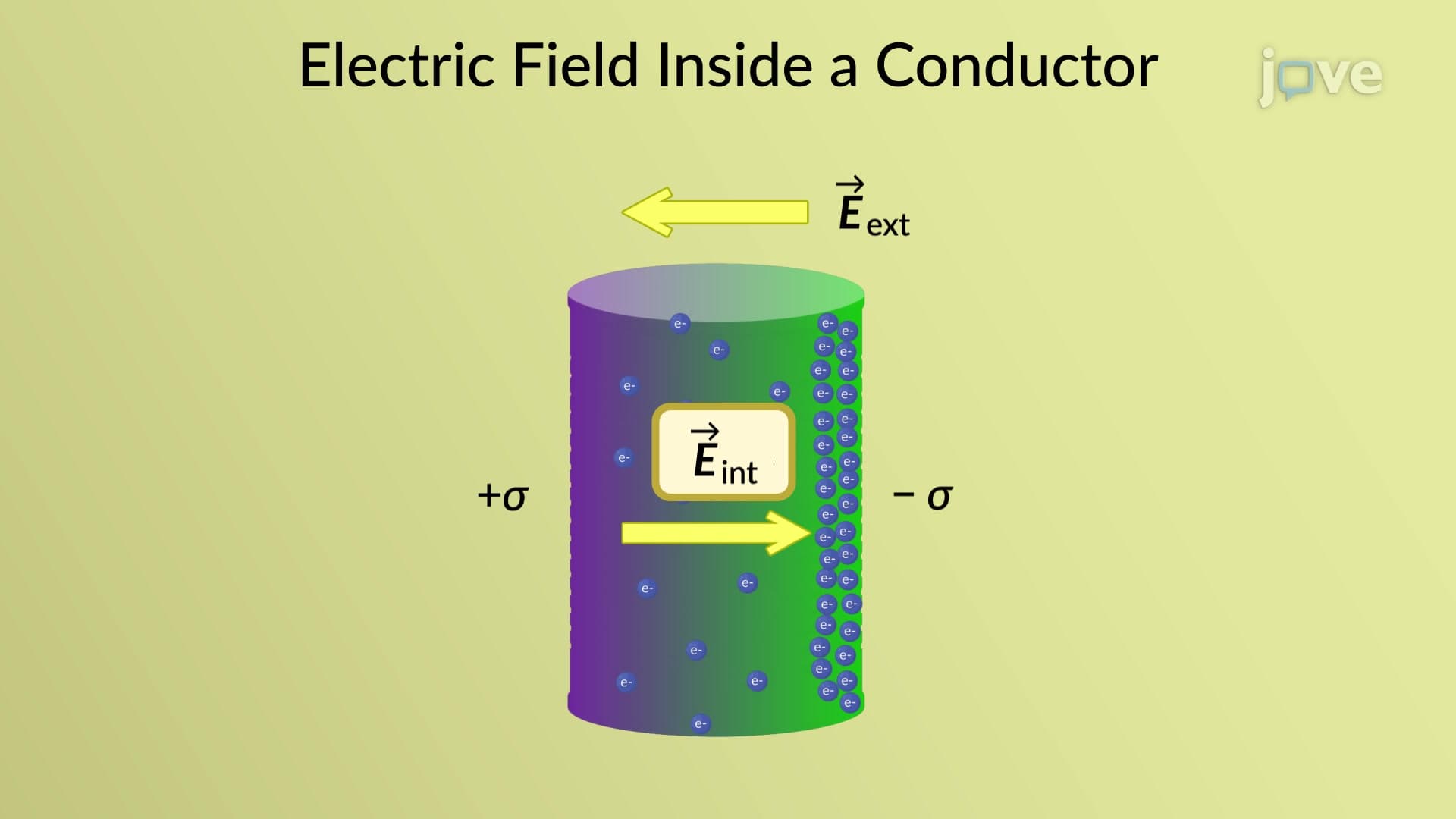
- Recognize how charge redistribution affects field uniformity when conducting plates are brought into proximity
- Explore real-world applications of parallel plate electric fields in touchscreen technology and medical equipment
Understanding Electric Field of Parallel Conducting Plates Fundamentals
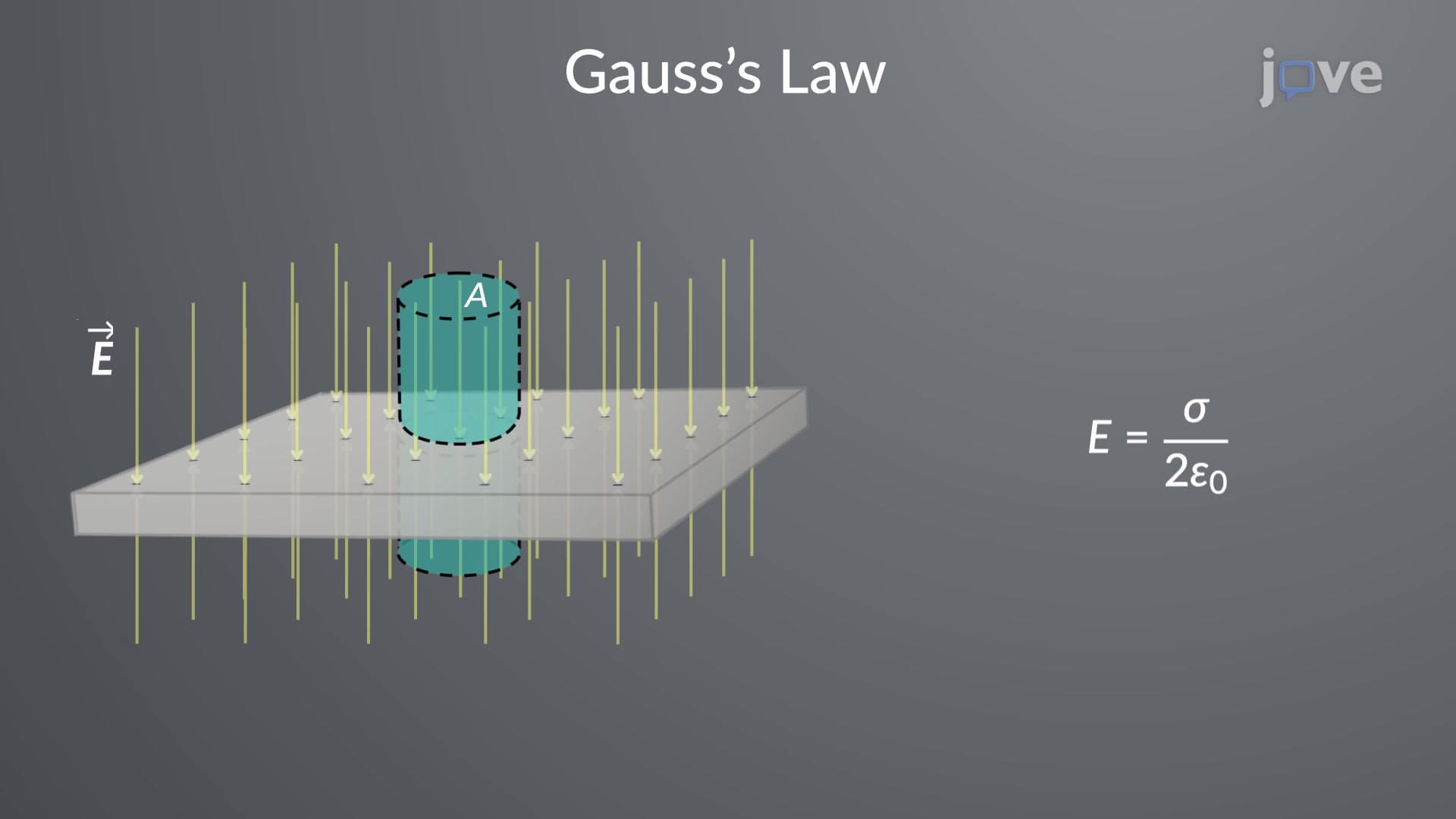
The electric field of parallel conducting plates represents one of the most important configurations in electrostatics, forming the foundation for capacitor technology that powers modern electronics. When a single conducting plate carries charge, the electric field strength equals σ/(2ε₀), where σ represents surface charge density and ε₀ is vacuum permittivity (8.85 × 10⁻¹² F/m). This relationship appears frequently on AP Physics exams and college-level electromagnetism courses.
Opposite Charge Configuration: Field Reinforcement
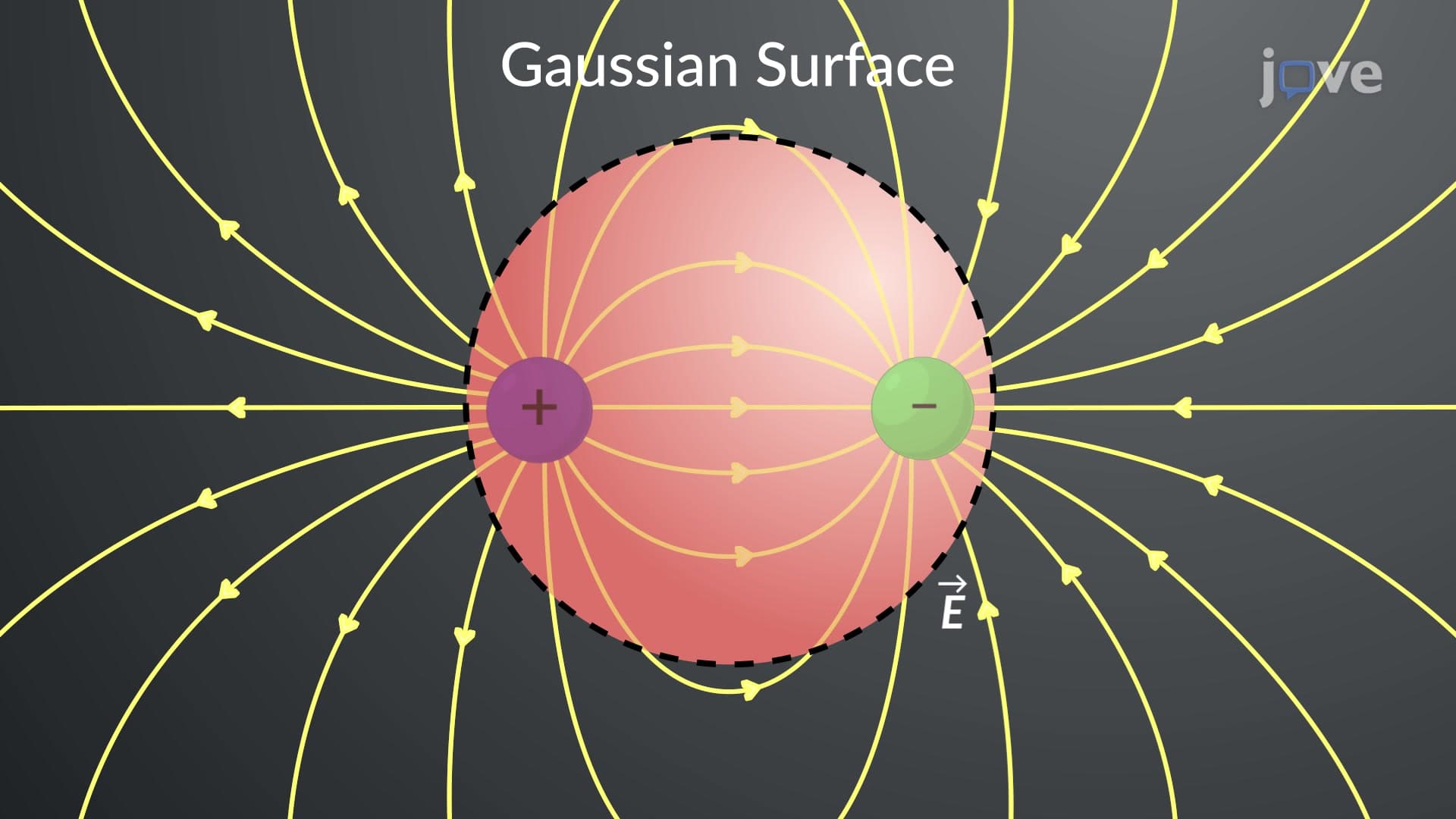
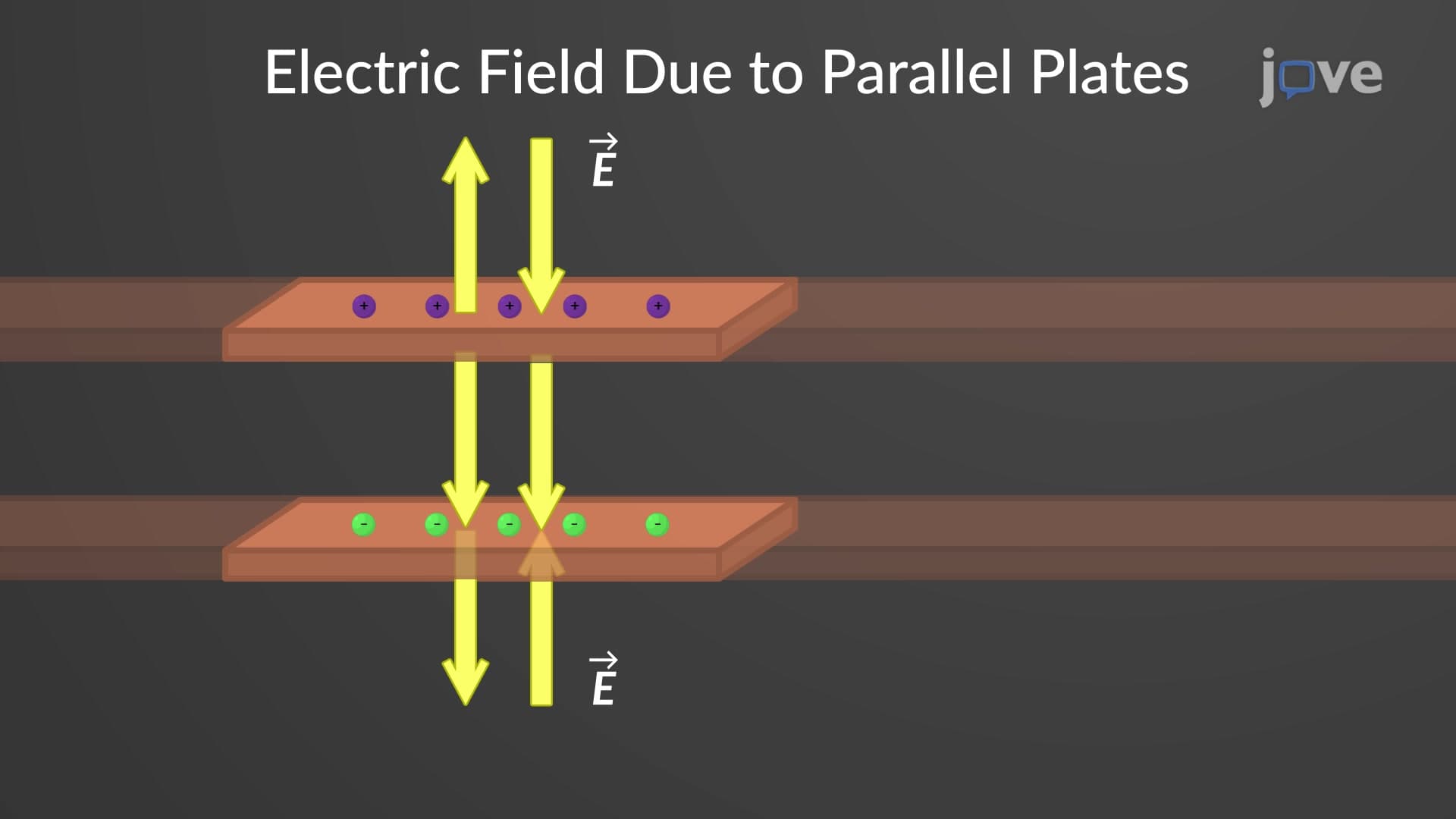
When two parallel plates carry opposite charges, the resulting electric field pattern mimics a parallel plate capacitor-a configuration studied extensively in US engineering programs. Between the plates, both electric fields point in the same direction (from positive to negative), creating superposition that doubles the field strength to σ/ε₀. This uniform field between plates makes parallel plate capacitors ideal for energy storage in everything from camera flashes to electric vehicle charging systems manufactured by companies like Tesla.
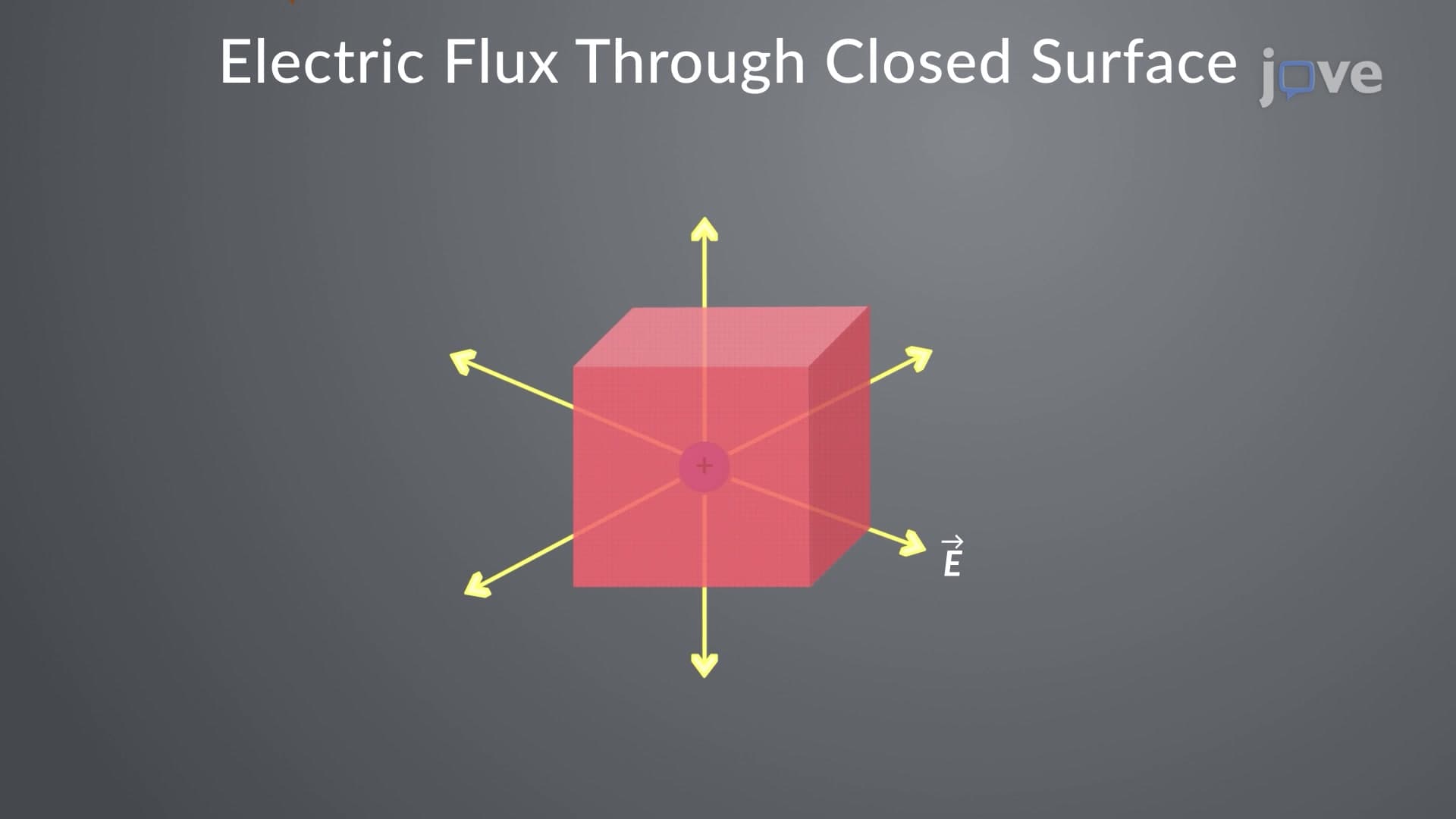
Outside the plate region, the electric fields from each plate point in opposite directions, effectively canceling each other and producing zero net field. This cancellation principle explains why the electric field inside a conducting shell (Faraday cage) remains zero-a concept that protects airplane passengers from lightning strikes and ensures MRI safety in US hospitals.
Same Charge Configuration: Field Cancellation
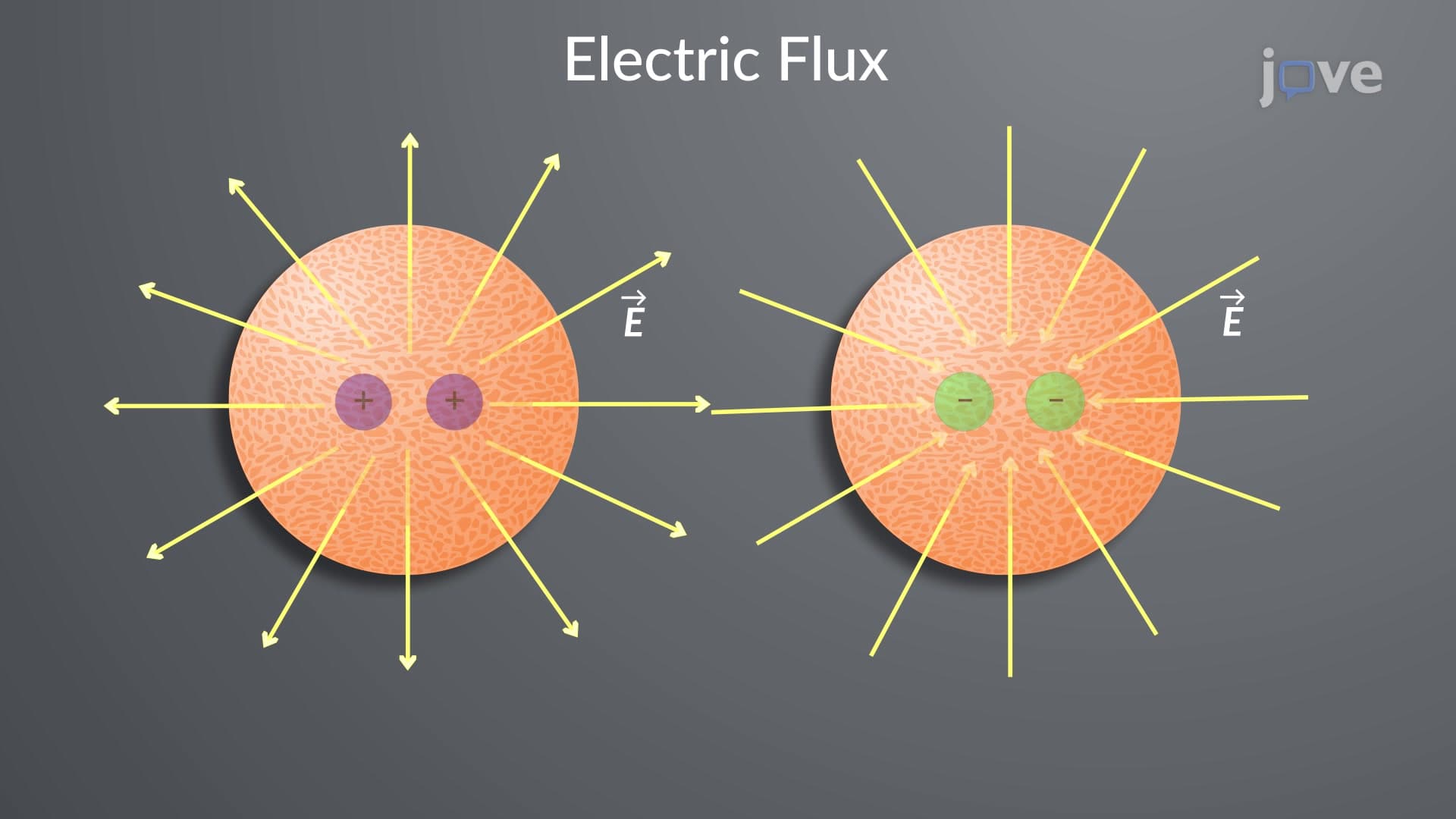
When both plates carry identical charges, the physics reverses dramatically. The electric field between plates cancels completely because both fields point away from their respective plates, creating equal but opposite contributions in the central region. However, on either side of the plate system, the fields reinforce each other, doubling the external field strength.
Practical Applications and Exam Relevance
This configuration appears regularly on standardized tests including the MCAT physics section and AP Physics C: Electricity and Magnetism exam. Students at universities like MIT and Stanford encounter these problems in introductory physics courses, where understanding field superposition becomes crucial for analyzing complex electrostatic systems. The parallel plate model also explains how capacitive touchscreens detect finger position-your finger acts as a conductor that alters the electric field pattern between the screen's transparent electrode layers.
Frequently Asked Questions
The electric field of parallel conducting plates describes the electrostatic field pattern created when two flat, conducting surfaces are positioned parallel to each other with electric charge. The field behavior depends on whether the plates carry opposite charges (fields add between plates) or identical charges (fields cancel between plates). This configuration forms the basis for capacitors used in electronic devices and explains touchscreen functionality.
AP Physics C and college physics exams frequently test parallel plate configurations through quantitative problems involving field calculations, energy storage, and capacitance. Typical questions ask students to calculate electric field strength using σ/ε₀, determine potential differences, or analyze what happens when plate separation changes. The MCAT also includes parallel plate capacitor questions in its physics section.
Basic parallel plate electric field concepts require only algebra and vector addition principles taught in high school physics. While advanced topics like deriving the field equations use calculus, understanding field directions, superposition, and practical applications needs only arithmetic skills. The core concept builds on simple addition and subtraction of field vectors.
Capacitive touchscreens in smartphones and tablets use parallel conducting layers to detect finger position through field disturbance. Hospital defibrillators store energy in large parallel plate capacitors before delivering life-saving shocks. Camera flashes, computer memory systems, and electric vehicle charging stations all rely on parallel plate capacitor technology developed by US companies.
Practice drawing electric field diagrams showing field directions for both opposite and identical charge configurations. Memorize the key formulas: E = σ/(2ε₀) for single plates and E = σ/ε₀ between opposite charges. Work through problems involving field superposition and understand when fields add versus cancel. Focus on conceptual understanding rather than just formula memorization.
When both plates carry the same charge type (both positive or both negative), their individual electric fields point in opposite directions in the region between them. Since electric field is a vector quantity, these opposing fields subtract from each other, resulting in zero net field. This demonstrates the importance of vector addition in electrostatics.
Build on this foundation by exploring capacitor energy storage, dielectric materials between plates, and variable capacitor designs. Advanced topics include electric potential mapping, Gauss's law applications, and electromagnetic field theory. These concepts prepare students for electrical engineering courses and more sophisticated physics problems in university-level coursework.
Most introductory parallel plate problems focus on field direction and basic calculations using given formulas. Difficulty increases when problems combine multiple physics concepts like work, potential energy, or include moving charges. Start with conceptual understanding of field patterns before attempting complex multi-step calculations involving energy or force.
Related Micro-courses