Loading subject page…


75,402 views

Video Summary: Gauss S Law Electric Flux and Charge Distribution
Ever wondered how engineers design Faraday cages to protect sensitive electronics in NASA spacecraft? Gauss's Law: Electric Flux and Charge Distribution reveals the fundamental principle that electric flux through any closed surface depends only on the charge enclosed within it, not the surface's shape or size. This powerful concept explains why your smartphone remains protected inside a metal elevator during lightning storms. Watch the full video on JoVE Coach to master this concept with expert-led visuals and step-by-step explanations.
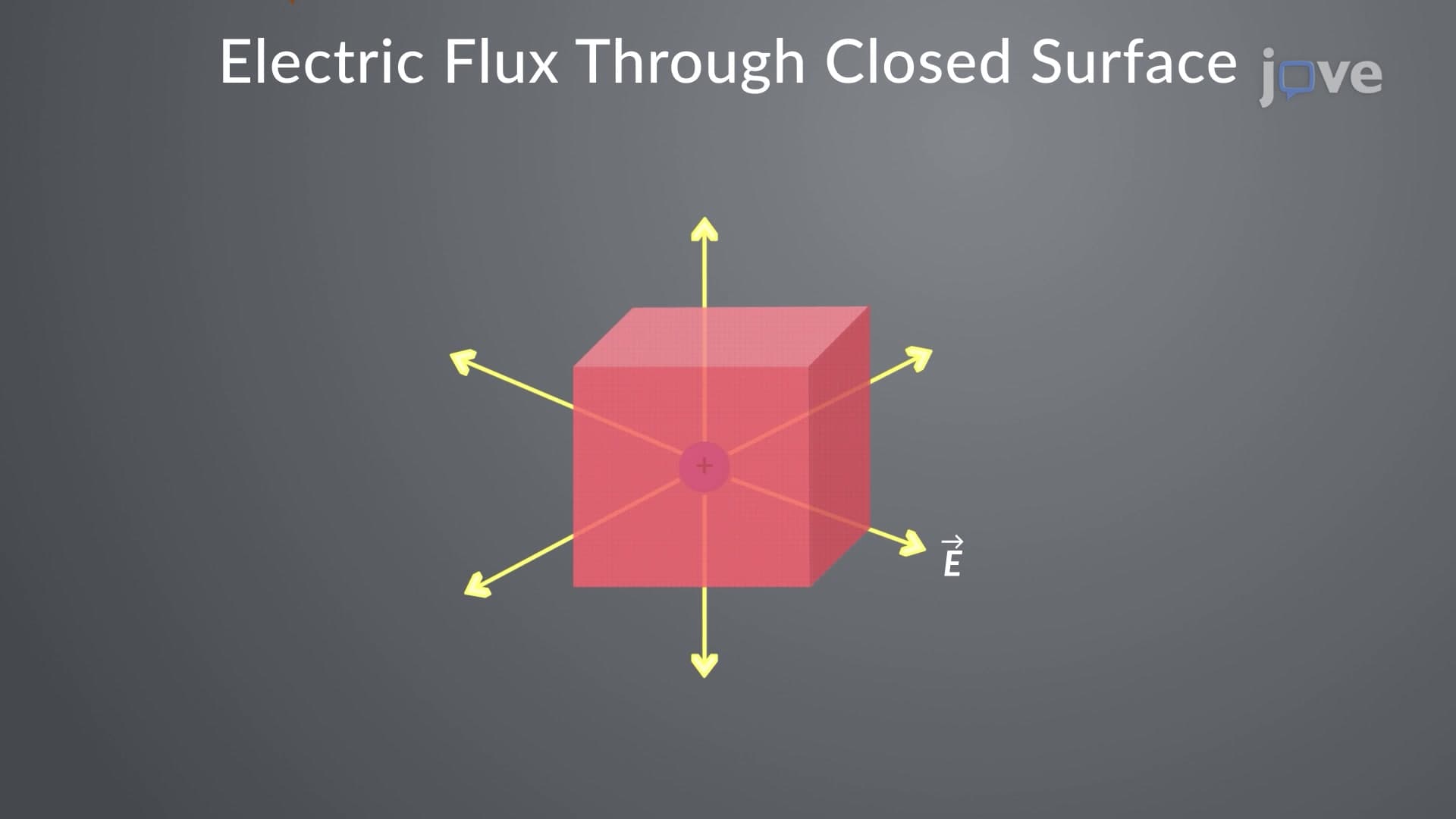
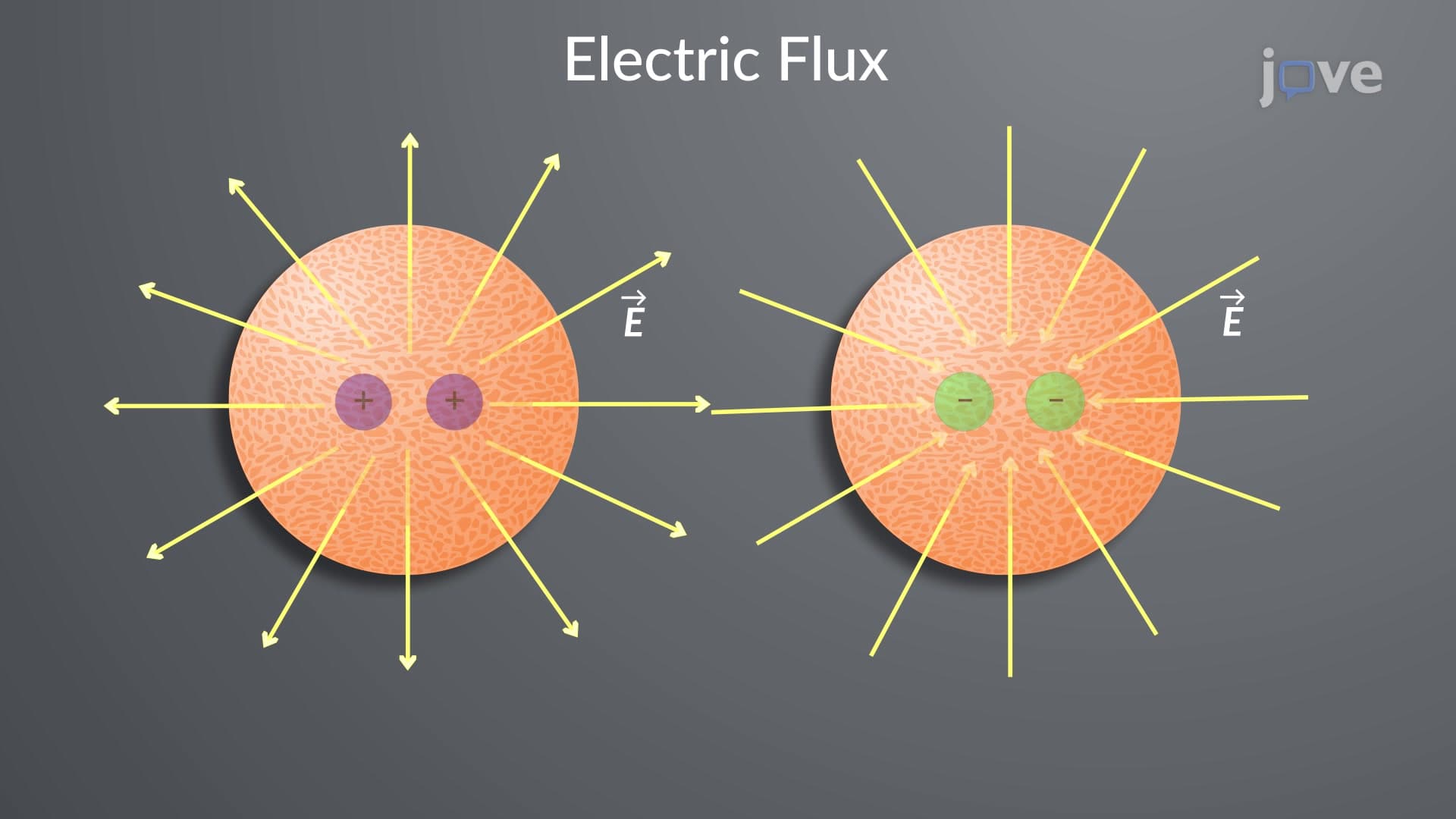
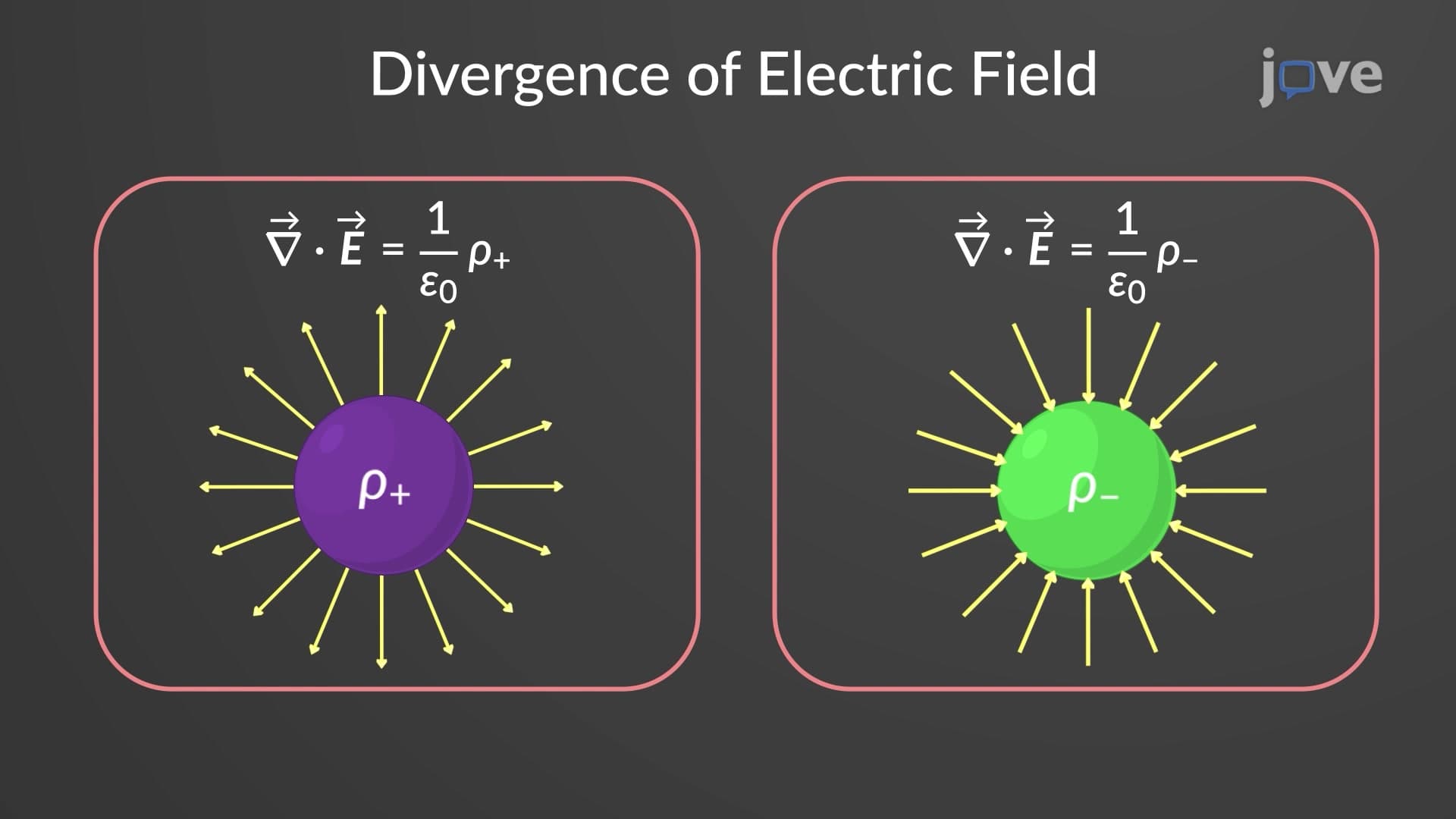
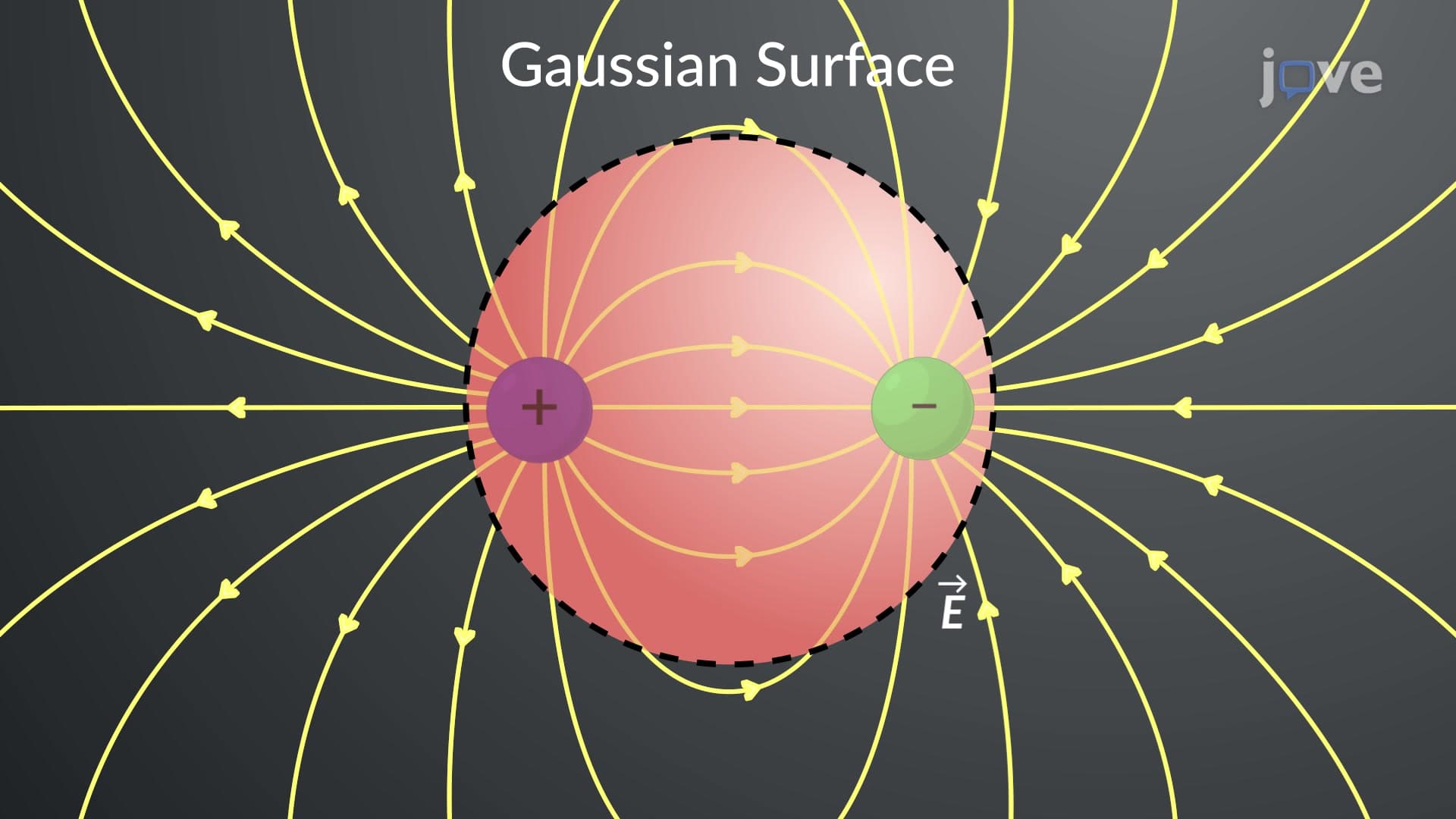
Gauss's law represents one of Maxwell's four fundamental equations governing electromagnetic phenomena. This principle states that the total electric flux passing through any closed surface equals the net charge enclosed divided by the permittivity of free space (8.85 × 10^-12 F/m). The mathematical expression Φ = Q(enclosed)/ε₀ reveals a profound symmetry in nature: regardless of surface complexity, only the enclosed charge matters.
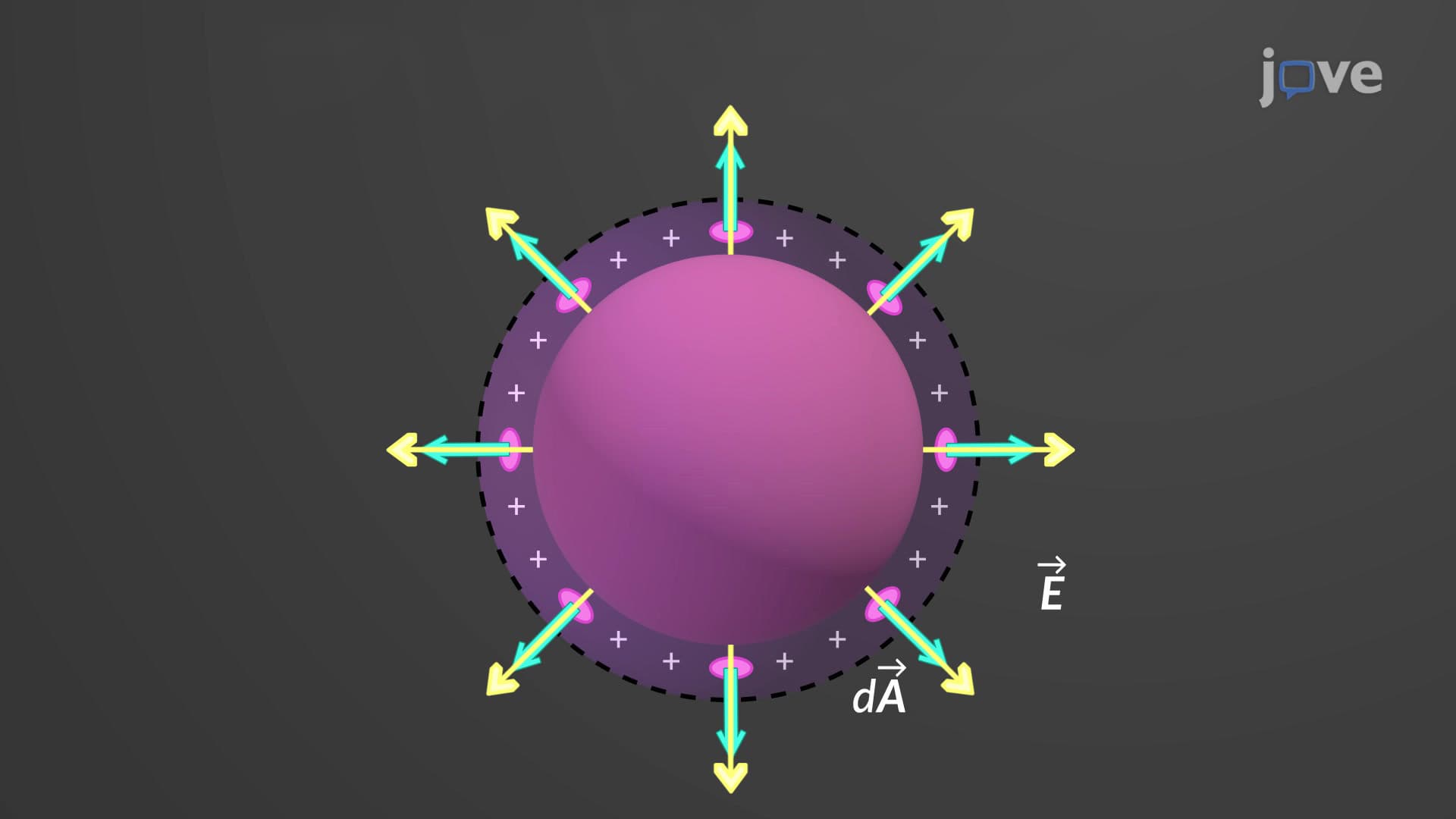
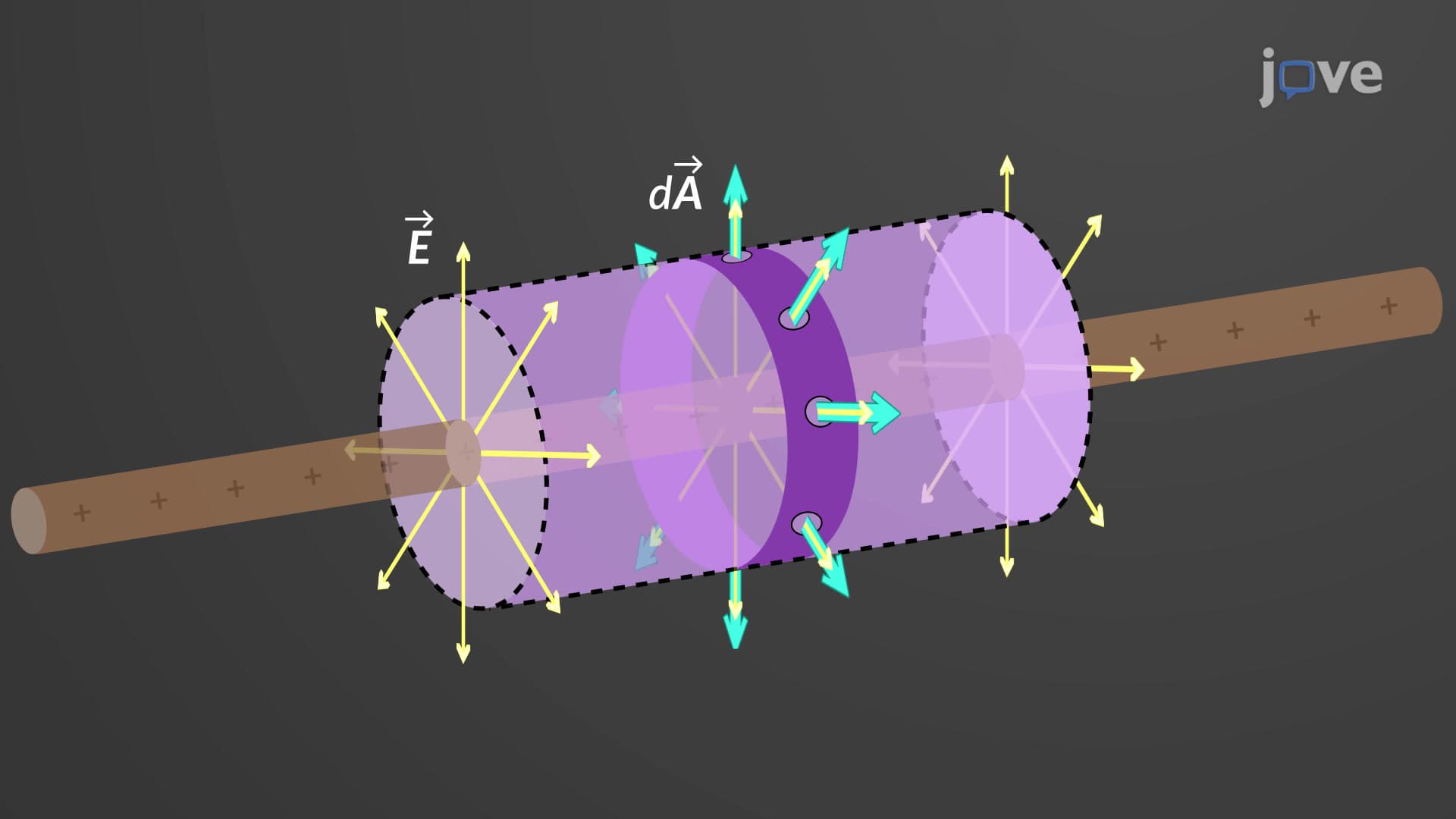
A Gaussian surface functions as an imaginary three-dimensional boundary that simplifies electric field calculations. Students often struggle with this concept until they realize these surfaces are purely mathematical constructs-like drawing invisible boxes around charges. The genius lies in choosing surfaces that exploit symmetry. For point charges, spherical Gaussian surfaces work perfectly because electric field strength remains constant at equal distances. This technique proves invaluable for AP Physics C students tackling free-response questions about electric field calculations.
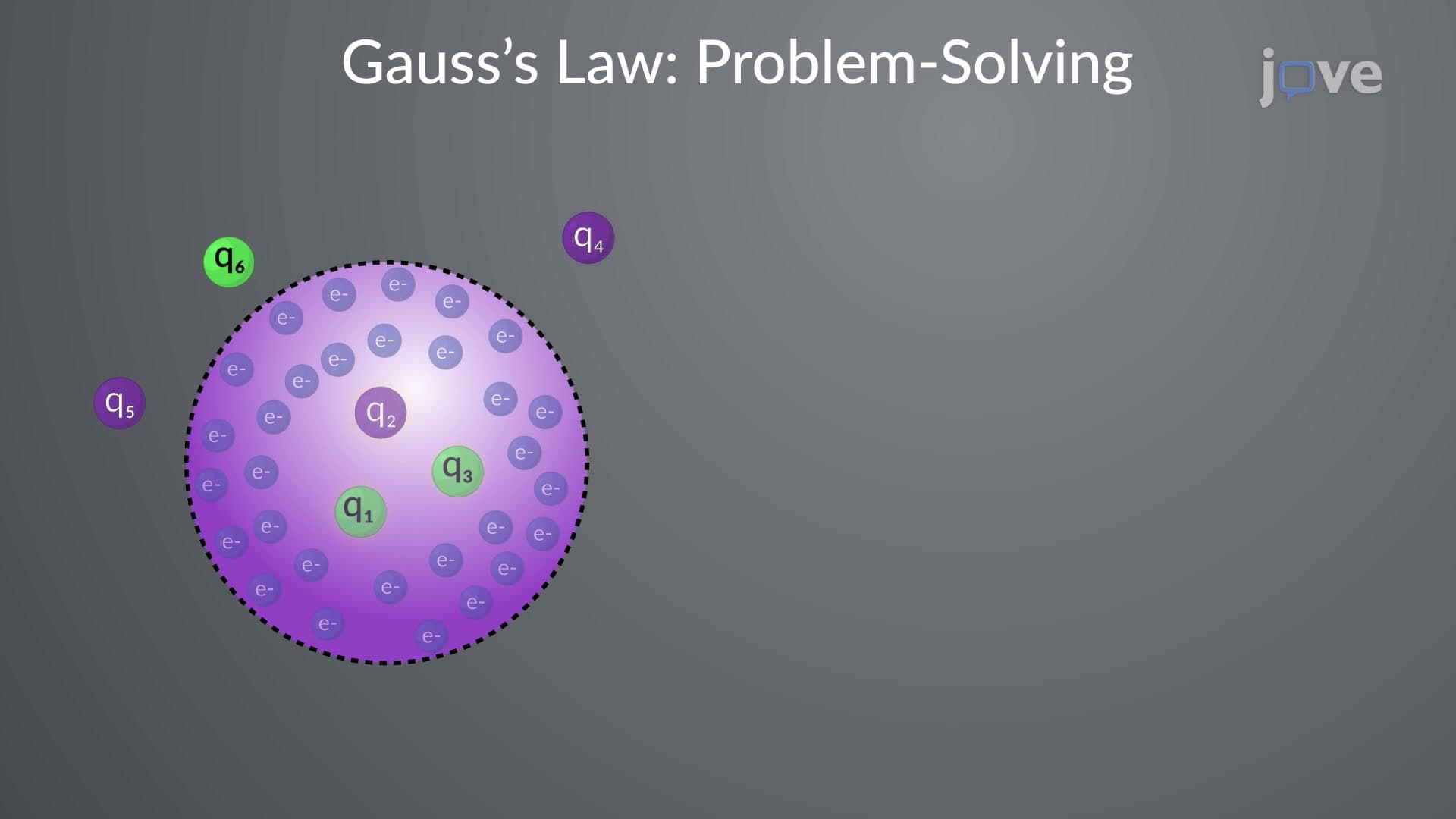
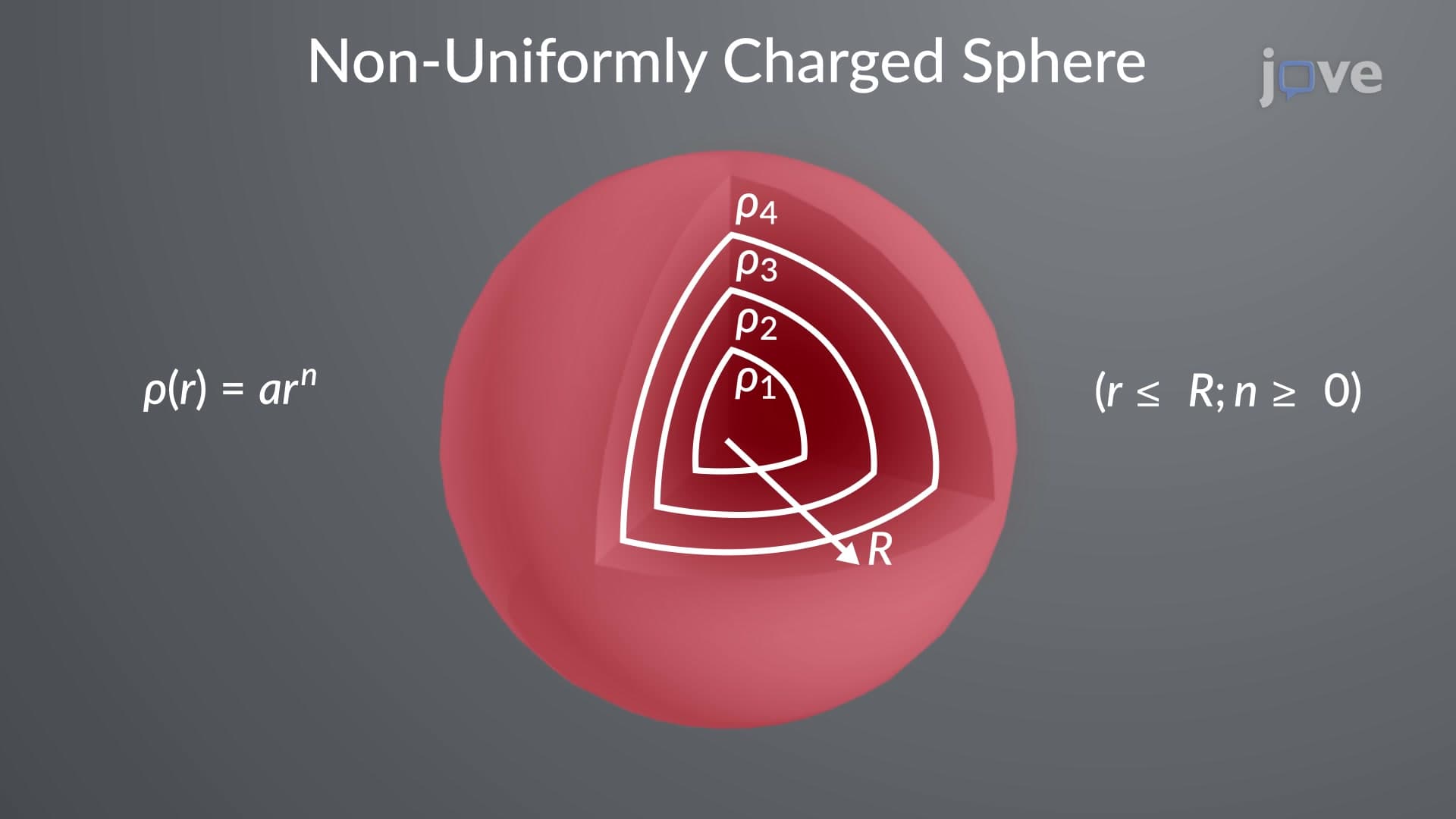
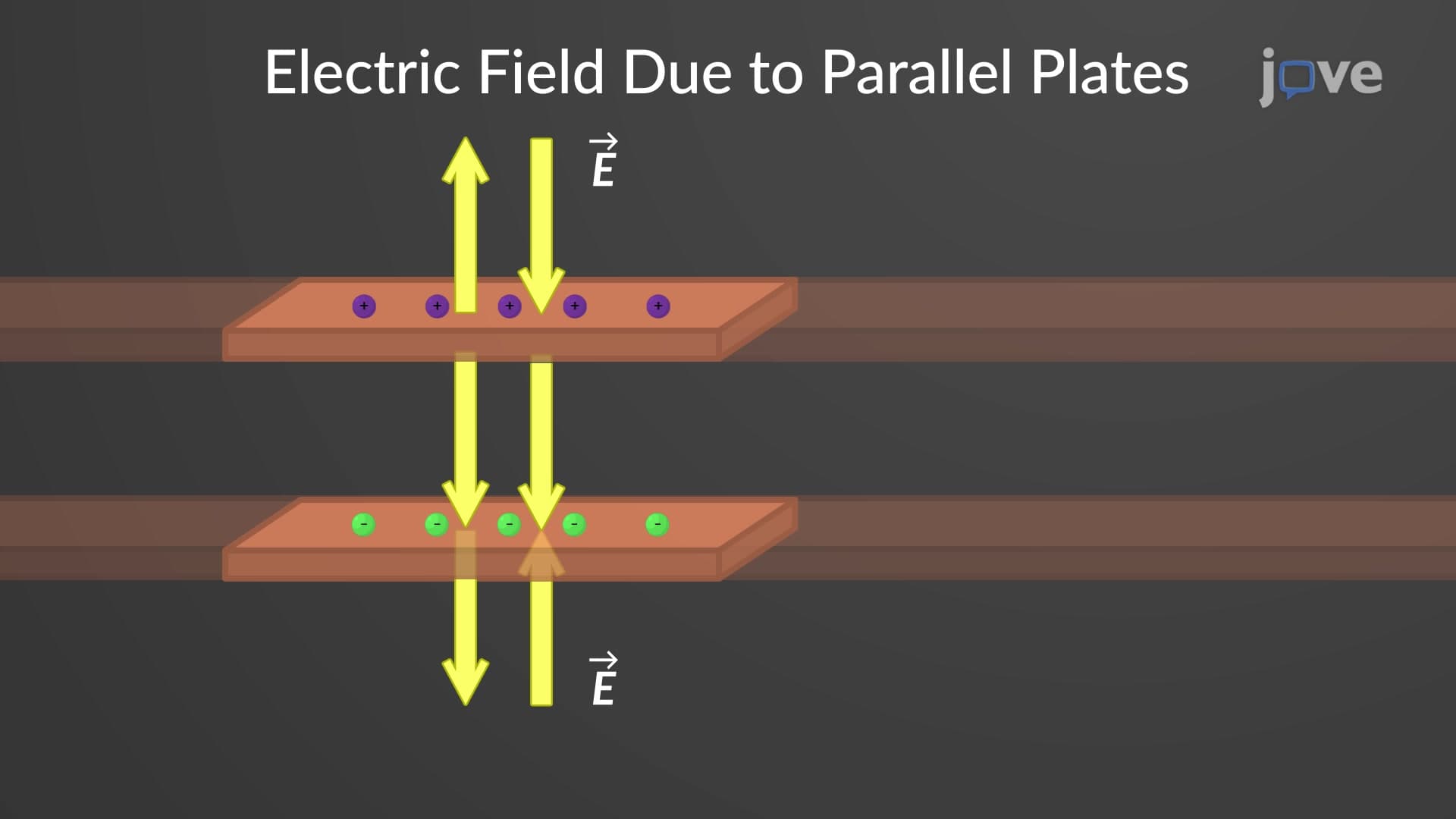
When multiple charges exist within a system, the principle of superposition allows us to calculate total electric flux by algebraically summing individual charge contributions. This approach becomes particularly powerful when analyzing continuous charge distributions like charged rods, sheets, or spheres. MIT and Stanford physics courses emphasize this methodology because it bridges the gap between discrete point charges and real-world applications involving distributed charge systems.
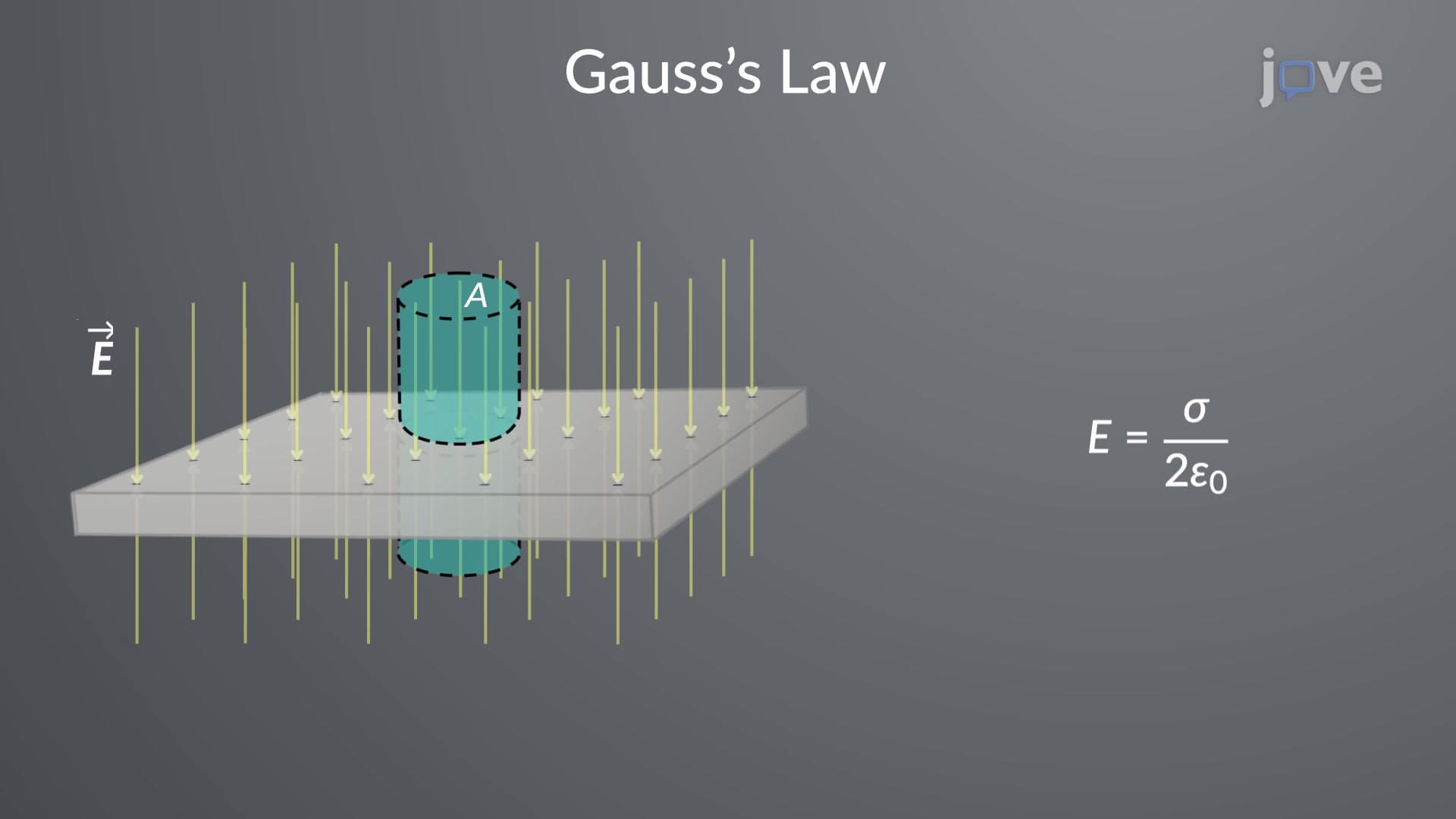
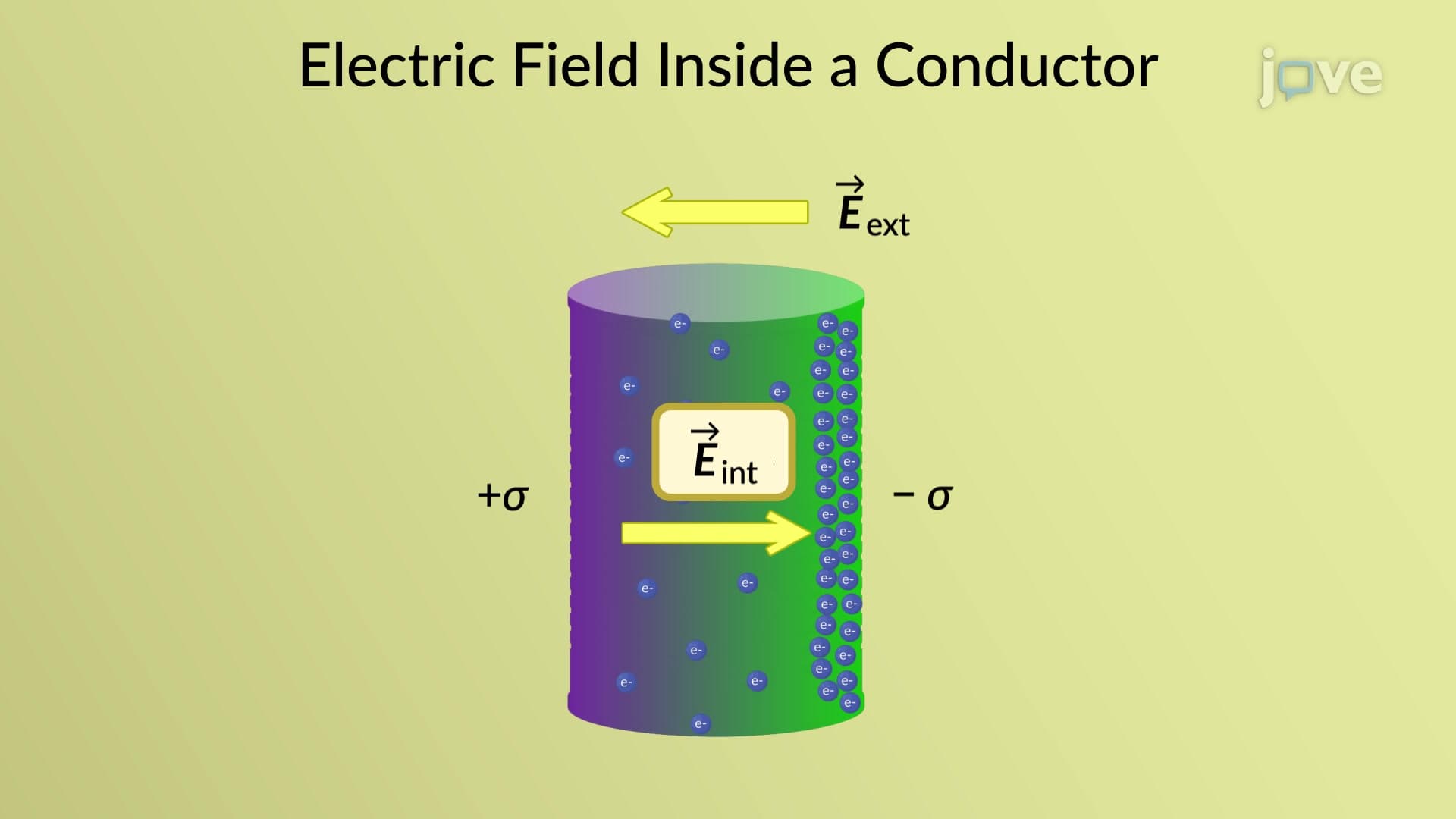
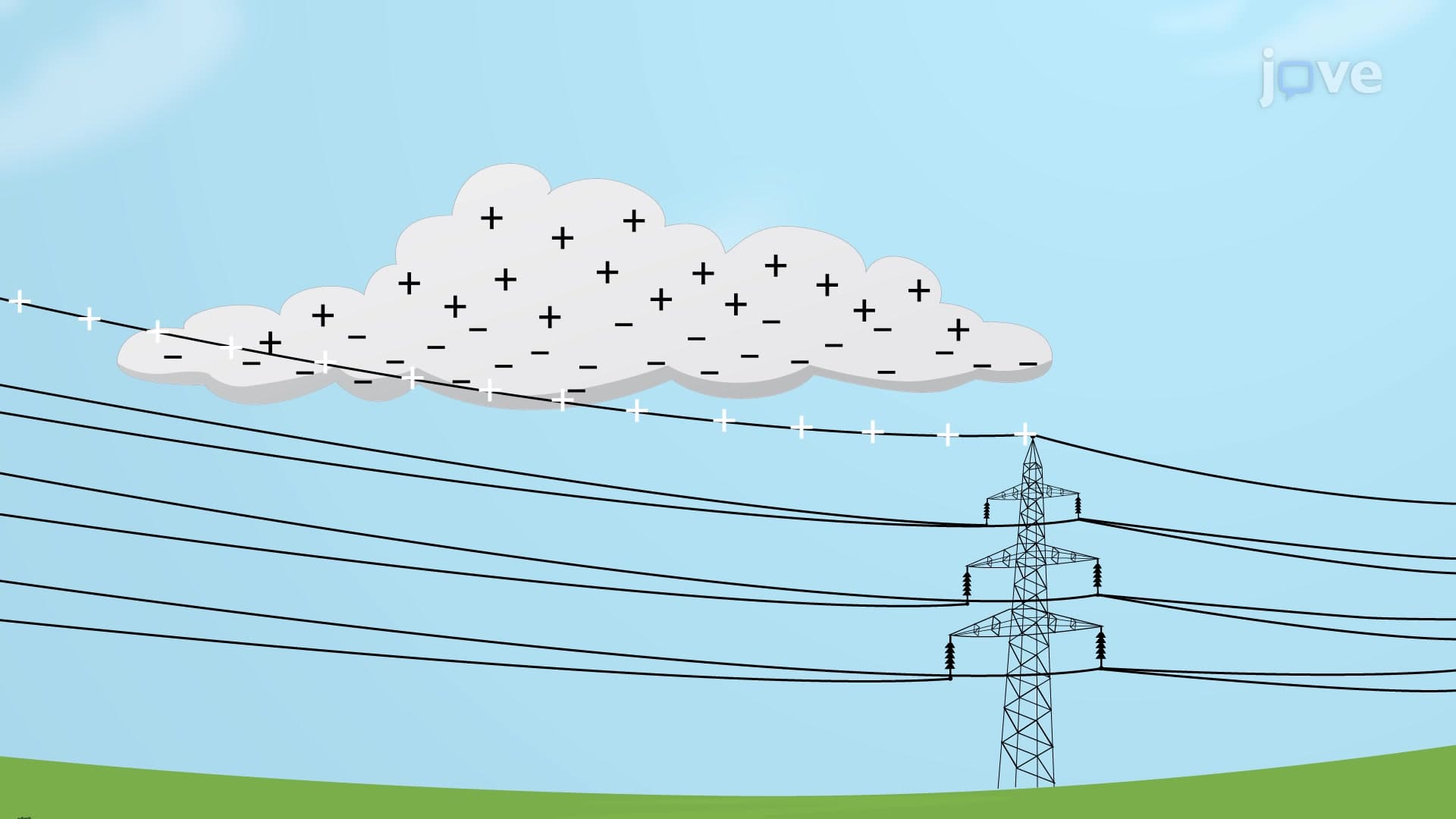
Gauss's law appears extensively in standardized exams, from SAT Subject Tests to MCAT physics sections. Students encounter problems involving conducting spheres, infinite charged planes, and cylindrical conductors. Understanding this concept proves essential for engineering applications like designing electromagnetic shielding for medical devices at Mayo Clinic or creating electrostatic precipitators for air pollution control in industrial facilities. The law also explains why passengers remain safe inside metal aircraft during lightning strikes-a phenomenon called a Faraday cage that relies directly on Gaussian surface principles.
Related Micro-courses