Loading subject page…


75,401 views

Video Summary: What Is Calculation of Electric Flux
Ever wonder how electric fields interact with surfaces around charged objects? The calculation of electric flux reveals the invisible "flow" of electric field lines through any given surface. Picture the electric field around a smartphone's battery creating flux patterns through its protective casing. This fundamental concept helps engineers design everything from capacitors in Tesla vehicles to the touch screens on your iPad. Watch the full video on JoVE Coach to master this concept with expert-led visuals and step-by-step explanations.
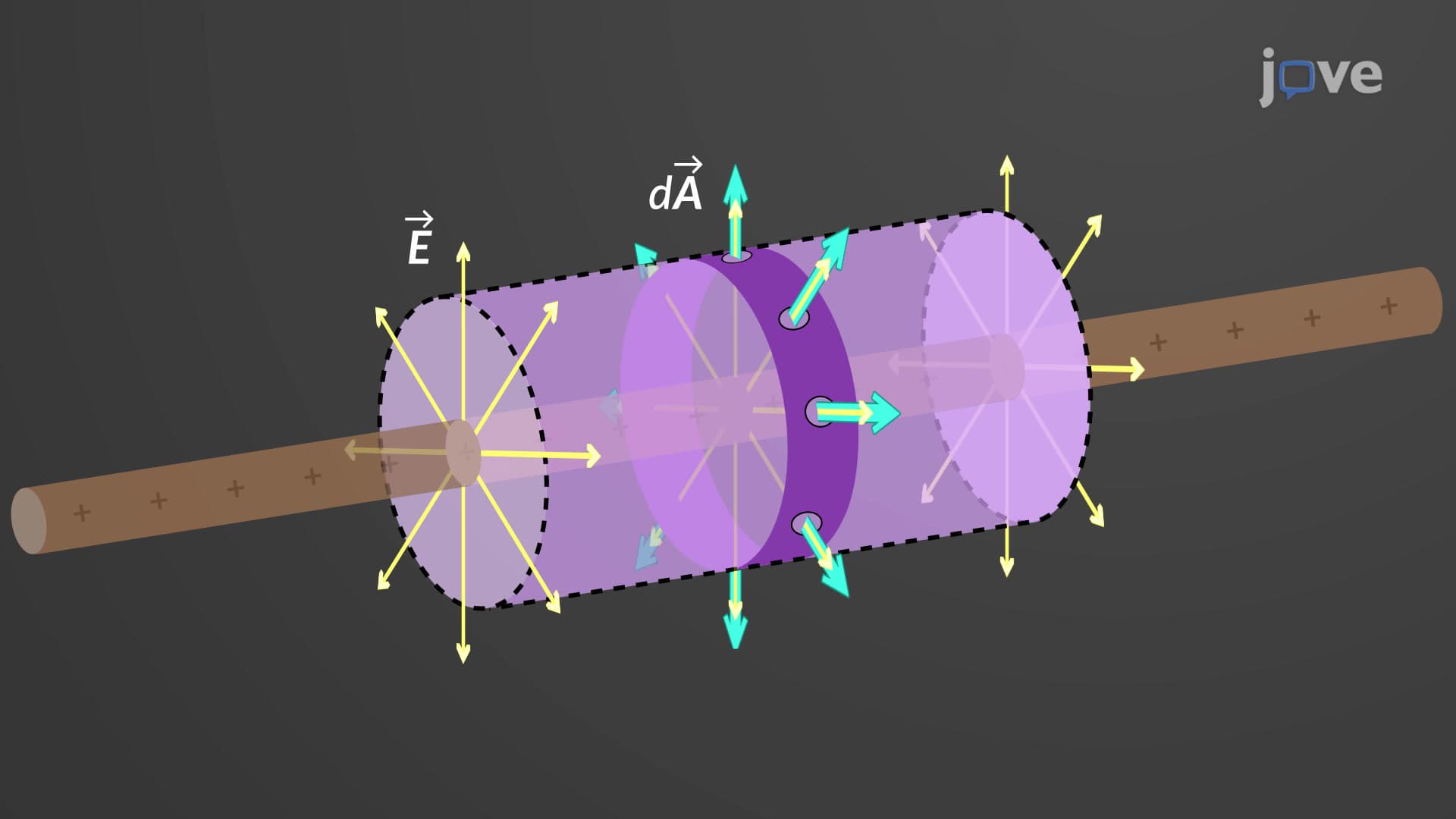
The calculation of electric flux forms a cornerstone of electrostatics, measuring how electric field lines penetrate through a given surface. Think of flux as the "amount" of electric field passing through an area - similar to measuring water flow through a net. This concept proves essential for AP Physics students and appears frequently on college entrance exams like the SAT Subject Tests.
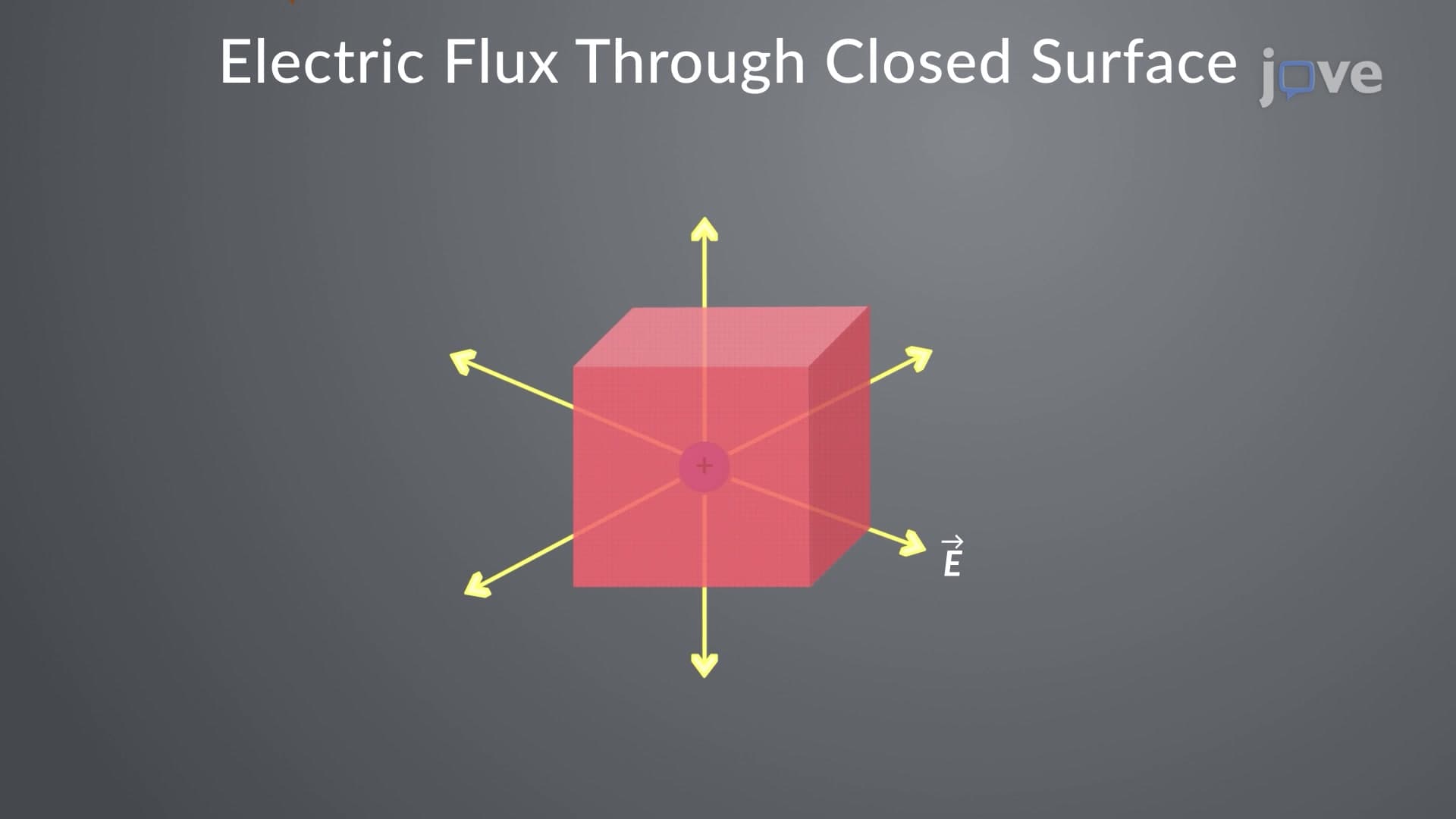
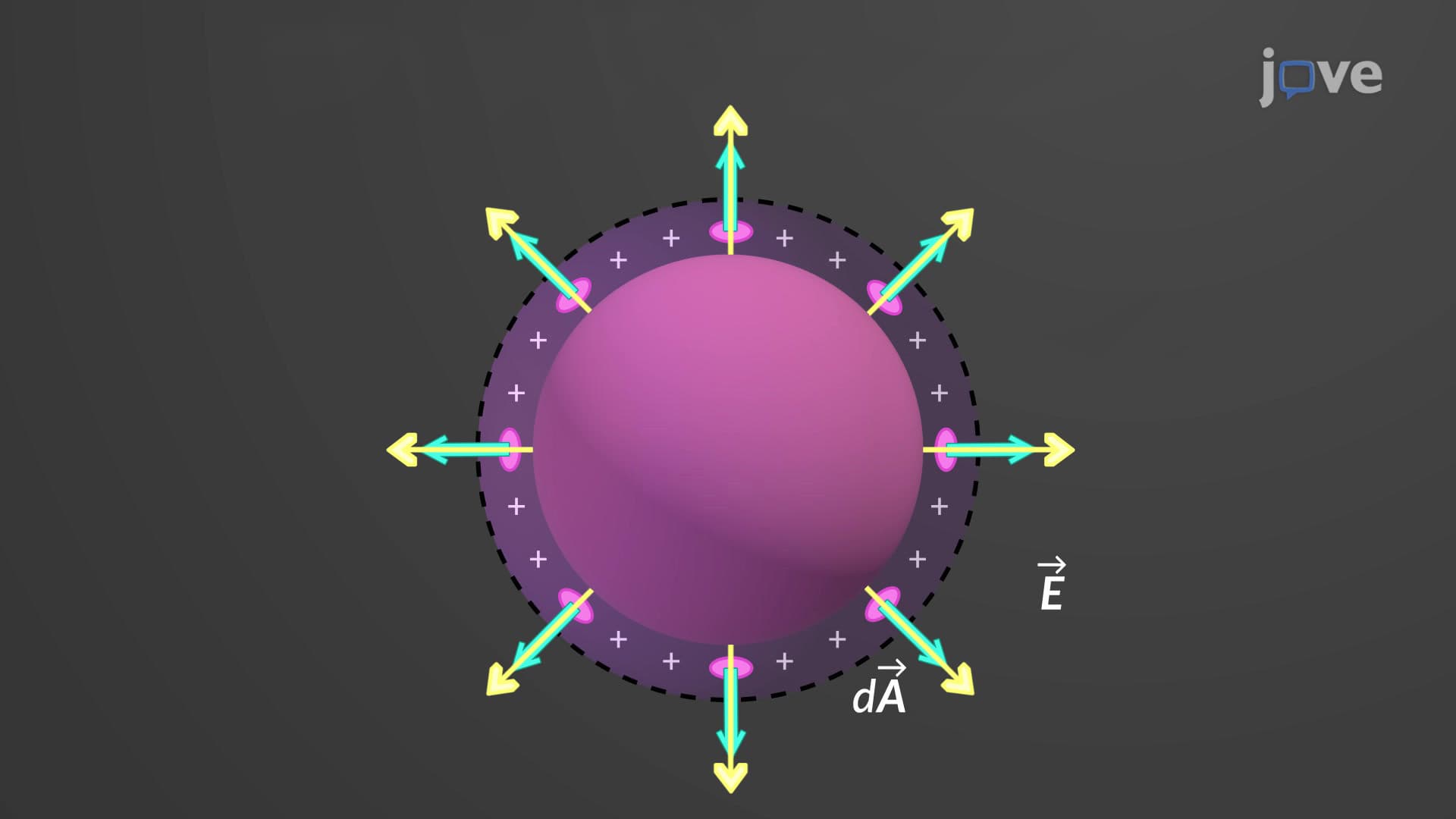
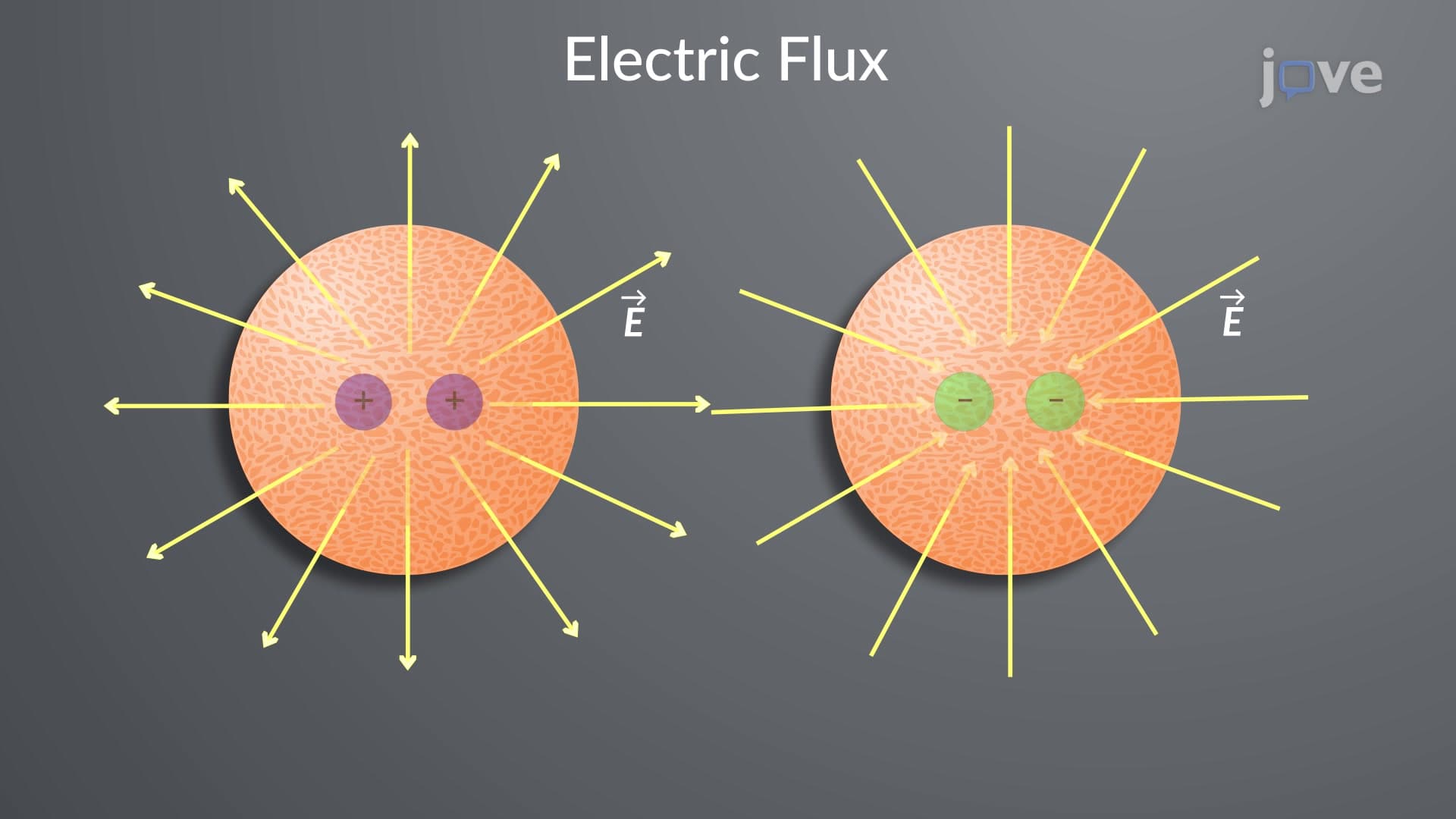
Electric flux (Φ) equals the electric field (E) multiplied by the surface area (A) and the cosine of the angle between them: Φ = E × A × cos(θ). When field lines run perpendicular to a surface (θ = 0°), flux reaches its maximum value. For a point charge Q enclosed by a spherical surface, the electric field magnitude equals E = kQ/r², where k represents Coulomb's constant (8.99 × 10⁹ N⋅m²/C²).
Engineers at companies like General Electric use flux calculations to design high-voltage transmission systems across the United States. The concept helps determine field strength around power lines, ensuring safe distances for residential areas. In semiconductor manufacturing, companies like Intel apply these principles when creating microprocessors, where precise electric field control enables transistor functionality.
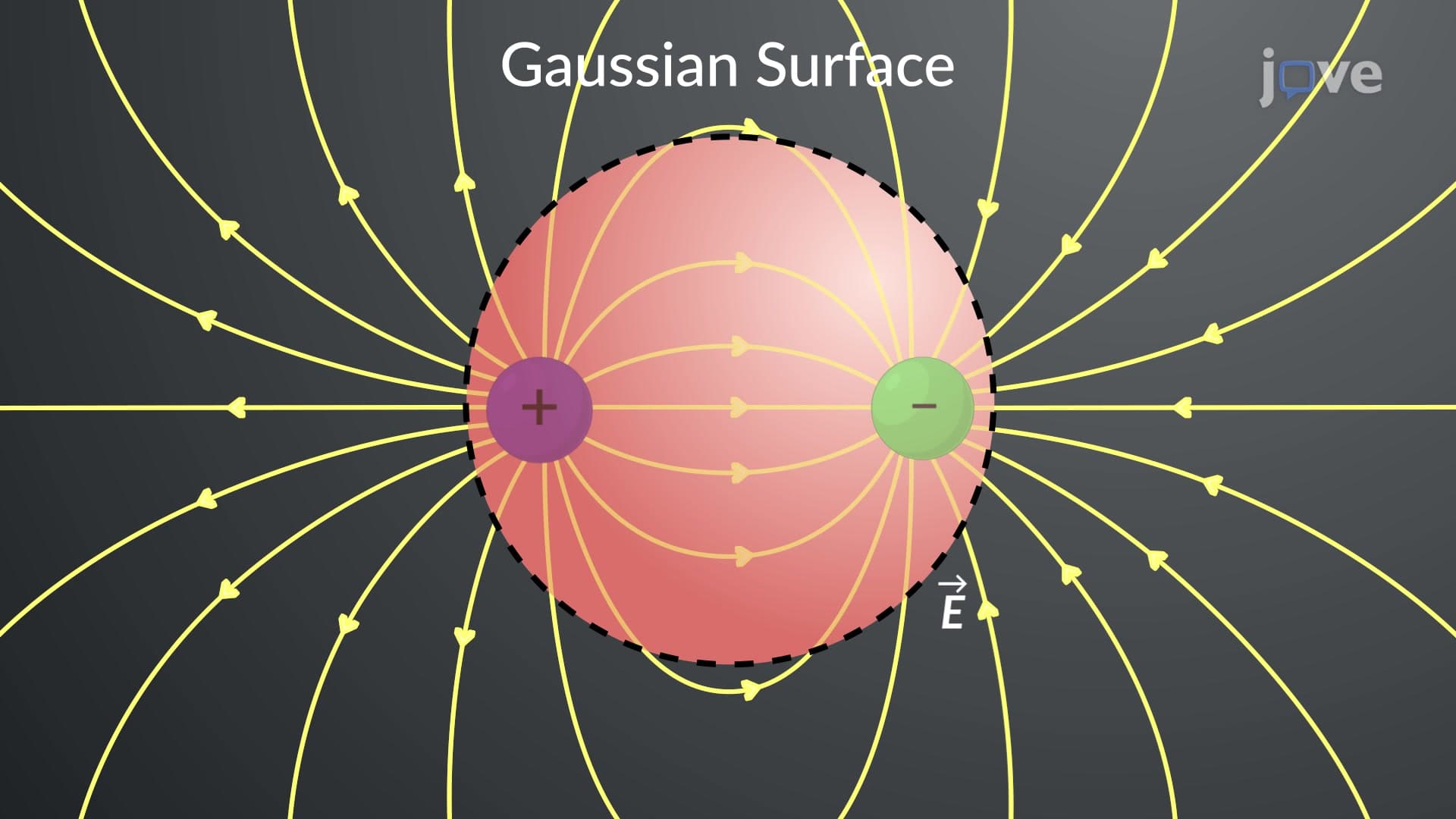
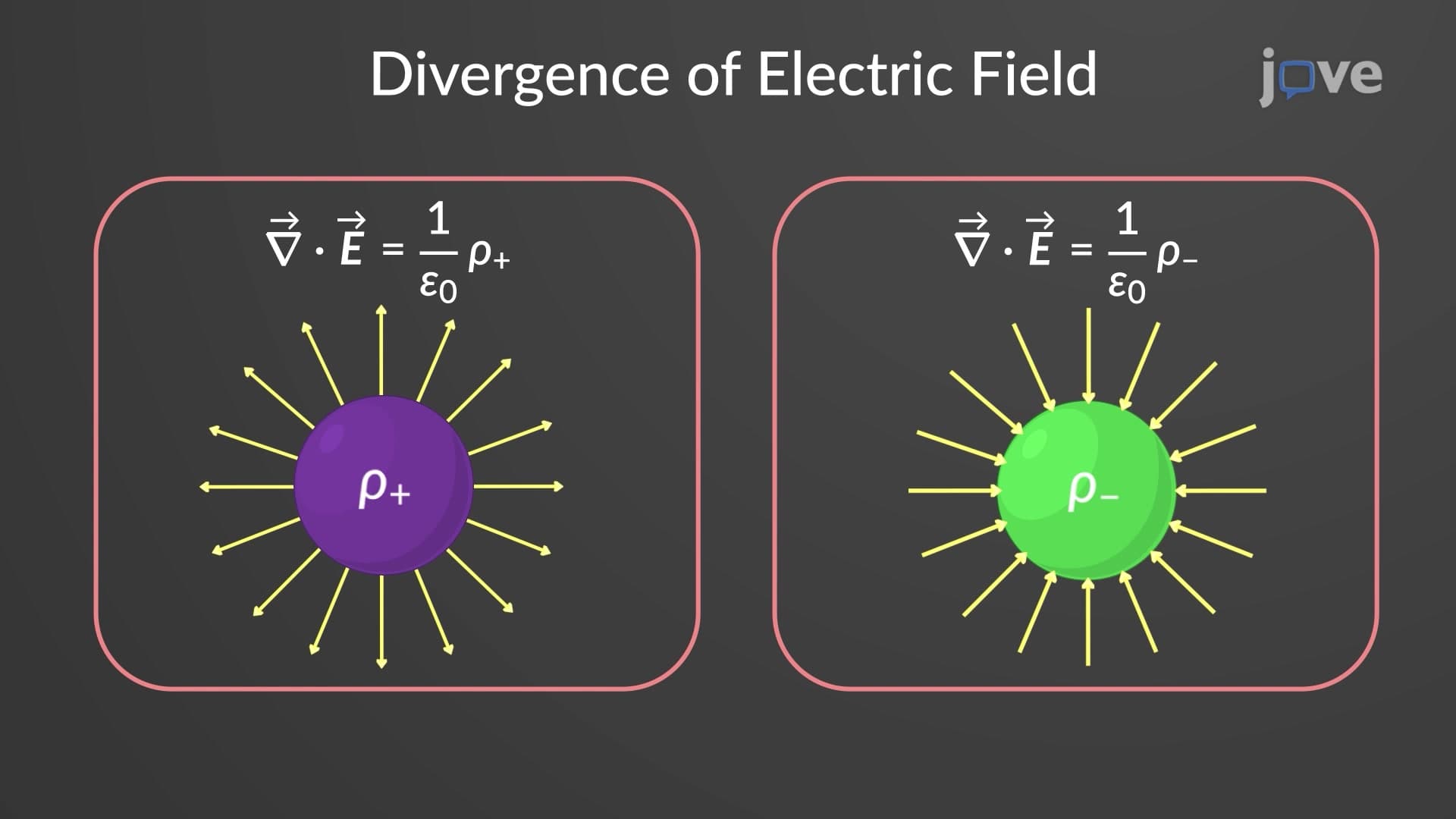
On standardized tests like the AP Physics C exam, flux problems typically involve spherical Gaussian surfaces around point charges. Students should remember that flux depends only on enclosed charge - doubling the charge doubles the flux, regardless of surface size. For MCAT preparation, focus on conceptual understanding: positive charges create outward flux, negative charges create inward flux, and neutral regions yield zero net flux.
The calculation becomes straightforward when recognizing that for spherical surfaces around point charges, the electric field remains constant in magnitude across the entire surface, simplifying integration to basic multiplication. This principle appears in college physics courses nationwide, from MIT's introductory sequences to state university curricula.
Related Micro-courses