Loading subject page…

- Physics
- Gauss's Law
- Electric Flux
Micro-course: Gauss's Law
75,401 views
Learn key concepts and earn your certificate.






Electric Flux

00:00
01:15
Video Summary: What Is Electric Flux
Ever wonder why your TV screen attracts dust particles or how lightning rods protect buildings? The answer lies in electric flux, the measure of electric field lines passing through a surface. Picture the invisible electric field around a charged balloon after rubbing it on your hair-electric flux quantifies how many of those field lines penetrate through any given area. From the design of capacitors in smartphones to the physics behind MRI machines at hospitals like Mayo Clinic, understanding what is electric flux helps explain countless electromagnetic phenomena in our daily lives. Watch the full video on JoVE Coach to master this concept with expert-led visuals and step-by-step explanations.
- Understand what is electric flux and its fundamental definition as the measure of electric field lines penetrating a surface area
- Identify the mathematical relationship between electric field strength, surface area, and the angle between field lines and surface normal
- Analyze how electric flux differs for open versus closed surfaces and recognize the significance of Gauss's law applications
- Apply the dot product formula to calculate electric flux through various geometric surfaces in physics problems
- Evaluate whether electric flux is positive or negative based on field line direction and charge distribution
- Compare electric flux behavior around positive and negative point charges in different configurations
- Recognize real-world applications of electric flux in capacitor design, electromagnetic shielding, and electrical safety systems
- Explore the connection between electric flux and fundamental electromagnetic principles used in modern technology
Understanding What is Electric Flux: Core Definition
What is electric flux represents one of the most fundamental concepts in electromagnetism, serving as a bridge between abstract electric field theory and practical applications. At its essence, electric flux measures how much electric field "flows" through a given surface, similar to how water flux measures liquid flow through a pipe opening. The concept becomes crucial when analyzing everything from the operation of touch screens to the design of electromagnetic interference (EMI) shielding in medical devices used across US hospitals.
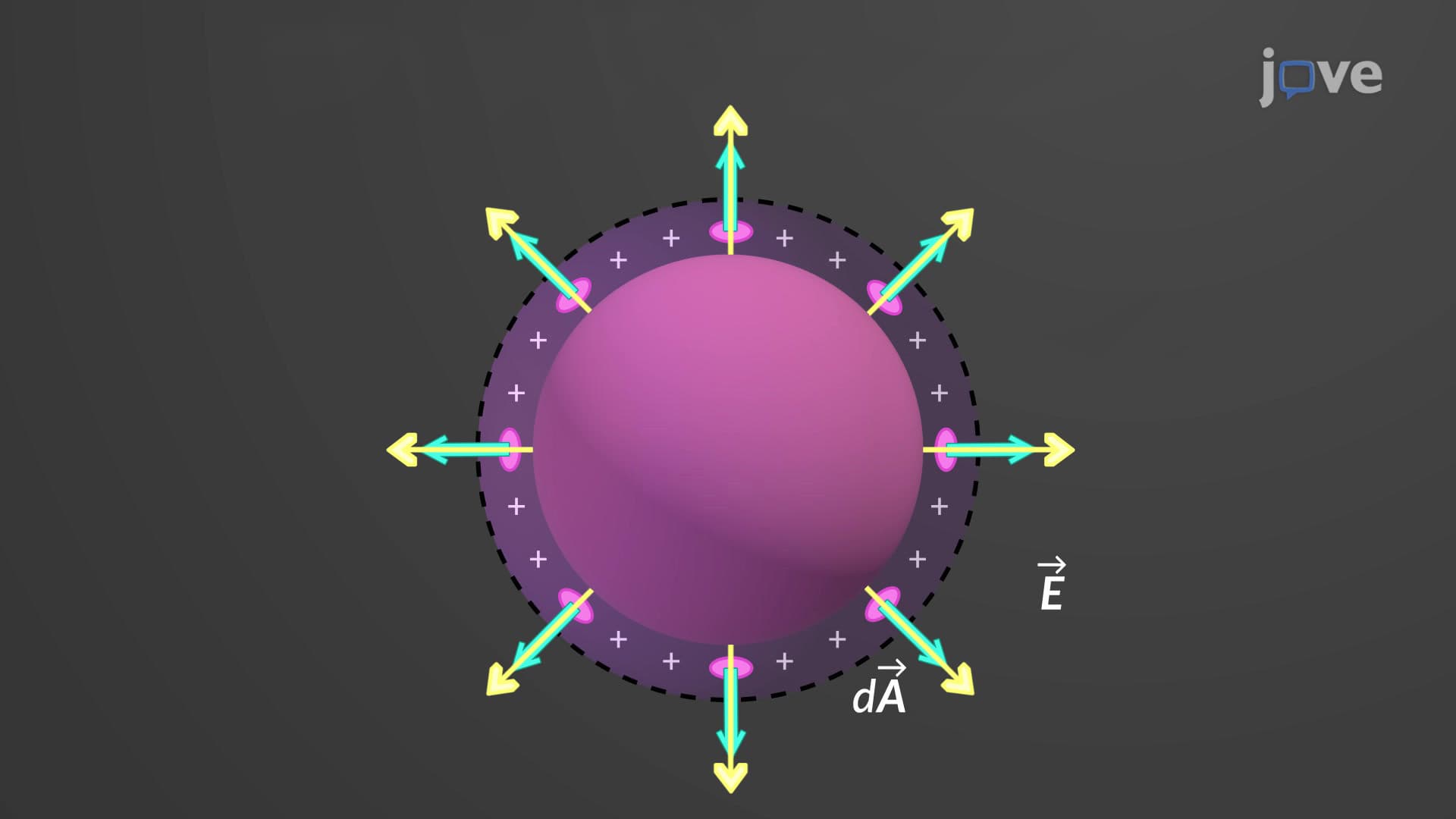
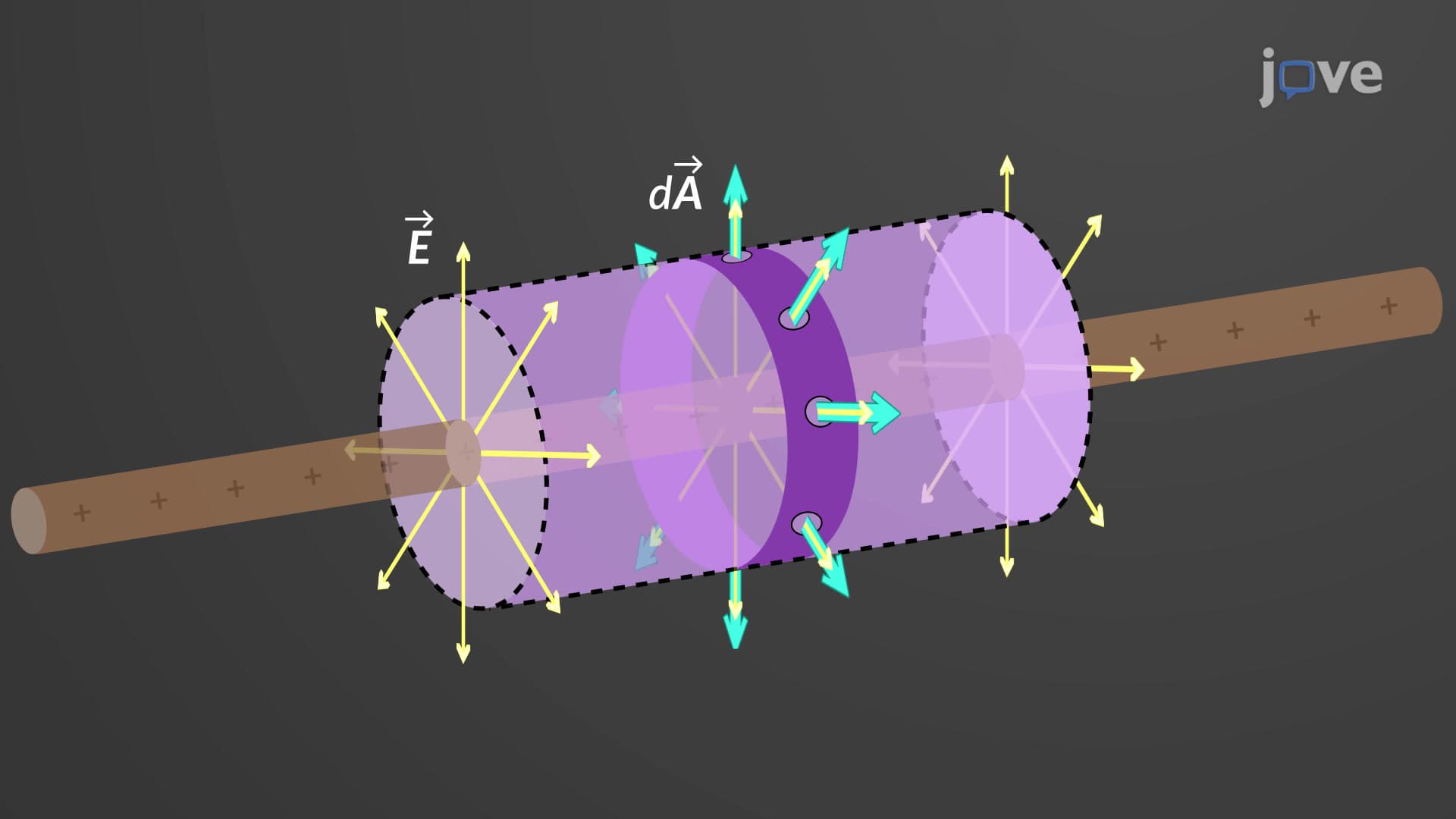
The mathematical foundation rests on the dot product between the electric field vector E and the area vector dA, integrated over the entire surface: Φ = ∫ E · dA. This seemingly simple equation captures profound physics, as it quantifies the relationship between field strength, surface orientation, and the resulting flux measurement.
Electric Field Lines and Surface Interactions
Electric field lines provide the visual framework for understanding flux behavior. When field lines pass perpendicularly through a surface, maximum flux occurs. However, when lines run parallel to a surface, zero flux results-explaining why Faraday cages protect sensitive electronics in research facilities like those at MIT or Stanford University.
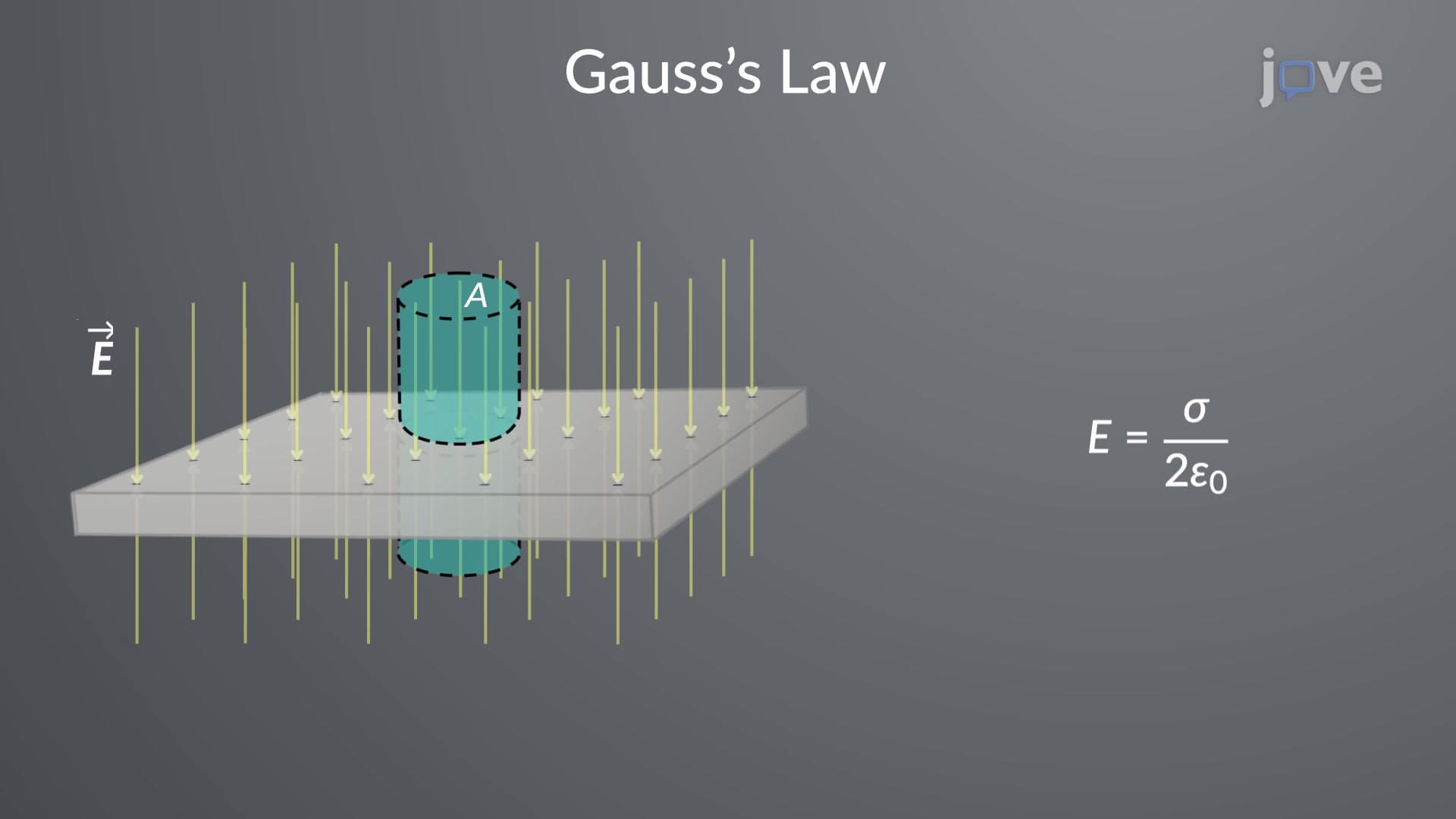
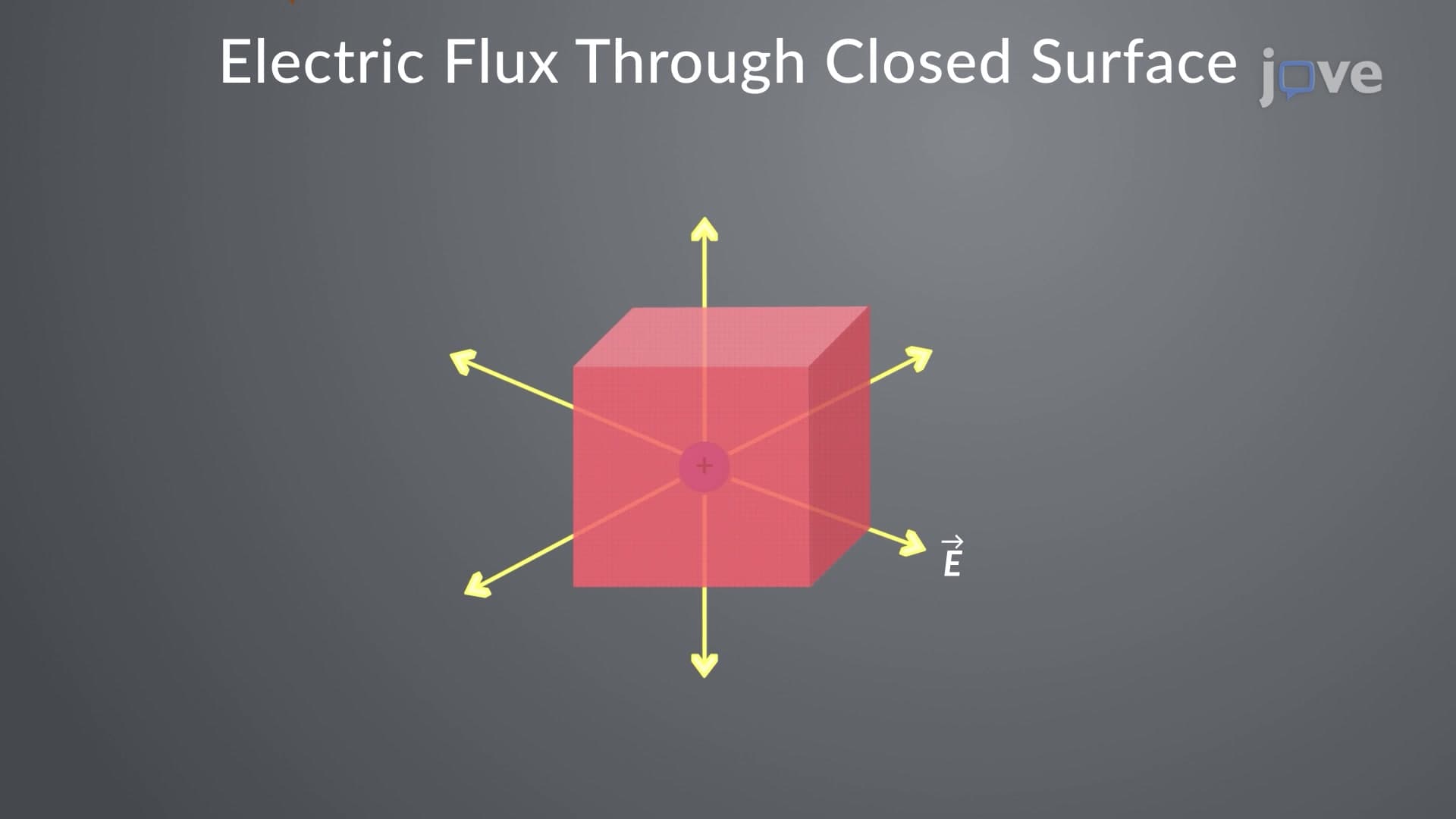
For closed surfaces, the mathematics becomes even more elegant through Gauss's law, which states that total electric flux through any closed surface equals the enclosed charge divided by the permittivity of free space (ε₀). This principle underlies the operation of Van de Graaff generators commonly found in US science museums and university physics demonstrations.
Sign Conventions and Physical Interpretation
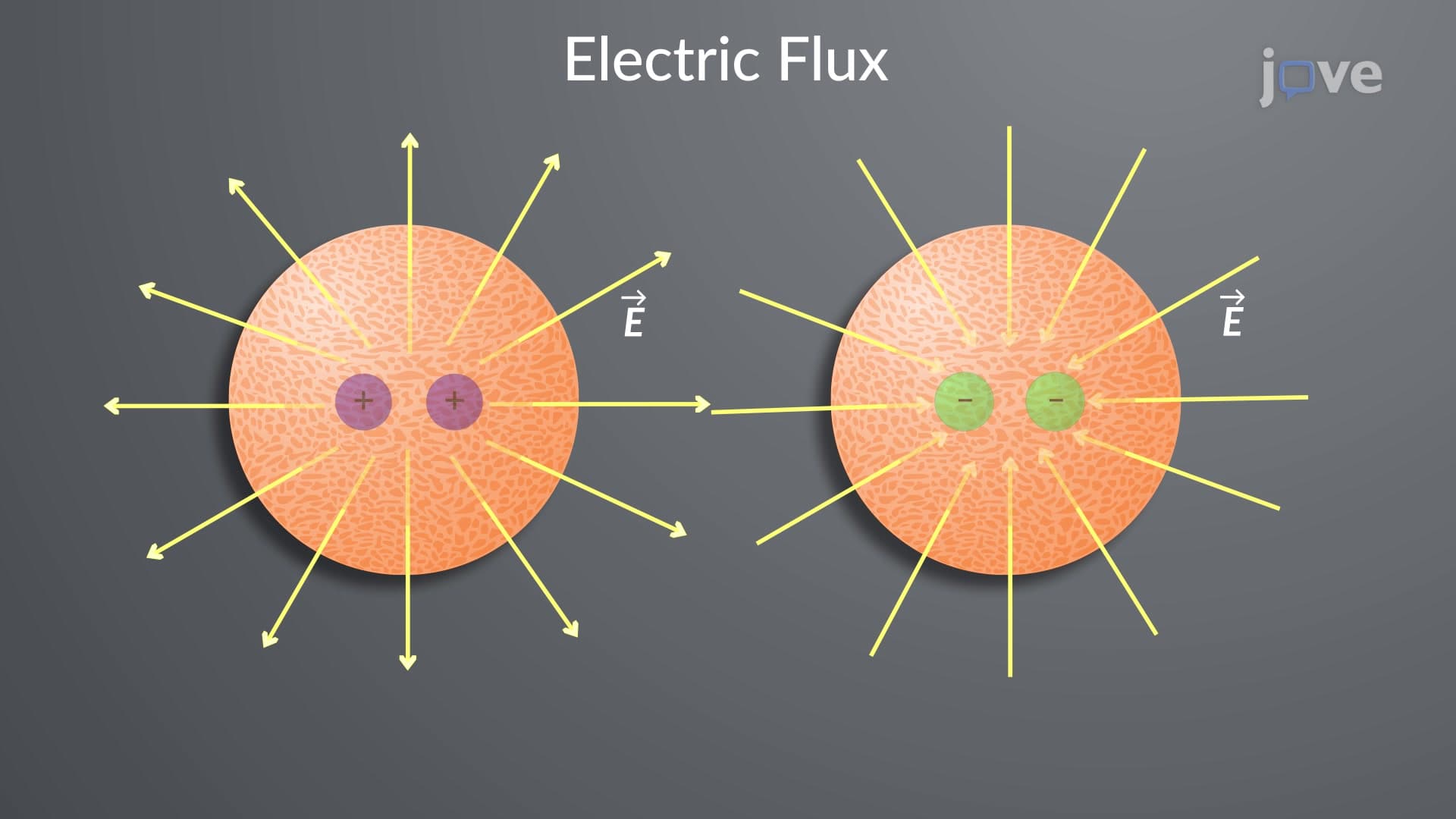
Electric flux carries important directional information through its positive or negative values. By convention, flux is positive when field lines exit a closed surface (outward flux) and negative when they enter (inward flux). This sign convention proves essential when analyzing charge distributions in AP Physics C problems or undergraduate electromagnetism courses.
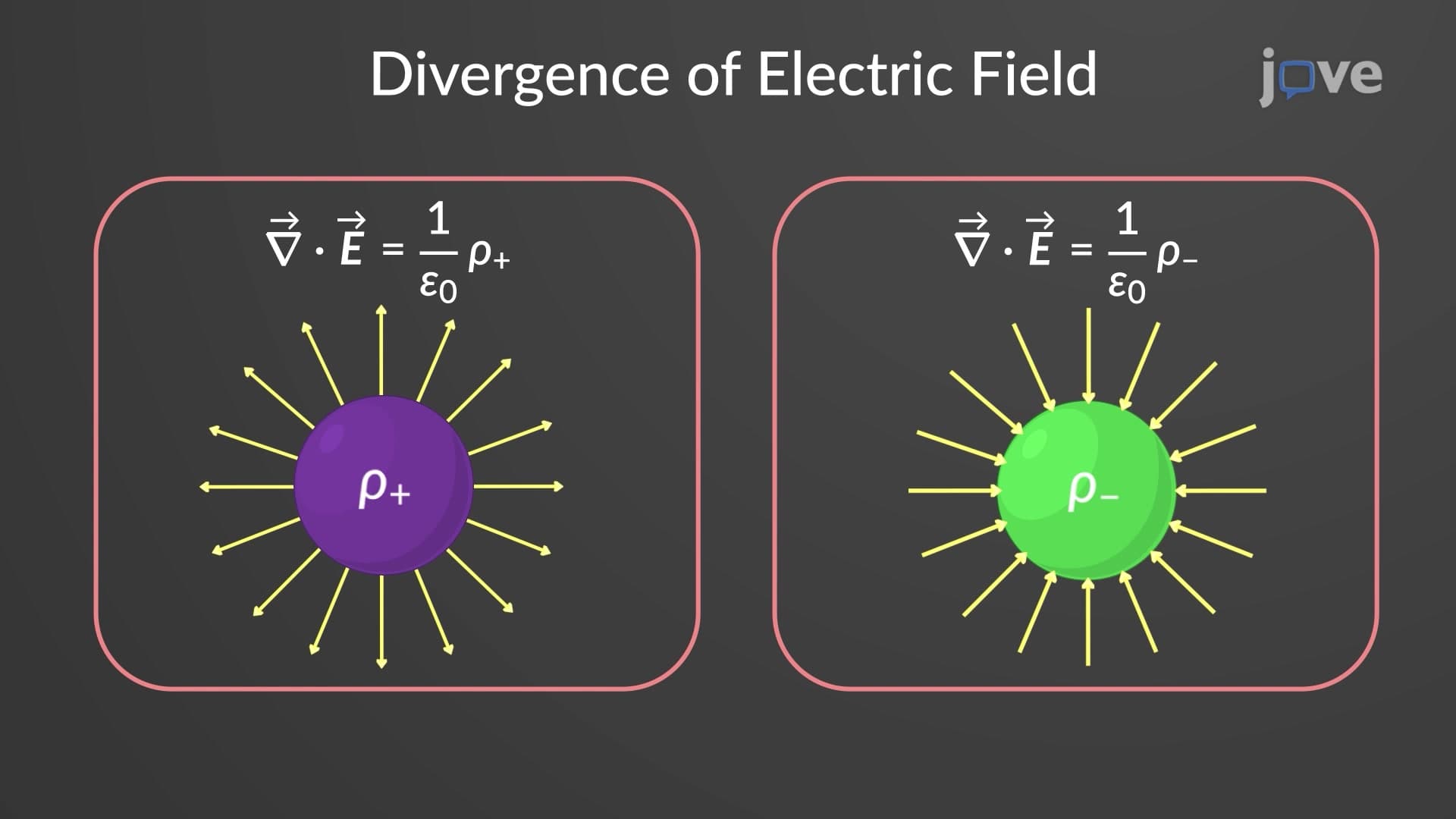
Consider a spherical surface surrounding a positive point charge: all field lines radiate outward, creating uniformly positive flux. Conversely, field lines converge inward toward a negative charge, producing negative flux values. This behavior explains fundamental phenomena in capacitor operation, where opposing charges on parallel plates create predictable flux patterns.
Applications in Modern Technology and Exam Contexts
Electric flux concepts appear extensively in standardized testing, from SAT Subject Test Physics to MCAT Physical Sciences sections. Students encounter flux calculations involving parallel-plate capacitors, spherical charge distributions, and electromagnetic field mapping exercises.
Real-world applications span numerous industries: aerospace engineers at companies like Boeing use flux analysis for lightning protection systems, while biomedical device manufacturers apply these principles in designing MRI-compatible equipment. The concept also underlies touch screen technology, where finger proximity alters local electric fields and creates measurable flux changes that register as user input.
Frequently Asked Questions
Electric flux measures how many invisible electric field lines pass through a surface area, like counting arrows shooting through a target. It depends on field strength, surface size, and the angle between field lines and the surface. Think of it as the "electric flow" through any given area.
For AP Physics C, electric flux equals the dot product of electric field and area vector, integrated over a surface: Φ = ∫ E·dA. You'll calculate flux through various geometric shapes and apply Gauss's law to find electric fields around symmetric charge distributions. Focus on sign conventions and units (N·m²/C).
MCAT questions typically test conceptual understanding rather than complex calculations, focusing on flux direction, Gauss's law applications, and relationships between charge distributions and field patterns. Practice identifying when flux equals zero and interpreting flux sign changes in biological contexts like nerve conduction.
Touch screens on smartphones detect finger position through flux changes, while microwave ovens use electromagnetic field containment principles. Lightning rods on buildings like the Empire State Building redirect electric flux safely to ground, and anti-static wrist straps used in electronics manufacturing control flux to prevent component damage.
Basic vector concepts and elementary calculus suffice for introductory electric flux problems. High school students can master fundamental principles using algebraic approaches, while calculus becomes essential only for advanced applications involving complex surface geometries or non-uniform field distributions.
Start with symmetric geometries like spheres and cylinders where Gauss's law simplifies calculations dramatically. Practice visualizing field line patterns, work through progressively complex surface shapes, and always verify that your flux signs match physical expectations based on charge locations.
Electric potential and potential energy follow naturally from flux concepts, leading into capacitance, electric potential difference, and energy storage in electric fields. These form the foundation for understanding circuit analysis, electromagnetic induction, and advanced electromagnetism topics in upper-level physics courses.
Electric flux serves as an intermediate-level concept that bridges basic electric field understanding with advanced electromagnetic theory. Most students find it more accessible than magnetic flux or electromagnetic induction, making it an excellent stepping stone toward mastering Maxwell's equations and electromagnetic wave propagation.
Related Micro-courses