Loading video…




Did you know that the Boeing 737 aircraft relies on the same physics principle that keeps Earth spinning steadily through space? A gyroscope is a spinning wheel device that maintains its orientation using conservation of angular momentum, making it essential for navigation in everything from smartphones to NASA spacecraft. This fascinating instrument demonstrates two key properties—rigidity in space and precession—that help pilots navigate safely across American skies. Watch the full video on JoVE Coach to master this concept with expert-led visuals and step-by-step explanations.
- Understand what is gyroscope and how its spinning wheel mechanism operates based on conservation of angular momentum
- Identify the two fundamental properties of gyroscopes: rigidity in space and precession behavior
- Analyze how gyroscopic rigidity allows the device to maintain its spin direction regardless of external orientation changes
- Compare precession effects when forces are applied perpendicular to a gyroscope's rotational plane
- Evaluate real-world applications of gyroscopes in aircraft navigation systems and heading indicators
- Apply gyroscopic principles to explain Earth's rotational stability and axis maintenance
- Recognize the relationship between angular momentum conservation and gyroscopic behavior
- Explore how external torques influence gyroscopic motion and orientation changes
What is Gyroscope: Fundamental Principles
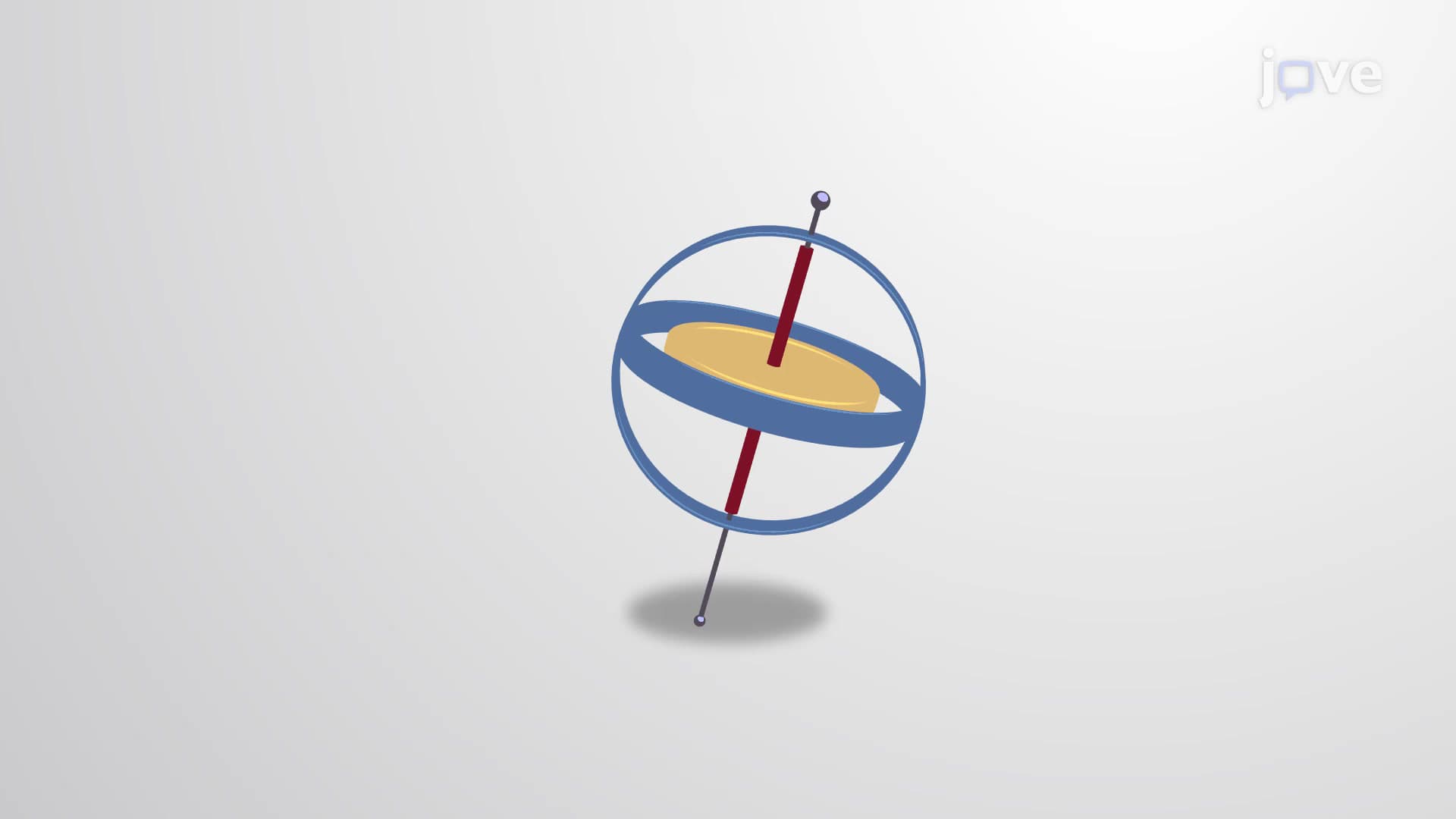
A gyroscope represents one of physics' most elegant demonstrations of angular momentum conservation. This mechanical marvel consists of a rapidly spinning wheel or rotor mounted within a framework of rings called gimbals, allowing the spinning mass to maintain its orientation regardless of how the supporting structure moves. The gyroscope definition centers on its ability to resist changes in its axis of rotation, making it invaluable for navigation and stabilization applications.
Conservation of Angular Momentum in Gyroscopes
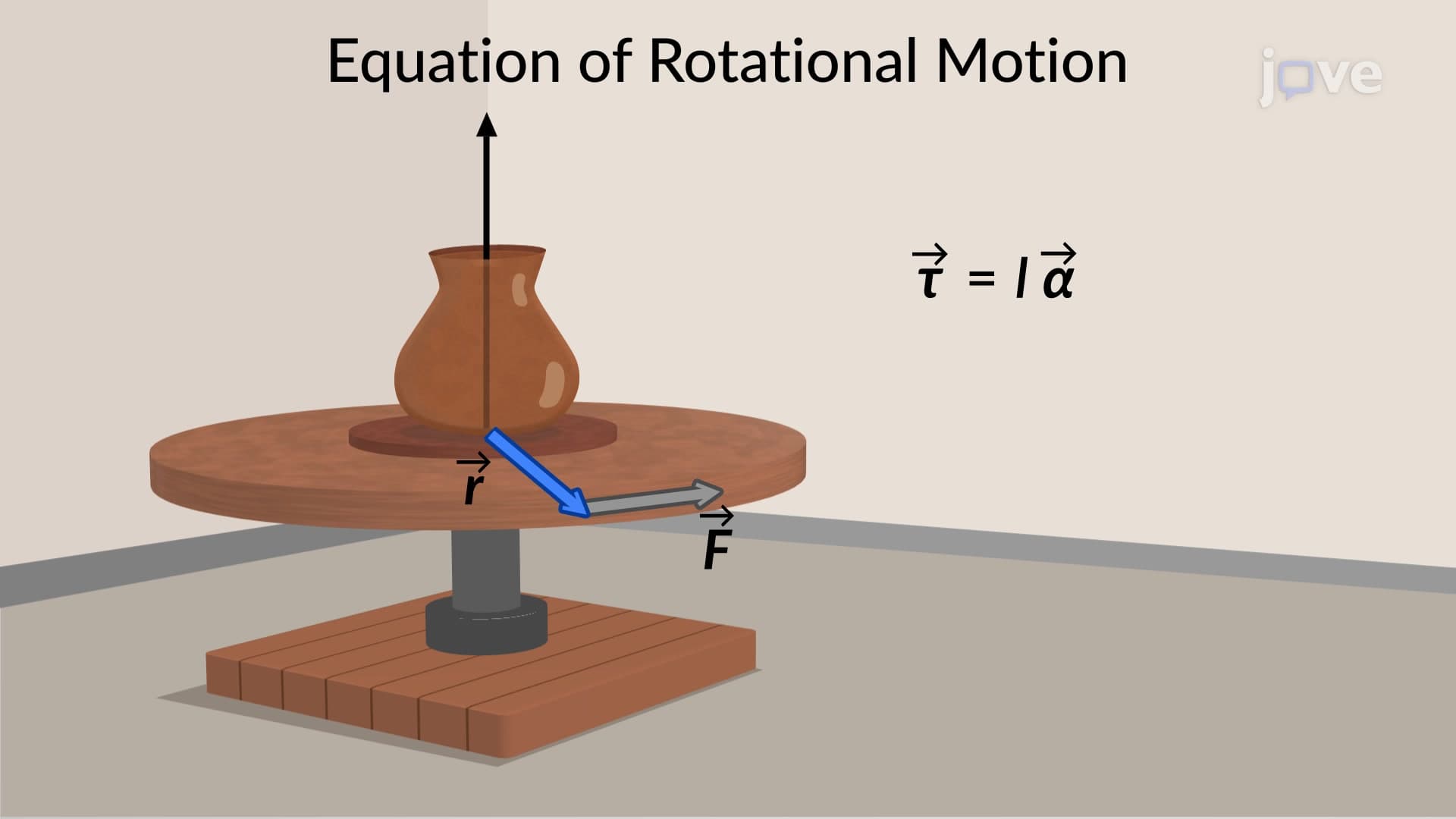
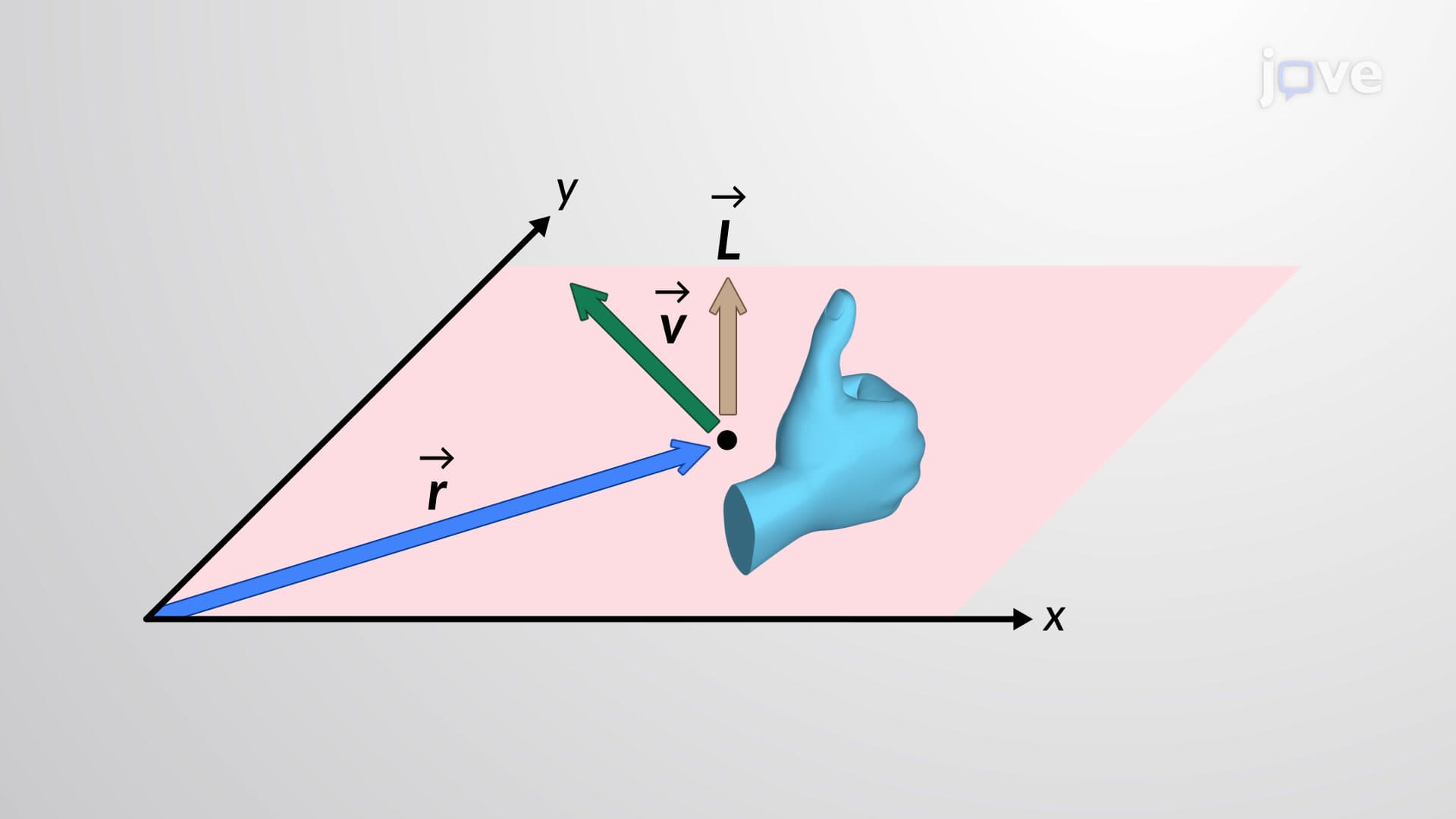
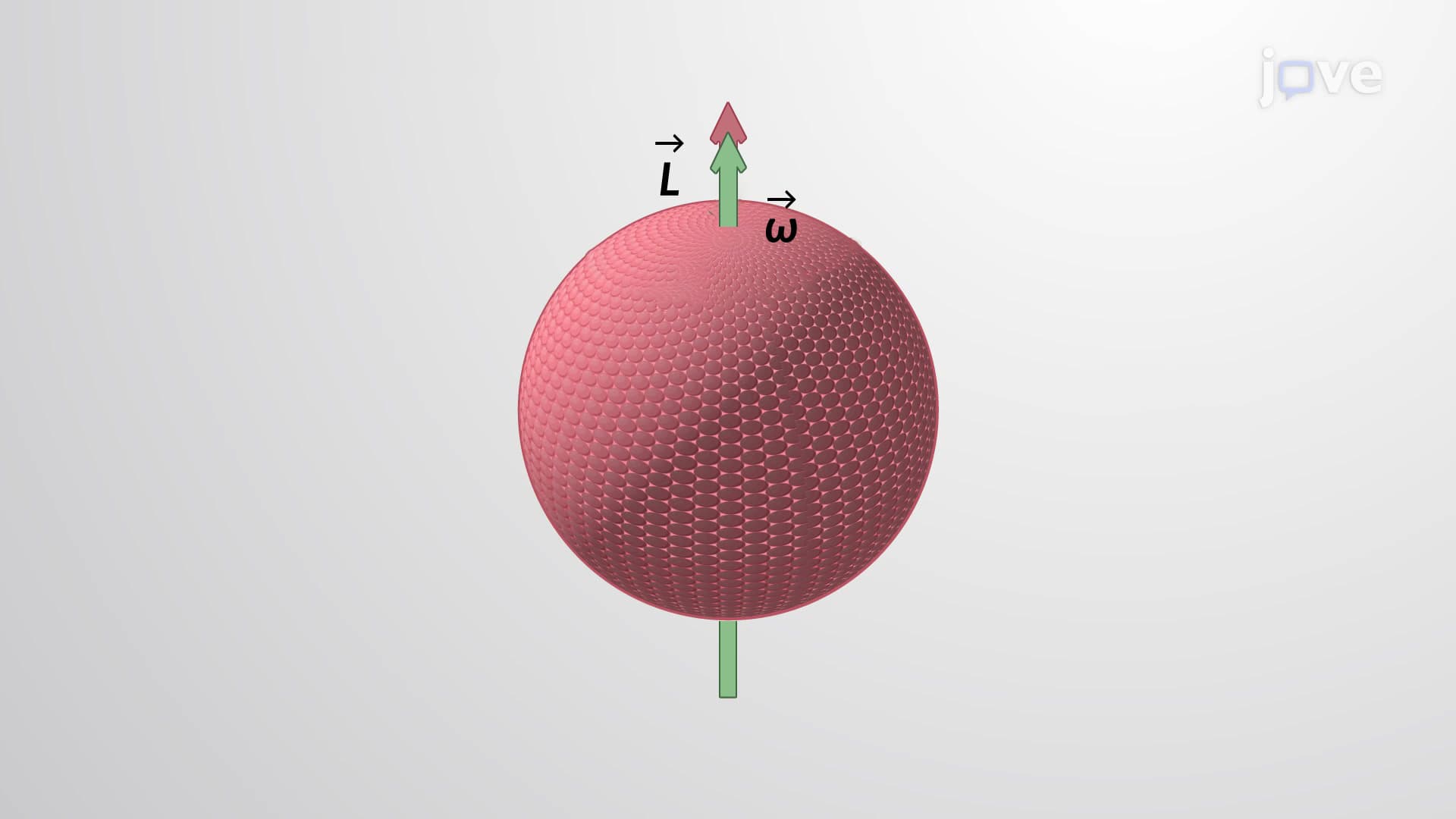
When exploring what is gyroscope in detail, we must understand that its behavior stems from a fundamental physics principle. Angular momentum (L = Iω, where I is moment of inertia and ω is angular velocity) remains constant in the absence of external torques. This gyroscope concept explains why a spinning bicycle wheel becomes difficult to tilt—the same principle that makes gyroscopes so reliable for navigation.
American students preparing for AP Physics exams frequently encounter problems involving gyroscopic motion. The Massachusetts Institute of Technology's introductory physics courses emphasize how this gyroscope overview connects rotational dynamics to real-world applications, from the Hubble Space Telescope's pointing system to automotive stability control.
Rigidity and Precession: Core Gyroscopic Properties
Gyroscope basics include understanding two critical behaviors. Rigidity in space means the spinning axis maintains its direction relative to inertial space—imagine Earth's axis pointing toward Polaris despite our planet's orbital motion. This property makes gyroscopes excellent reference points for navigation systems.
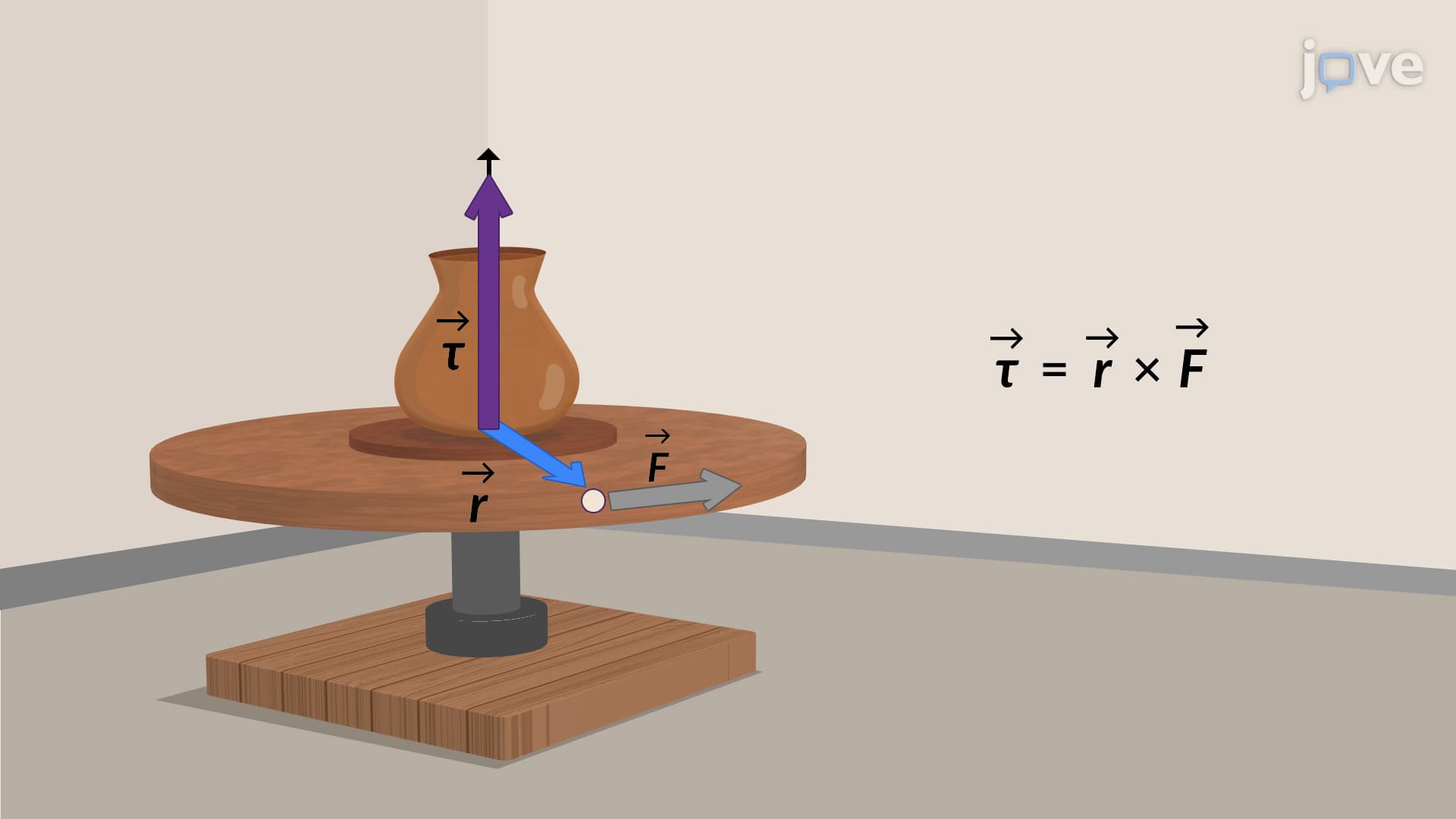
Precession occurs when external forces act perpendicular to the spin axis. Rather than tilting immediately, the gyroscope rotates around a different axis—a counterintuitive response that challenges students' initial understanding. NASA's astronaut training programs at Johnson Space Center in Houston extensively use this principle for spacecraft attitude control.
Real-World Applications and Exam Relevance
This gyroscope study guide content appears regularly in SAT Subject Tests and college physics midterms. Boeing and Lockheed Martin engineers rely on ring laser gyroscopes for precise aircraft navigation, while consumer electronics integrate micro-electromechanical system (MEMS) gyroscopes in smartphones for screen rotation and gaming applications.
Understanding gyroscope principles proves essential for students pursuing aerospace engineering at institutions like Purdue University or Georgia Institute of Technology, where coursework builds from these foundational concepts toward advanced flight dynamics and control systems.
Frequently Asked Questions
A gyroscope is a spinning wheel device that maintains its orientation using conservation of angular momentum. The rapidly rotating mass resists changes to its spin axis direction, creating a stable reference point. This principle works because angular momentum remains constant unless external torques are applied, making gyroscopes invaluable for navigation in aircraft, spacecraft, and smartphones.
A gyroscope is essentially a spinning wheel mounted in rings that can rotate freely in any direction. The spinning motion creates stability that keeps the wheel pointing in the same direction even when the surrounding frame moves. Think of it like a spinning top that stays upright—the faster it spins, the more stable it becomes.
AP Physics C exams frequently include gyroscope problems involving angular momentum calculations and precession analysis. Students must apply L = Iω formulas and torque relationships to solve for precession rates. Common question types involve calculating gyroscopic effects in rotating systems and analyzing stability in mechanical devices.
The MCAT Physics section tests understanding of angular momentum conservation and rotational dynamics through gyroscope examples. Focus on conceptual understanding rather than complex calculations—know why gyroscopes resist orientation changes and how this principle applies to biological systems like inner ear balance mechanisms.
Yes, introductory physics courses at universities like MIT, Stanford, and UC Berkeley regularly feature gyroscope problems on midterm exams. These questions typically combine rotational kinematics with conservation laws, requiring students to analyze spinning systems and calculate precession effects under various force conditions.
Modern smartphones use MEMS gyroscopes for screen rotation and motion gaming, while Tesla vehicles employ gyroscopic sensors for stability control. Commercial aircraft like the Boeing 787 rely on fiber optic gyroscopes for navigation, and the International Space Station uses control moment gyroscopes for precise pointing and attitude adjustment.
Gyroscope concepts build naturally from basic rotational motion covered in introductory physics courses. Students who understand spinning objects and angular momentum can grasp gyroscopic behavior with practice. The key is visualizing the spinning motion and remembering that angular momentum wants to stay constant—just like linear momentum in straight-line motion.
Focus on understanding conservation of angular momentum rather than memorizing formulas. Practice drawing free-body diagrams for rotating systems and work through precession problems step-by-step. Use online simulations to visualize gyroscopic motion, and connect the physics to real examples like bicycle wheels and spinning tops for better retention.
Advanced studies include gimbal lock problems in aerospace applications, quantum mechanical angular momentum in atomic physics, and gyroscopic effects in mechanical engineering systems. Students interested in aerospace careers should explore control moment gyroscopes and reaction wheel systems used in satellite attitude control.
Related Micro-courses



Related Subjects
 Math Fundamentals 11 micro-courses›
 Statistics 17 micro-courses›