Loading subject page…


115,700 views

Video Summary: What Is Rotation of Asymmetric Top
Ever wonder why a spinning football wobbles unpredictably through the air? The rotation of asymmetric top explains this fascinating physics phenomenon that affects everything from NASA spacecraft to sports equipment. Unlike symmetrical objects, asymmetric tops like tennis rackets or footballs have three different moments of inertia, creating unique rotational behaviors that can be stable or wildly unstable depending on the axis. Watch the full video on JoVE Coach to master this concept with expert-led visuals and step-by-step explanations.
The rotation of asymmetric top represents one of the most intriguing phenomena in rotational mechanics. Unlike spherically symmetric objects such as perfect spheres, asymmetric tops possess three distinct principal axes of rotation, each characterized by different moments of inertia. This fundamental property creates complex rotational behaviors that engineers and physicists must carefully consider in applications ranging from satellite design to athletic equipment optimization.
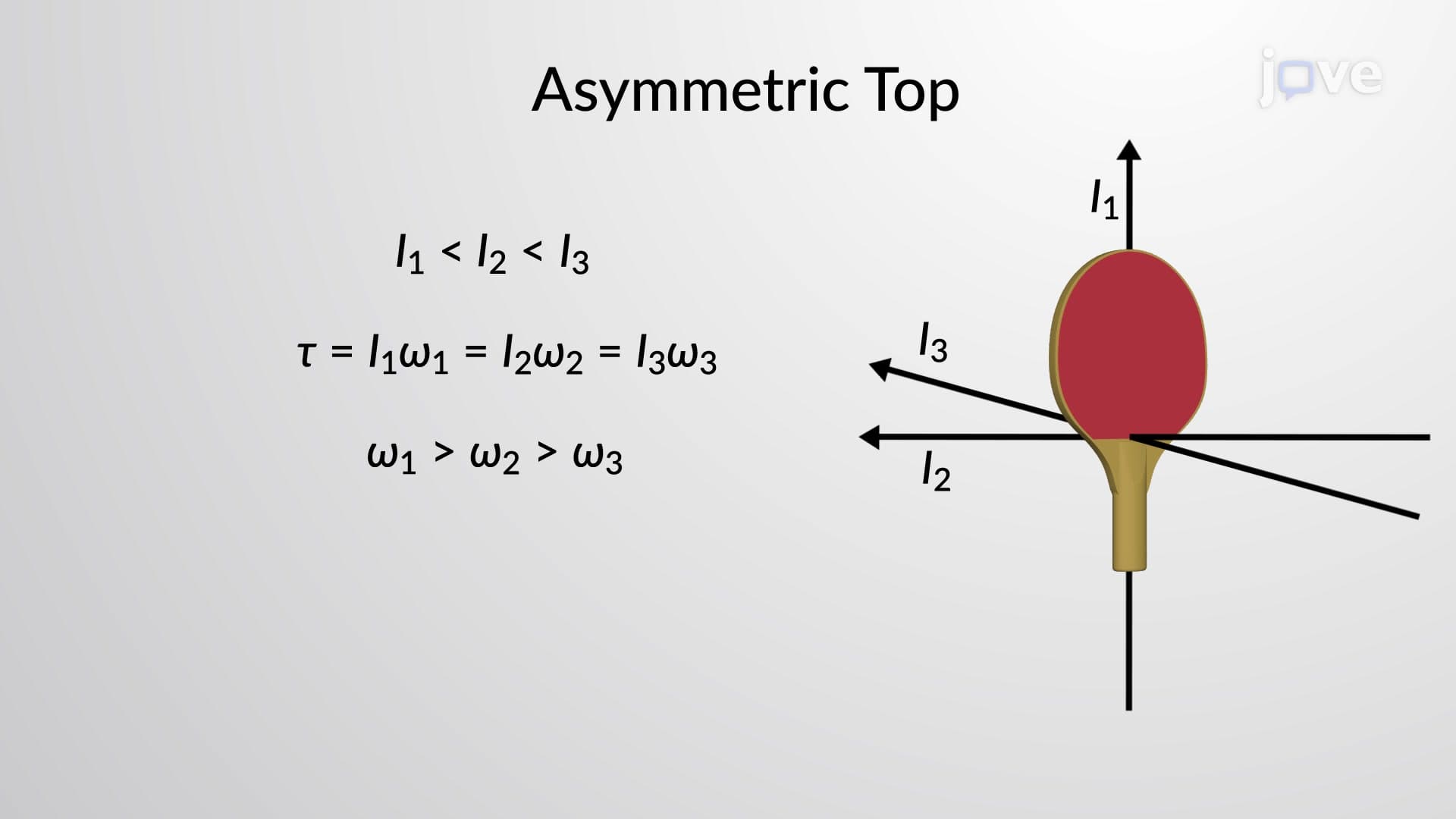
An asymmetric top's three principal axes correspond to the maximum, minimum, and intermediate moments of inertia. The rotation of asymmetric top definition emphasizes that these axes are mutually perpendicular and represent the object's natural rotational preferences. For instance, consider a smartphone: its longest axis (length) typically has the minimum moment of inertia, the shortest axis (thickness) has the maximum moment of inertia, and the width represents the intermediate axis.
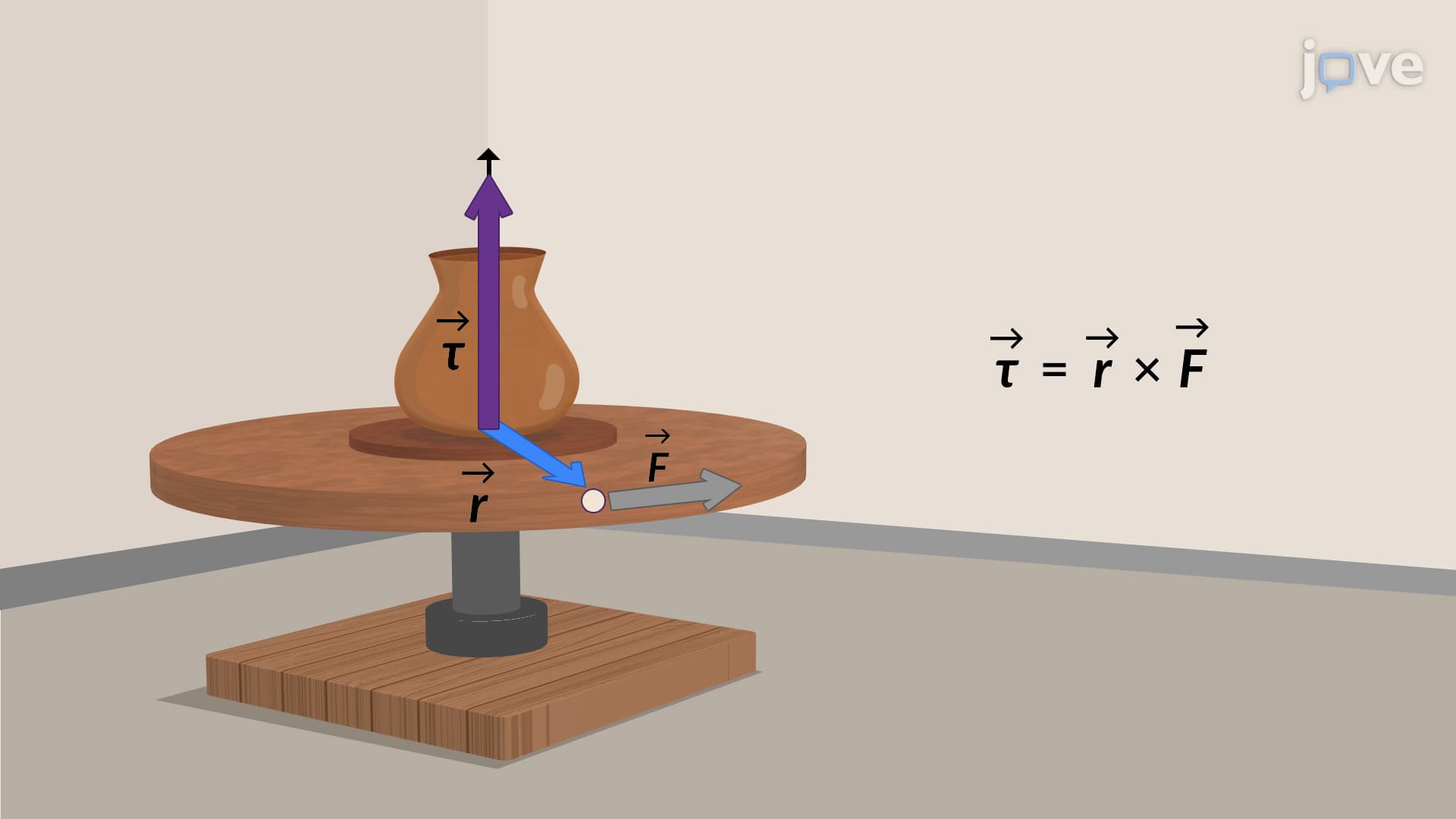
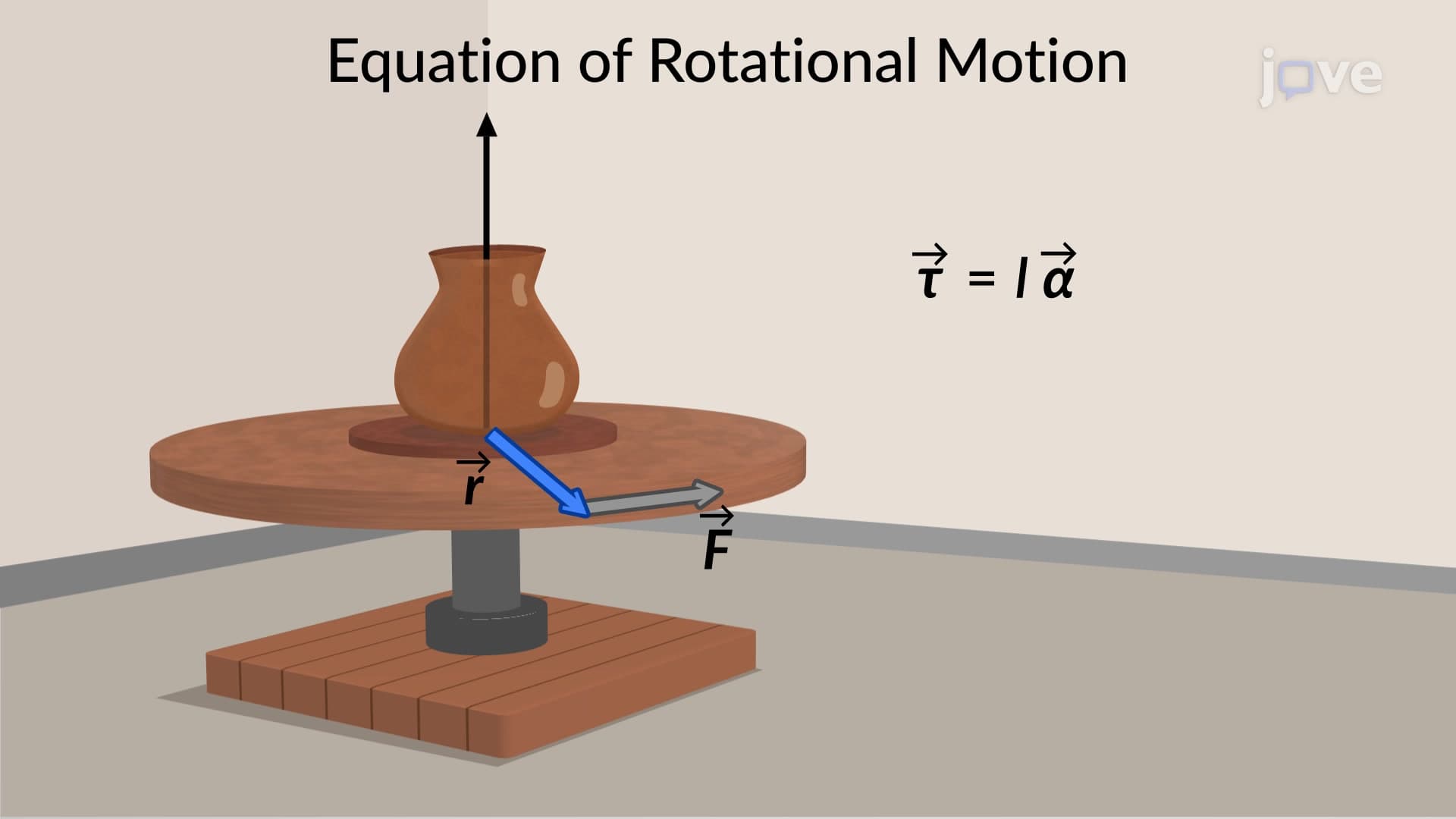
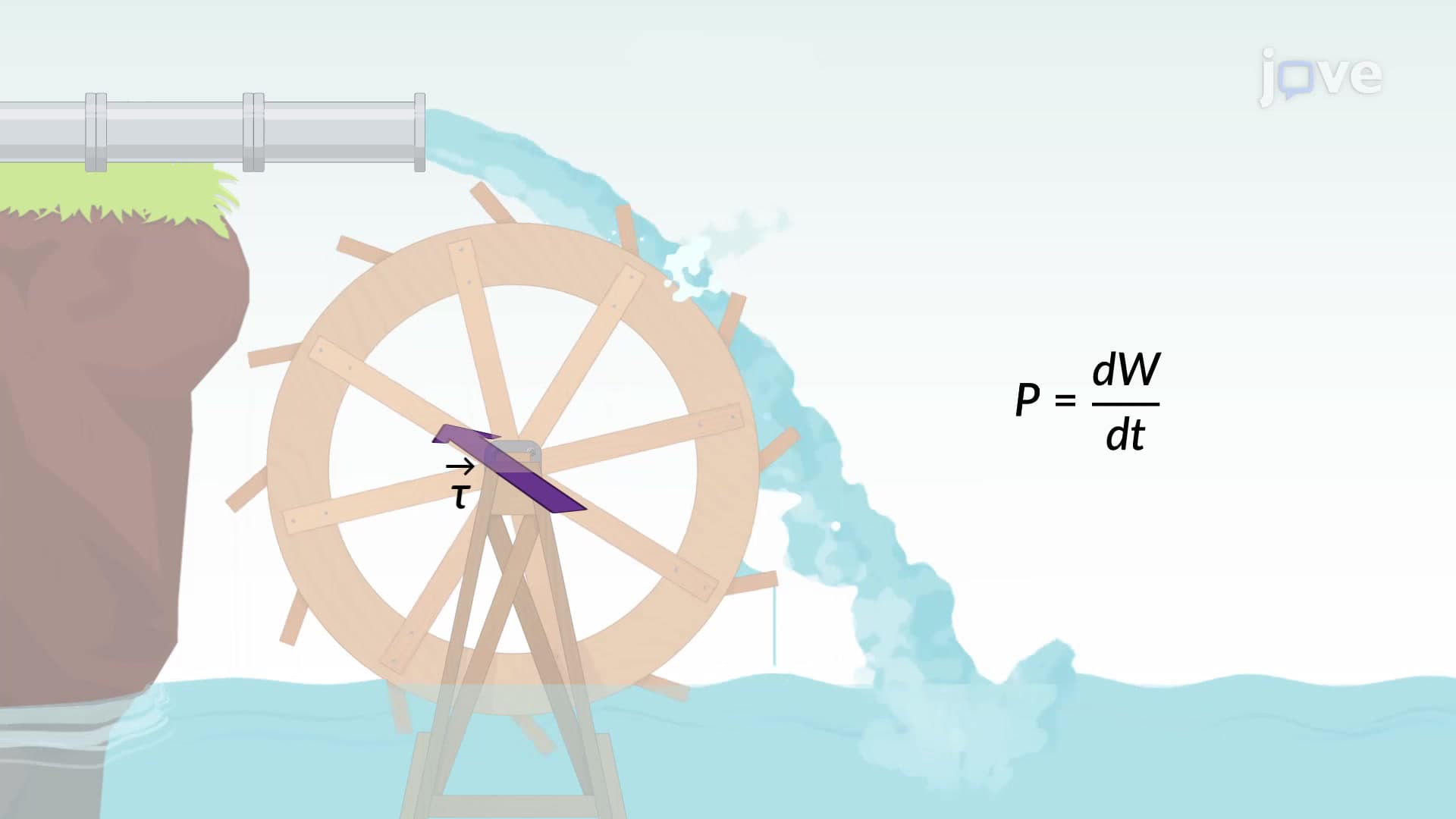
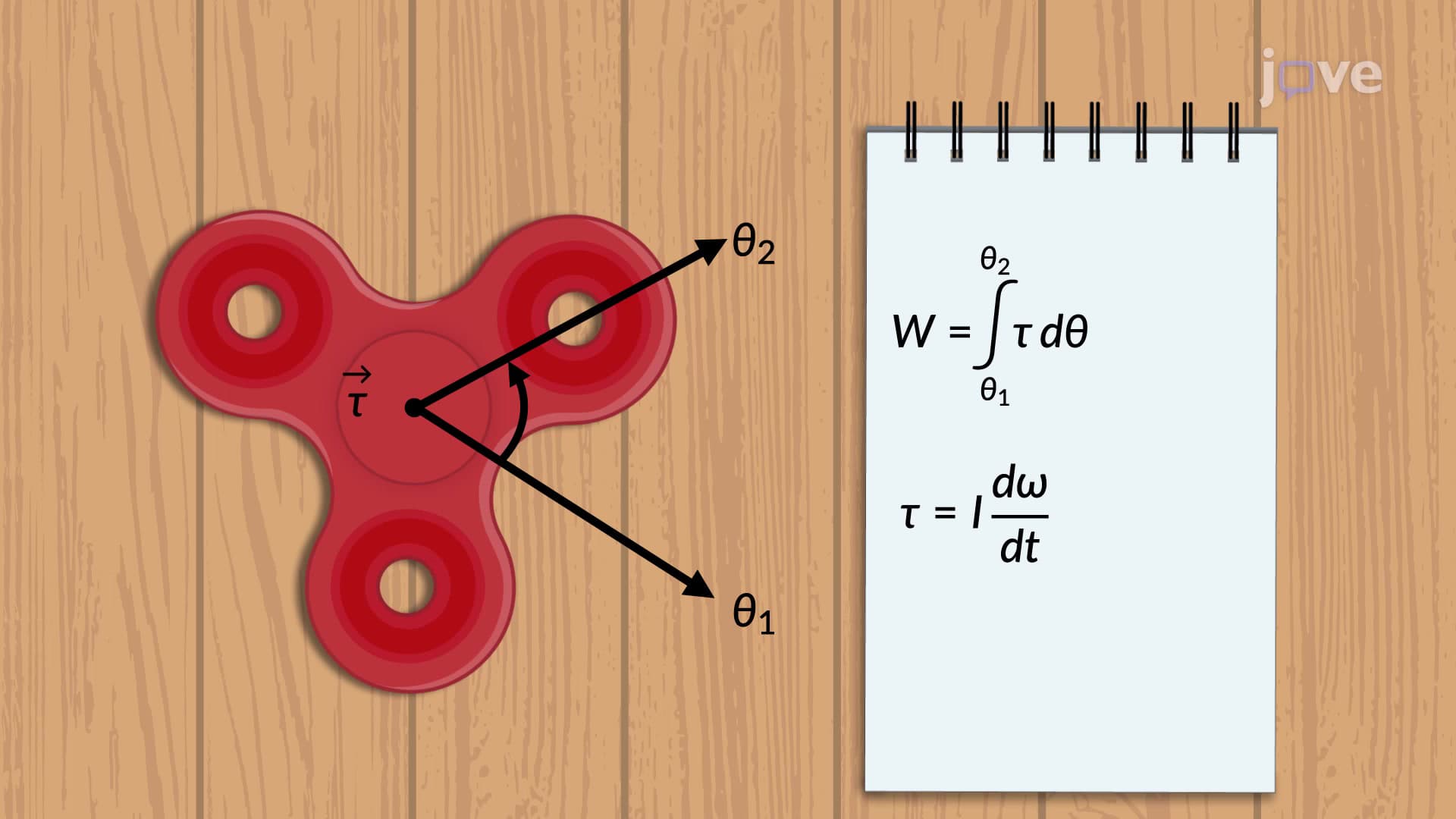
The relationship between applied torque and resulting angular velocity follows the fundamental equation: τ = I × α, where torque (τ) equals moment of inertia (I) times angular acceleration (α). This means objects rotate fastest about axes with minimum moment of inertia and slowest about maximum moment of inertia axes, explaining why a tennis racket spins most easily when flipped end-over-end rather than when twisted about its handle.
What is rotation of asymmetric top in detail becomes most fascinating when examining rotational stability. The intermediate axis theorem, also known as the tennis racket theorem, demonstrates that rotation about the intermediate moment of inertia axis is inherently unstable. This phenomenon explains why astronauts aboard the International Space Station cannot maintain steady rotation when spinning objects about their intermediate axes.
In practical terms, this instability manifests in numerous real-world scenarios. NFL quarterbacks experience this when throwing wobbly passes-the football's rotation about its intermediate axis creates unpredictable tumbling. Similarly, NASA engineers must account for this instability when designing spacecraft attitude control systems, ensuring that satellites maintain proper orientation despite the natural tendency toward chaotic rotation about intermediate axes.
The rotation of asymmetric top concept frequently appears in AP Physics courses, particularly in rotational mechanics units. College-level physics courses at institutions like MIT and Stanford extensively explore this topic in classical mechanics curricula. Students preparing for the MCAT often encounter asymmetric top problems in physics sections, where understanding three-dimensional rotational dynamics proves essential for success. The concept also appears in engineering programs, where students learn to analyze complex rotational systems in mechanical design courses.
Related Micro-courses