Loading video…


 14 Concepts
 115.7K views

Video Summary: What Is Conservation of Angular Momentum
Ever wonder why figure skaters spin faster when they pull their arms in? This phenomenon demonstrates conservation of angular momentum, a fundamental physics principle stating that rotating systems maintain constant angular momentum when no external torques act upon them. Consider NASA's spinning satellites-when solar panels fold inward, the satellite's rotation speed increases to conserve angular momentum. What is Conservation of Angular Momentum governs everything from playground merry-go-rounds to planetary motion. Watch the full video on JoVE Coach to master this concept with expert-led visuals and step-by-step explanations.
Conservation of angular momentum represents one of physics' most elegant principles, governing rotational motion from atomic particles to galaxy clusters. This conservation law states that when the net external torque acting on a system equals zero, the system's total angular momentum remains constant over time.
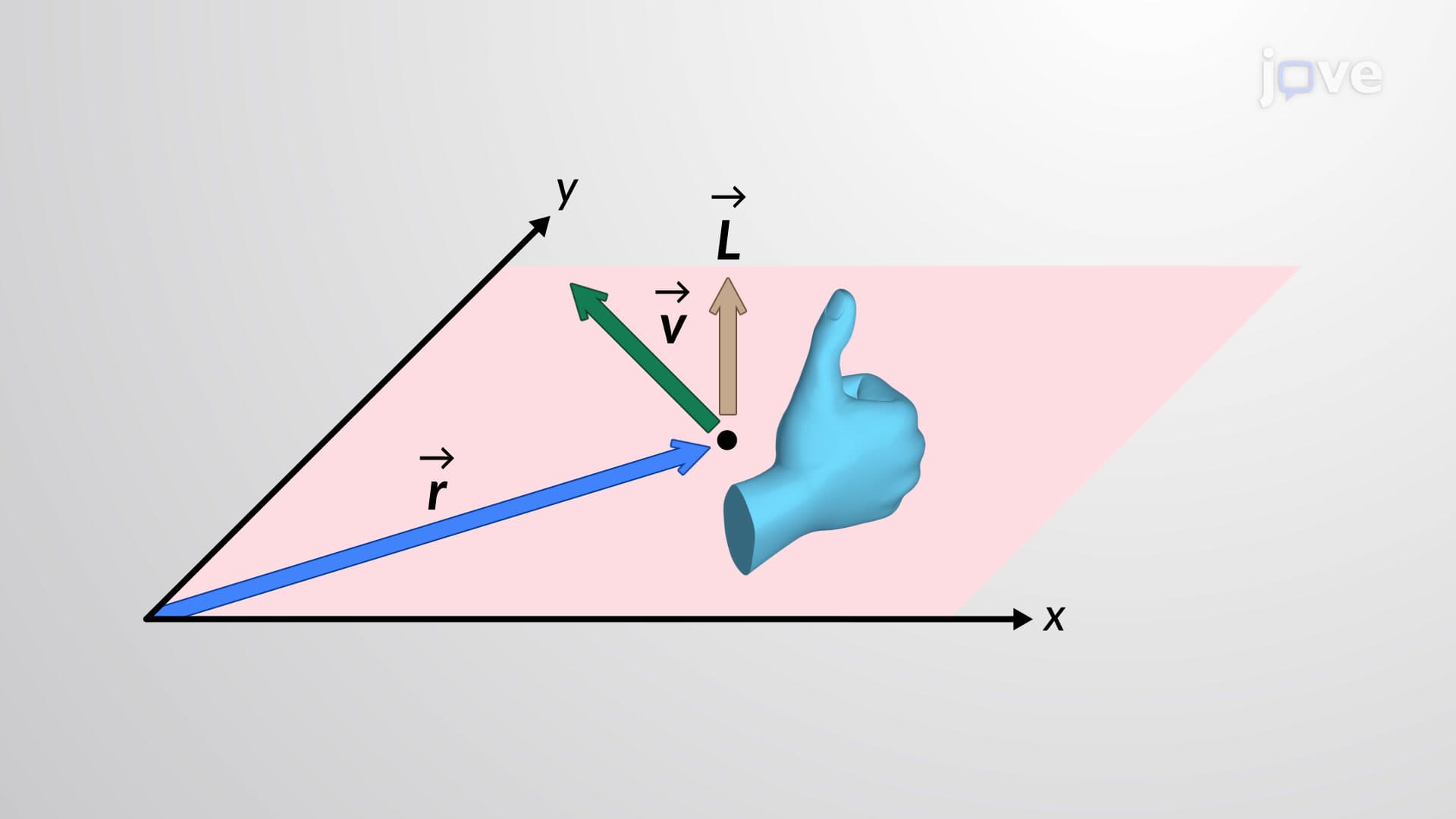
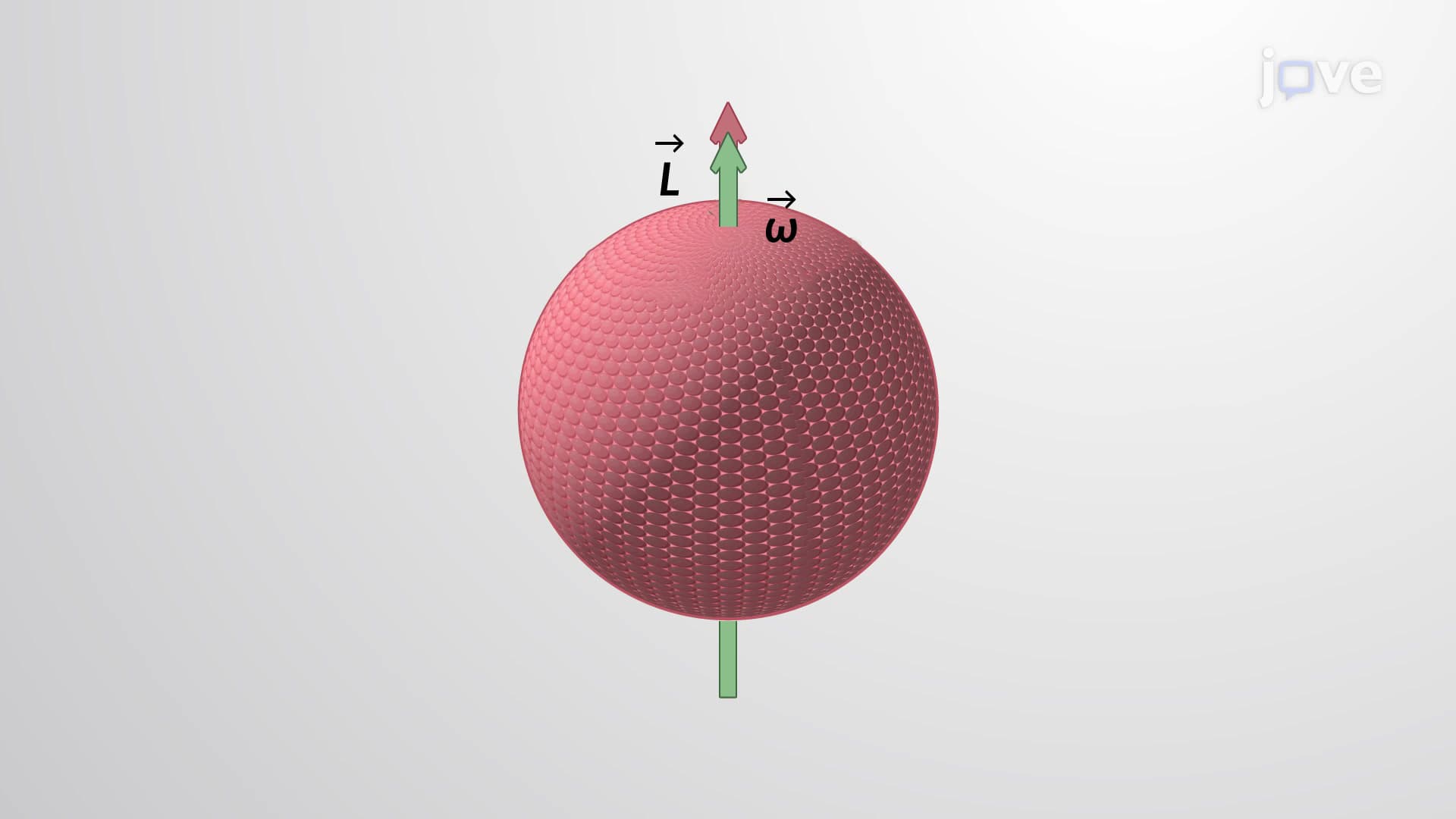
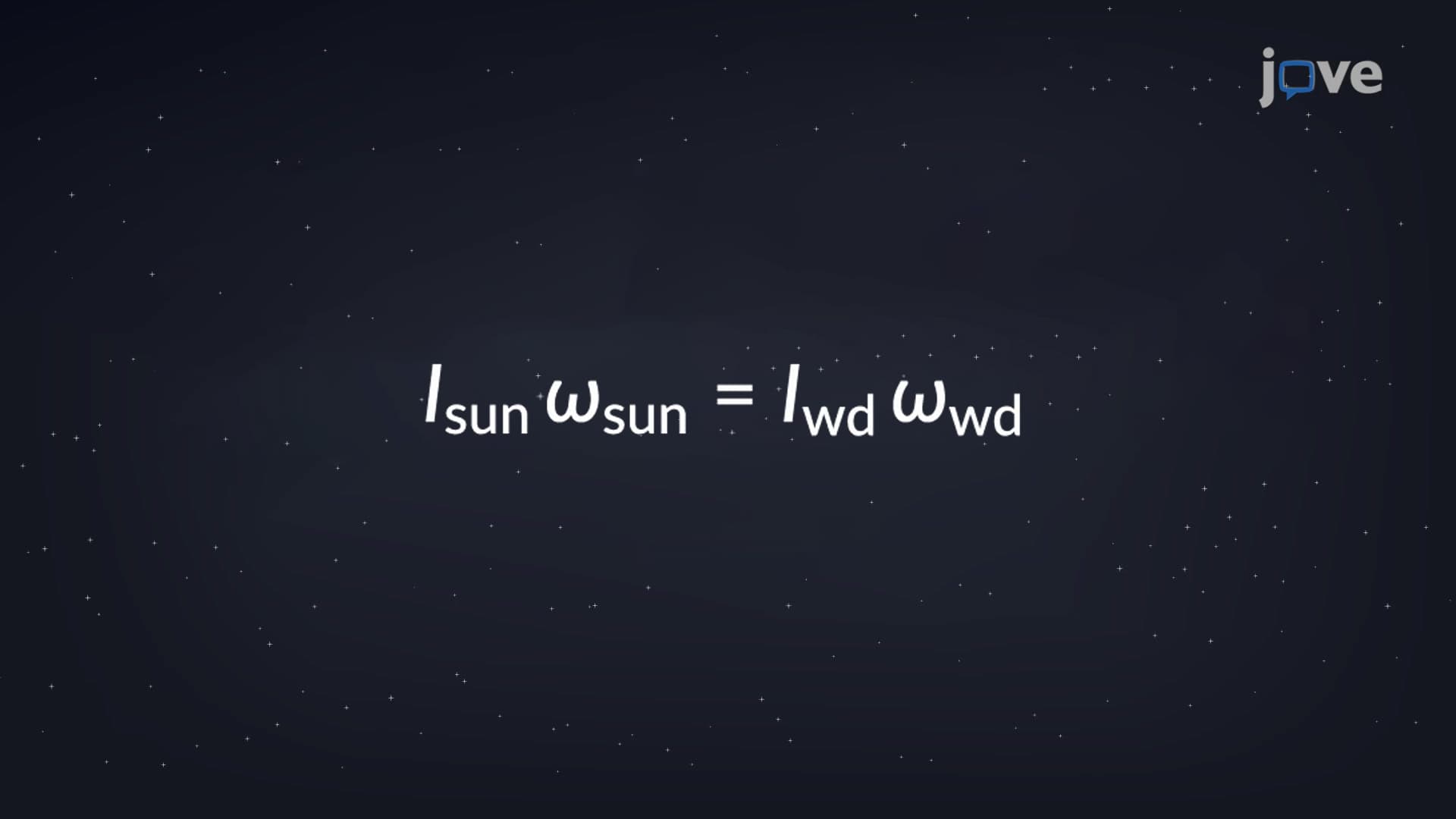
The mathematical foundation rests on angular momentum L = Iω, where I represents the moment of inertia and ω denotes angular velocity. When external torques vanish, this product stays constant, meaning changes in moment of inertia directly inverse changes in angular velocity.
NASA's International Space Station demonstrates this principle daily. When astronauts extend or retract equipment, the station's rotation adjusts automatically to maintain angular momentum. Similarly, helicopter rotors exploit this conservation-as main rotor speed changes, tail rotor adjustments prevent unwanted aircraft rotation.
American manufacturing relies heavily on gyroscopic stabilizers in ships, aircraft, and precision instruments. Boeing's aircraft design incorporates angular momentum principles in autopilot systems, where spinning gyroscopes detect orientation changes and maintain stable flight paths.
Students encounter this concept extensively in AP Physics C: Mechanics, where rotational dynamics problems frequently appear. College-level courses like Engineering Mechanics and Classical Physics dive deeper into mathematical derivations and complex system analysis.
Conservation of angular momentum definition problems typically involve scenarios like spinning ice skaters, rotating platforms, or satellite attitude control. These examples help students visualize how redistributing mass affects rotational speed while keeping total angular momentum constant.
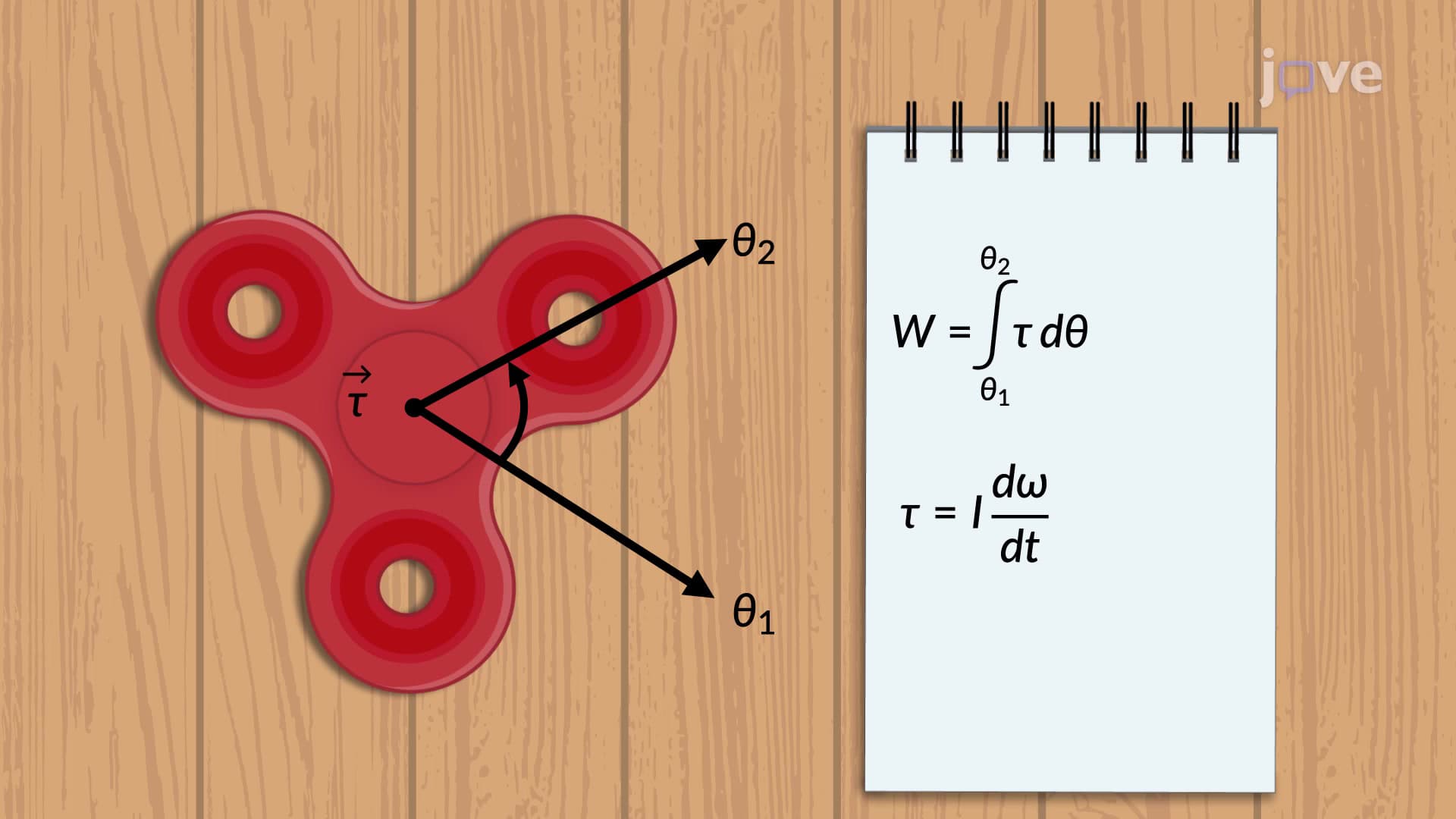
Rotational kinetic energy connects intimately with angular momentum through KE = ½Iω². Substituting L = Iω yields KE = L²/(2I), revealing how kinetic energy changes when moment of inertia varies, even though angular momentum stays constant.
This relationship explains why figure skaters feel increased rotational energy when pulling arms inward-despite conserved angular momentum, their kinetic energy increases due to reduced moment of inertia. Understanding these energy transformations proves crucial for AP exam success and engineering applications.
Related Micro-courses