Loading video…


 14 Concepts
 115.7K views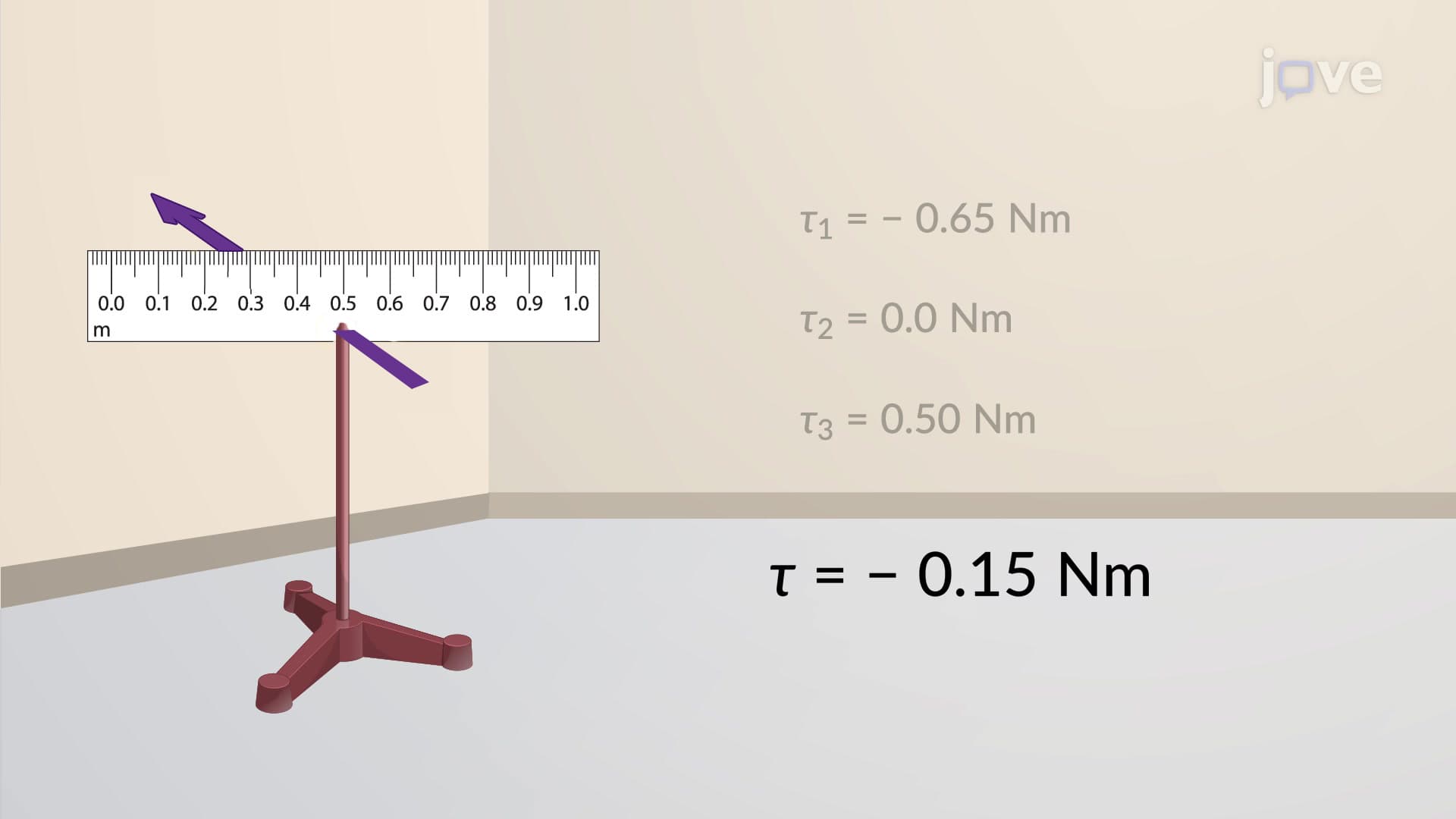

Video Summary: What are Net Torque Calculations
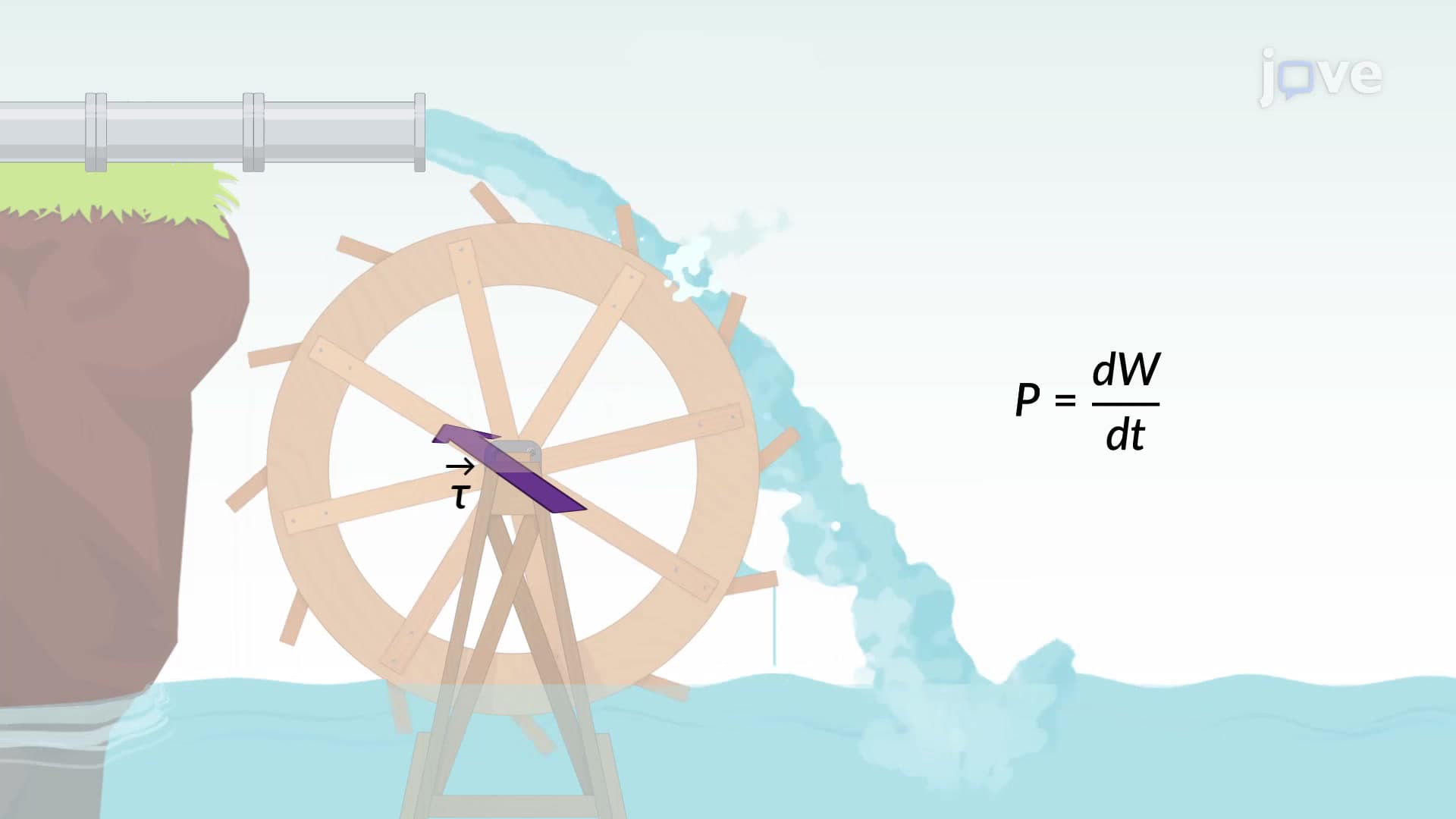
Ever wondered why a wrench is easier to turn with a longer handle? Net torque calculations help explain the rotational forces at work in everyday tools and machines across America's factories and workshops. These calculations determine the overall rotational effect when multiple forces act on an object simultaneously, like when engineers design the transmission system in a Ford F-150 pickup truck. Watch the full video on JoVE Coach to master this concept with expert-led visuals and step-by-step explanations.
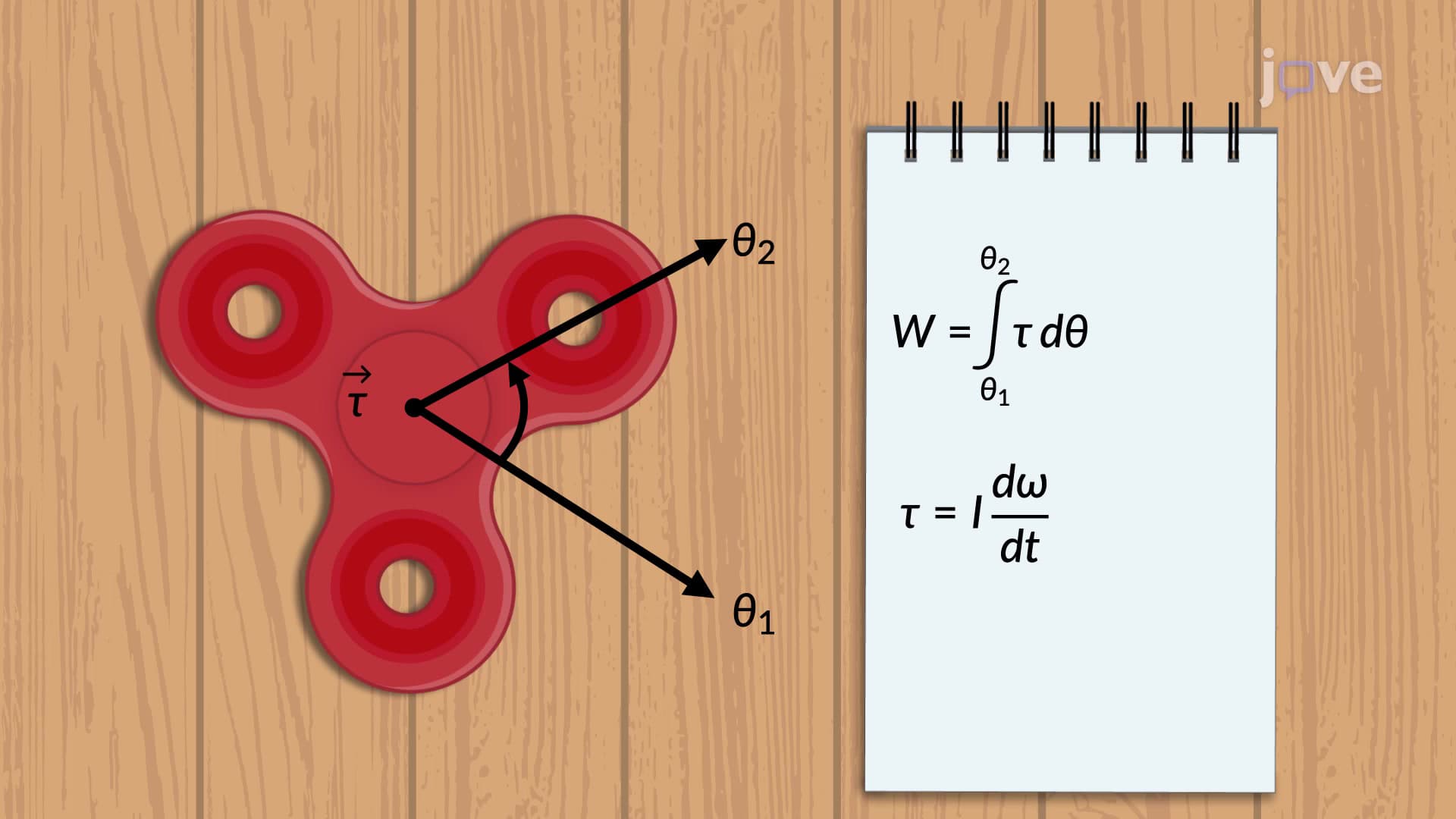
Net torque calculations represent one of the most practical applications of rotational mechanics in physics and engineering. When multiple forces act on a rotating object, we must determine the combined rotational effect to predict the object's motion. This concept appears frequently on AP Physics exams and college-level mechanics courses across the United States.
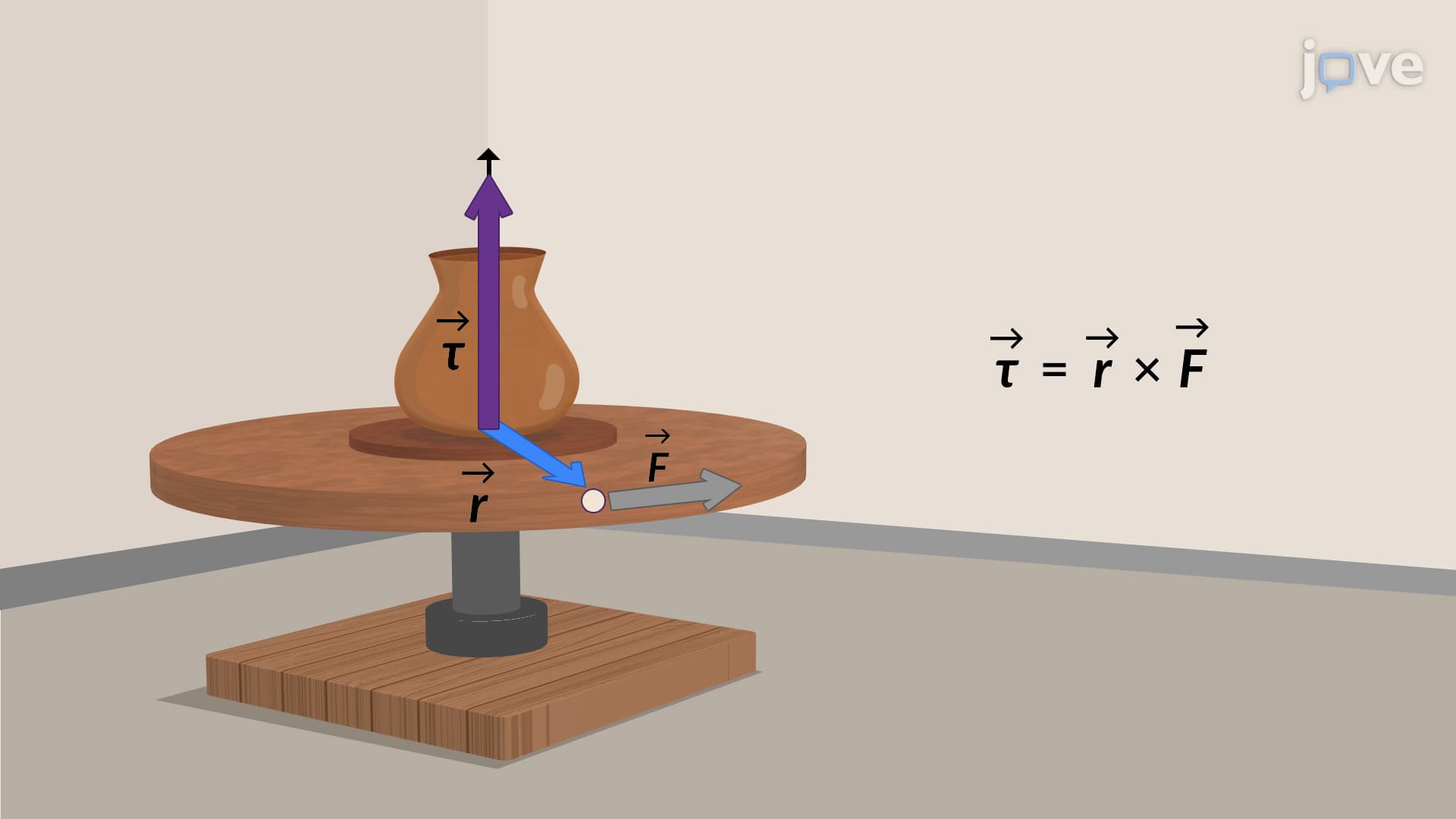
The foundation of all net torque calculations lies in the basic torque equation: τ = r × F × sin θ. Here, r represents the perpendicular distance from the rotation axis (lever arm), F is the applied force magnitude, and θ is the angle between the force vector and the lever arm. The sine component ensures we only consider the force component that actually causes rotation, making this formula both elegant and practical.
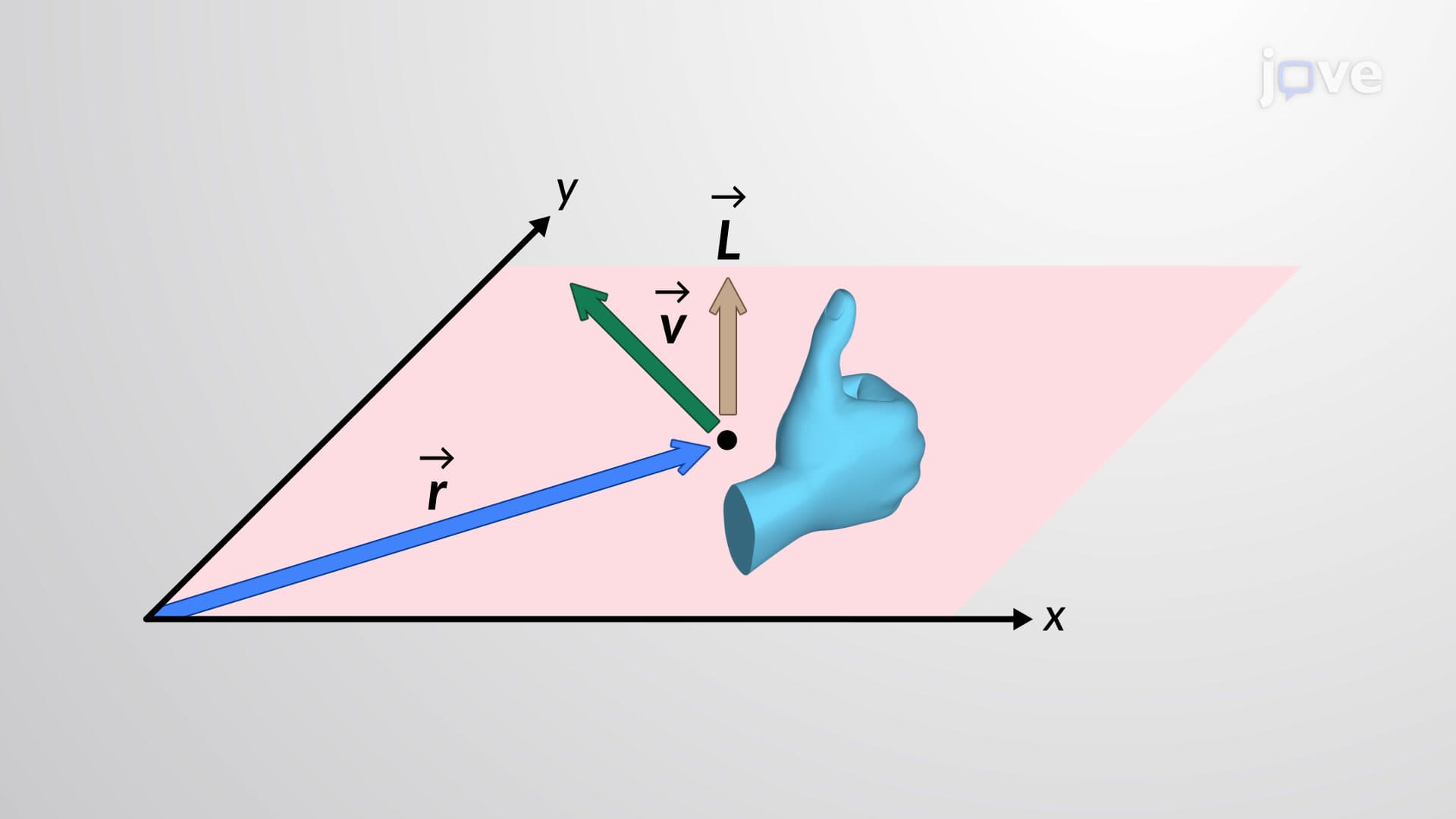
Mastering types of net torque calculations requires understanding rotational direction conventions. In standard physics notation used throughout American universities, counterclockwise rotation receives positive values while clockwise rotation gets negative values. This convention helps students systematically solve complex problems where forces create opposing rotational effects, such as analyzing the gear systems in John Deere tractors or Boeing aircraft control surfaces.
Net torque calculations overview extends far beyond classroom problems. Automotive engineers at General Motors use these principles when designing transmission systems, ensuring proper gear ratios for optimal vehicle performance. Construction workers apply torque calculations when operating cranes and heavy machinery, while NASA engineers rely on precise torque analysis for spacecraft attitude control systems.
Students preparing for standardized tests like the MCAT or AP Physics C often encounter multi-step torque problems. The key strategy involves systematically identifying each force, calculating individual torques with proper signs, then algebraically summing all contributions. Practice problems typically involve lever systems, rotating platforms, or mechanical advantage scenarios that mirror real engineering challenges in American manufacturing.
Related Micro-courses