Loading video…


 14 Concepts
 115.7K views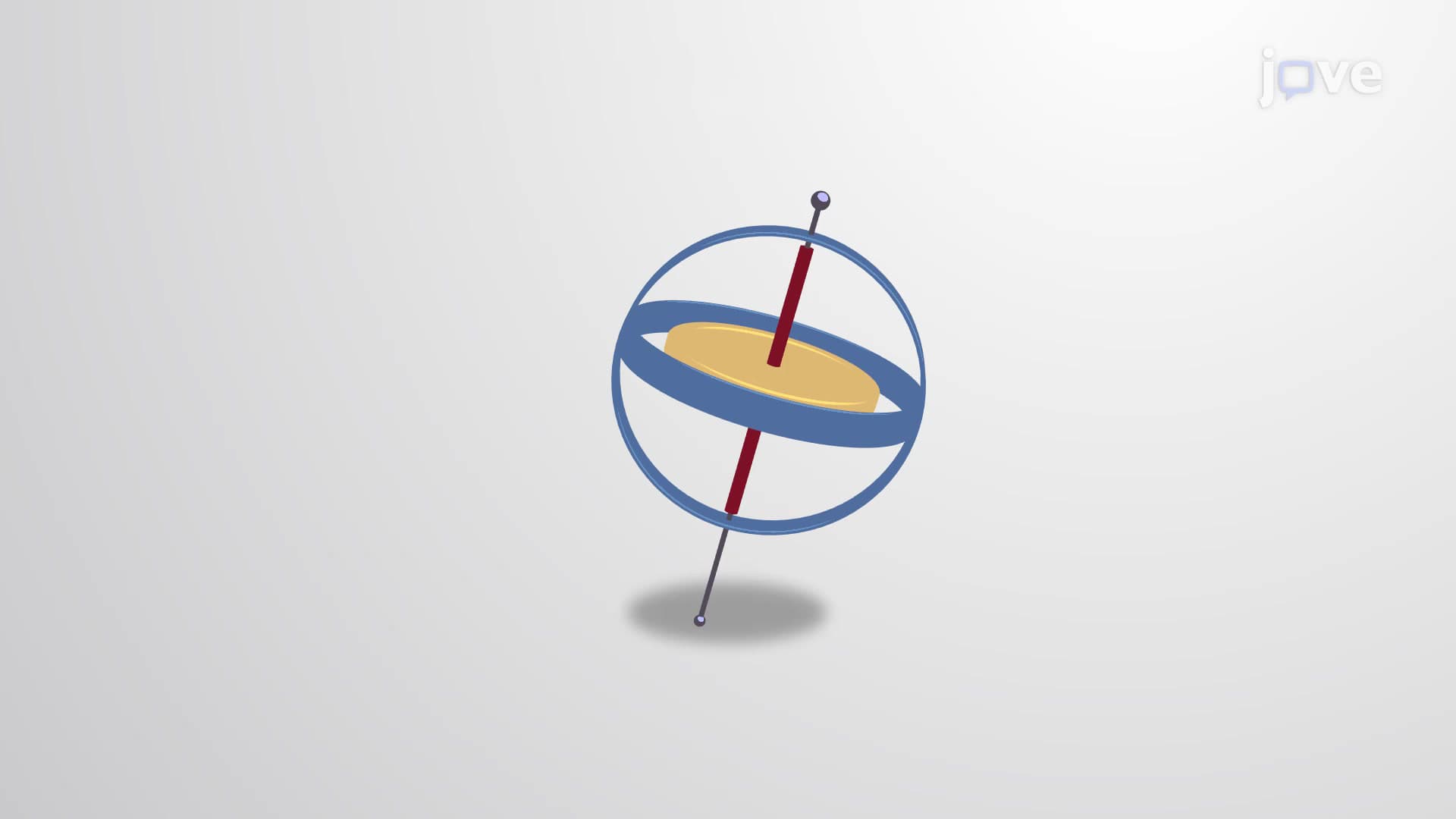

Video Summary: What Is Gyroscope
Did you know that the Boeing 737 aircraft relies on the same physics principle that keeps Earth spinning steadily through space? A gyroscope is a spinning wheel device that maintains its orientation using conservation of angular momentum, making it essential for navigation in everything from smartphones to NASA spacecraft. This fascinating instrument demonstrates two key properties-rigidity in space and precession-that help pilots navigate safely across American skies. Watch the full video on JoVE Coach to master this concept with expert-led visuals and step-by-step explanations.
A gyroscope represents one of physics' most elegant demonstrations of angular momentum conservation. This mechanical marvel consists of a rapidly spinning wheel or rotor mounted within a framework of rings called gimbals, allowing the spinning mass to maintain its orientation regardless of how the supporting structure moves. The gyroscope definition centers on its ability to resist changes in its axis of rotation, making it invaluable for navigation and stabilization applications.
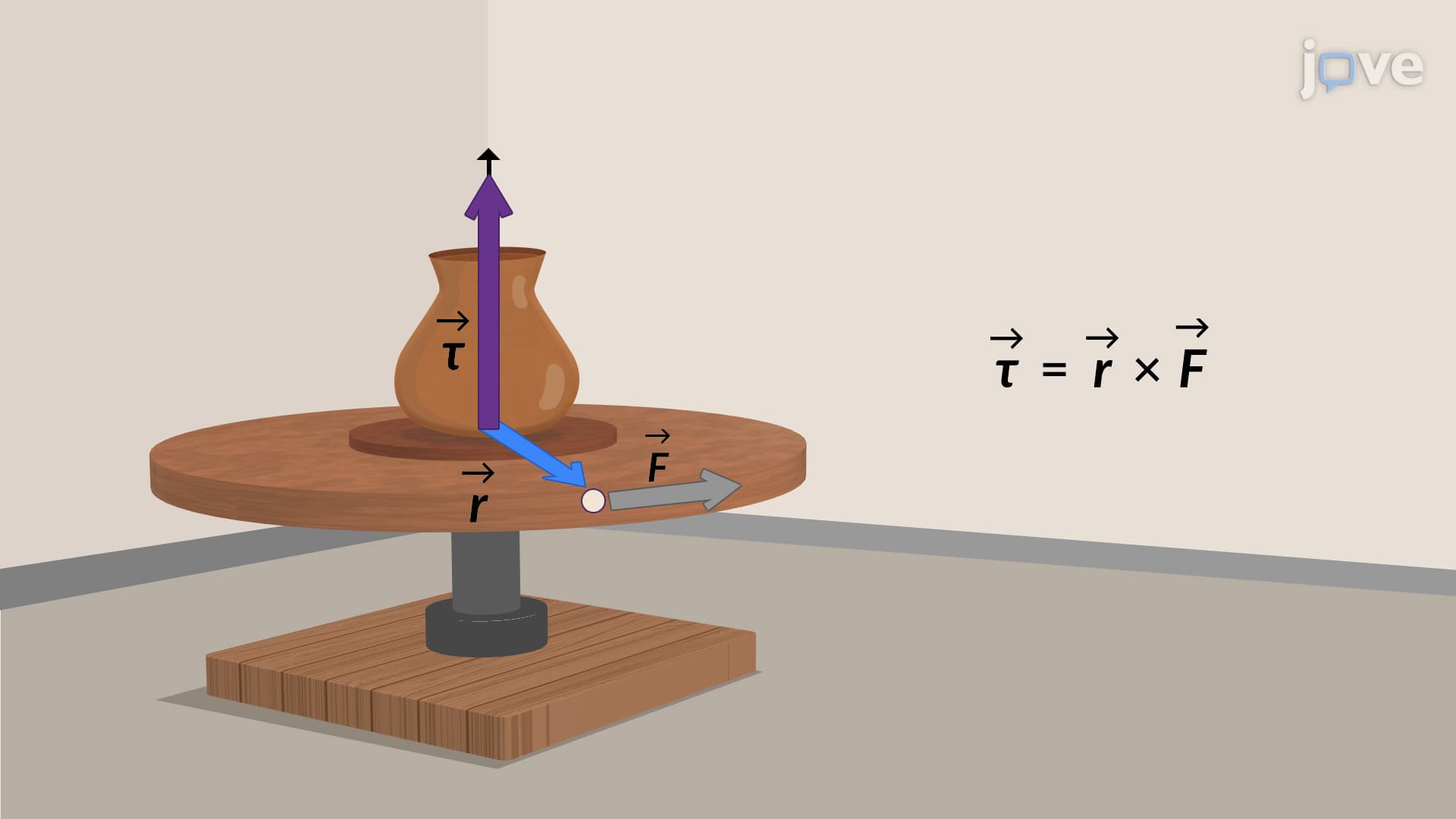
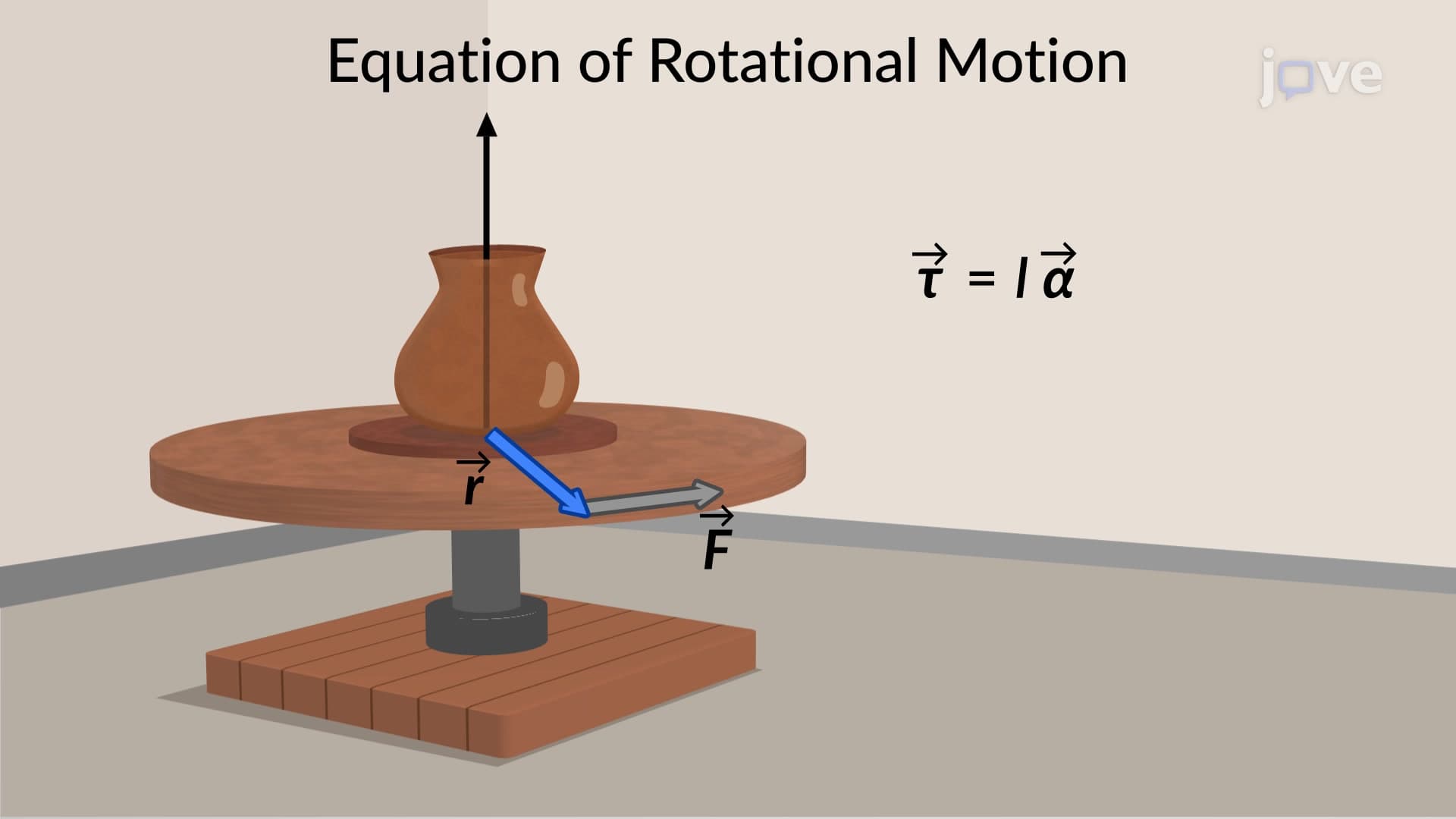
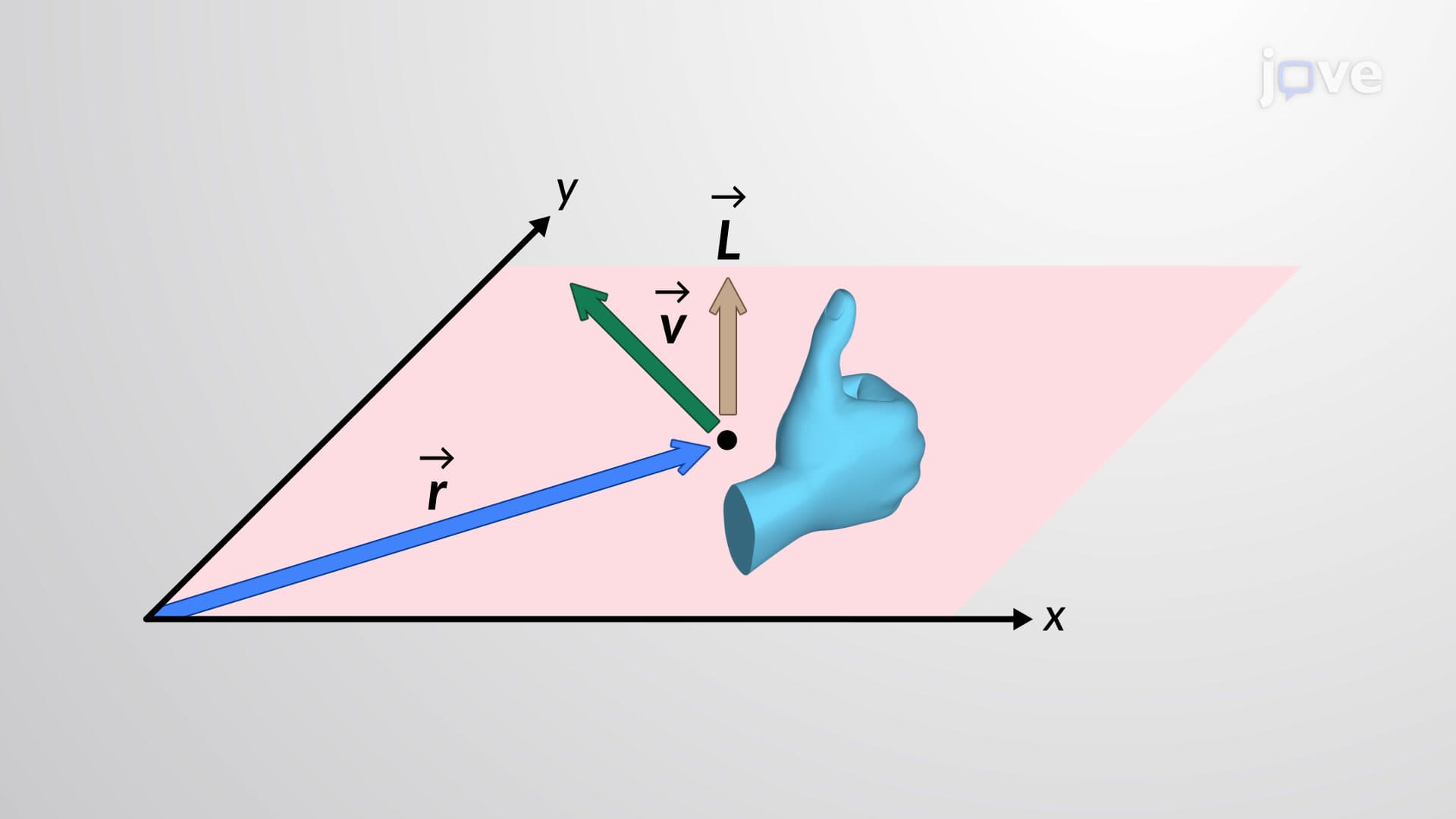
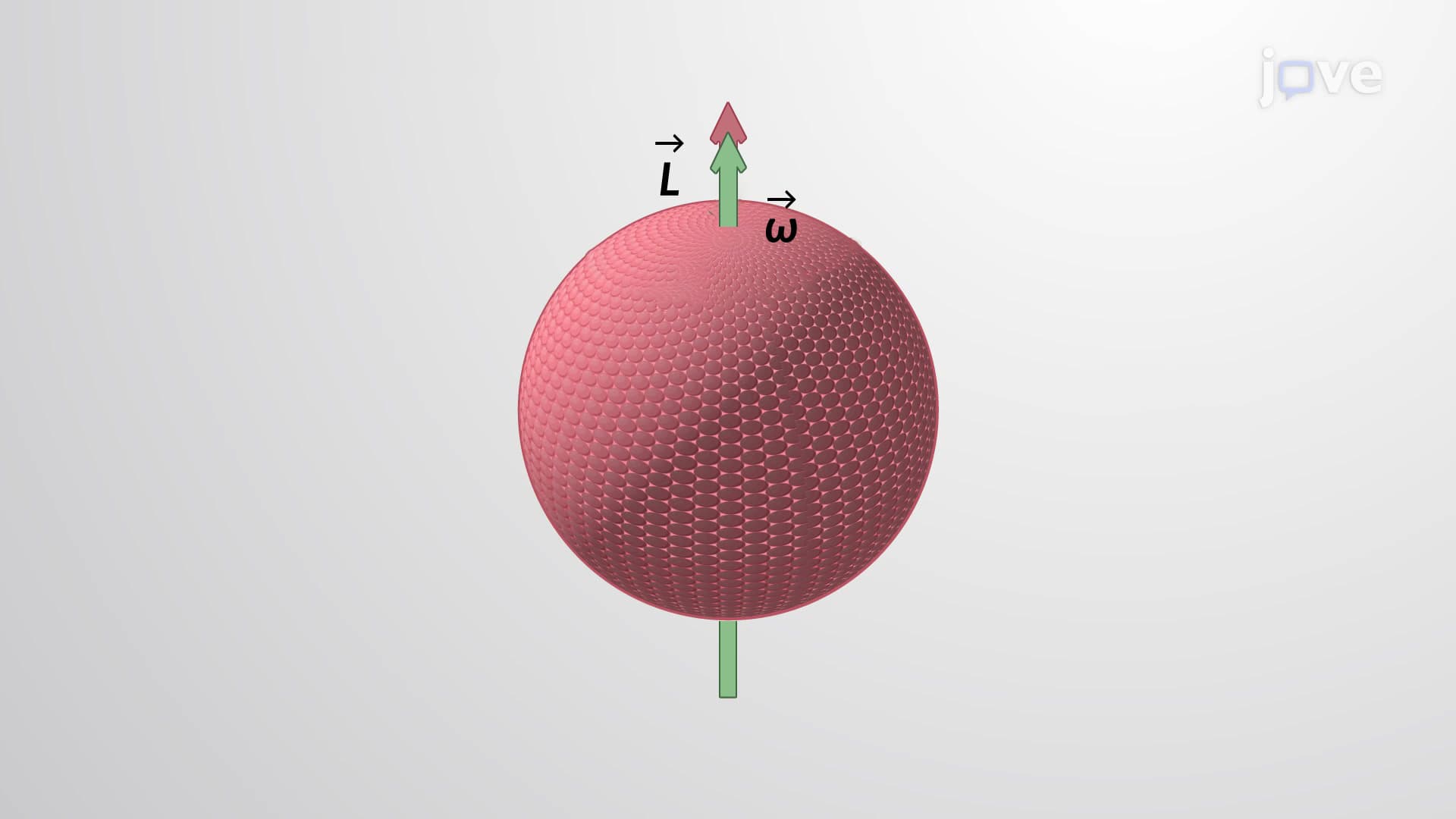
When exploring what is gyroscope in detail, we must understand that its behavior stems from a fundamental physics principle. Angular momentum (L = Iω, where I is moment of inertia and ω is angular velocity) remains constant in the absence of external torques. This gyroscope concept explains why a spinning bicycle wheel becomes difficult to tilt-the same principle that makes gyroscopes so reliable for navigation.
American students preparing for AP Physics exams frequently encounter problems involving gyroscopic motion. The Massachusetts Institute of Technology's introductory physics courses emphasize how this gyroscope overview connects rotational dynamics to real-world applications, from the Hubble Space Telescope's pointing system to automotive stability control.
Gyroscope basics include understanding two critical behaviors. Rigidity in space means the spinning axis maintains its direction relative to inertial space-imagine Earth's axis pointing toward Polaris despite our planet's orbital motion. This property makes gyroscopes excellent reference points for navigation systems.
Precession occurs when external forces act perpendicular to the spin axis. Rather than tilting immediately, the gyroscope rotates around a different axis-a counterintuitive response that challenges students' initial understanding. NASA's astronaut training programs at Johnson Space Center in Houston extensively use this principle for spacecraft attitude control.
This gyroscope study guide content appears regularly in SAT Subject Tests and college physics midterms. Boeing and Lockheed Martin engineers rely on ring laser gyroscopes for precise aircraft navigation, while consumer electronics integrate micro-electromechanical system (MEMS) gyroscopes in smartphones for screen rotation and gaming applications.
Understanding gyroscope principles proves essential for students pursuing aerospace engineering at institutions like Purdue University or Georgia Institute of Technology, where coursework builds from these foundational concepts toward advanced flight dynamics and control systems.
Related Micro-courses