Loading video…


 14 Concepts
 115.7K views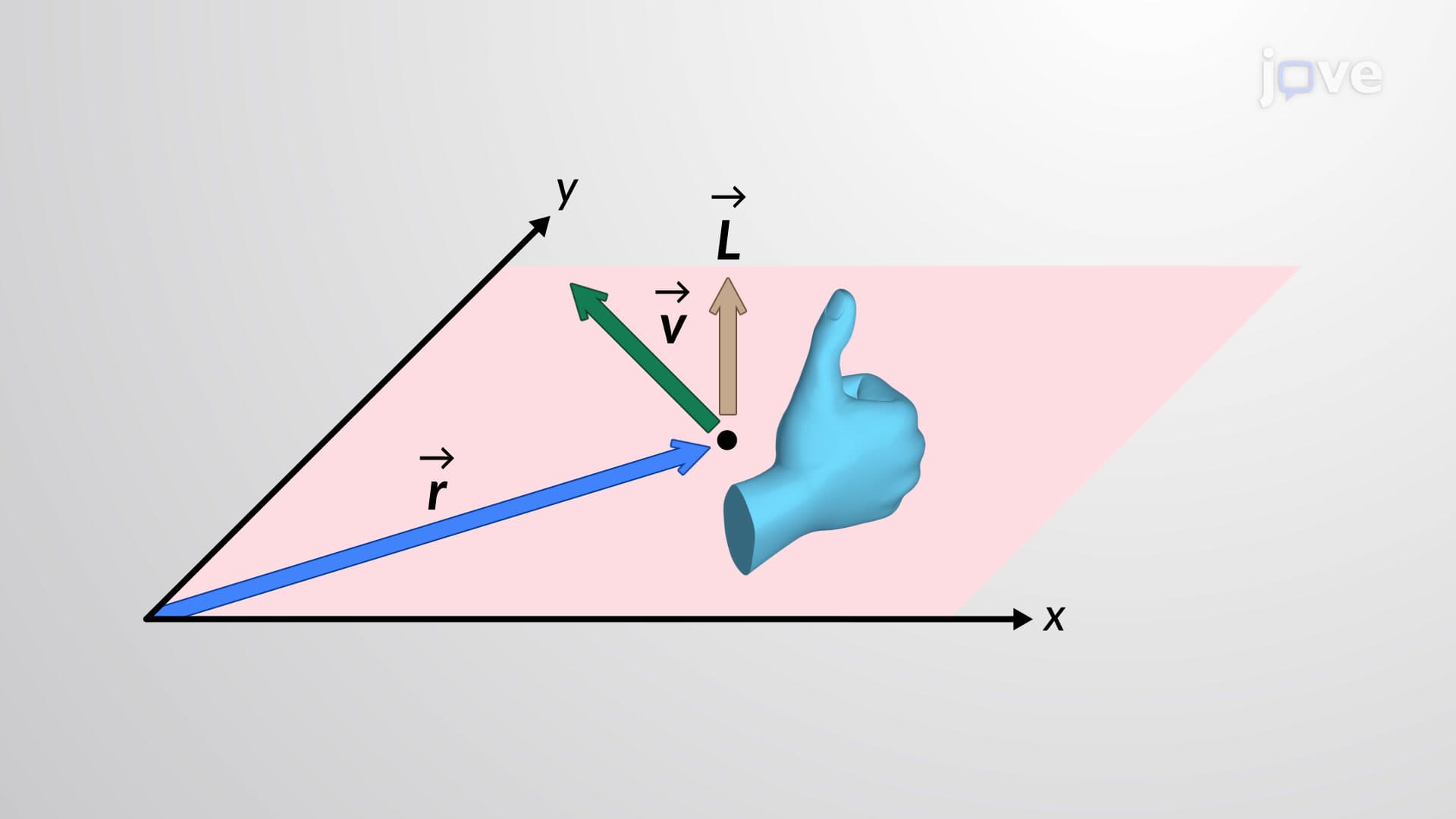

Video Summary: What Is Angular Momentum Single Particle
Ever wondered why a figure skater spins faster when they pull their arms in? Angular momentum single particle explains this phenomenon through the fundamental physics of rotating objects. A quarterback throwing a spiral football demonstrates how a single particle's position and velocity create measurable angular momentum, expressed mathematically as L = r × p. This concept forms the foundation for understanding rotational motion in everything from NASA spacecraft navigation to baseball pitches. Watch the full video on JoVE Coach to master this concept with expert-led visuals and step-by-step explanations.
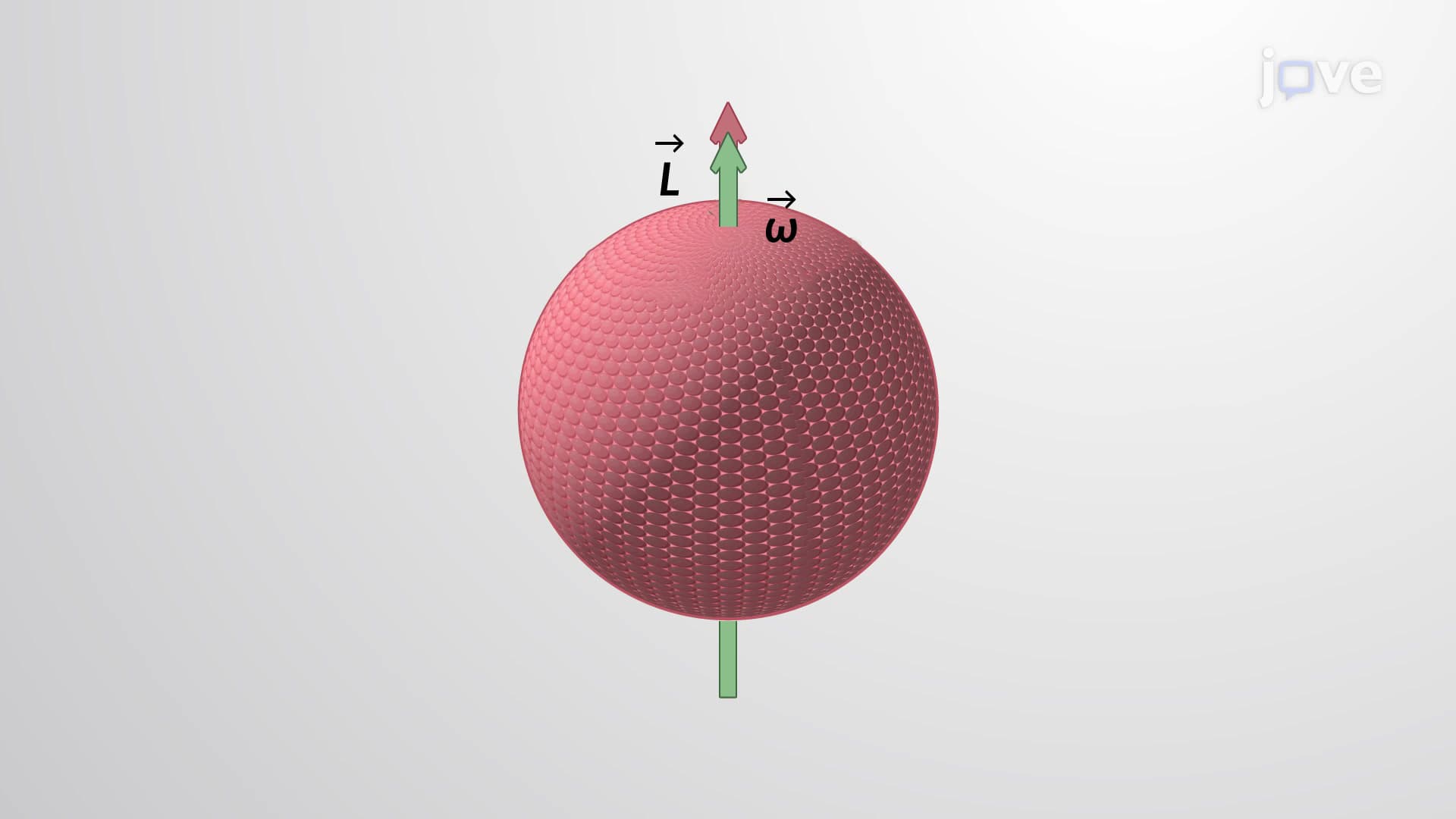
Angular momentum single particle represents one of physics' most elegant concepts, describing how objects maintain their rotational motion. Unlike linear momentum (p = mv), angular momentum depends on both the particle's distance from a rotation axis and its velocity direction. The mathematical expression L = r × p captures this relationship through vector cross-multiplication, where r represents the position vector and p equals mass times velocity.
The magnitude formula |L| = mvr sin θ reveals angular momentum's dependency on the angle between position and velocity vectors. When θ = 90°, sin θ = 1, producing maximum angular momentum for circular motion. The SI units kg⋅m²/s reflect the combination of mass, distance squared, and inverse time-crucial for AP Physics calculations and college-level problem-solving.
Consider a 0.5 kg baseball thrown at 40 m/s in a circular path with radius 2 meters. The angular momentum magnitude equals (0.5)(40)(2)(sin 90°) = 40 kg⋅m²/s. This calculation appears frequently on MCAT physics sections and college physics exams.
Angular momentum's vector nature requires understanding directional properties. The right-hand rule provides a systematic approach: curl your fingers in the rotation direction, and your thumb points along the angular momentum vector. For counterclockwise motion in the xy-plane, angular momentum points in the positive z-direction. This convention proves essential for solving complex rotational dynamics problems in engineering courses.
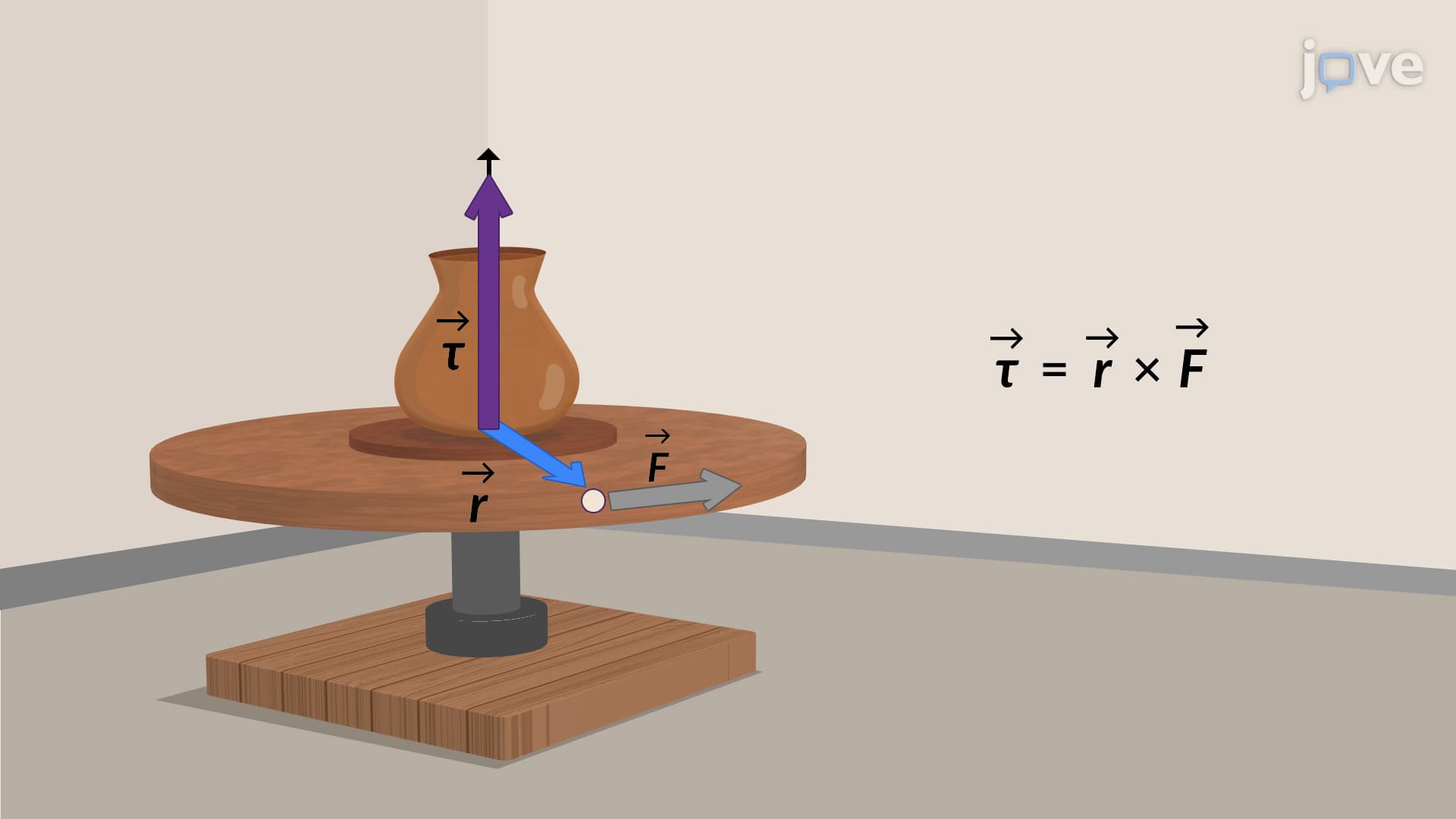
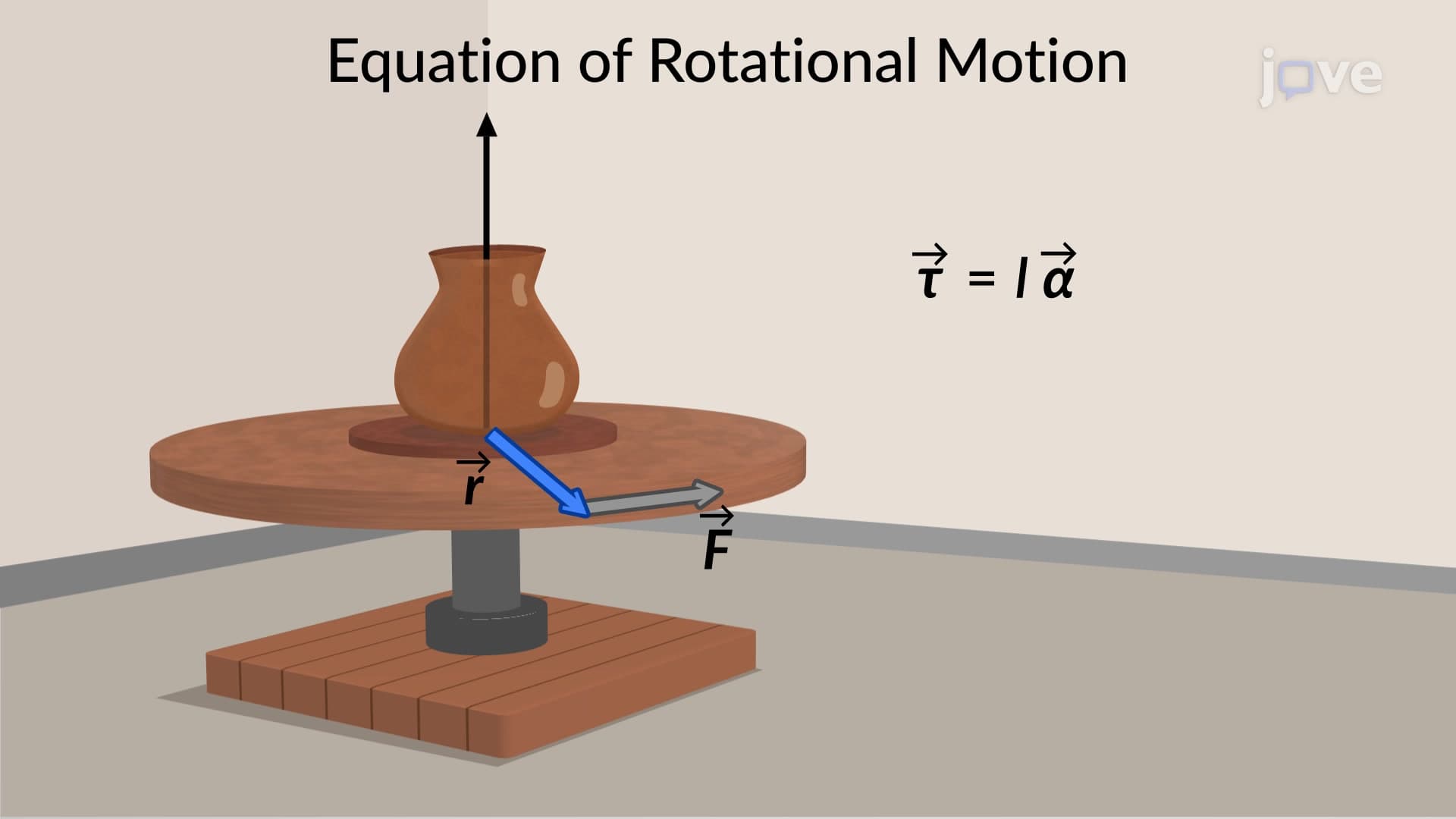
The derivative relationship dL/dt = τ establishes torque as the "rotational force" that changes angular momentum. When no external torque acts on a system, angular momentum remains constant-explaining why ice skaters spin faster when reducing their moment of inertia. This conservation principle governs satellite orbital mechanics at NASA and appears regularly on standardized physics assessments.
Understanding this torque-angular momentum connection helps explain everyday phenomena: a bicycle wheel's gyroscopic stability, the precession of spinning tops, and the mechanics behind curve balls in Major League Baseball. These applications demonstrate angular momentum's practical importance beyond theoretical physics coursework.
Related Micro-courses