Loading video…


 14 Concepts
 115.7K views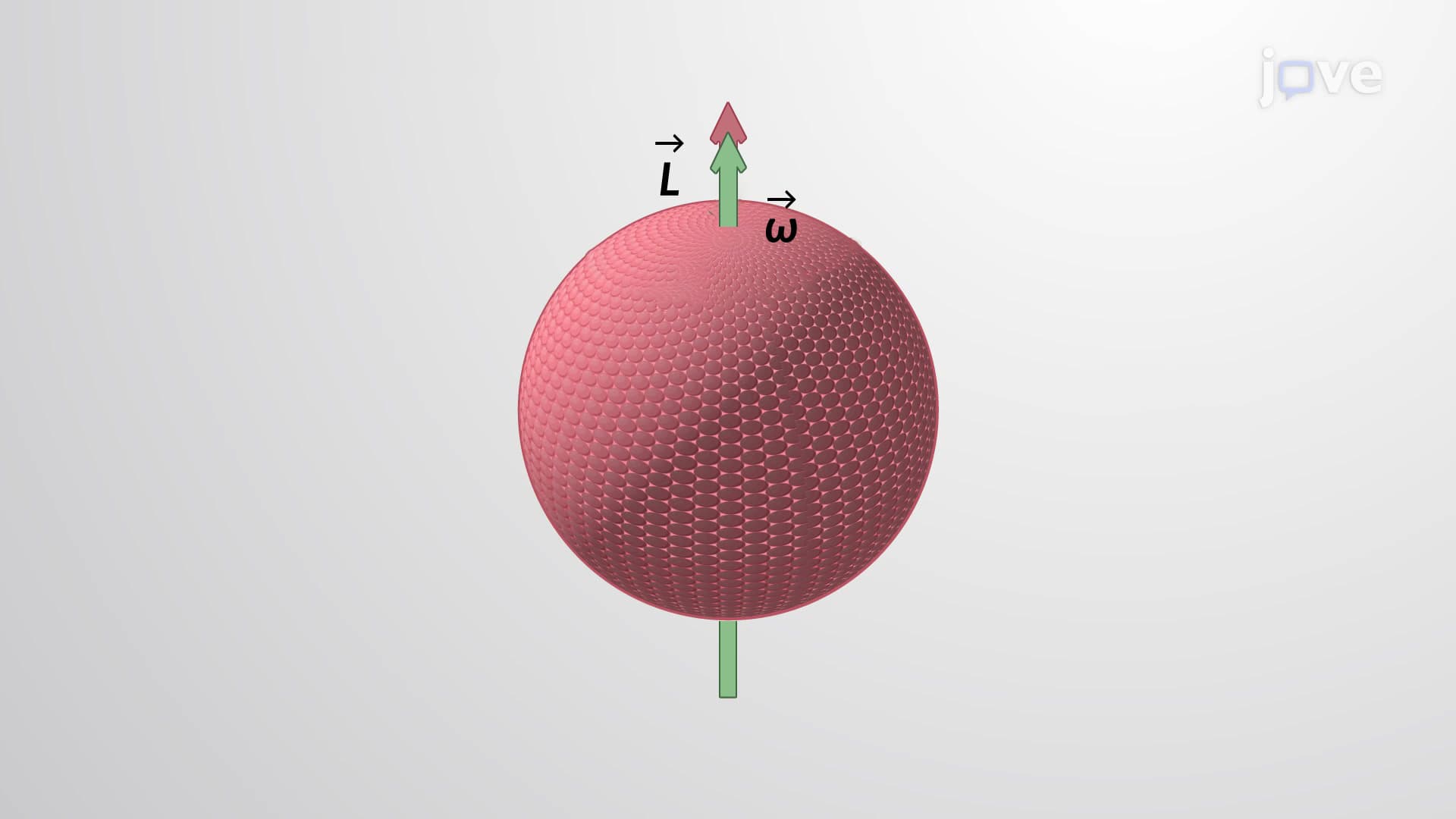

Video Summary: What Is Angular Momentum Rigid Body
Ever wonder how a spinning ice skater pulls in their arms to spin faster, or why NASA's satellites maintain perfect rotational stability in space? Angular momentum rigid body physics explains these fascinating phenomena through the fundamental principle that rotating objects possess measurable rotational motion. From the gyroscopes in smartphones to the turbines in wind farms across Texas and California, this concept governs countless everyday technologies. Watch the full video on JoVE Coach to master this concept with expert-led visuals and step-by-step explanations.
Angular momentum rigid body represents one of the most elegant concepts in rotational mechanics, describing how objects maintain their spinning motion. Unlike linear momentum (mass × velocity), angular momentum quantifies rotational motion through the product of moment of inertia and angular velocity: L = Iω.
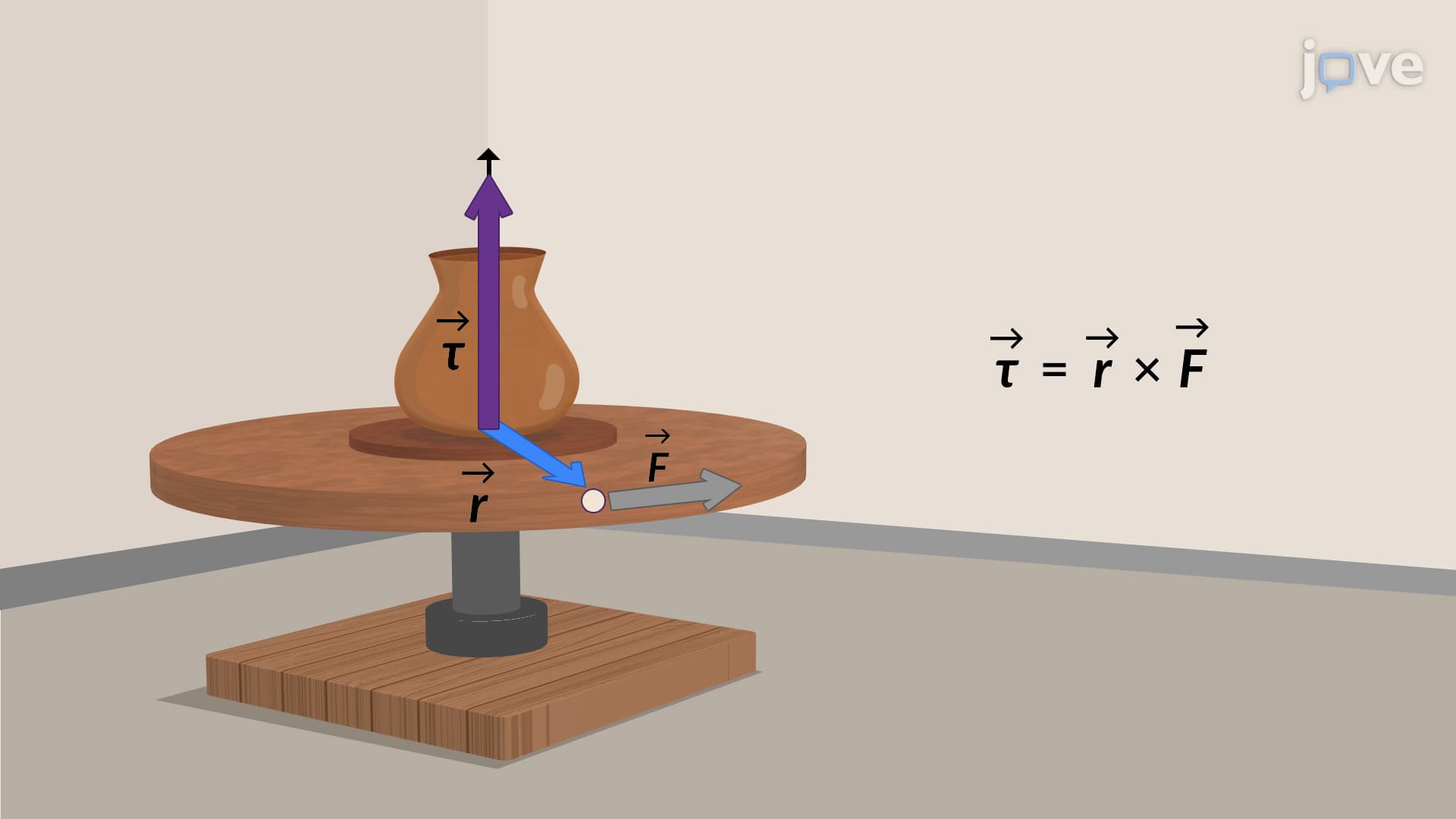
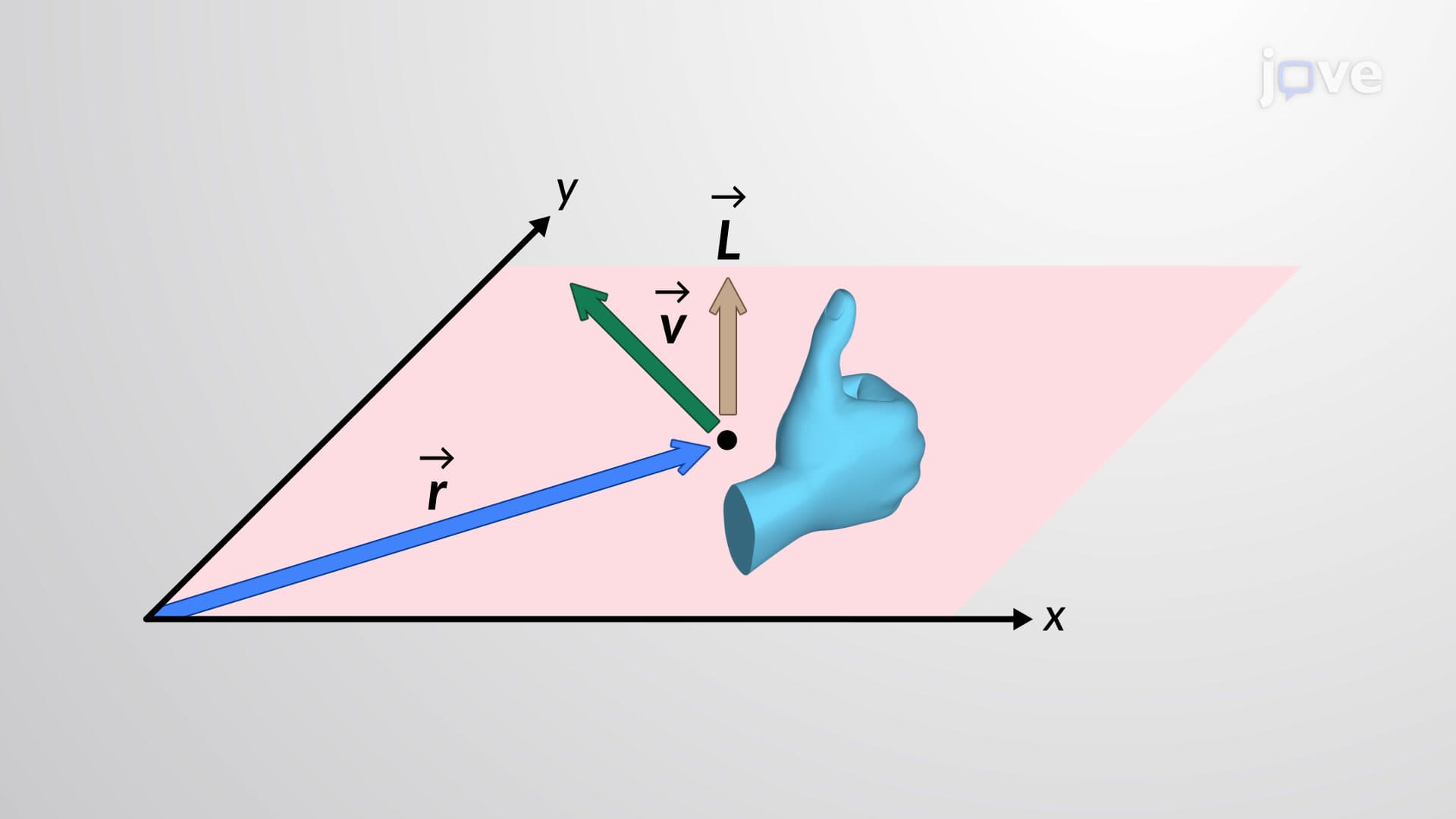
This concept builds from analyzing countless tiny particles within a rigid object. Each particle contributes its individual angular momentum, calculated as the cross product of its position vector and linear momentum. When we sum these contributions across the entire object, we discover that the total angular momentum depends on how mass is distributed relative to the rotation axis-this distribution defines the moment of inertia (I).
The derivation begins with individual particles rotating at radius r with tangential velocity v. Each particle's angular momentum equals mvr, where the velocity relates to angular velocity through v = ωr. Substituting this relationship yields mr²ω for each particle's contribution.
The brilliance emerges when summing over all particles: the total becomes (Σmr²)ω = Iω. The term Σmr² represents the moment of inertia, a measure of rotational inertia that depends on both mass and its distribution. Objects with mass concentrated far from the rotation axis (like figure skaters with extended arms) have larger moments of inertia than compact configurations.
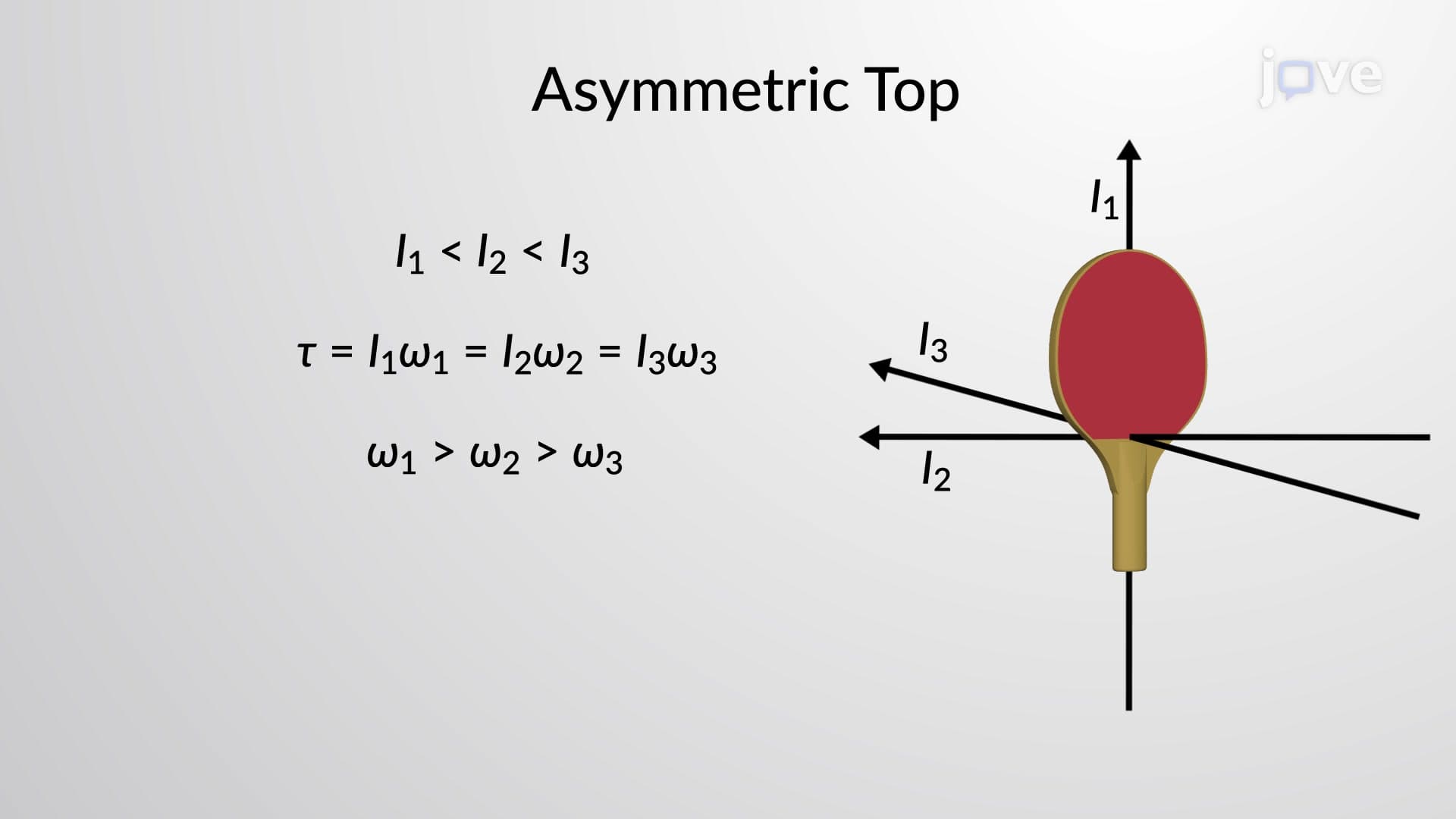
When rigid bodies rotate about symmetrical axes, their moment of inertia remains constant, creating a direct proportionality between angular momentum and angular velocity. This principle governs everything from the precise timing mechanisms in mechanical watches to the stabilization systems in SpaceX rockets.
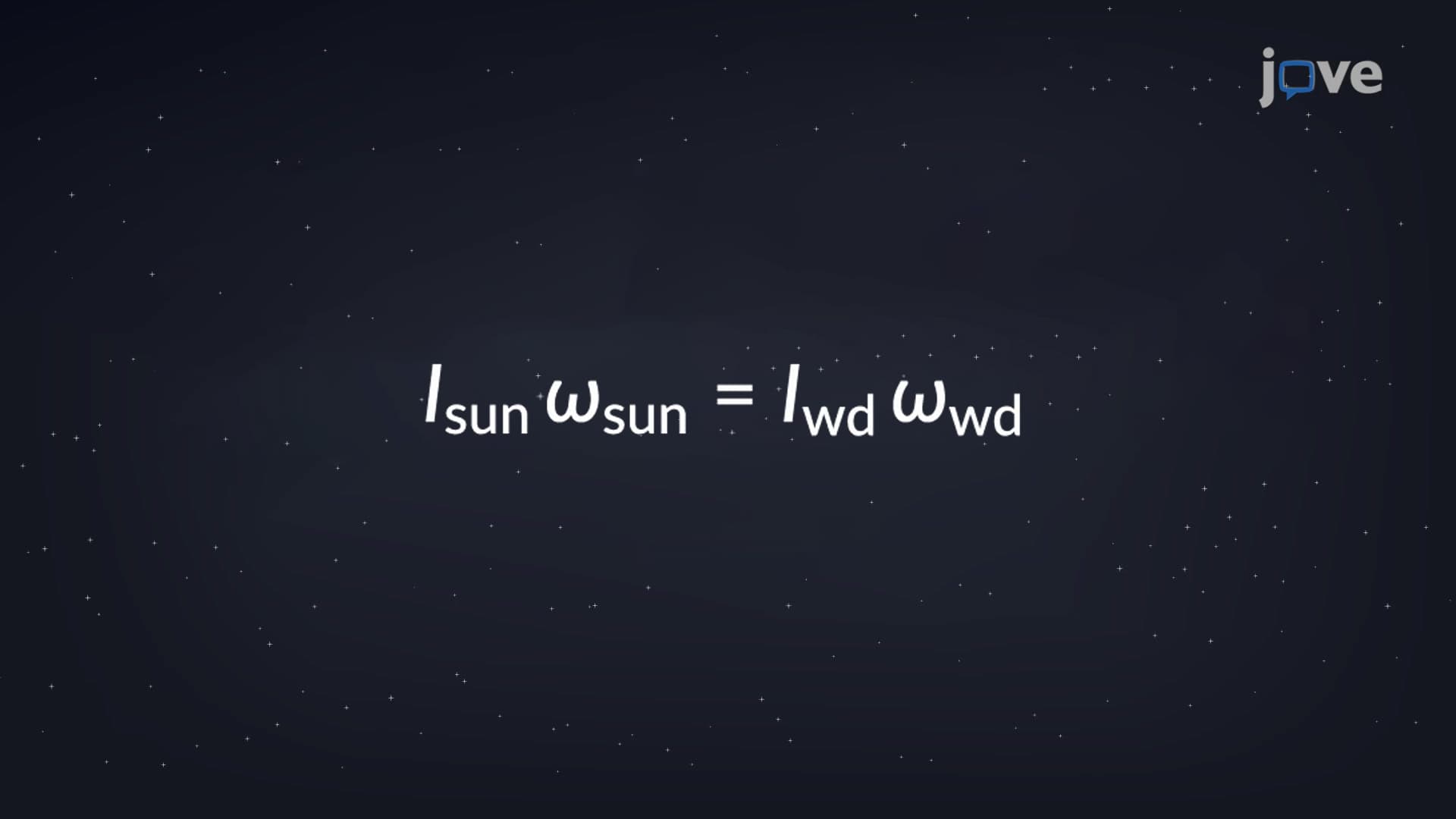
Consider a spinning figure skater: pulling arms inward decreases the moment of inertia, but angular momentum conservation demands increased angular velocity-hence faster spinning. Similarly, NASA engineers exploit this principle when designing spacecraft attitude control systems, using spinning reaction wheels to maintain precise orientations.
AP Physics and college-level courses frequently test angular momentum through conservation problems and rotational dynamics scenarios. Students encounter questions involving spinning disks, rolling objects, and collision problems where angular momentum remains constant despite changing configurations.
The key insight for exam success lies in recognizing that angular momentum conservation applies whenever no external torques act on the system. This principle appears in MCAT physics sections, particularly in biomechanics contexts involving joint rotation and muscle mechanics.
Related Micro-courses