Loading video…


 14 Concepts
 115.7K views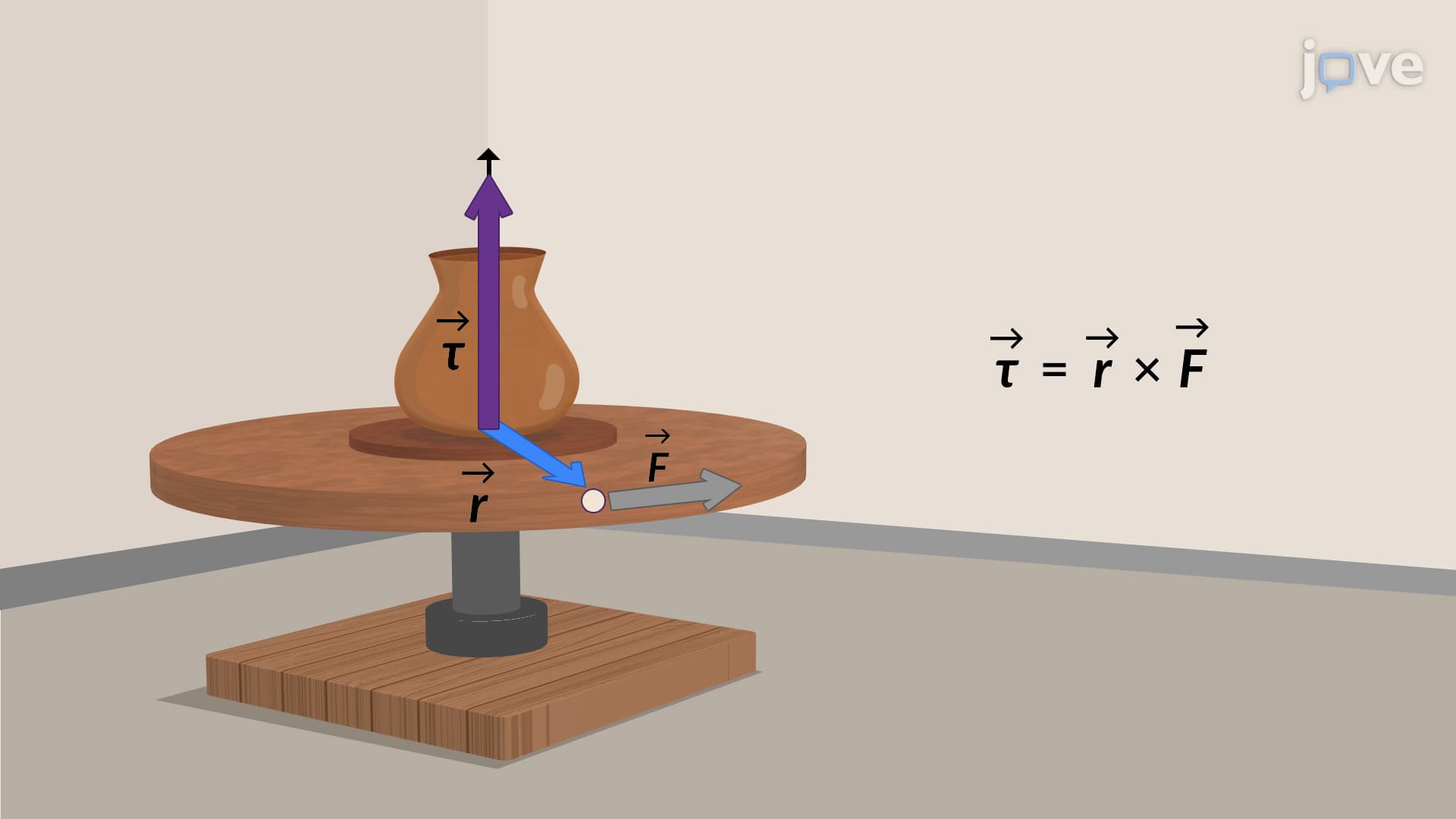

Video Summary: What Is Torque
Ever wonder why opening a door by pushing near the handle feels effortless, but pushing near the hinges requires significant effort? This demonstrates torque, the rotational force that causes objects to spin around an axis. From the massive turbines in wind farms across Texas to the simple mechanics of a wrench tightening bolts in automotive shops, torque governs rotational motion everywhere. Watch the full video on JoVE Coach to master this concept with expert-led visuals and step-by-step explanations.
Torque represents the rotational equivalent of force in linear motion. While force causes objects to accelerate in straight lines, torque causes objects to rotate around an axis. This fundamental physics concept explains why certain mechanical advantages exist in everyday tools and machines.
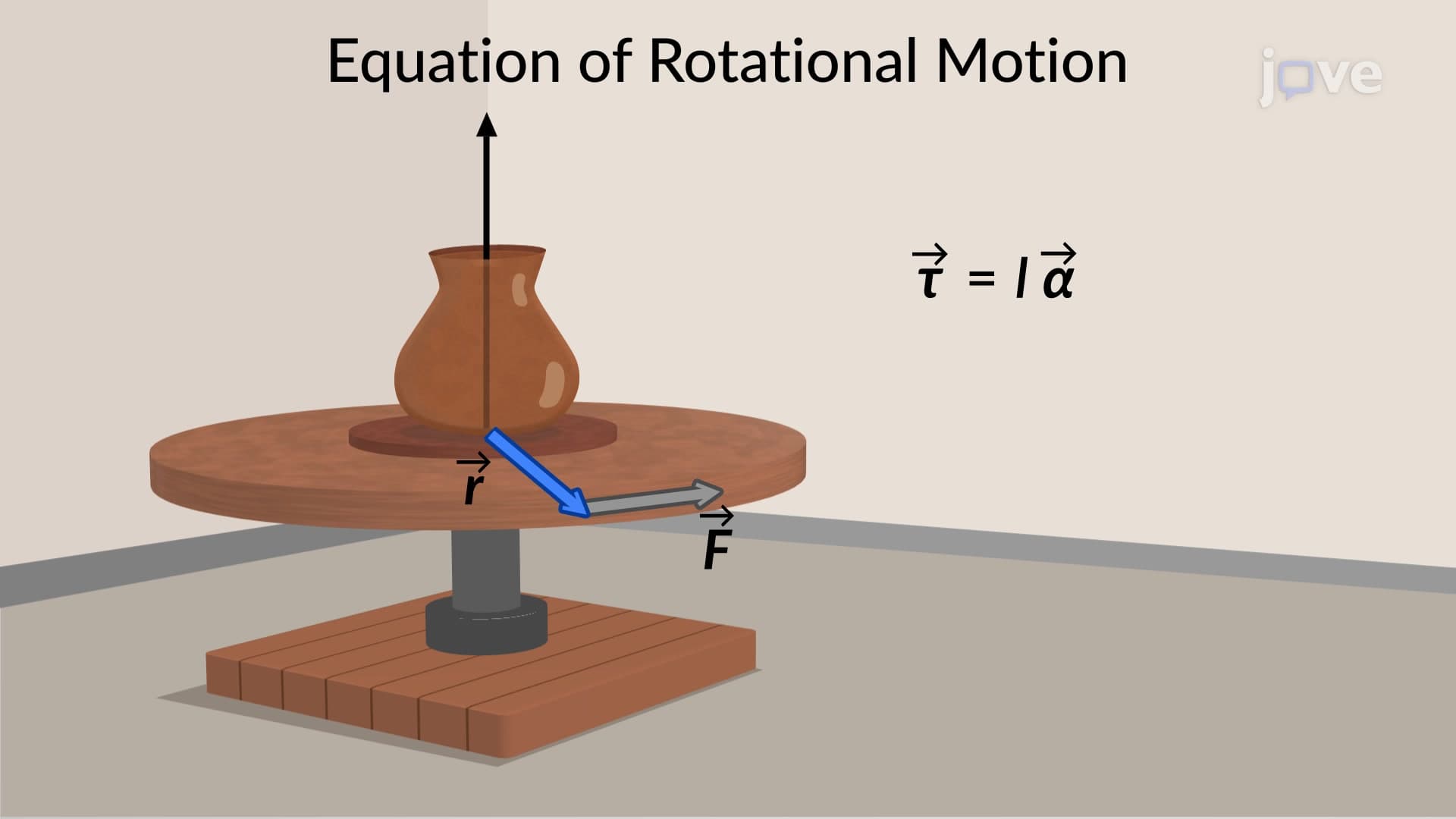
The torque definition encompasses three critical elements: the applied force, the distance from the rotation axis (lever arm), and the angle between the force and lever arm vectors. This relationship forms the mathematical foundation: τ = r × F × sin(θ), where τ represents torque, r is the lever arm distance, F is the applied force, and θ is the angle between them.
When exploring what is torque in detail, students must understand its vector nature. Torque results from the cross product of the position vector (lever arm) and force vector, making it perpendicular to both. This perpendicular orientation explains why torque has direction, either into or out of the rotation plane.
The sine function in the torque equation reveals why angle matters. Maximum torque occurs when force applies perpendicular to the lever arm (θ = 90°, sin(90°) = 1), while parallel forces produce zero torque (θ = 0°, sin(0°) = 0). This principle governs wrench design, where mechanics apply force perpendicular to handle length for maximum effectiveness.
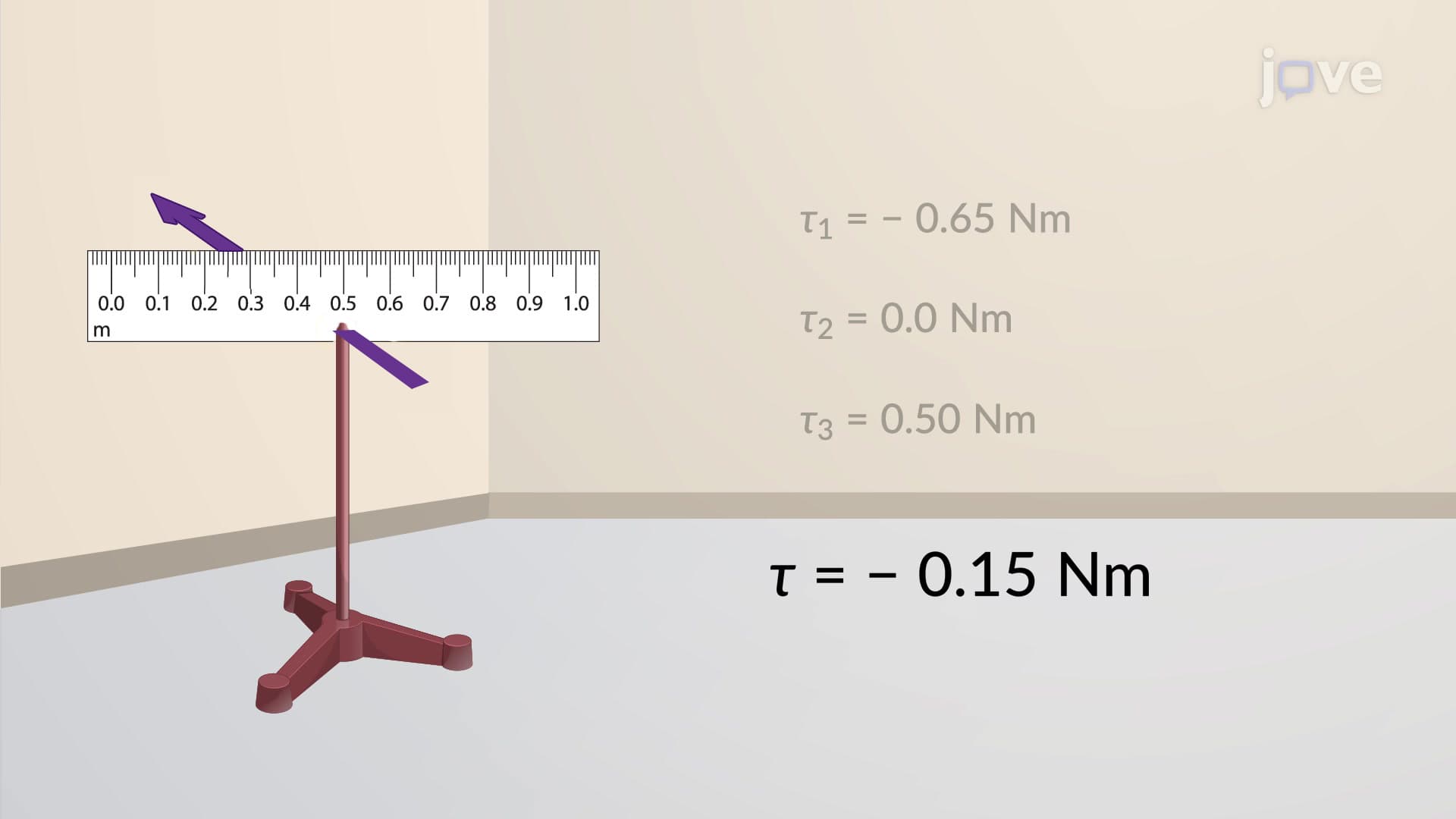
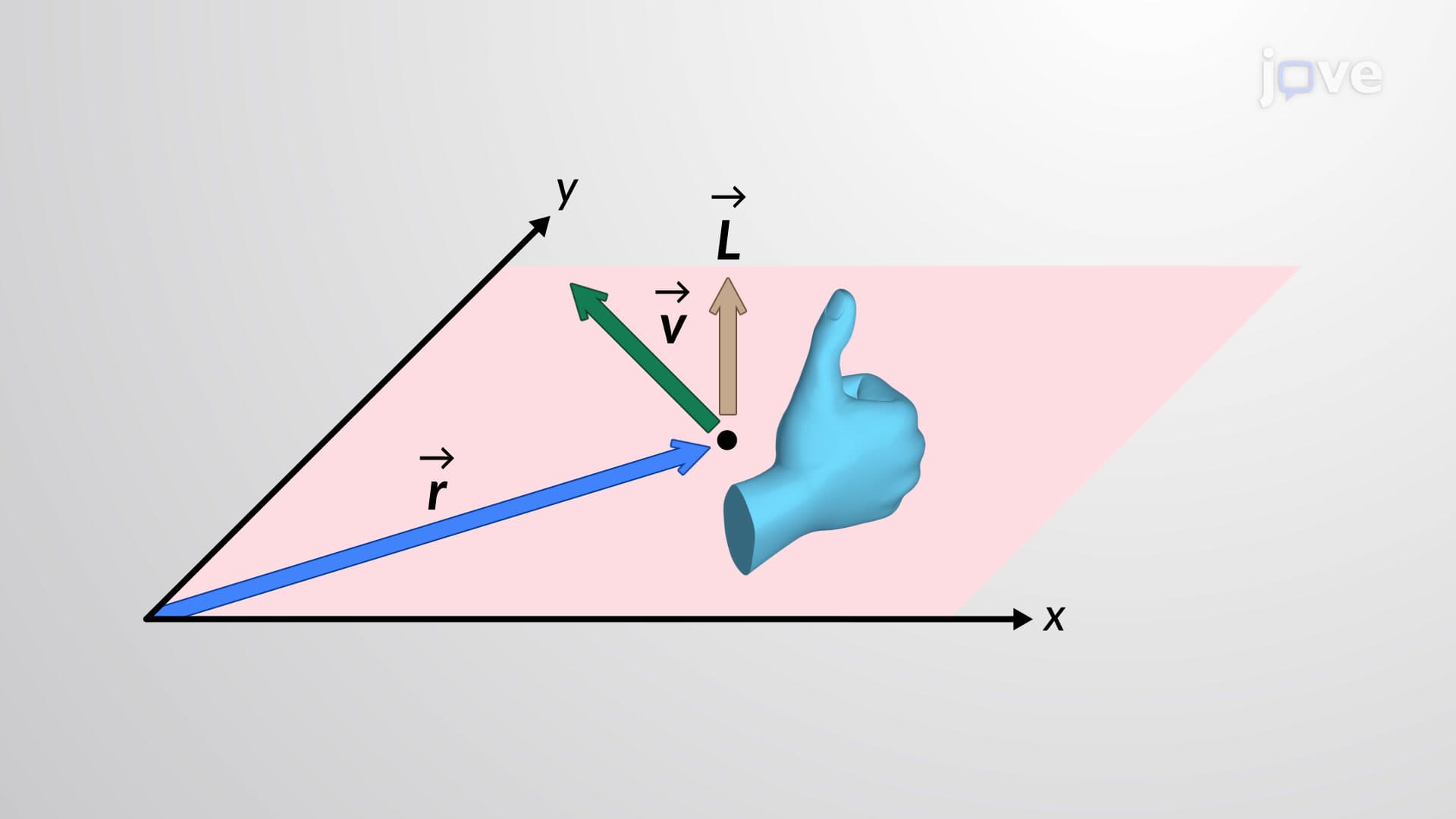
The right-hand rule determines torque direction systematically. Curl fingers in the rotation direction; the thumb points toward the torque vector. Conventionally, counterclockwise rotation produces positive torque, while clockwise rotation yields negative torque. This sign convention proves essential for solving equilibrium problems in AP Physics and college-level mechanics courses.
This torque overview connects to numerous practical applications. Automotive technicians use torque specifications when tightening lug nuts, ensuring proper wheel attachment without over-tightening. Athletes leverage torque principles in sports, figure skaters reduce rotational inertia by pulling arms inward, increasing spin rate while conserving angular momentum.
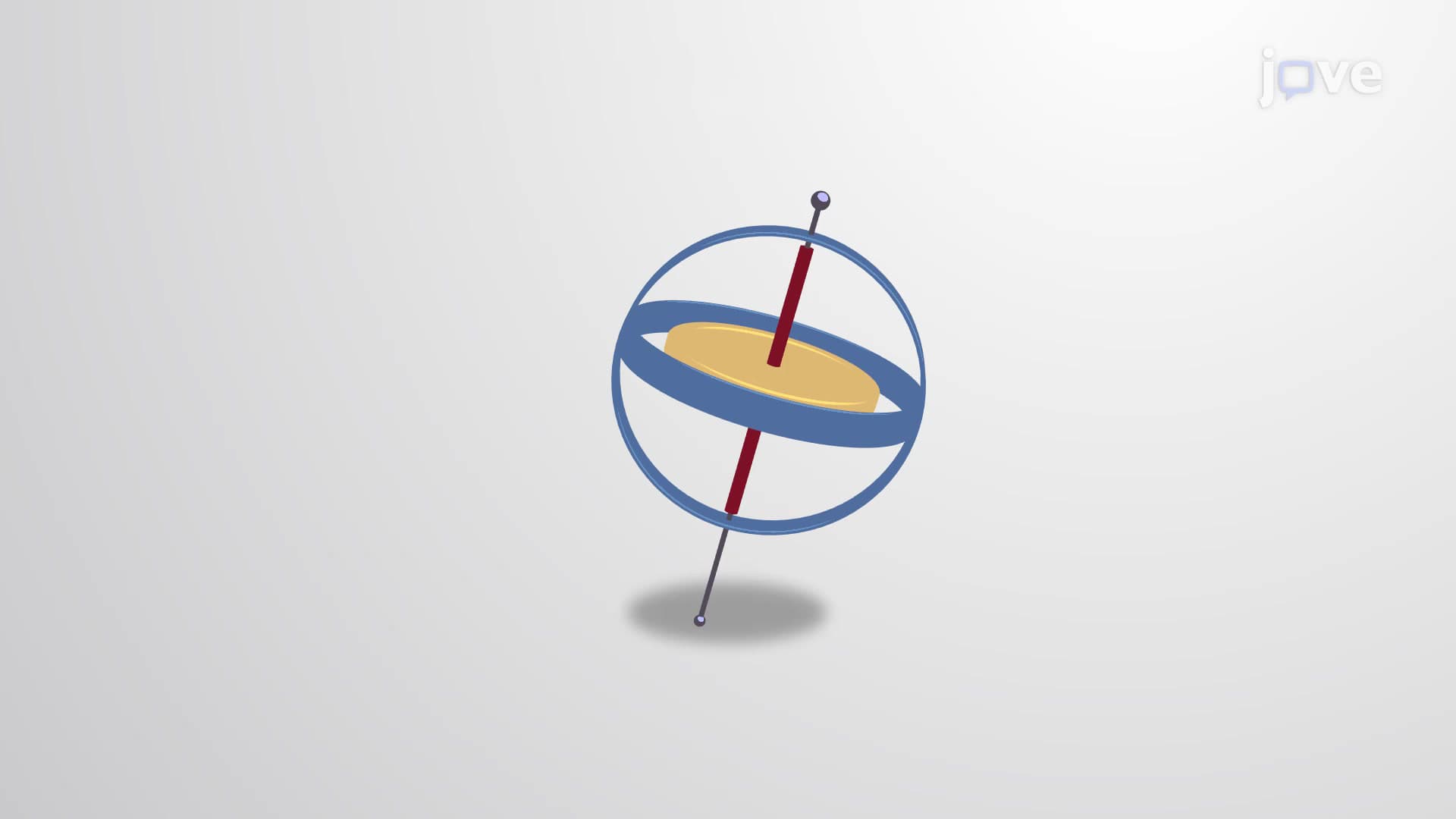
For students preparing for AP Physics, SAT Subject Tests, or college physics exams, understanding torque provides the foundation for more complex rotational dynamics topics, including angular momentum, rotational kinetic energy, and gyroscopic motion.
Related Micro-courses