Loading video…


 14 Concepts
 115.7K views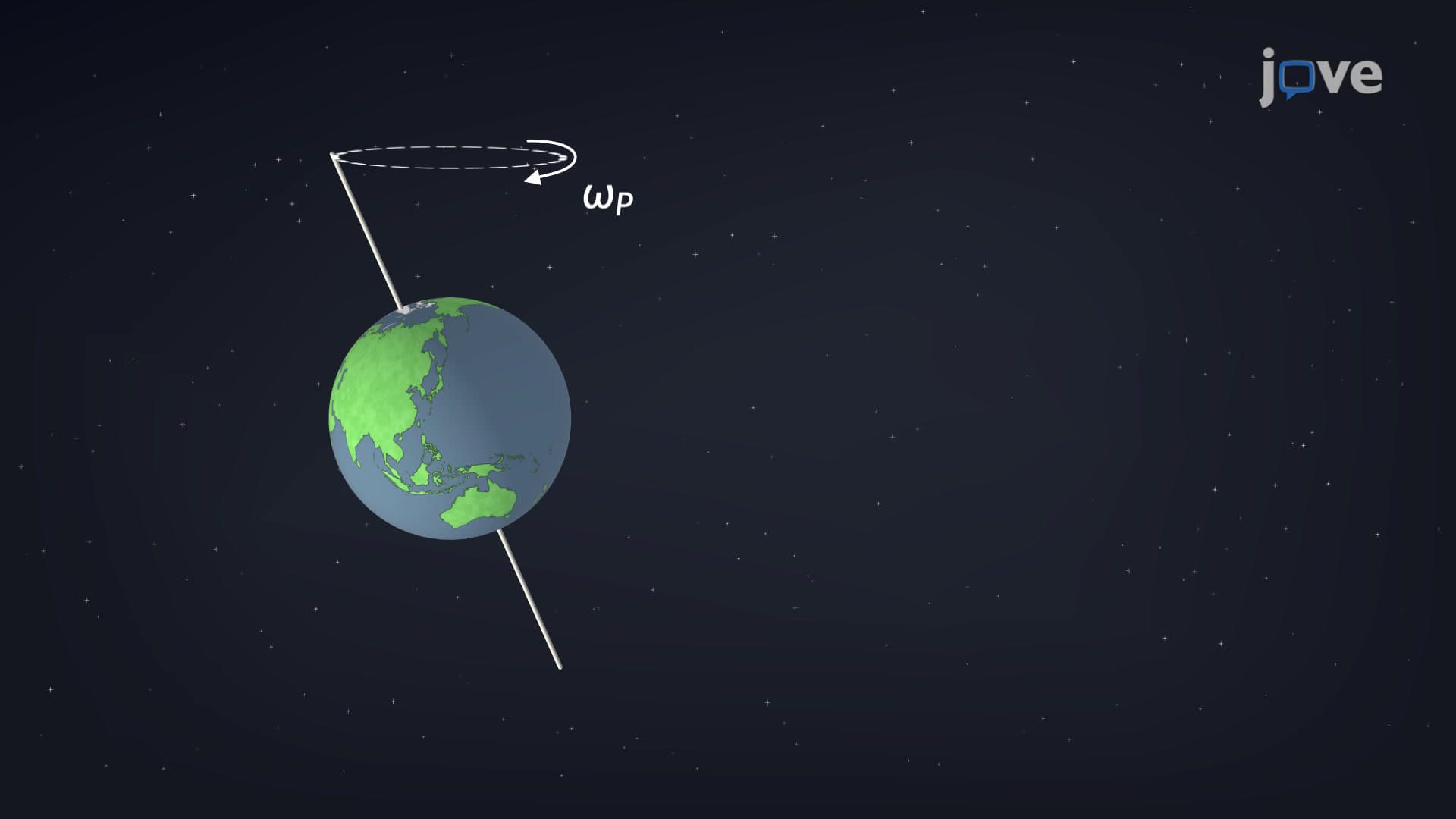

Video Summary: What Is Gyroscope Precession
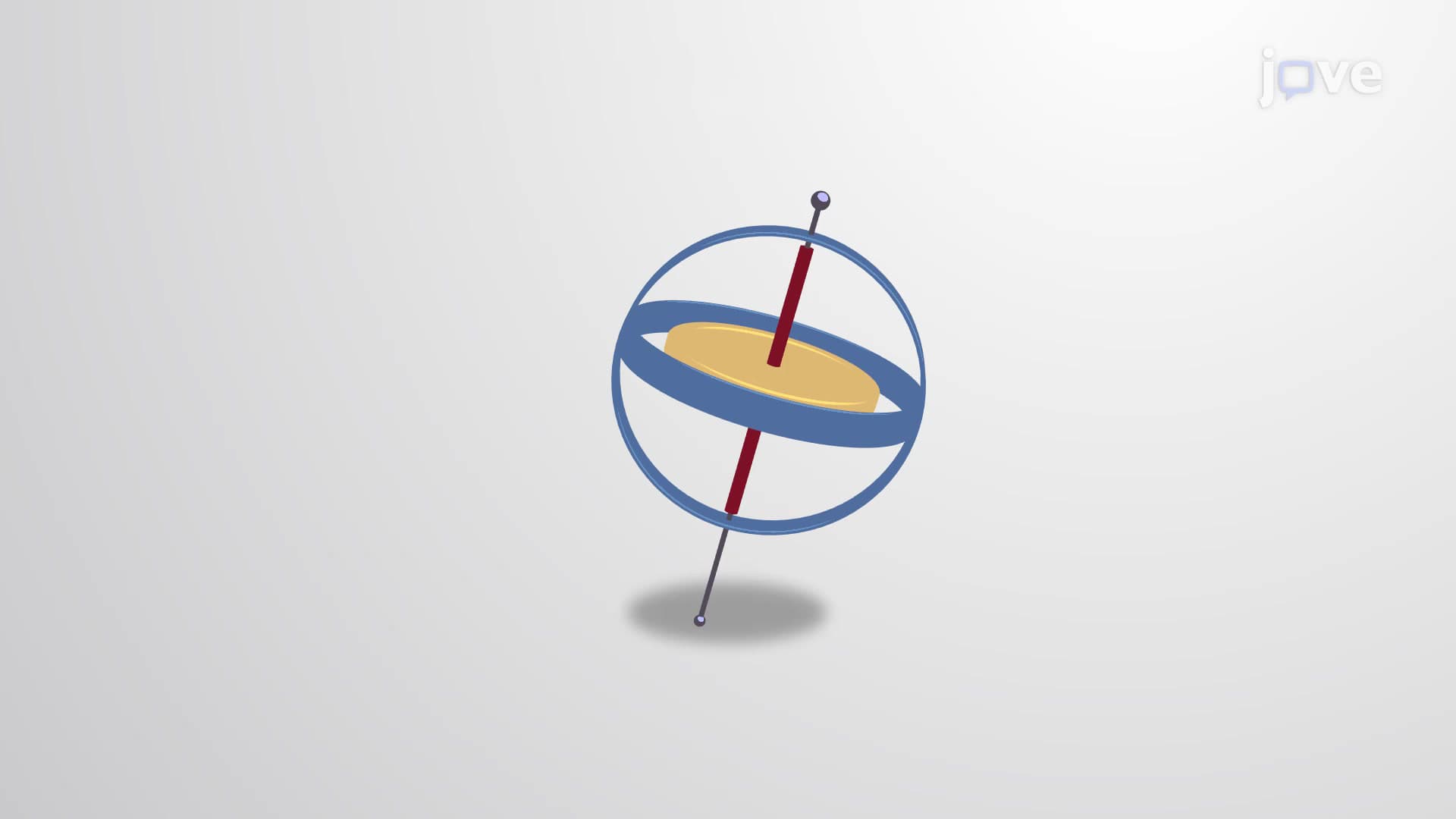
Ever wonder why a spinning top doesn't just fall over immediately? Gyroscope precession explains this fascinating phenomenon through the complex interaction of angular momentum and torque. Just like Earth's axis slowly wobbles over thousands of years due to gravitational forces from the Sun and Moon, spinning objects exhibit predictable rotational behavior. NASA engineers rely on gyroscopic principles to orient spacecraft and satellites in orbit. What is Gyroscope Precession becomes clear when we understand how spinning motion creates stability through continuous directional changes. Watch the full video on JoVE Coach to master this concept with expert-led visuals and step-by-step explanations.
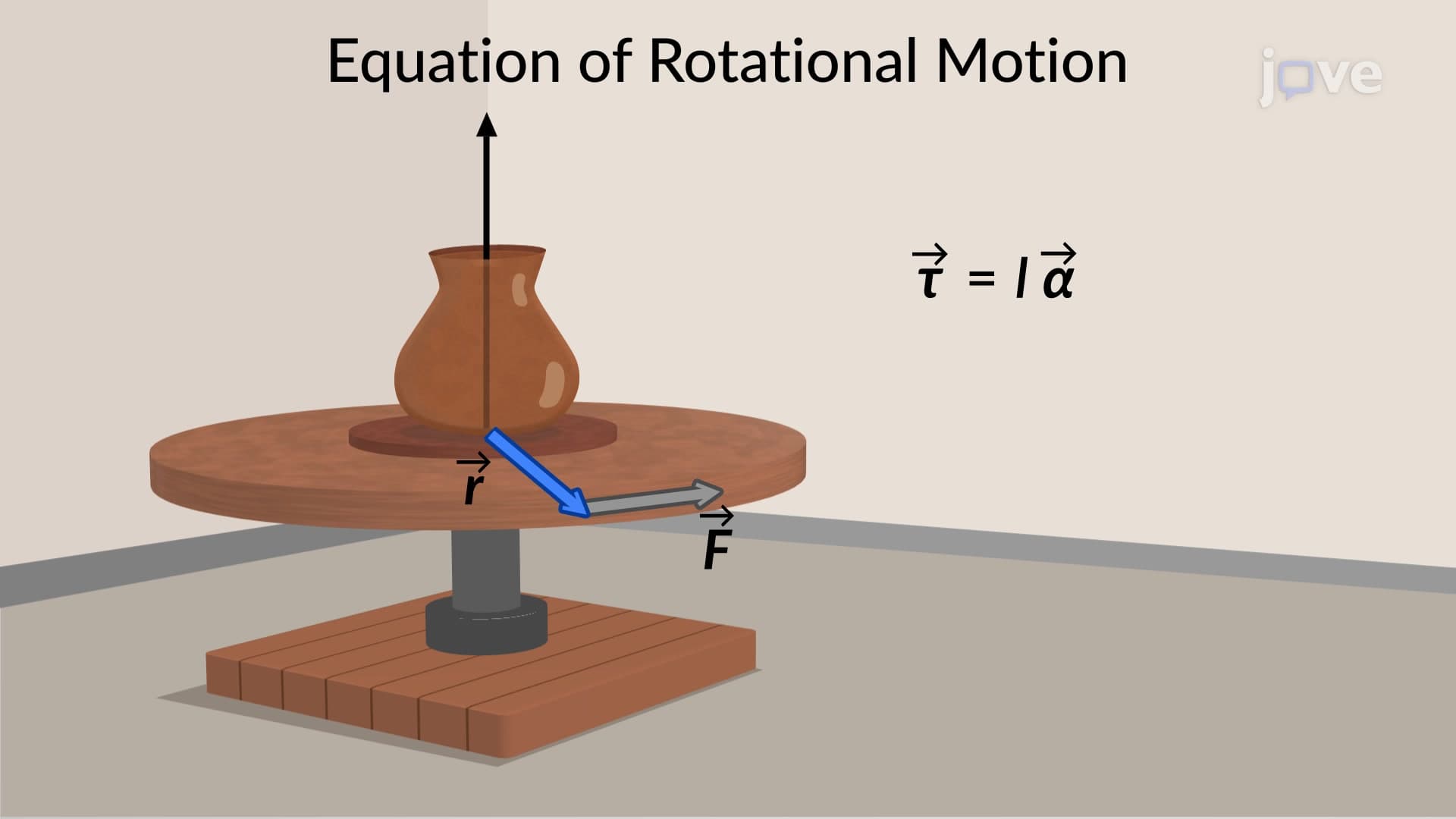
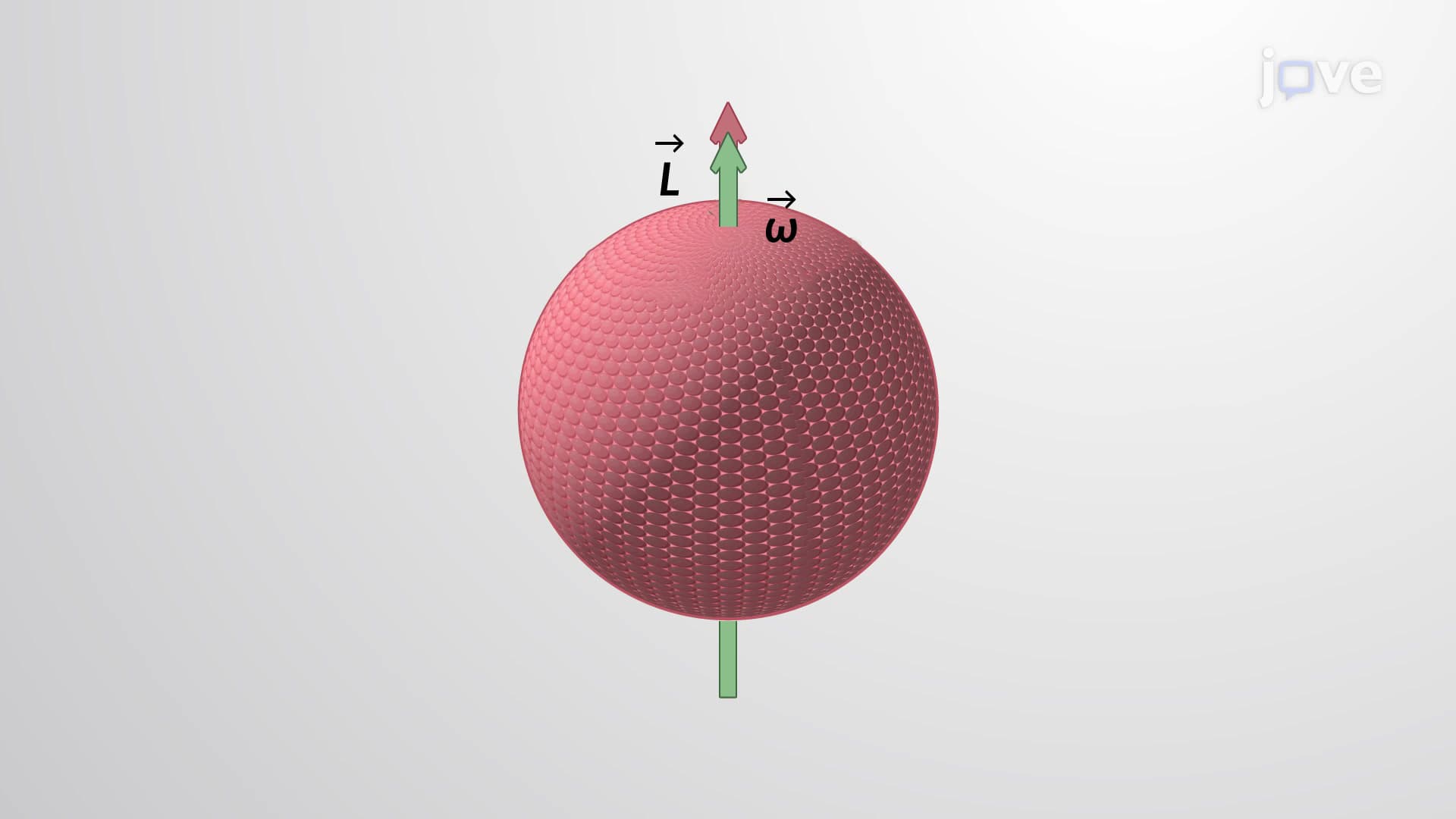
What is Gyroscope Precession represents one of physics' most elegant demonstrations of rotational mechanics. When a spinning object experiences an external torque perpendicular to its angular momentum vector, it responds not by tipping over but by rotating around a secondary axis. This counterintuitive behavior occurs because torque changes the direction-not magnitude-of angular momentum, creating a smooth, continuous rotation called precession.
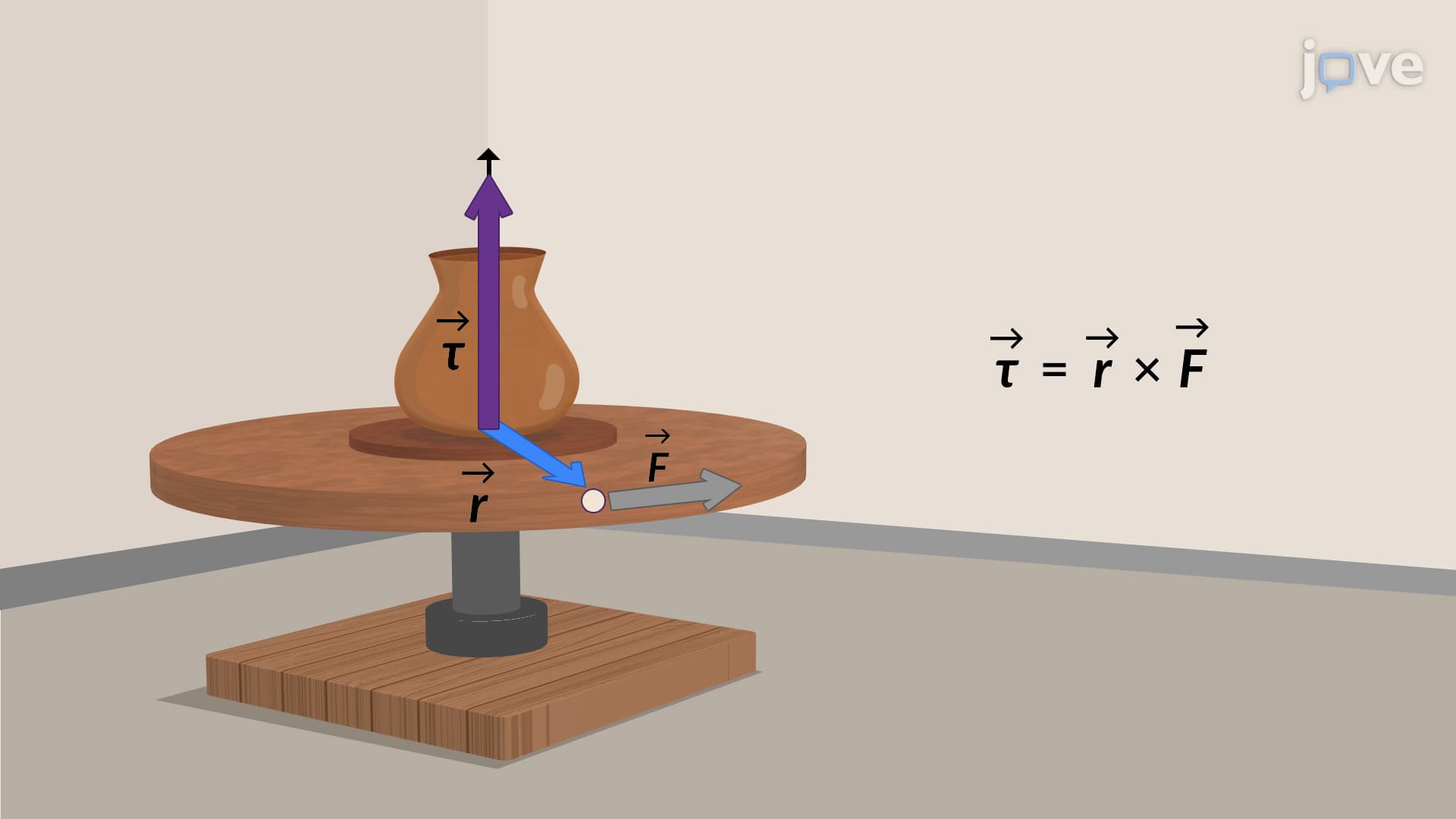
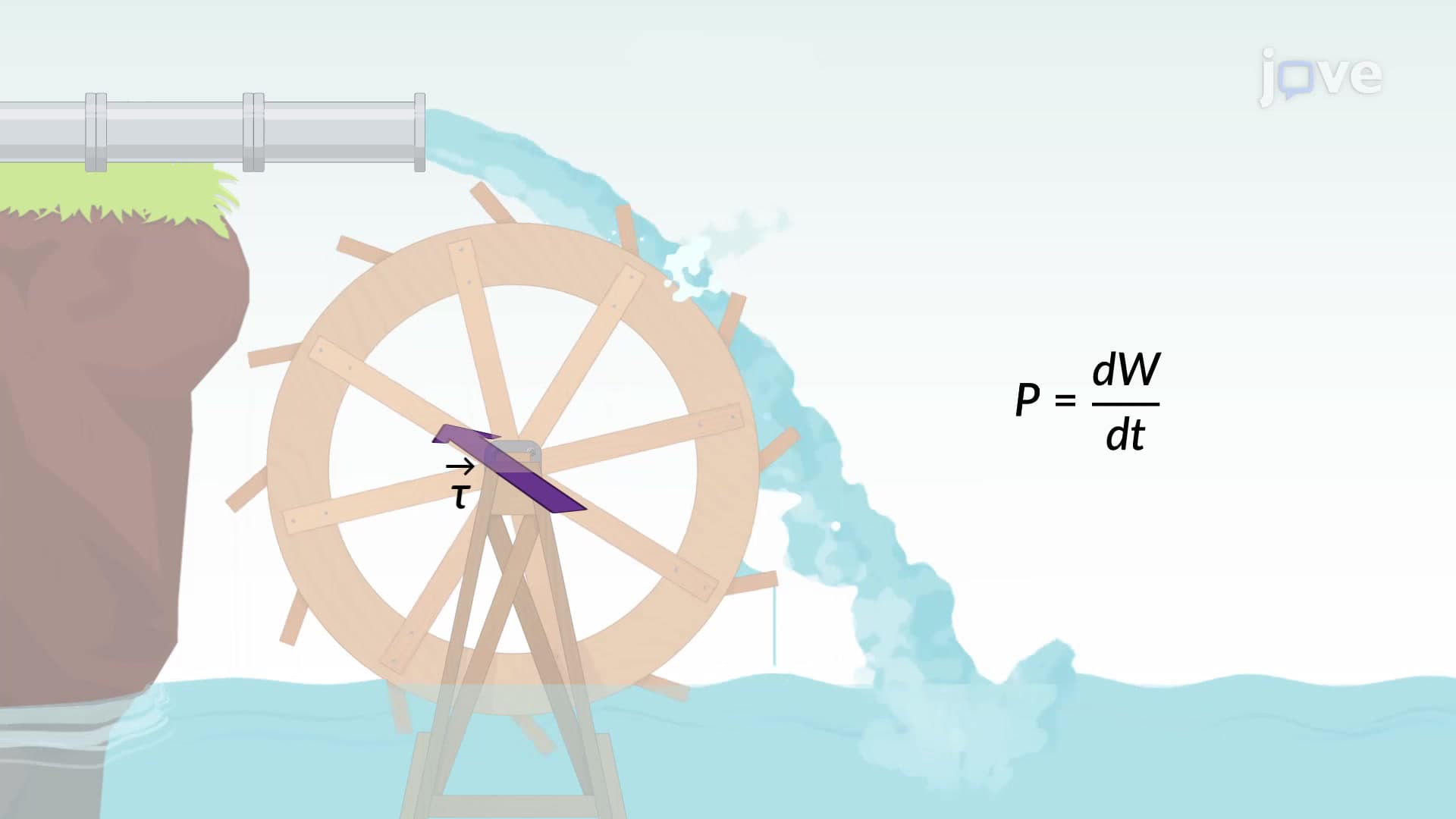
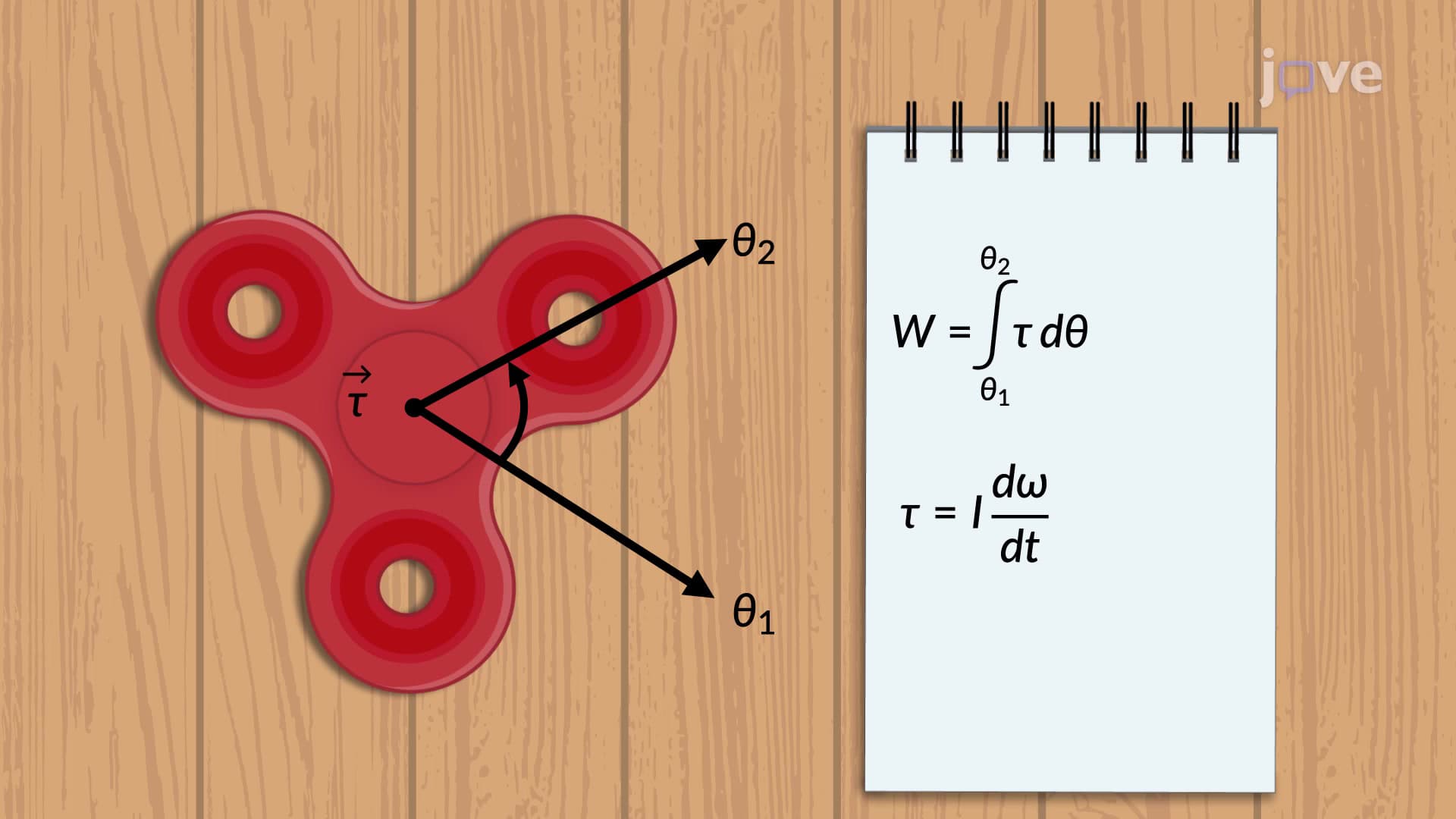
The gyroscope precession definition emerges from the fundamental relationship between torque and angular momentum change. When torque τ acts on a spinning system for time interval dt, it produces a small change in angular momentum dL = τ × dt. Rather than stopping the spin, this change redirects the angular momentum vector, causing the entire system to precess with velocity ωp.
The mathematical foundation reveals that precession velocity inversely relates to angular momentum: ωp = τ/L. Since angular momentum L equals moment of inertia I times angular velocity ω (L = Iω), faster-spinning objects precess more slowly when subjected to identical torques. This principle explains why figure skaters spin faster when they pull their arms inward-reducing moment of inertia while maintaining angular momentum.
Understanding gyroscope precession in detail proves essential for numerous American industries and technologies. The Global Positioning System (GPS) relies on gyroscopic stabilization to maintain satellite orientation. Boeing and Lockheed Martin engineers utilize gyroscopic principles in aircraft navigation systems, while Tesla and other automotive manufacturers incorporate gyroscopic sensors in electronic stability control systems.
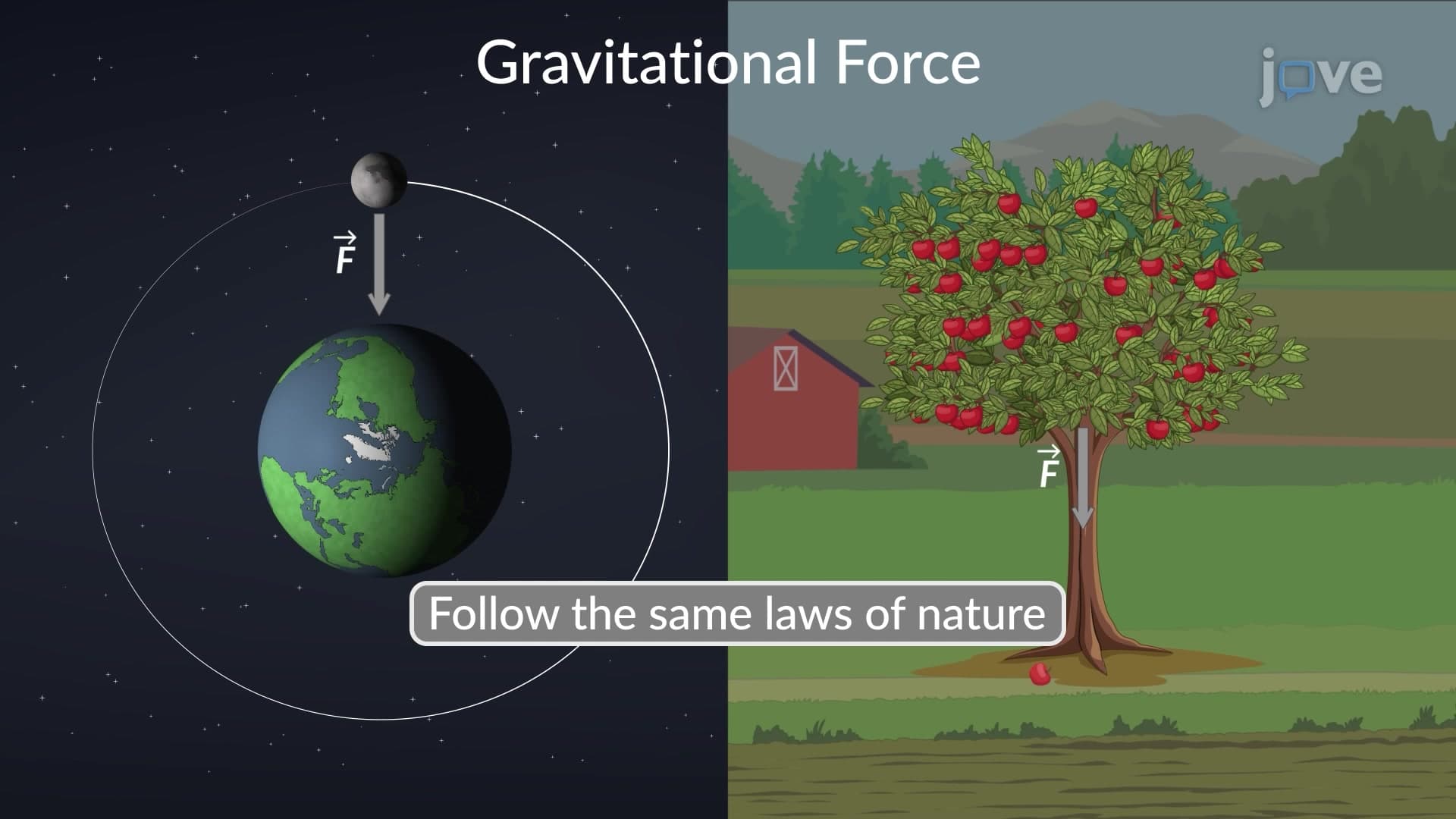
Earth itself demonstrates large-scale precession, completing one full cycle approximately every 26,000 years. This astronomical precession affects long-term climate patterns and explains why Polaris won't always serve as the North Star. The Hubble Space Telescope uses precision gyroscopes to maintain stable positioning for deep-space observations.
Students preparing for AP Physics C, SAT Subject Tests, or college mechanics courses should focus on the vector nature of angular momentum and torque. Common exam questions involve calculating precession rates for spinning wheels, determining stability conditions for rotating systems, and analyzing gyroscopic effects in moving vehicles.
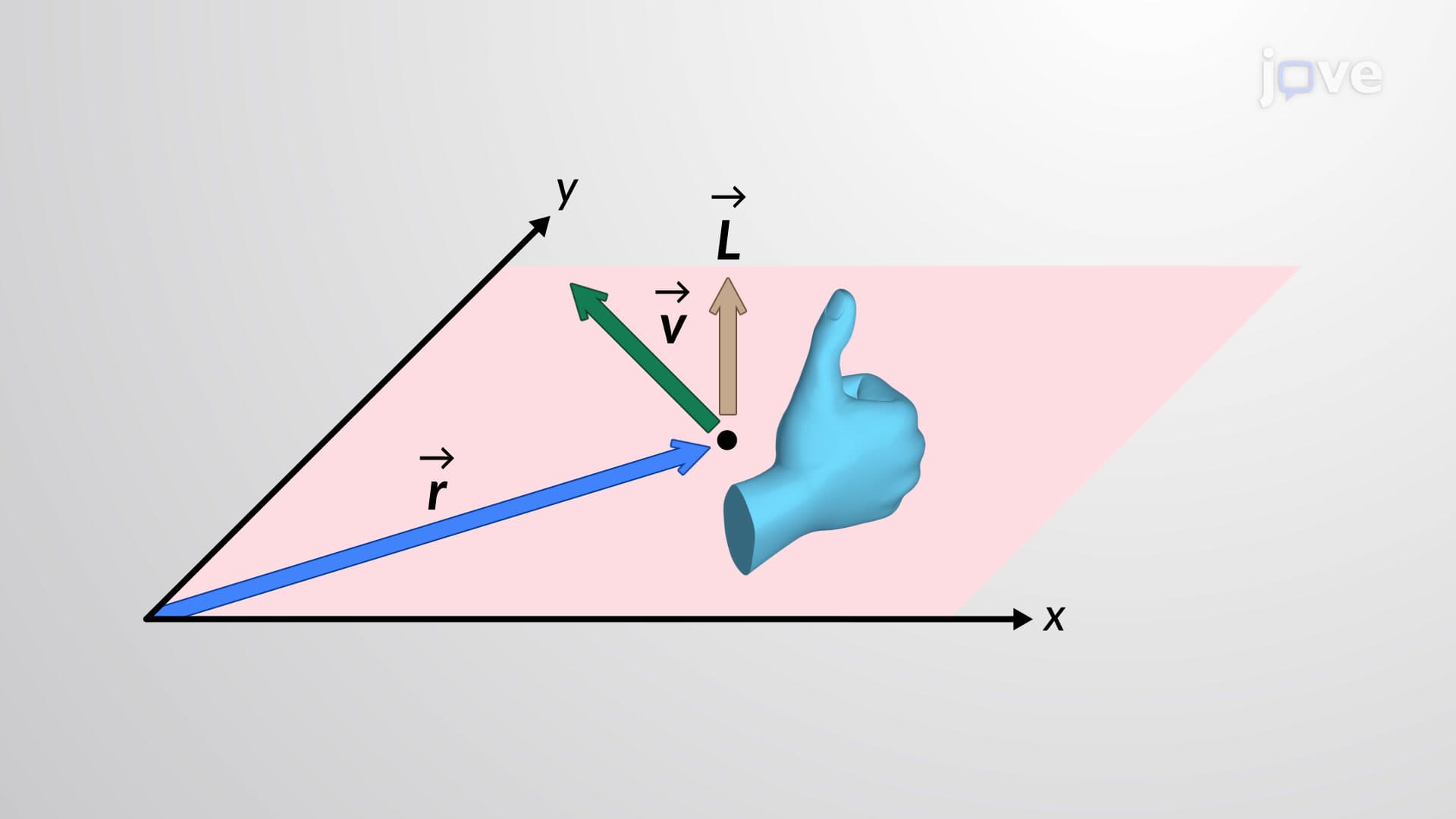
The key insight for problem-solving involves recognizing that precession occurs perpendicular to both the applied torque and existing angular momentum. Practice problems often feature bicycle wheels, spinning tops, or Earth's orbital mechanics, requiring students to apply right-hand rules and vector cross products to determine precession directions and magnitudes.
Related Micro-courses