Loading video…


 14 Concepts
 115.7K views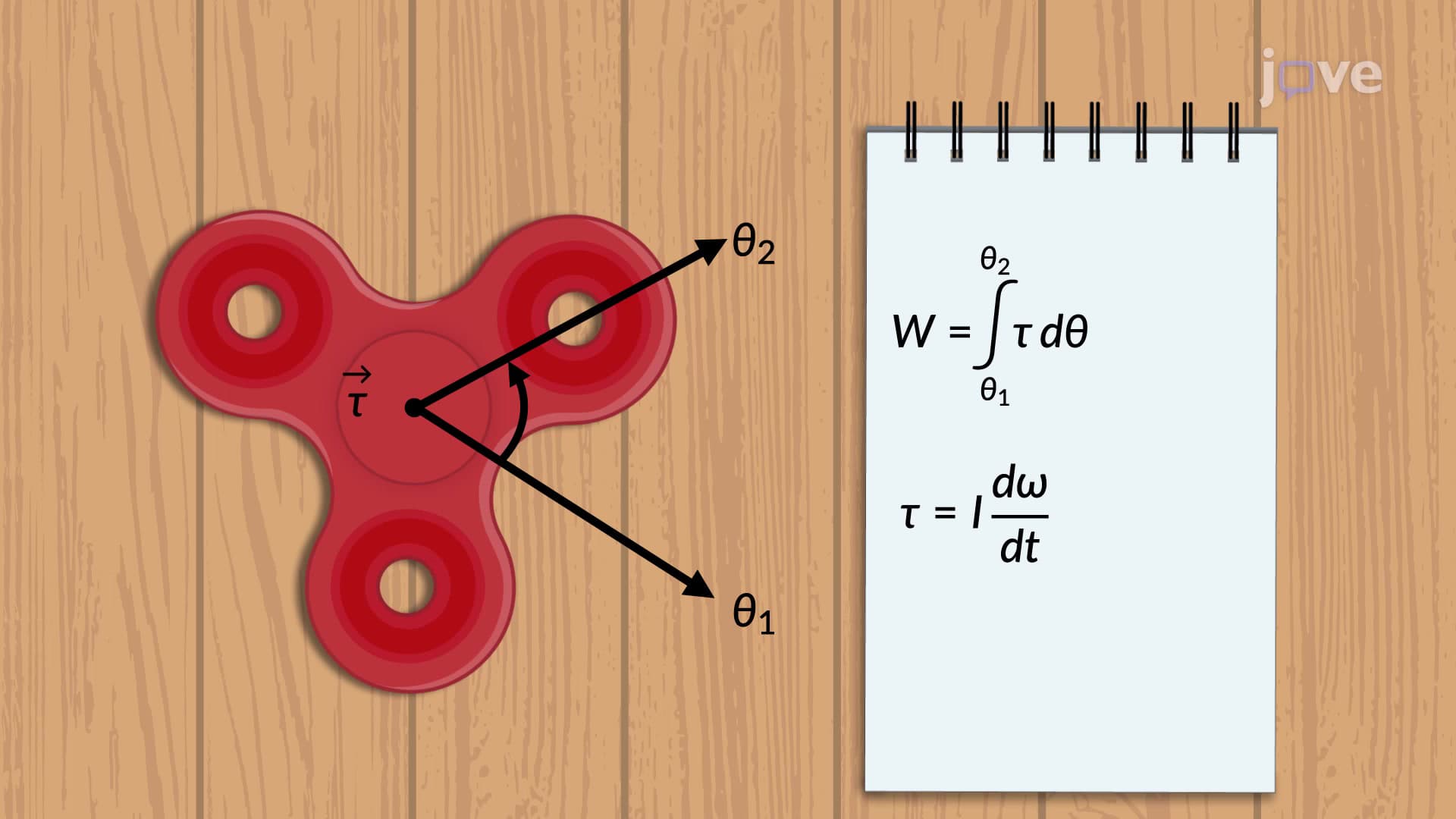

Video Summary: Work Energy Theorem for Rotational Motion Explained
Ever wonder why a NASCAR tire spinning at 200 mph carries enough energy to launch debris hundreds of feet? The work energy theorem for rotational motion reveals that the work done by external torques equals the change in rotational kinetic energy of spinning objects. This fundamental physics principle governs everything from figure skaters pulling in their arms to increase spin speed to the massive turbines at Hoover Dam converting water flow into electrical energy. Watch the full video on JoVE Coach to master this concept with expert-led visuals and step-by-step explanations.
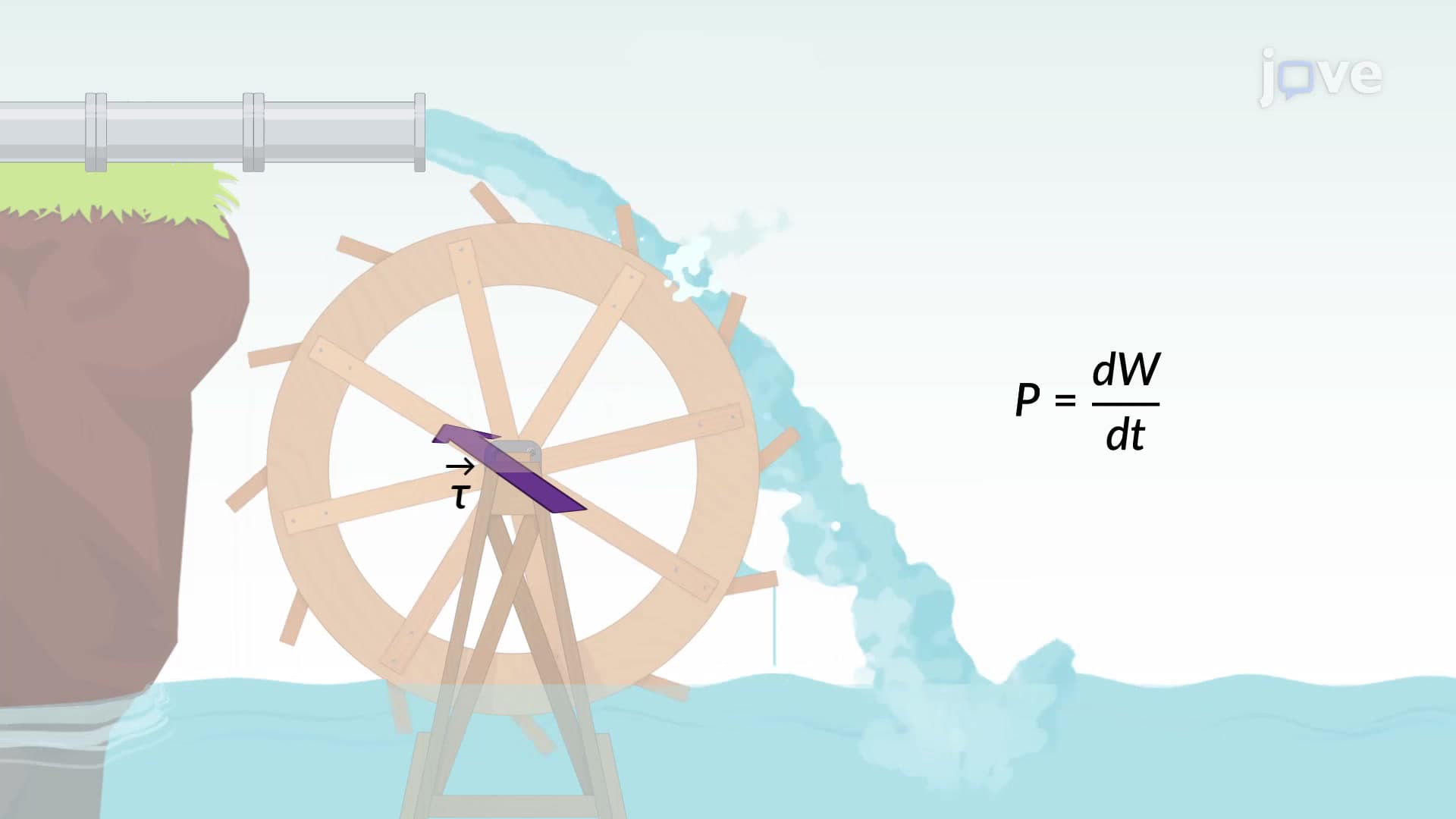
The work energy theorem for rotational motion represents one of physics' most elegant connections between force, motion, and energy in spinning systems. While the linear version relates force and displacement to kinetic energy changes, the rotational version demonstrates how torque and angular displacement govern rotational energy transformations. This principle becomes essential for understanding everything from the operation of electric motors in Tesla vehicles to the physics behind Olympic figure skating performances.
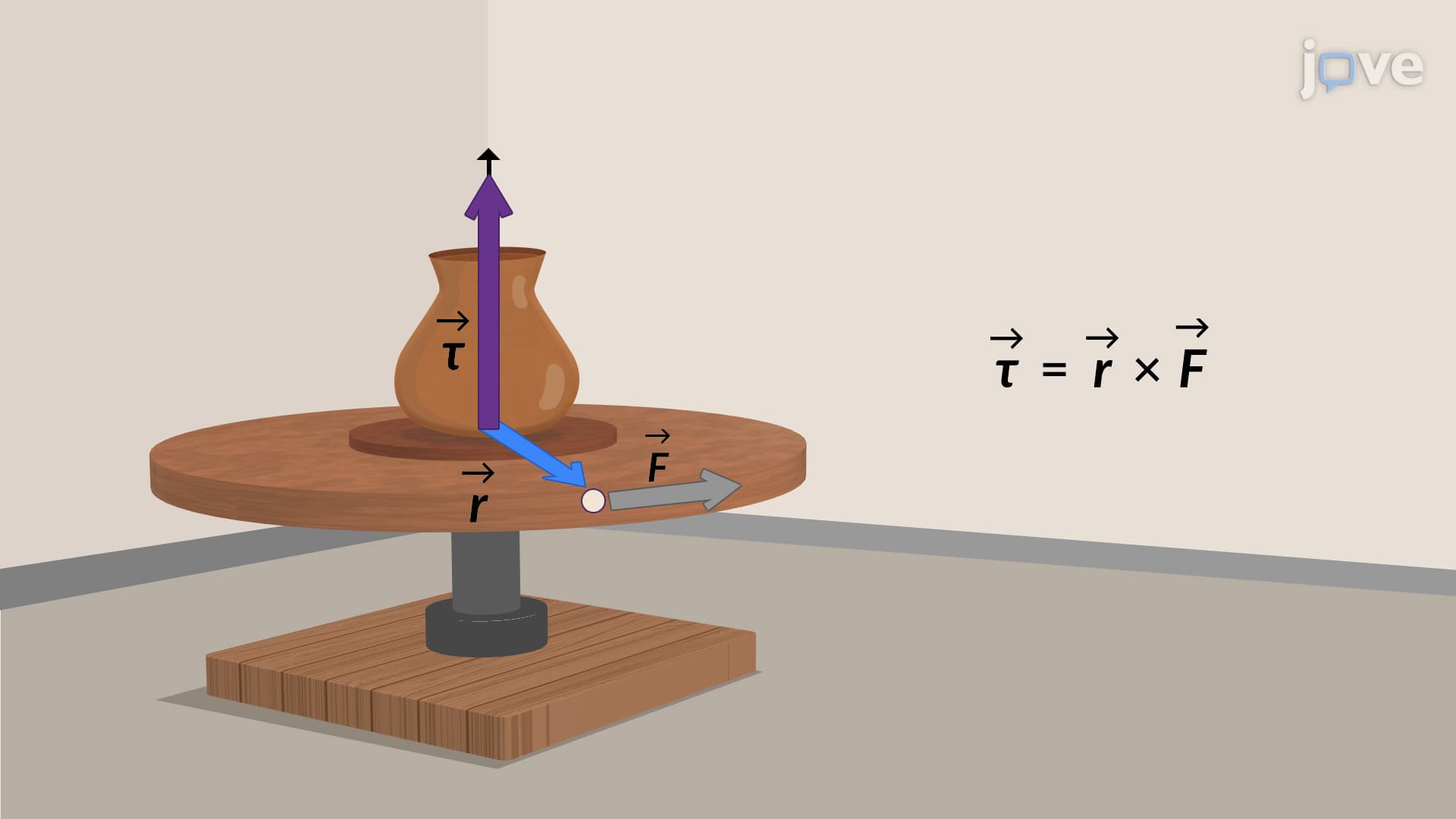
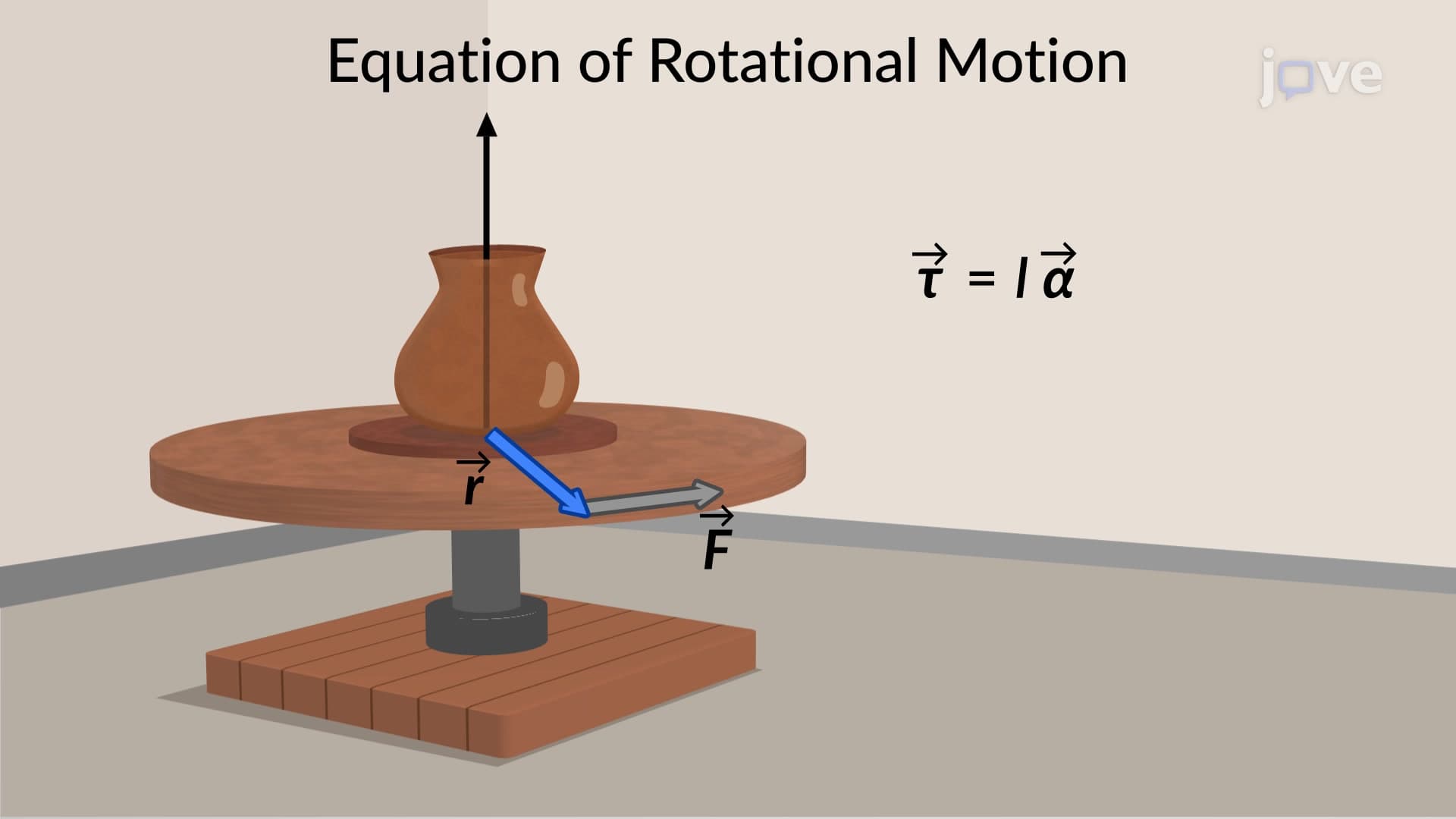
The theorem states that the total work done on a rotating rigid body equals the change in its rotational kinetic energy: W = ΔKE(rotational) = ½Iω(final)² - ½Iω(initial)². This elegant equation emerges from integrating the torque-displacement relationship, where work equals the integral of net torque times angular displacement. Since net torque equals moment of inertia times angular acceleration (τ = Iα), substituting this relationship and applying calculus chain rule techniques reveals the connection to rotational kinetic energy. Students preparing for AP Physics C mechanics or college-level physics courses must master this derivation, as it frequently appears on exams requiring both conceptual understanding and mathematical manipulation skills.
Consider the massive wind turbines dotting the plains of Kansas and Texas. Each 300-foot blade system demonstrates the work energy theorem as wind applies torque, causing angular acceleration that converts to electrical energy through generators. The Boeing 787's jet engines similarly showcase this principle-fuel combustion creates torque on turbine blades, transforming chemical energy into rotational kinetic energy, then into thrust. Understanding these energy transformations helps engineering students at institutions like MIT, Stanford, and Georgia Tech design more efficient rotating machinery.
Mastering rotational work-energy problems requires recognizing when to apply this theorem versus other rotational dynamics principles. Start by identifying all torques acting on the system, determine initial and final angular velocities, and calculate the moment of inertia for the specific geometry involved. College physics courses and standardized exams like the MCAT often combine this concept with conservation of energy principles, requiring students to track energy transformations through multiple stages of motion. Practice problems involving pulleys, rotating platforms, and spinning wheels help solidify understanding before tackling more complex scenarios in advanced mechanics courses.
Related Micro-courses