Loading subject page…

- Physics
- Dynamics of Rotational Motions
- Work-Energy Theorem for Rotational Motion
Micro-course: Dynamics of Rotational Motions
115,700 views
Learn key concepts and earn your certificate.




Work-Energy Theorem for Rotational Motion
00:00
01:11
- Understand how the Work Energy Theorem For Rotational Motion Explained connects applied torque to changes in rotational kinetic energy
- Identify the mathematical relationship between work done by external forces and angular displacement in rotating systems
- Analyze how moment of inertia and angular acceleration combine to determine net torque on rigid bodies
- Apply the rotational work-energy equation to solve problems involving spinning objects like wheels, turbines, and planetary motion
- Compare translational and rotational forms of the work-energy theorem to recognize fundamental physics parallels
- Evaluate energy transformations in real rotating systems from initial to final angular velocities
- Recognize when to use integration techniques to derive the rotational kinetic energy formula from basic torque principles
- Explore practical applications in engineering systems, sports mechanics, and astronomical phenomena
Understanding the Work Energy Theorem For Rotational Motion
The work energy theorem for rotational motion represents one of physics' most elegant connections between force, motion, and energy in spinning systems. While the linear version relates force and displacement to kinetic energy changes, the rotational version demonstrates how torque and angular displacement govern rotational energy transformations. This principle becomes essential for understanding everything from the operation of electric motors in Tesla vehicles to the physics behind Olympic figure skating performances.
Mathematical Foundation and Derivation
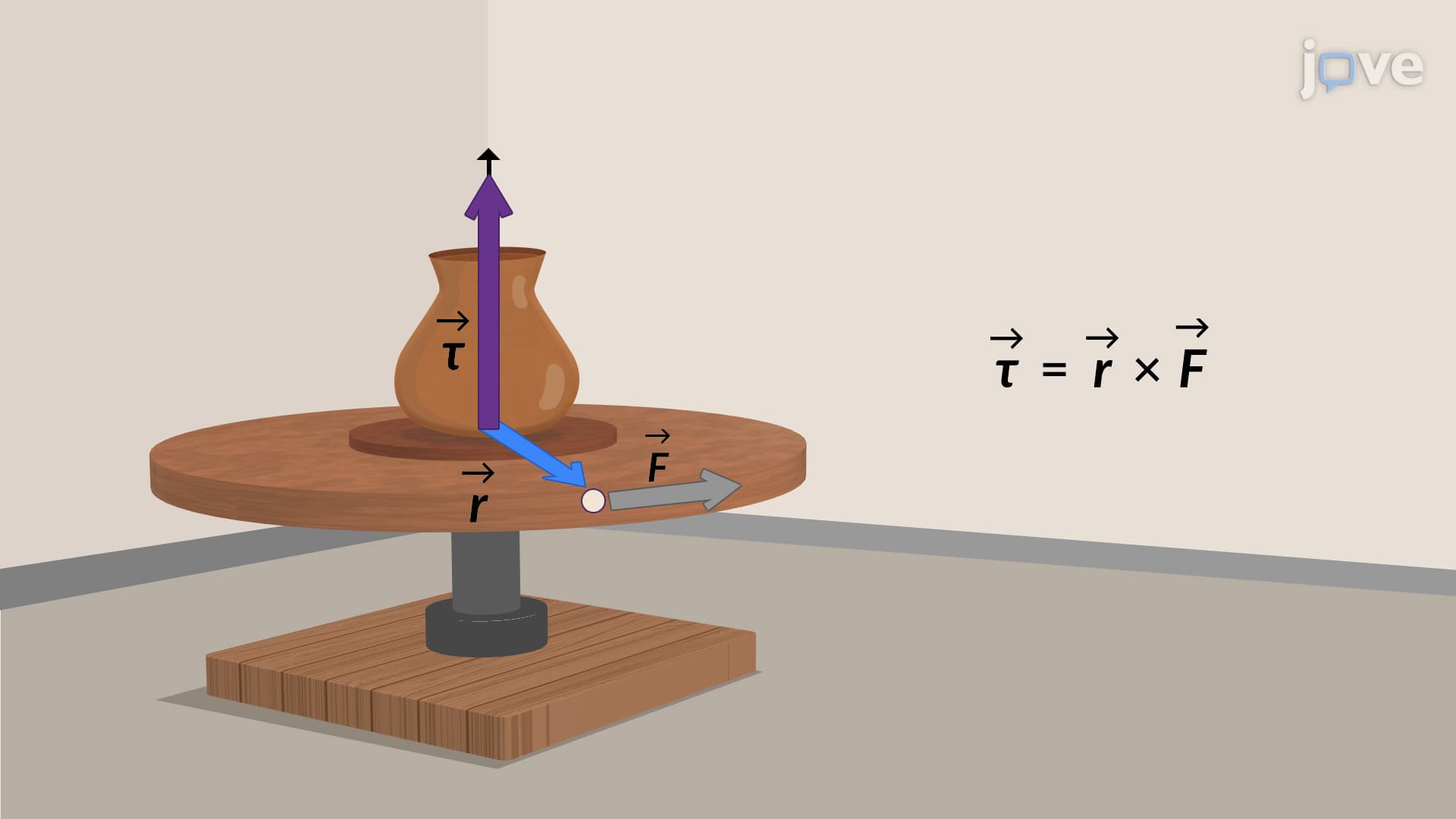
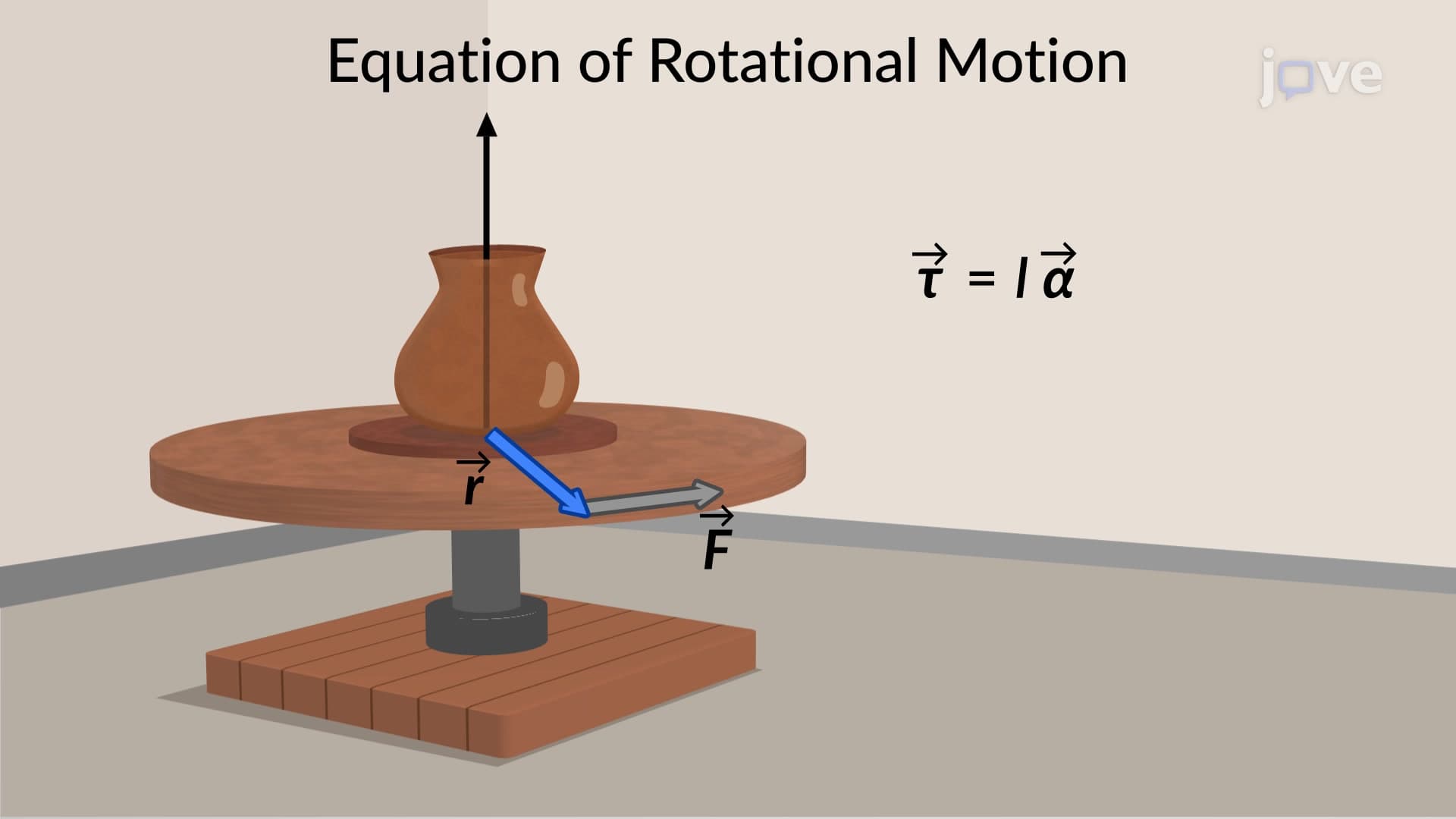
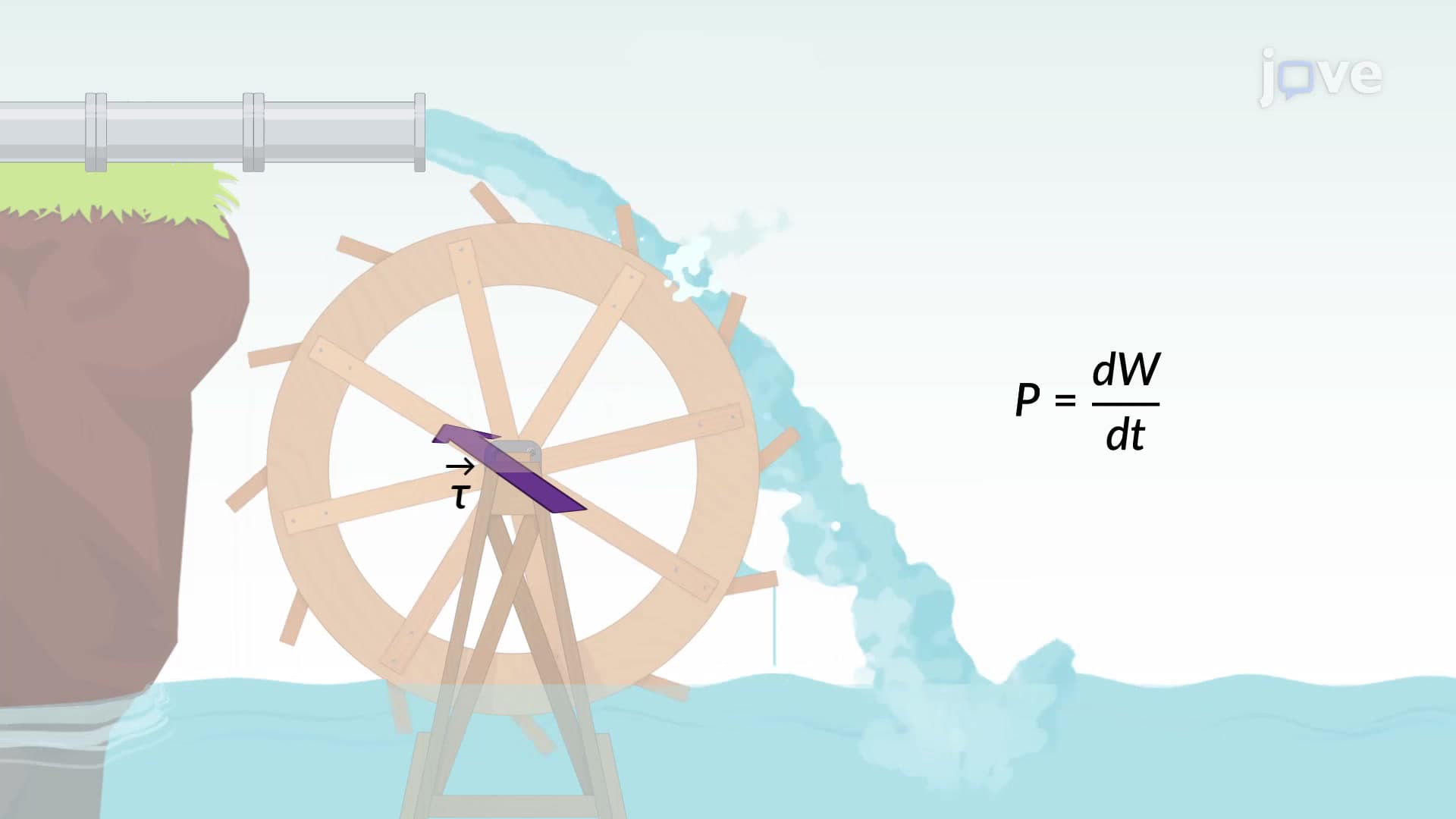
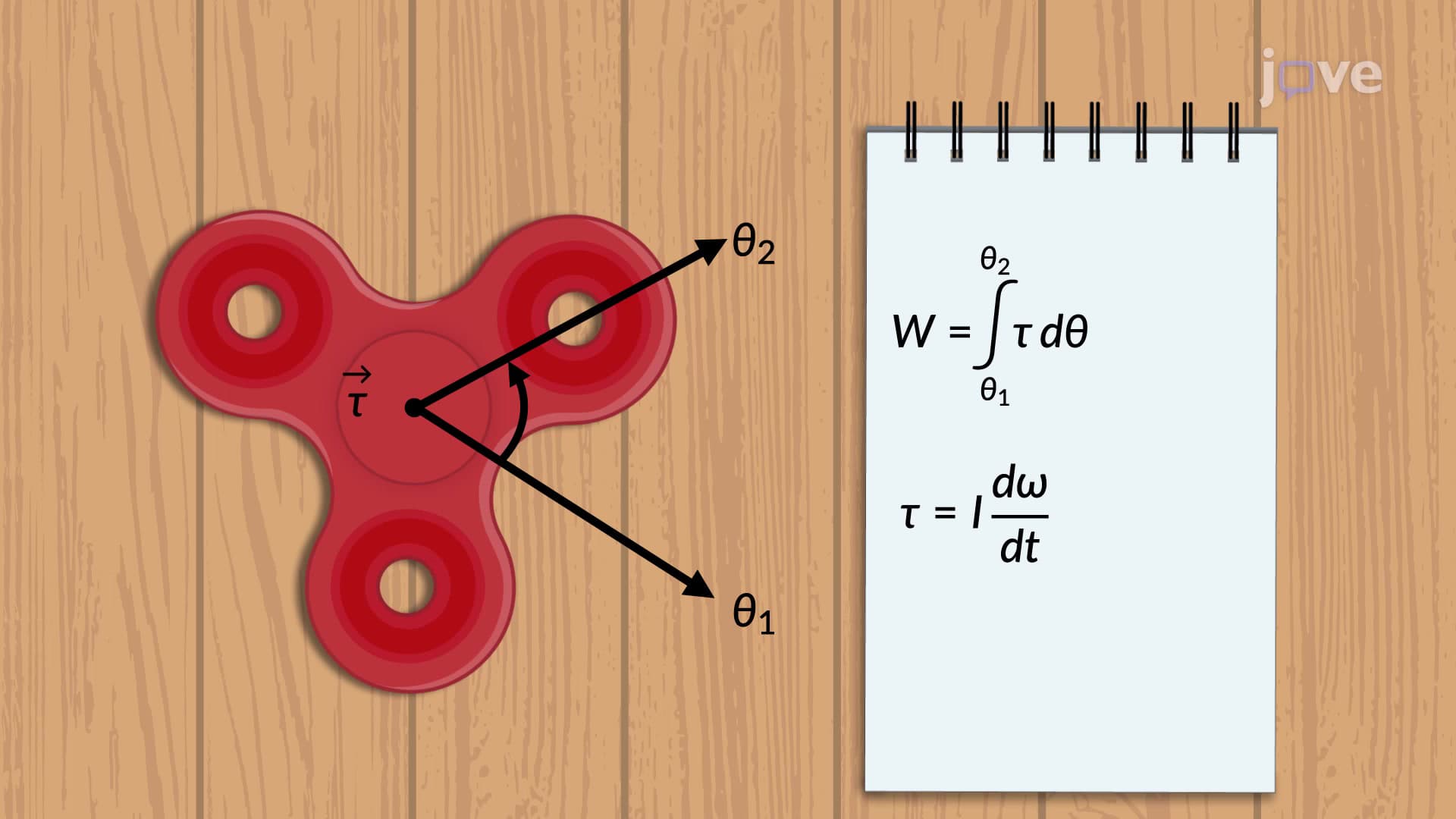
The theorem states that the total work done on a rotating rigid body equals the change in its rotational kinetic energy: W = ΔKE(rotational) = ½Iω(final)² - ½Iω(initial)². This elegant equation emerges from integrating the torque-displacement relationship, where work equals the integral of net torque times angular displacement. Since net torque equals moment of inertia times angular acceleration (τ = Iα), substituting this relationship and applying calculus chain rule techniques reveals the connection to rotational kinetic energy. Students preparing for AP Physics C mechanics or college-level physics courses must master this derivation, as it frequently appears on exams requiring both conceptual understanding and mathematical manipulation skills.
Real-World Applications in American Industry
Consider the massive wind turbines dotting the plains of Kansas and Texas. Each 300-foot blade system demonstrates the work energy theorem as wind applies torque, causing angular acceleration that converts to electrical energy through generators. The Boeing 787's jet engines similarly showcase this principle—fuel combustion creates torque on turbine blades, transforming chemical energy into rotational kinetic energy, then into thrust. Understanding these energy transformations helps engineering students at institutions like MIT, Stanford, and Georgia Tech design more efficient rotating machinery.
Problem-Solving Strategies for Academic Success
Mastering rotational work-energy problems requires recognizing when to apply this theorem versus other rotational dynamics principles. Start by identifying all torques acting on the system, determine initial and final angular velocities, and calculate the moment of inertia for the specific geometry involved. College physics courses and standardized exams like the MCAT often combine this concept with conservation of energy principles, requiring students to track energy transformations through multiple stages of motion. Practice problems involving pulleys, rotating platforms, and spinning wheels help solidify understanding before tackling more complex scenarios in advanced mechanics courses.
Frequently Asked Questions
The work energy theorem for rotational motion states that work done by net torque equals the change in rotational kinetic energy of a spinning object. Unlike linear motion where force and displacement determine kinetic energy changes, rotational motion involves torque and angular displacement affecting rotational kinetic energy (½Iω²). Both theorems connect applied forces to energy changes but use different variables for rotating versus translating objects.
AP Physics C Mechanics frequently tests this concept through free-response problems involving rotating systems like wheels, pulleys, or planetary motion. Students must derive the theorem, apply it to multi-step problems, and combine it with conservation principles. Expect calculations involving moment of inertia, angular velocity changes, and energy transformations in systems like Atwood machines with rotating pulleys.
The MCAT tests rotational dynamics primarily in the context of biological systems and medical devices. Questions might involve centrifuges separating blood components, rotating medical equipment, or biomechanics of joint rotation. Focus on conceptual understanding rather than complex derivations, as the MCAT emphasizes applying physics principles to real-world medical scenarios.
Car wheels demonstrate the theorem when brakes apply torque, converting rotational kinetic energy into heat through friction. In baseball, pitchers apply torque to create spin, storing rotational energy that affects ball trajectory. Figure skaters pulling arms inward decrease moment of inertia, causing angular velocity increases that showcase energy conservation in rotating systems.
Basic integral calculus suffices for most applications, typically covered in AP Calculus or college Calculus I. The key integration involves ∫τ dθ leading to rotational kinetic energy expressions. High school students can understand the conceptual relationships and apply given formulas, while college students should master the mathematical derivation process.
Start by identifying all energy forms present (translational, rotational, potential) and drawing clear before/after diagrams. Apply conservation of energy principles first, then use the work-energy theorem for specific rotational components. Practice with problems involving rolling objects, compound pulleys, and rotating platforms to build pattern recognition skills essential for timed exams.
This foundation proves crucial for advanced mechanics, electromagnetism (rotating charges), and quantum mechanics (angular momentum operators). Engineering students use these principles in machine design, while pre-med students encounter applications in biomechanics and medical device physics. Mastering rotational energy concepts early facilitates success in upper-level STEM coursework.
Related Micro-courses



Related Subjects

Math Fundamentals11 micro-courses
›