Loading…
Loading video…

224,215 views
Ever wonder how NASA calculates a rocket's exact position during launch when acceleration constantly changes? The velocity and position by integral method transforms acceleration data into precise motion predictions through calculus integration. This mathematical approach powers everything from spacecraft trajectories to automotive safety systems, where engineers must predict vehicle positions during emergency braking scenarios. Understanding this integral method reveals how time derivatives connect acceleration, velocity, and position in a unified framework. Watch the full video on JoVE Coach to master this concept with expert-led visuals and step-by-step explanations.
The integral method represents a fundamental approach in physics for analyzing motion when acceleration varies with time. Unlike memorizing kinematic equations, this method derives them from first principles using calculus, providing deeper insight into the mathematical relationships governing motion.
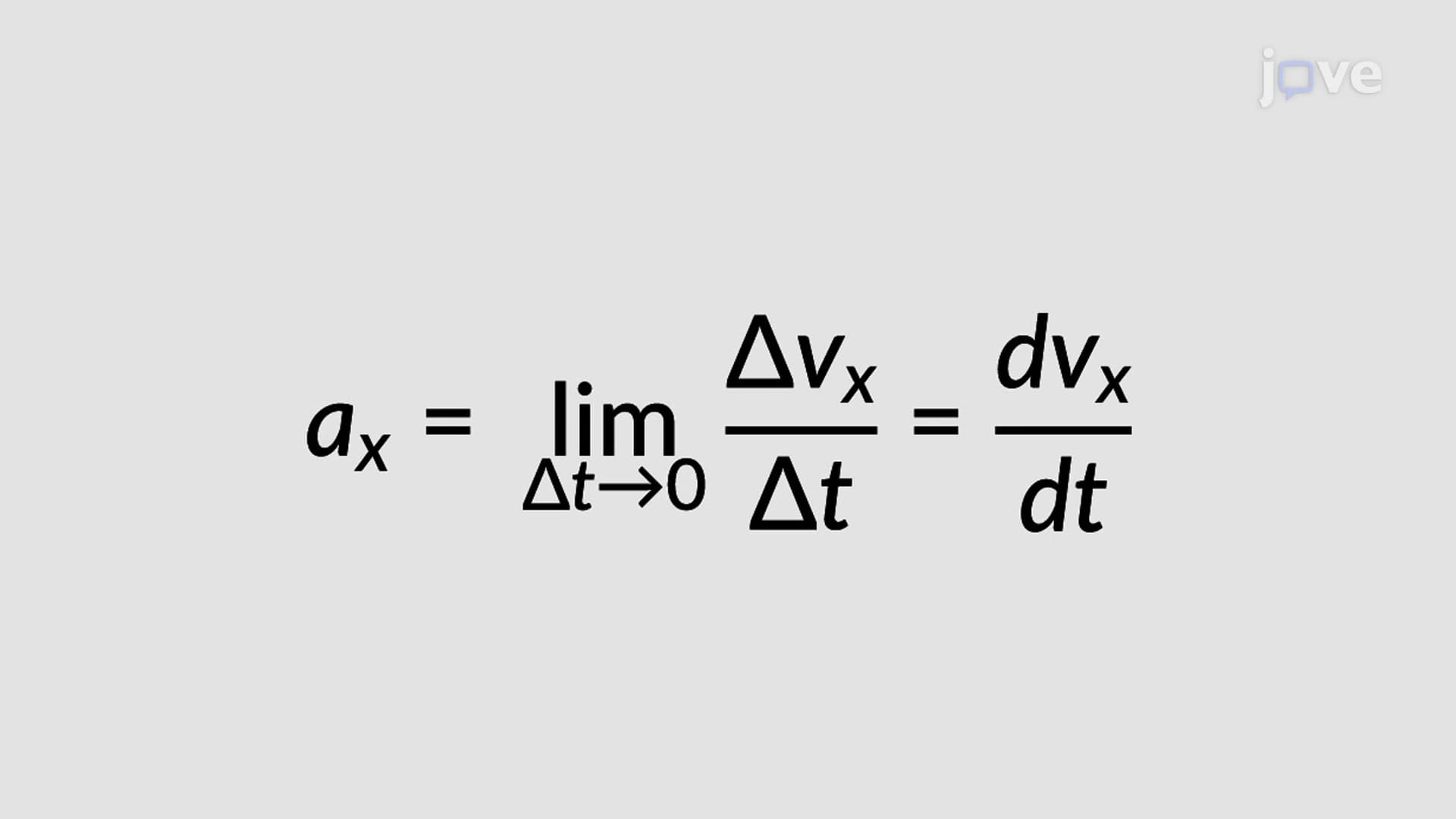
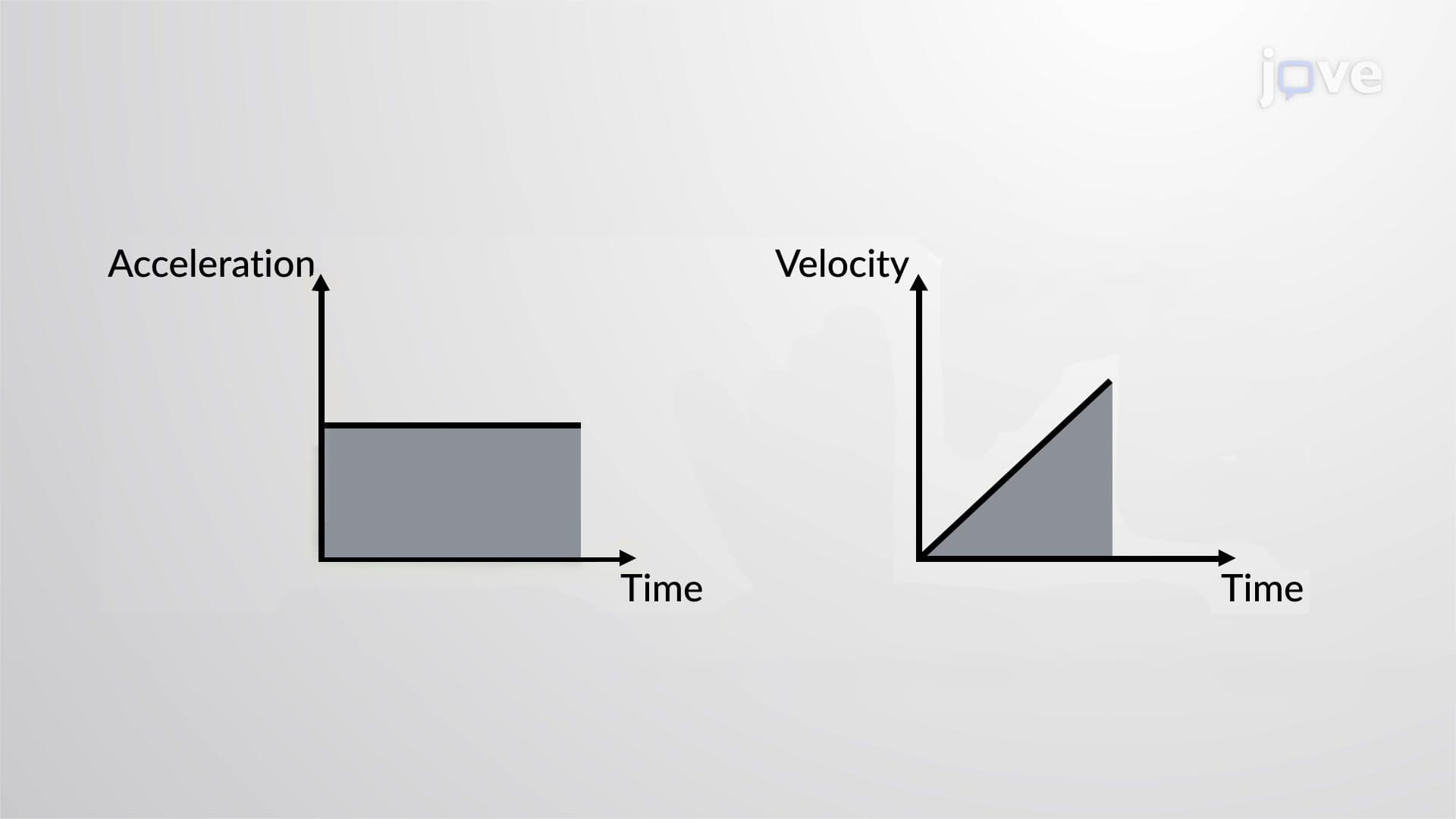
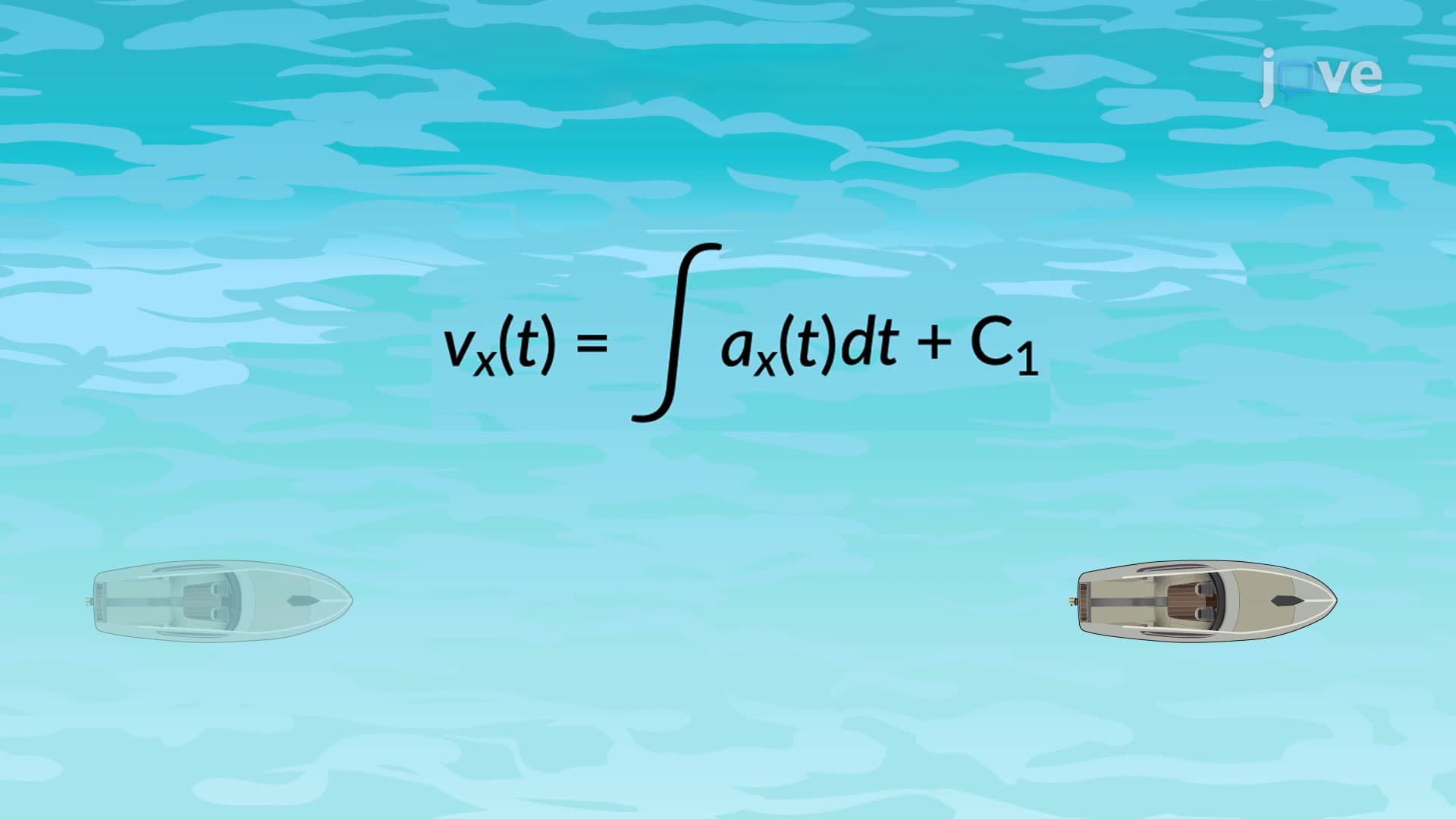
When acceleration a(t) is known as a function of time, velocity can be determined by recognizing that acceleration is the time derivative of velocity: a = dv/dt. Rearranging this relationship and integrating both sides yields v(t) = ∫a(t)dt + C₁, where C₁ represents the integration constant.
This integration constant has profound physical meaning—it represents the initial velocity v₀ at time t = 0. In practical applications like analyzing car crash data for insurance investigations, engineers use this method to reconstruct vehicle speeds from accelerometer readings during impact sequences.
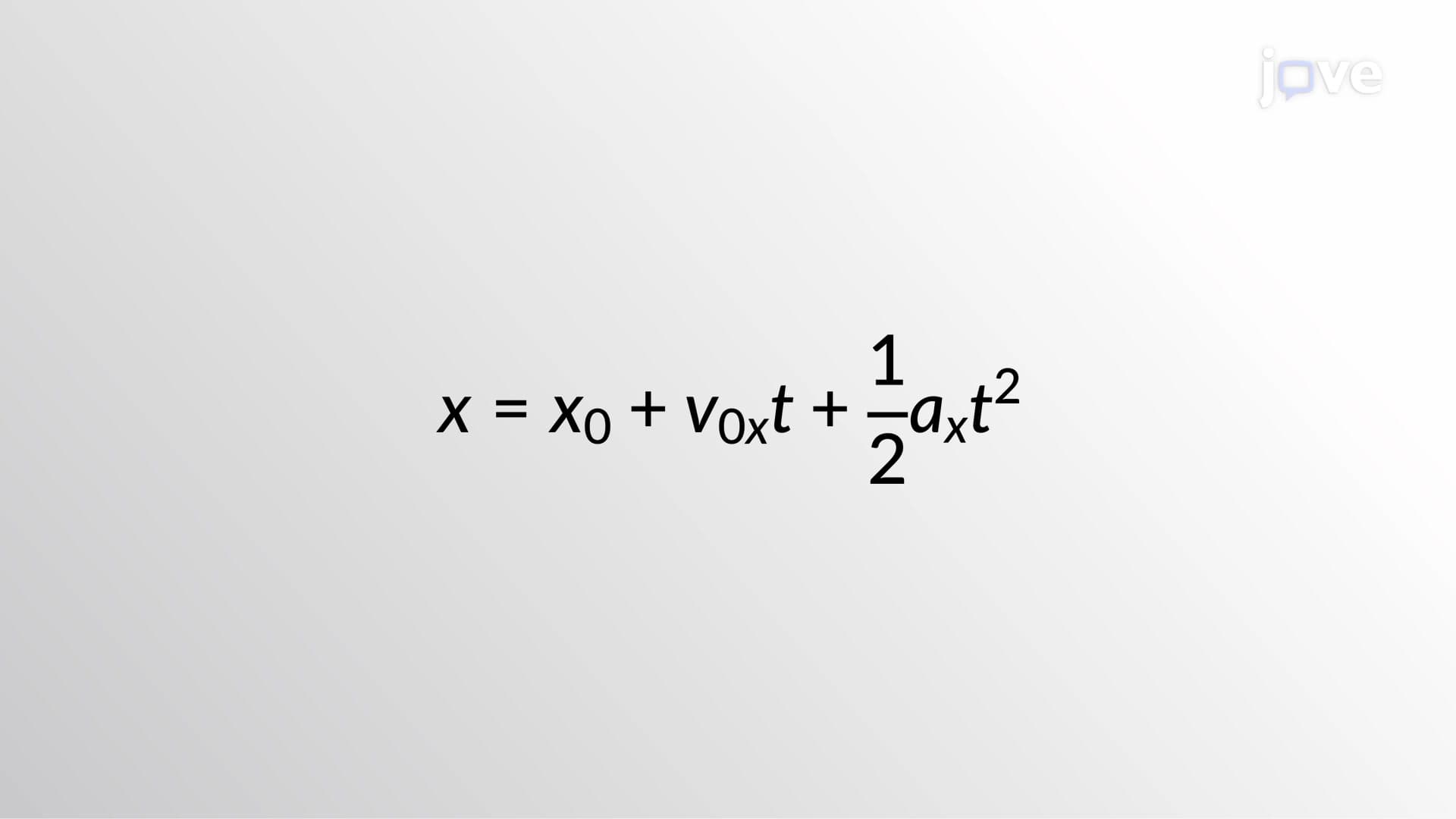
The process extends naturally to position analysis. Since velocity represents the time derivative of position (v = dx/dt), integrating the velocity function produces position: x(t) = ∫v(t)dt + C₂. When the velocity expression from the previous step is substituted, the result connects position directly to the original acceleration function.
The second integration constant C₂ corresponds to initial position x₀, establishing the complete kinematic framework. This approach proves essential in engineering applications, such as designing elevator control systems where acceleration profiles must ensure passenger comfort while achieving precise floor positioning.
Students encounter this method extensively in AP Physics C courses, where calculus-based mechanics problems require integral solutions. College-level physics and engineering programs expand these concepts for complex scenarios like oscillatory motion and orbital mechanics. The MCAT physics section frequently tests understanding of these derivative-integral relationships in biological contexts, such as analyzing muscle contraction dynamics.
Professional applications span aerospace engineering, where mission planners use these methods to calculate spacecraft trajectories, and biomechanics research, where scientists analyze human movement patterns during rehabilitation studies at institutions like the Mayo Clinic and Johns Hopkins.
Frequently Asked Questions
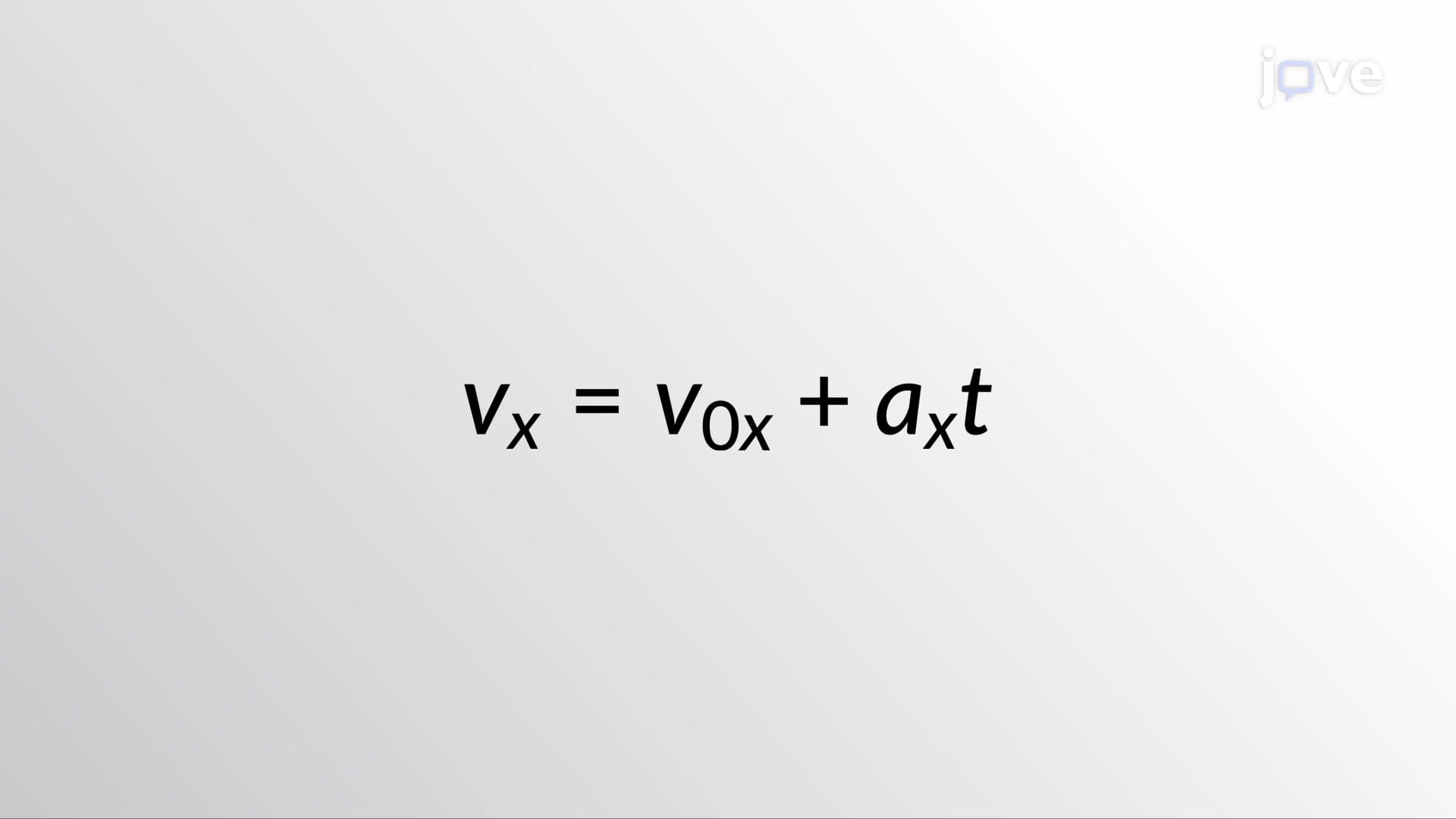
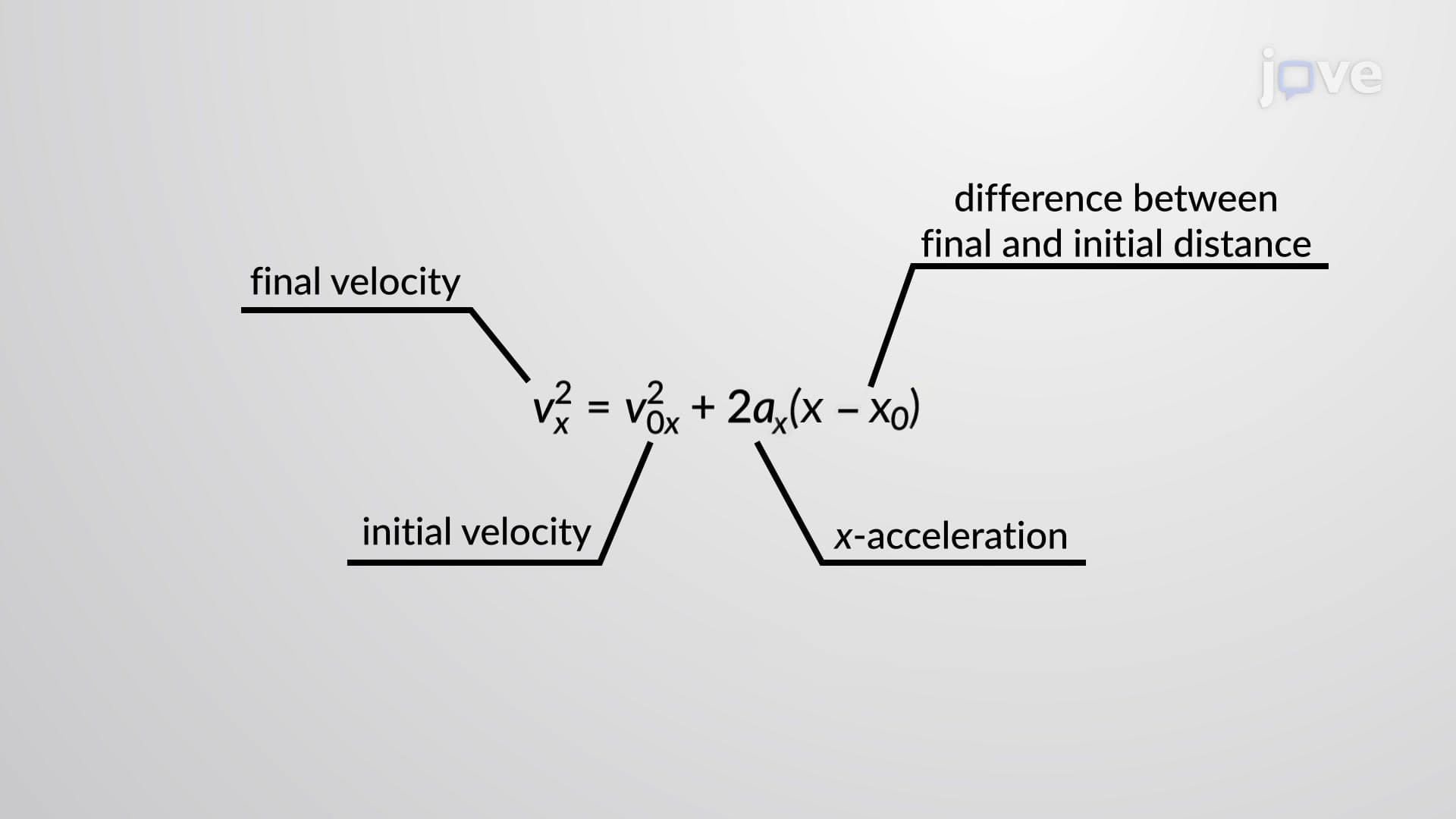
The velocity and position by integral method is a calculus-based approach that uses integration to find velocity and position functions when acceleration varies with time. This method derives the fundamental kinematic equations by integrating acceleration to get velocity, then integrating velocity to determine position. It provides the mathematical foundation for understanding motion in situations where acceleration isn't constant.
AP Physics C Mechanics frequently tests this concept through free-response questions requiring students to derive velocity and position from given acceleration functions. Students must demonstrate integration skills, apply initial conditions to find constants, and interpret physical meaning of results. The College Board emphasizes understanding the derivative-integral relationships rather than just memorizing kinematic formulas.
Yes, the MCAT tests conceptual understanding of how acceleration, velocity, and position relate through derivatives and integrals. While you won't perform complex integrations, you must understand that integration connects these quantities and recognize when changing acceleration requires integral approaches rather than standard kinematic equations.
Crash test engineers at facilities like the Insurance Institute for Highway Safety use integral methods to analyze accelerometer data during vehicle impacts. They integrate acceleration measurements to reconstruct velocity changes and determine how far vehicles travel during collision sequences, informing safety system design and accident reconstruction for legal proceedings.
Basic integration skills from AP Calculus AB are sufficient for most applications. You need to integrate polynomial and simple exponential functions, apply initial conditions to solve for constants, and understand the physical meaning of integration in motion problems. The physics concepts are more challenging than the mathematical operations.
Advanced topics include applying these methods to oscillatory motion, circular motion with varying angular acceleration, and energy methods in mechanics. Students often progress to studying differential equations for more complex motion scenarios, such as damped oscillations and forced vibrations encountered in engineering dynamics courses.
College instructors often present word problems requiring students to set up and solve integral equations from given acceleration functions, then interpret results physically. Exam questions may involve graphical analysis where students must extract acceleration data from graphs and use integral methods to find motion equations for specific scenarios.
Related Micro-courses


Related Subjects
 Math Fundamentals 11 micro-courses›
 Statistics 17 micro-courses›