Loading subject page…

- Physics
- Motion Along a Straight Line
- Free-falling Bodies: Introduction
Micro-course: Motion Along a Straight Line
224,217 views
Learn key concepts and earn your certificate.



Free-falling Bodies: Introduction

00:00
01:07
Video Summary: What Is Free Falling Bodies Introduction
Ever wonder why a feather and a hammer dropped simultaneously on the Moon hit the surface at exactly the same time? The free falling bodies introduction reveals this fascinating phenomenon where gravity acts as the great equalizer. When NASA astronaut David Scott demonstrated this during Apollo 15, it perfectly illustrated how all objects fall with identical acceleration in the absence of air resistance. This fundamental physics concept explains motion under Earth's gravitational influence, forming the cornerstone of kinematics studied in high school and college physics courses across America. Watch the full video on JoVE Coach to master this concept with expert-led visuals and step-by-step explanations.
- Understand what is free falling bodies introduction and how gravity creates uniform acceleration for all objects regardless of mass
- Identify the difference between free fall in vacuum conditions versus air resistance effects on falling objects
- Analyze why heavier objects appear to fall faster in everyday situations while falling at identical rates in vacuum
- Compare the motion of different objects dropped simultaneously from the same height under various atmospheric conditions
- Evaluate the role of air resistance in determining which objects reach the ground first in real-world scenarios
- Apply the concept of gravitational acceleration (9.8 m/s²) to solve problems involving falling objects
- Recognize how free fall principles apply to projectile motion and other physics phenomena
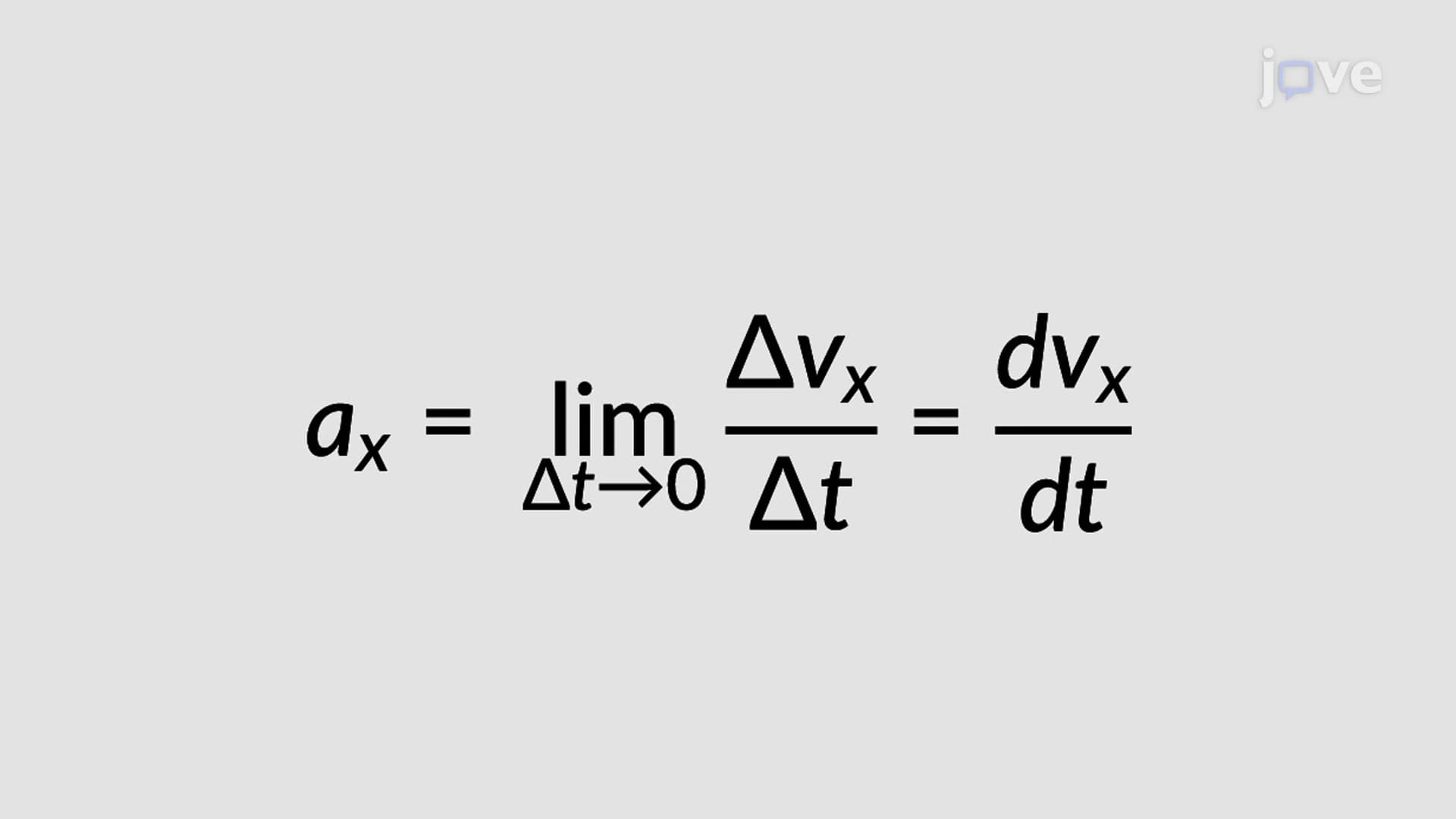
- Explore the mathematical relationships between velocity, acceleration, and time in free-falling systems
Understanding Free Falling Bodies Introduction
Free falling bodies introduction encompasses one of physics' most elegant principles: when objects fall under gravity's influence alone, they experience identical acceleration regardless of their mass. This concept forms the foundation for understanding motion in gravitational fields and appears prominently in AP Physics courses, SAT Subject Tests, and introductory college physics curricula across American educational institutions.
The Physics Behind Free Fall Motion
The acceleration due to gravity on Earth averages 9.8 m/s² (32.2 ft/s²), though it varies slightly with altitude and geographic location. In New York City, for instance, gravitational acceleration measures approximately 9.802 m/s², while in Denver, Colorado, it's about 9.796 m/s² due to higher elevation. This consistent downward acceleration means that every second, a falling object's velocity increases by 9.8 meters per second, creating predictable motion patterns that engineers and scientists rely upon for calculations ranging from spacecraft trajectories to building construction safety.
Air Resistance: The Great Differentiator
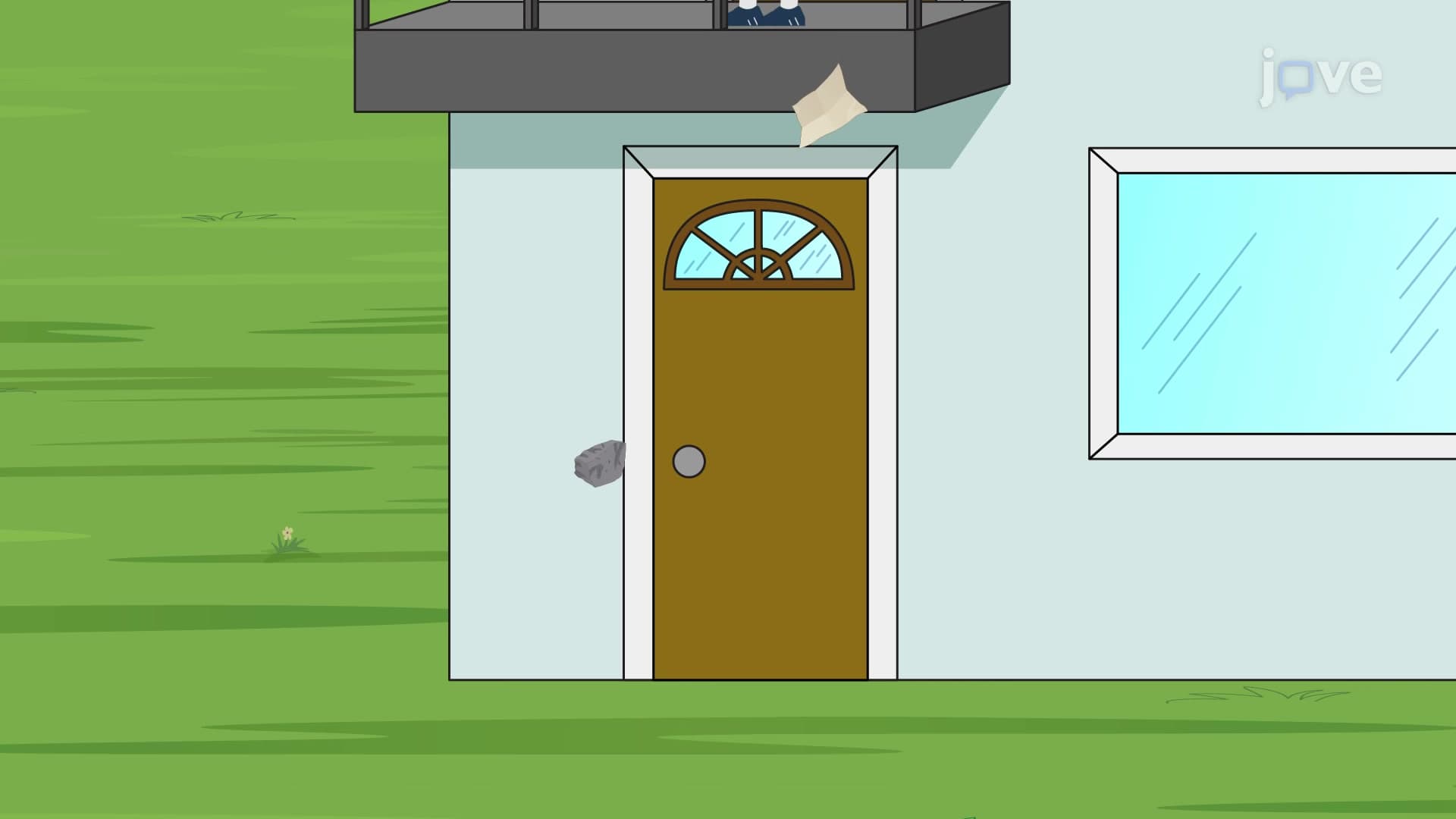
While true free fall occurs in vacuum conditions, Earth's atmosphere introduces air resistance that significantly affects falling objects. Consider dropping a basketball and a sheet of paper from the Empire State Building's observation deck. The basketball would reach the ground first not because it's heavier, but because its streamlined shape and dense composition minimize air resistance effects. This distinction proves crucial for students preparing for physics exams, as problems often specify whether air resistance should be considered or ignored in calculations.
Real-World Applications and Exam Relevance
Free fall concepts appear extensively in standardized testing, particularly AP Physics 1 and 2 exams, where students must analyze projectile motion scenarios involving thrown footballs, dropped objects, and launched rockets. College-level physics courses expand these principles to include orbital mechanics, explaining how satellites maintain circular paths around Earth and why astronauts experience apparent weightlessness aboard the International Space Station. Understanding these fundamentals prepares students for advanced topics in engineering, astronomy, and applied physics programs at American universities.
Frequently Asked Questions
Free falling bodies introduction explains how objects fall under gravity's influence alone, experiencing constant downward acceleration of 9.8 m/s². This fundamental physics concept demonstrates that all objects, regardless of weight, fall at identical rates when air resistance is eliminated. It forms the basis for understanding projectile motion, orbital mechanics, and gravitational physics taught in high school and college courses.
AP Physics exams frequently test free fall through projectile motion problems, dropped object scenarios, and multi-dimensional kinematics questions. Students must apply equations like v = gt and h = (1/2)gt² to solve for final velocities, fall times, and distances. These problems often combine with horizontal motion components, requiring understanding of vector decomposition and independent motion principles.
True free fall occurs when gravity is the only force acting on an object, typically in vacuum conditions or when air resistance is negligible. Regular falling motion includes air resistance effects, causing lighter or less aerodynamic objects to fall slower than denser, streamlined ones. This distinction explains why a feather falls slower than a coin in air but identically in vacuum conditions.
Heavy objects appear to fall faster because they're less affected by air resistance relative to their gravitational force. A bowling ball overcomes air resistance more easily than a balloon due to its higher density and mass-to-surface-area ratio. However, both experience identical gravitational acceleration; air resistance simply affects the lighter object more significantly.
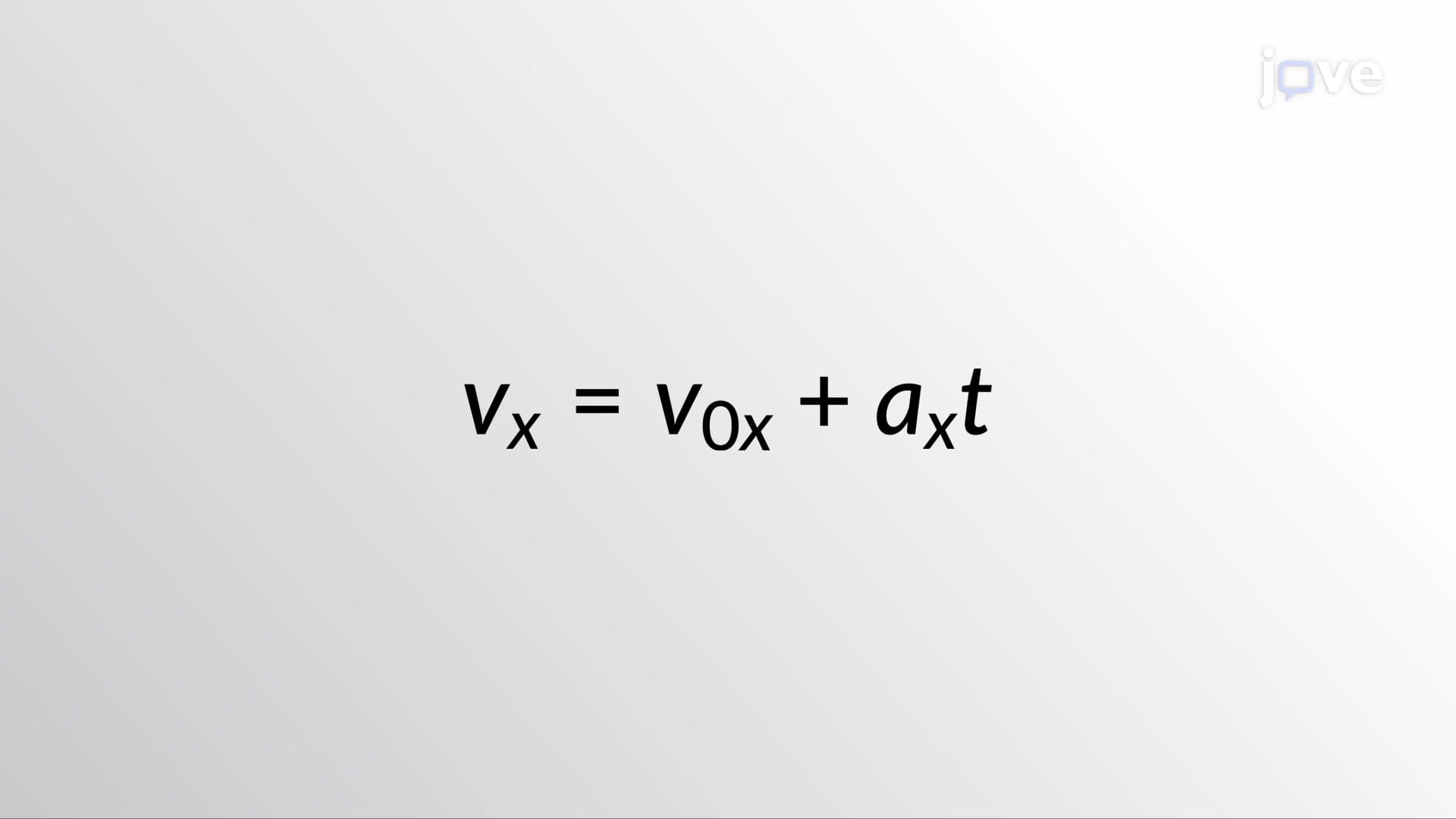
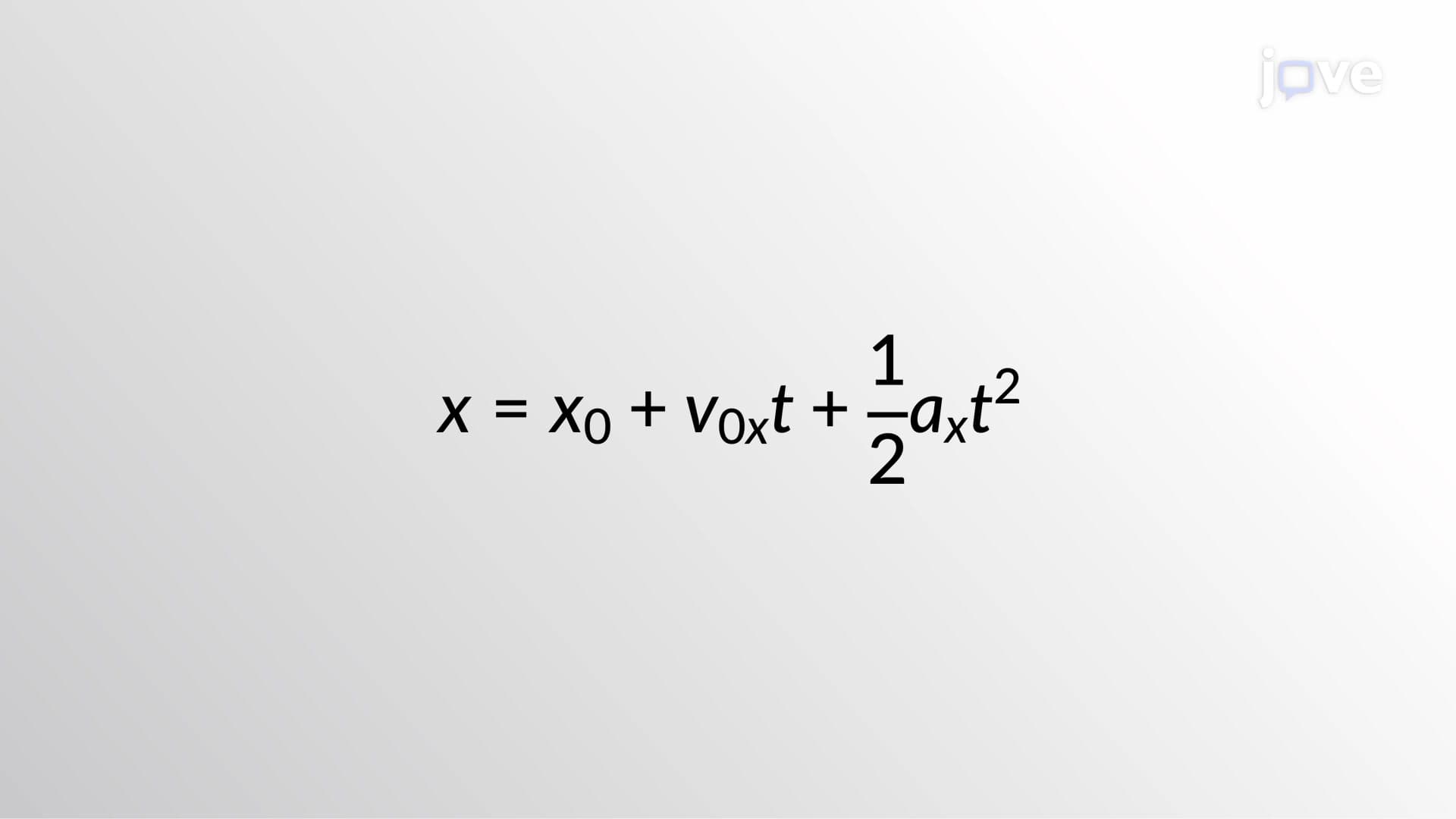
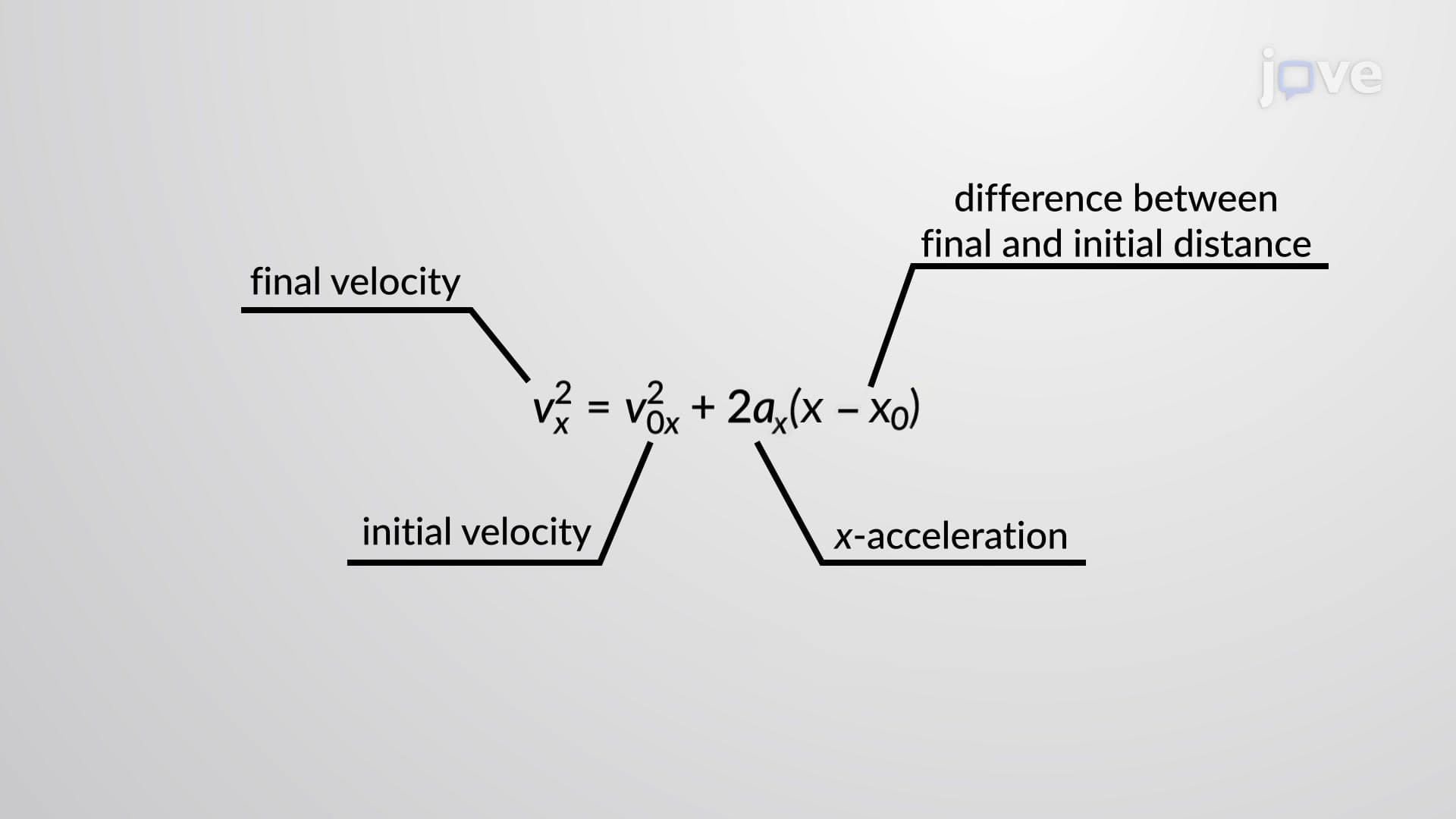
Master the kinematic equations: v = v₀ + gt, h = v₀t + (1/2)gt², and v² = v₀² + 2gh. Practice identifying when to ignore air resistance versus when it matters. Work through projectile motion problems combining horizontal and vertical components. Focus on unit conversions and understanding what each variable represents in real-world contexts.
Free fall physics governs spacecraft reentry calculations, skydiving equipment design, construction site safety protocols, and amusement park ride engineering. NASA uses these principles for Mars rover landing systems, while civil engineers apply them to determine building evacuation procedures and construction equipment safety zones. Understanding free fall helps predict falling object trajectories in accident investigations and safety planning.
Free falling bodies introduction is actually one of the more intuitive physics concepts since students observe falling objects daily. The mathematical relationships are straightforward, using basic algebra and simple equations. Most students find success by connecting everyday observations with scientific principles, making this topic an excellent introduction to more complex physics concepts.
Basic algebra and simple equation manipulation are sufficient for understanding free falling bodies introduction at the high school level. Students need comfort with substituting values into equations, solving for unknown variables, and working with units like meters per second squared. Graphing skills help visualize velocity and position changes over time, but calculus isn't required for introductory understanding.
After mastering free fall, explore projectile motion combining horizontal and vertical components, circular motion and centripetal force, and energy conservation principles. These topics build naturally from free fall concepts, leading to advanced studies in orbital mechanics, fluid dynamics, and engineering applications that appear in college physics sequences and professional engineering programs.
Related Micro-courses
11 Concepts
16 Concepts

10 Concepts