Loading video…


 14 Concepts
 224.2K views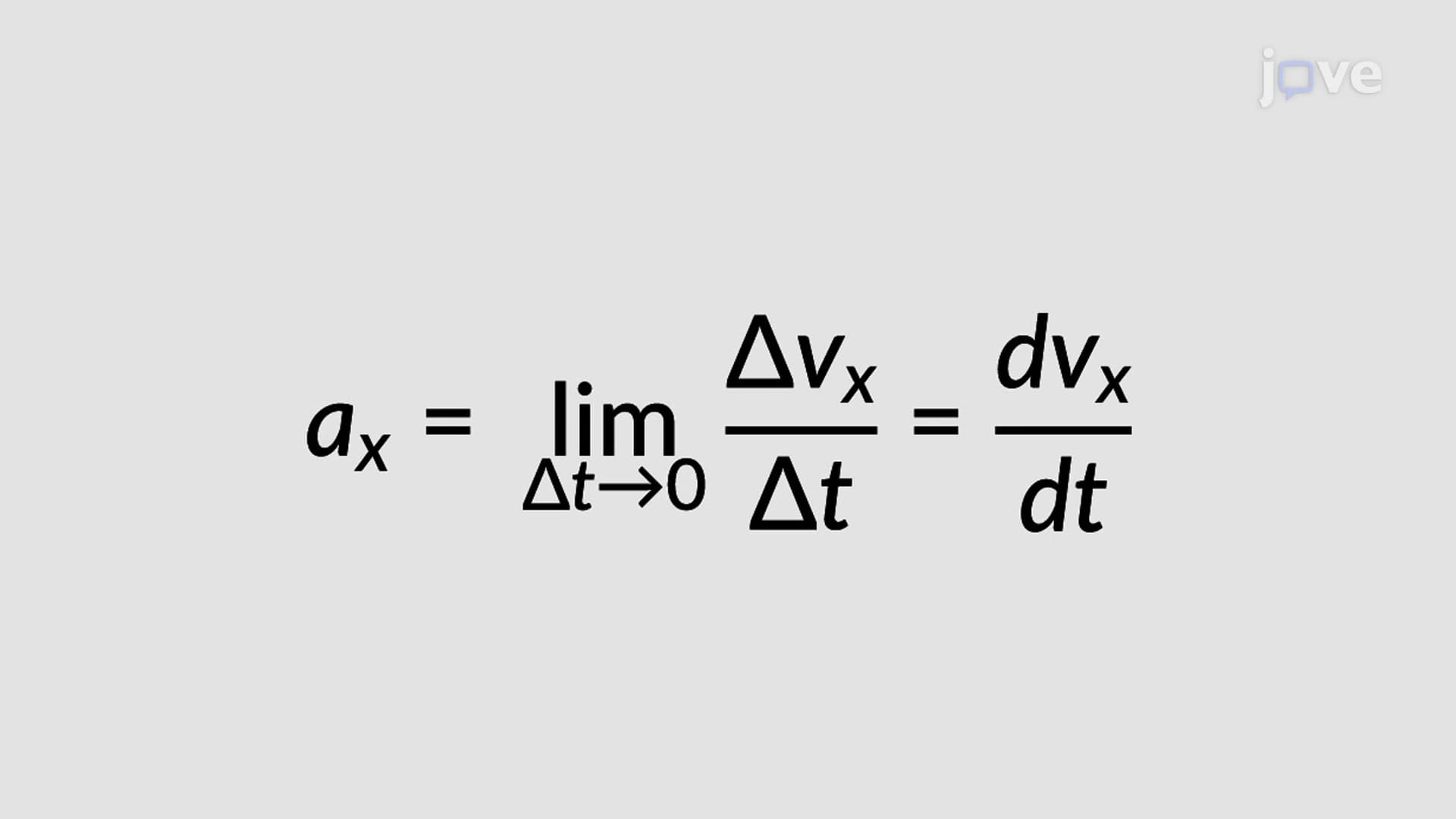

Video Summary: What Is Instantaneous Acceleration
Ever wondered why your speedometer reading changes the instant you press the gas pedal in your car? Instantaneous acceleration describes this exact phenomenon-the rate of velocity change at any specific moment in time. Unlike average acceleration over a trip, instantaneous acceleration captures what's happening right now, like when a NASCAR driver accelerates out of turn four at Daytona International Speedway. This fundamental physics concept uses calculus to find the precise acceleration value at any given instant. Watch the full video on JoVE Coach to master this concept with expert-led visuals and step-by-step explanations.
Instantaneous acceleration represents the acceleration of an object at one specific moment in time, rather than averaged over a time interval. This concept becomes crucial when analyzing motion that involves changing acceleration, such as a roller coaster navigating loops at Six Flags Magic Mountain or a Tesla Model S during its famous "ludicrous mode" acceleration sequence.
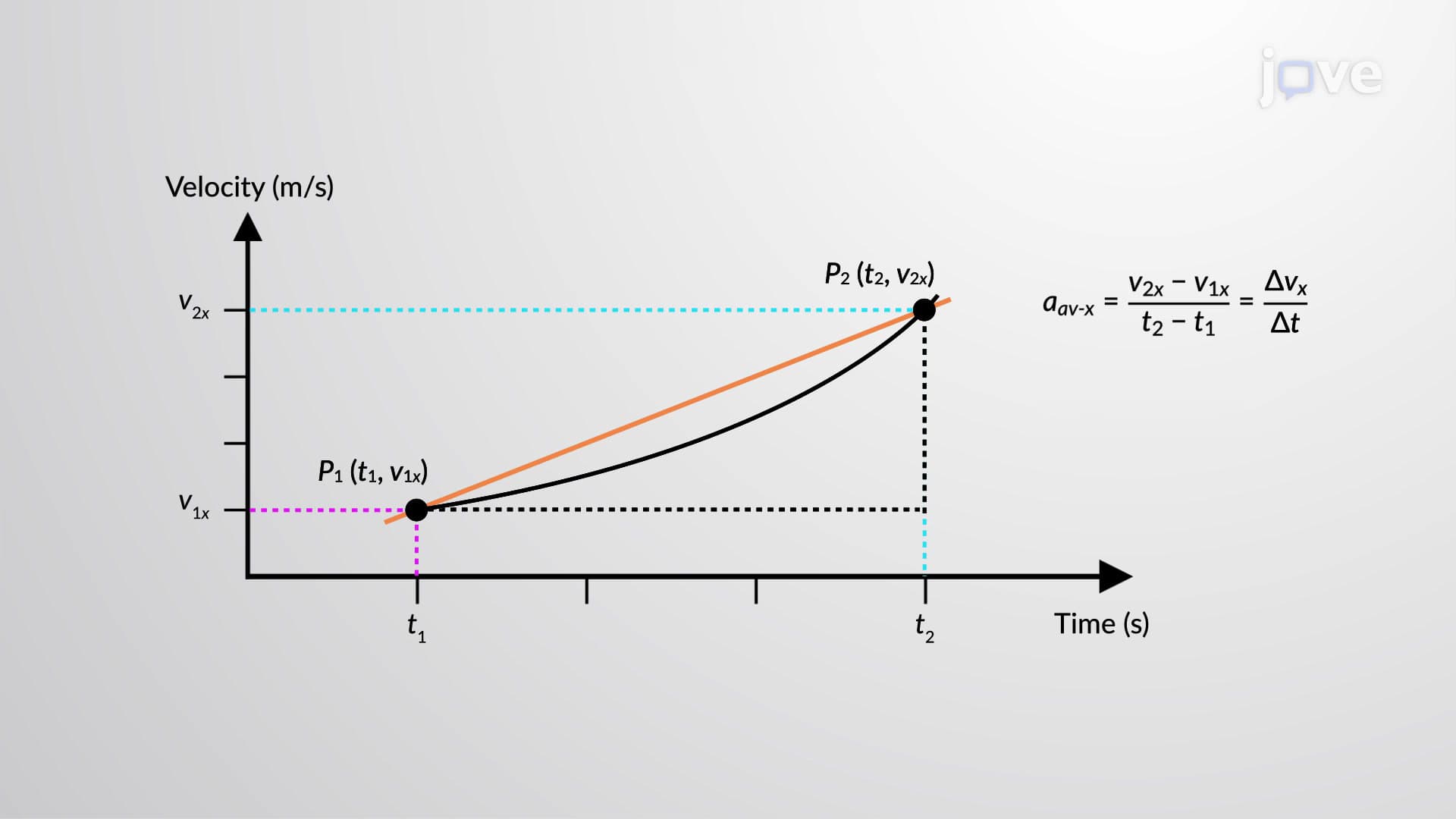
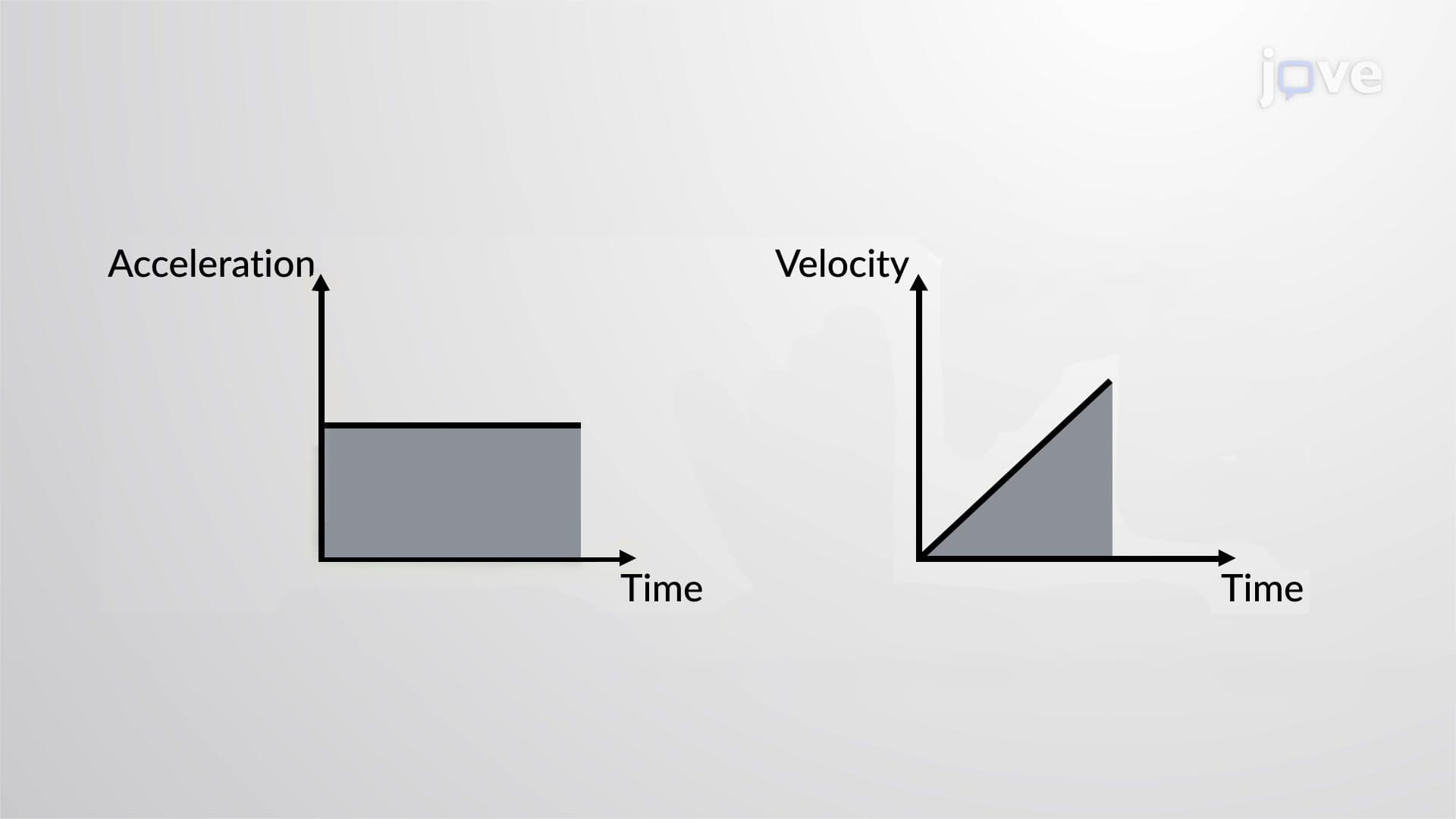
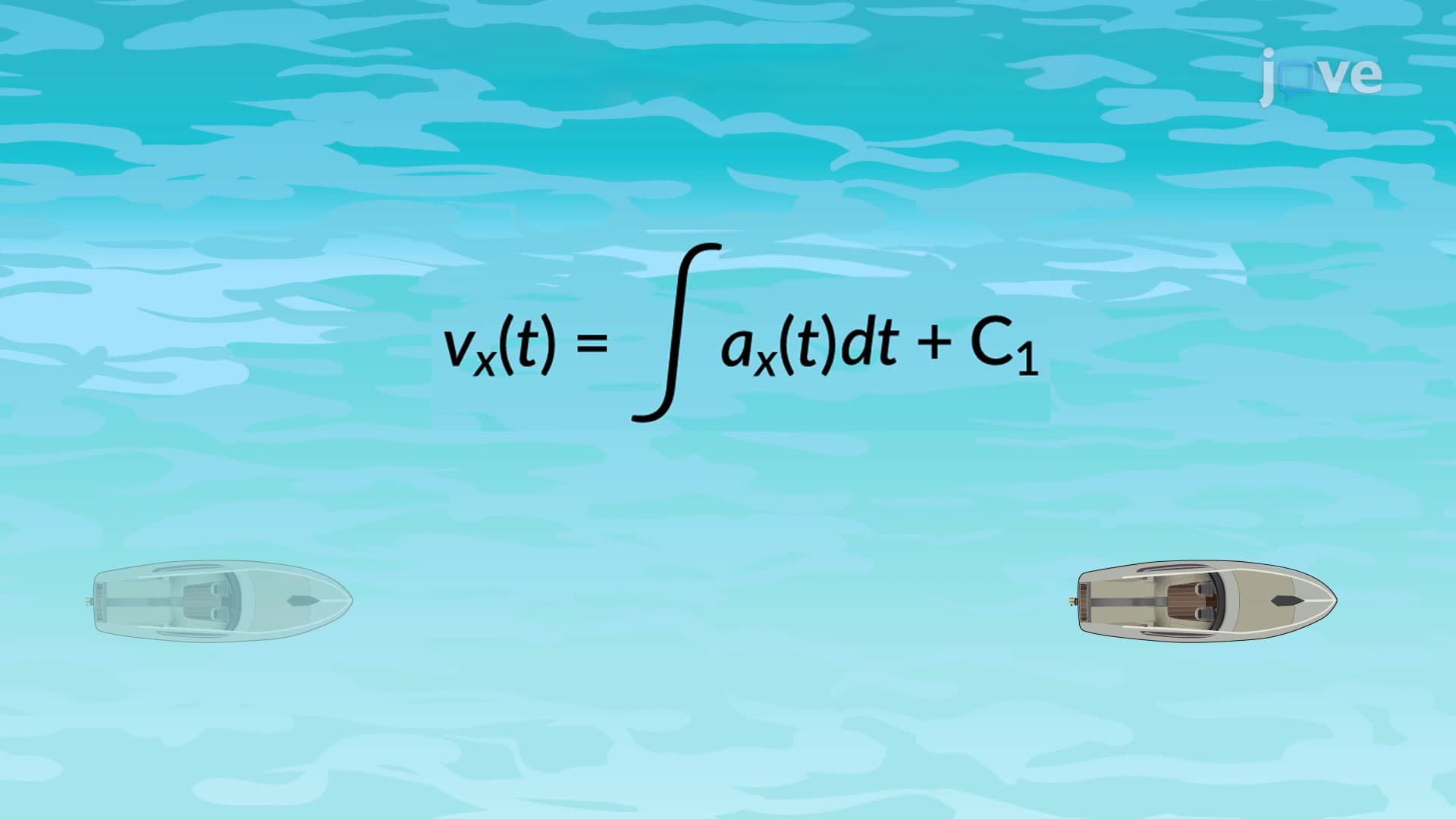
The mathematical definition relies on calculus limits. As we make time intervals smaller and smaller, approaching zero, the average acceleration approaches the instantaneous value. Mathematically, instantaneous acceleration equals the first derivative of velocity with respect to time: a = dv/dt. This can also be expressed as the second derivative of position: a = d²x/dt².
For students preparing for AP Physics or college-level mechanics courses, understanding this derivative relationship proves essential. The concept frequently appears on standardized tests like the AP Physics 1 exam, where students must interpret graphs and apply calculus-based motion equations.
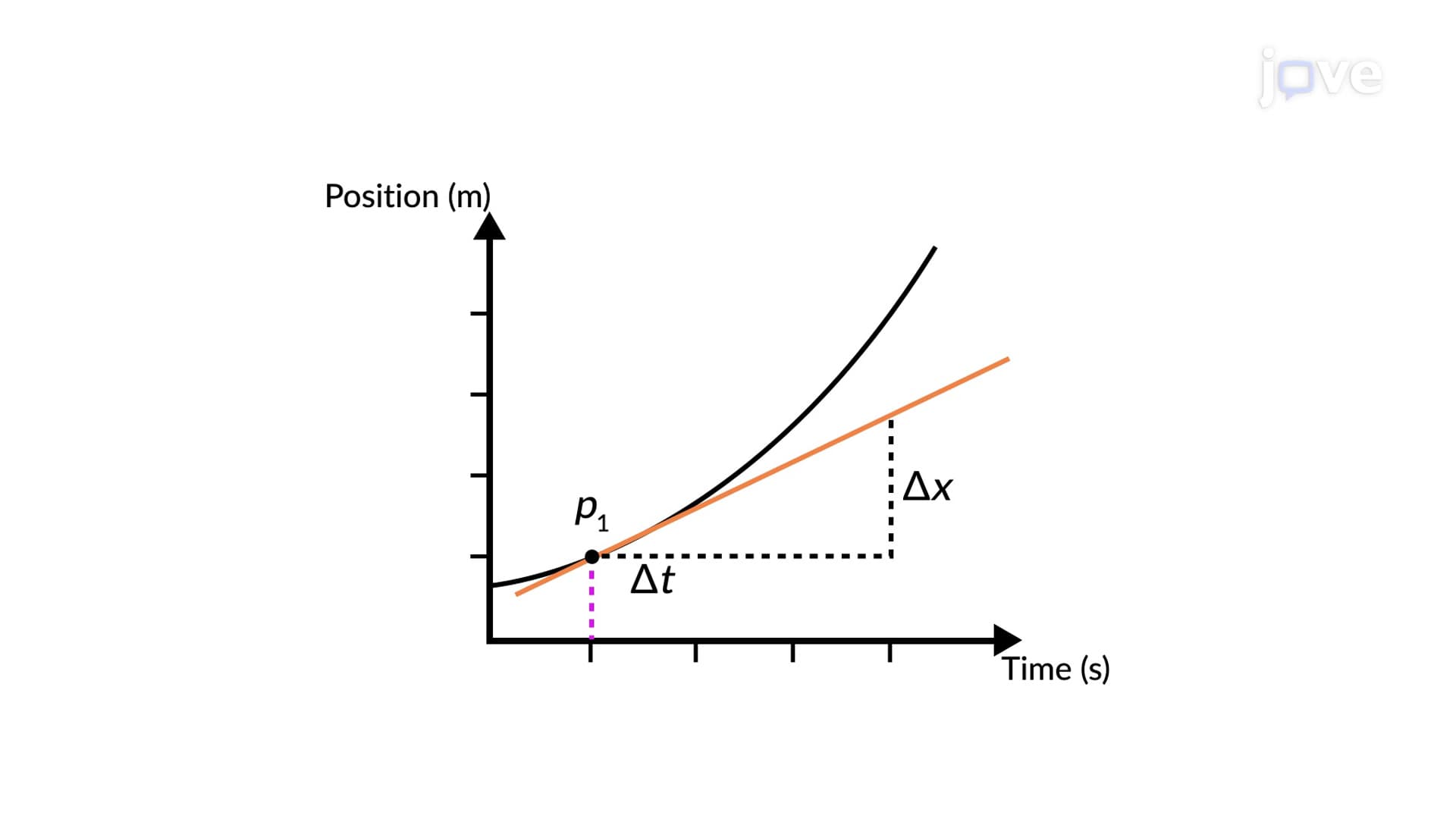
On a velocity-time graph, instantaneous acceleration equals the slope of the tangent line at any specific point. This differs from average acceleration, which represents the slope of a secant line connecting two points. Consider analyzing the motion of a space shuttle during launch from Kennedy Space Center-the instantaneous acceleration changes continuously as fuel burns off and atmospheric conditions vary.
Engineers use instantaneous acceleration calculations when designing safety systems for automobiles. Anti-lock braking systems (ABS) monitor wheel acceleration instantaneously to prevent skidding. Similarly, roller coaster designers must ensure instantaneous acceleration values never exceed safe limits for human passengers, typically keeping forces below 6g to prevent injury.
This concept also appears in advanced physics courses when studying oscillatory motion, planetary orbits, and electromagnetic fields. Students encountering physics on the MCAT will find instantaneous acceleration problems in passages about biomechanics and medical imaging technologies.
Related Micro-courses