Loading video…


 14 Concepts
 224.2K views

Video Summary: What Is Kinematic Equations Problem Solving
Ever wonder how engineers calculate NASA rocket trajectories or how accident investigators determine vehicle speeds at impact? Kinematic equations problem solving transforms these complex real-world scenarios into manageable mathematical solutions. This systematic approach uses four fundamental motion equations to analyze objects moving under constant acceleration, from a Tesla accelerating on Highway 101 to a baseball thrown at Yankee Stadium. What is kinematic equations problem solving becomes clear when you see how it connects initial conditions, acceleration, time, and displacement in predictable relationships. Watch the full video on JoVE Coach to master this concept with expert-led visuals and step-by-step explanations.
Kinematic equations problem solving represents a cornerstone skill in physics that transforms abstract motion concepts into concrete mathematical solutions. This systematic approach enables students to analyze any scenario involving objects moving with constant acceleration, from cars merging onto interstate highways to athletes performing in Olympic events. The power of this method lies in its ability to connect five key motion variables-initial velocity, final velocity, acceleration, time, and displacement-through four fundamental equations.
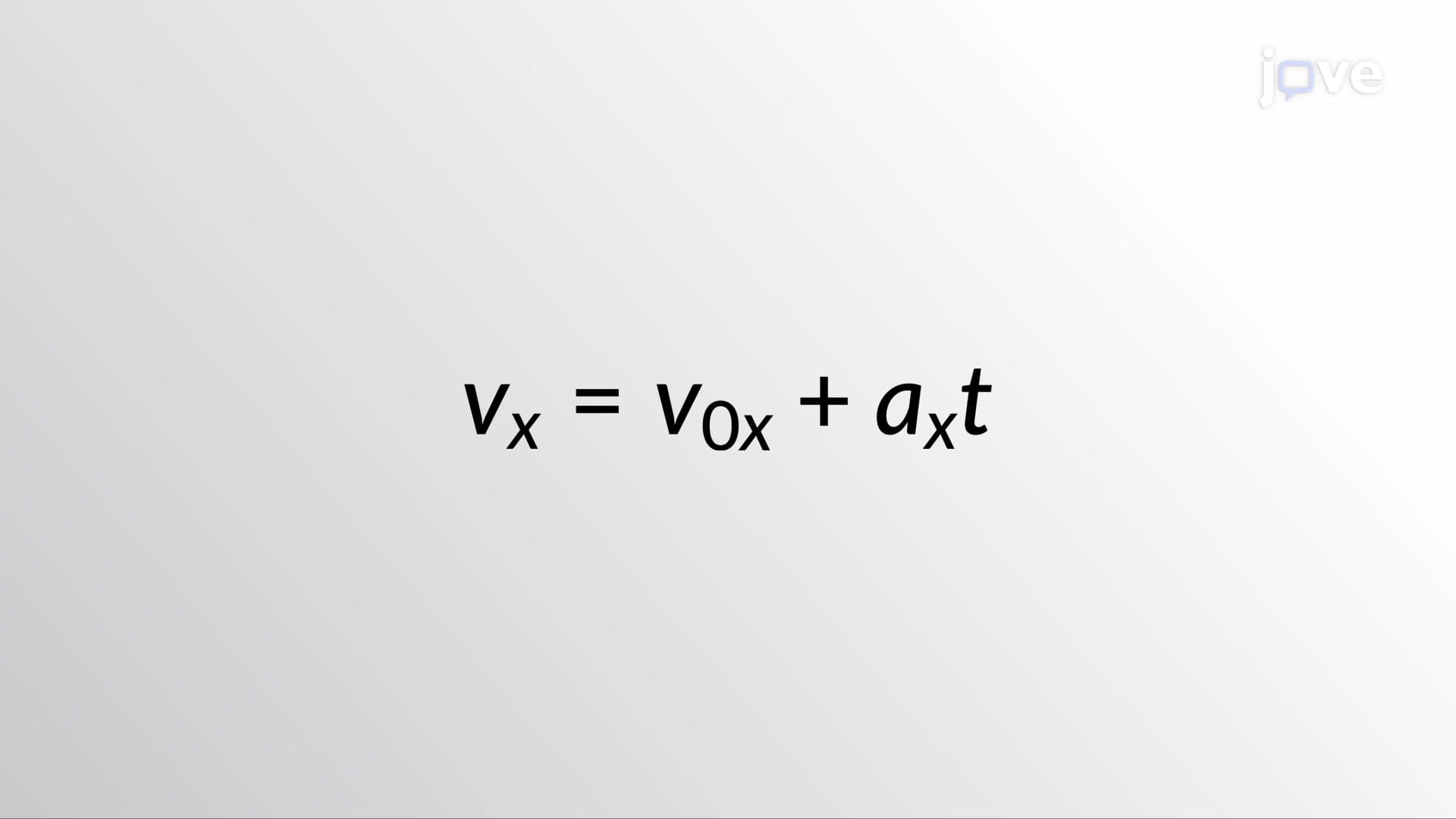
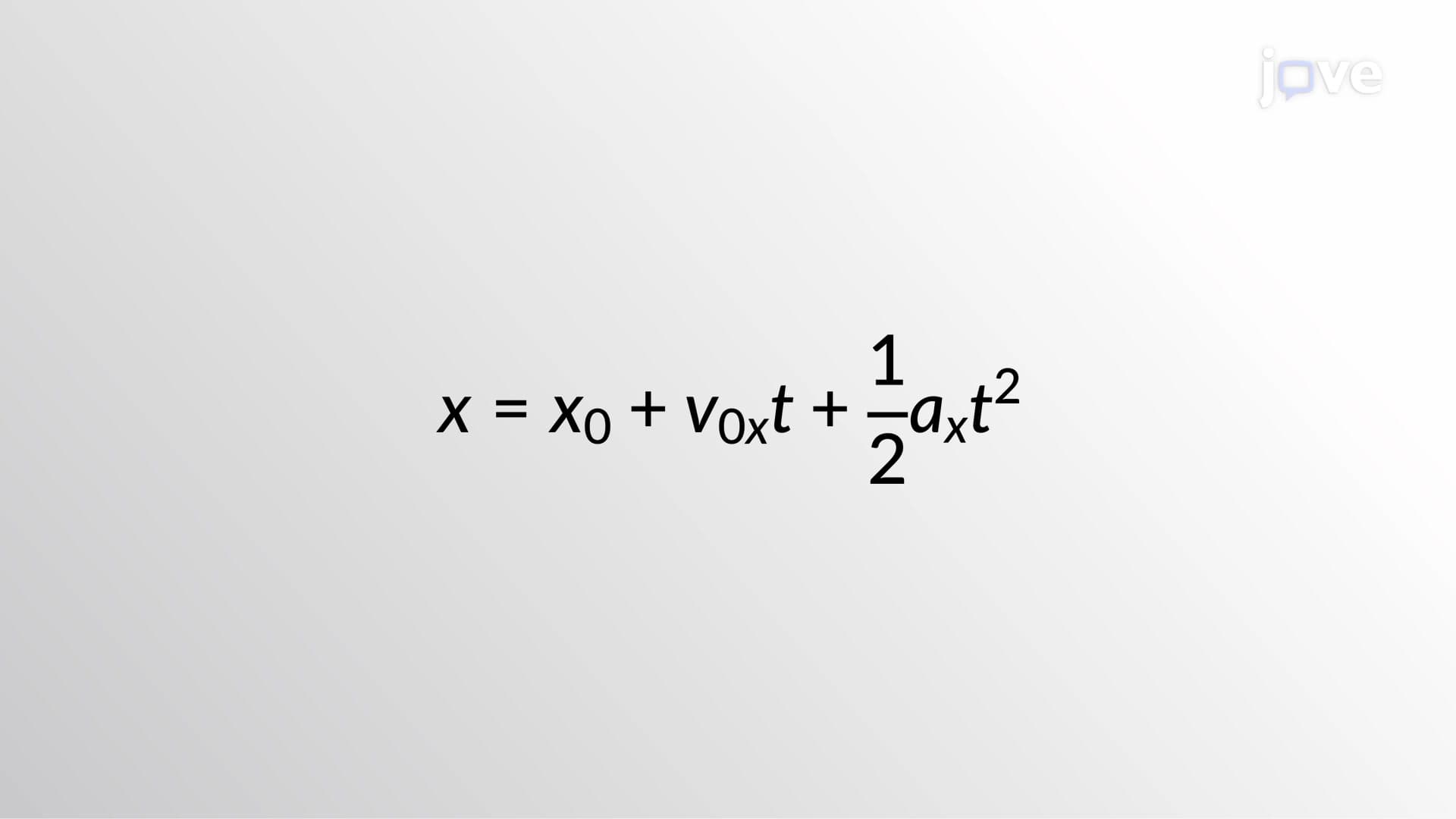
The kinematic equations problem solving toolkit consists of four interconnected formulas, each designed for specific variable combinations. The first equation, v = v₀ + at, directly relates velocity changes to acceleration and time, making it ideal for problems involving speeding vehicles or decelerating aircraft. The second equation, x = x₀ + v₀t + ½at², connects displacement to initial conditions and acceleration, perfect for analyzing projectile motion or calculating stopping distances.
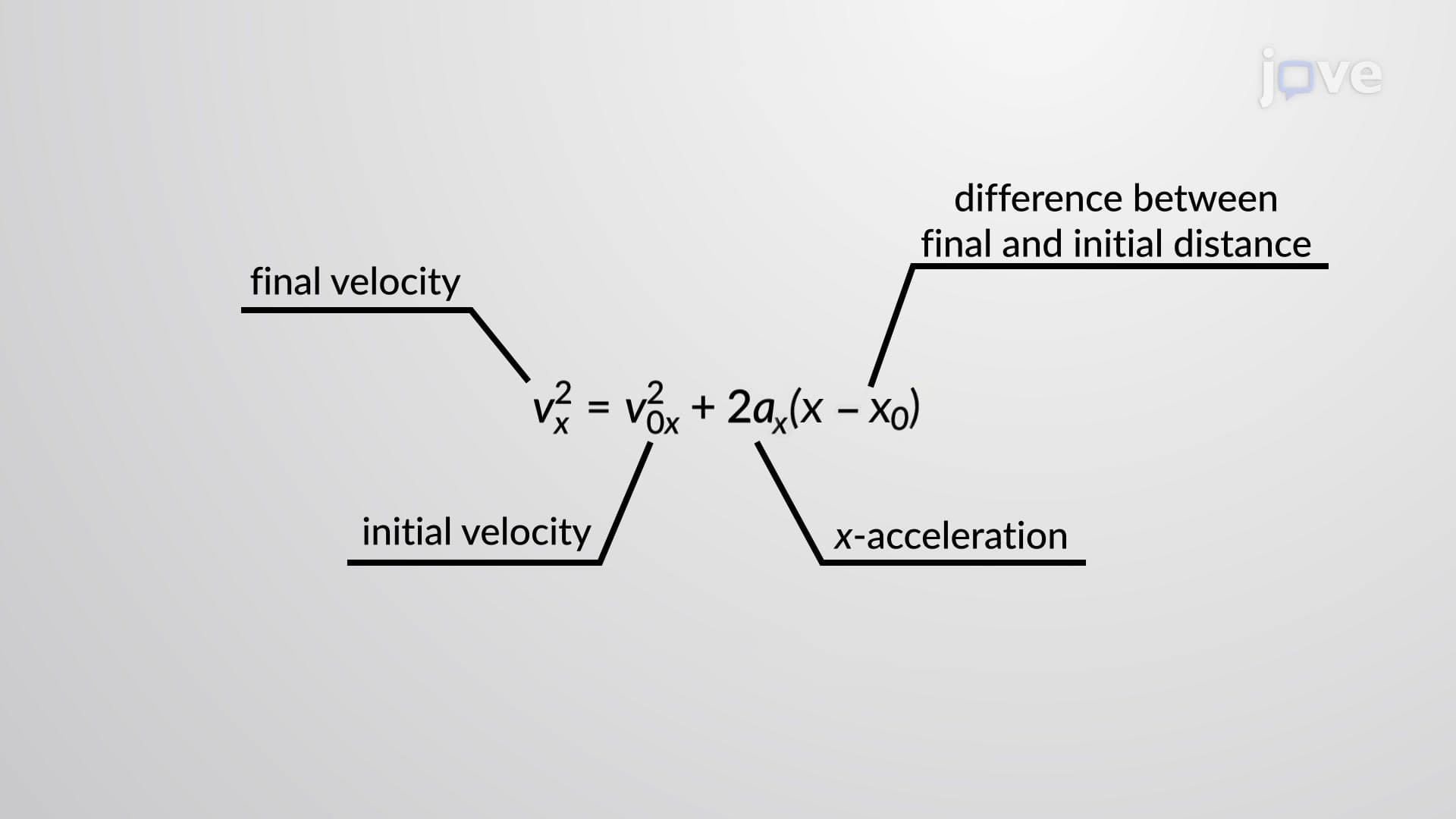
The third equation, v² = v₀² + 2a(x - x₀), eliminates time from calculations, proving invaluable when analyzing collision scenarios or determining minimum runway lengths for aircraft takeoffs. Finally, the fourth equation, x = x₀ + ½(v₀ + v)t, averages initial and final velocities, offering an elegant solution when acceleration isn't directly known.
Effective kinematic equations problem solving begins with careful problem analysis and variable identification. Students must first establish a coordinate system, typically with positive direction indicating the direction of motion or acceleration. Next, they catalog known quantities-often including initial velocity (frequently zero for objects starting from rest), acceleration, and either time or displacement.
This systematic approach proves essential for success on standardized tests like the AP Physics exam, where kinematic problems frequently appear in both multiple-choice and free-response sections. College-level physics courses, from introductory mechanics at state universities to engineering programs at institutions like MIT and Stanford, rely heavily on these problem-solving skills as foundation knowledge for more advanced concepts.
Understanding kinematic equations problem solving extends far beyond classroom exercises into crucial real-world applications across American industries. Automotive safety engineers use these principles to design crumple zones and calculate airbag deployment timing, while aerospace professionals at companies like Boeing and SpaceX apply kinematic analysis to mission planning and vehicle design. Even everyday scenarios-from calculating elevator acceleration in skyscrapers to determining safe following distances on Interstate highways-rely on these fundamental relationships between motion variables.
Related Micro-courses