Loading video…


 14 Concepts
 224.2K views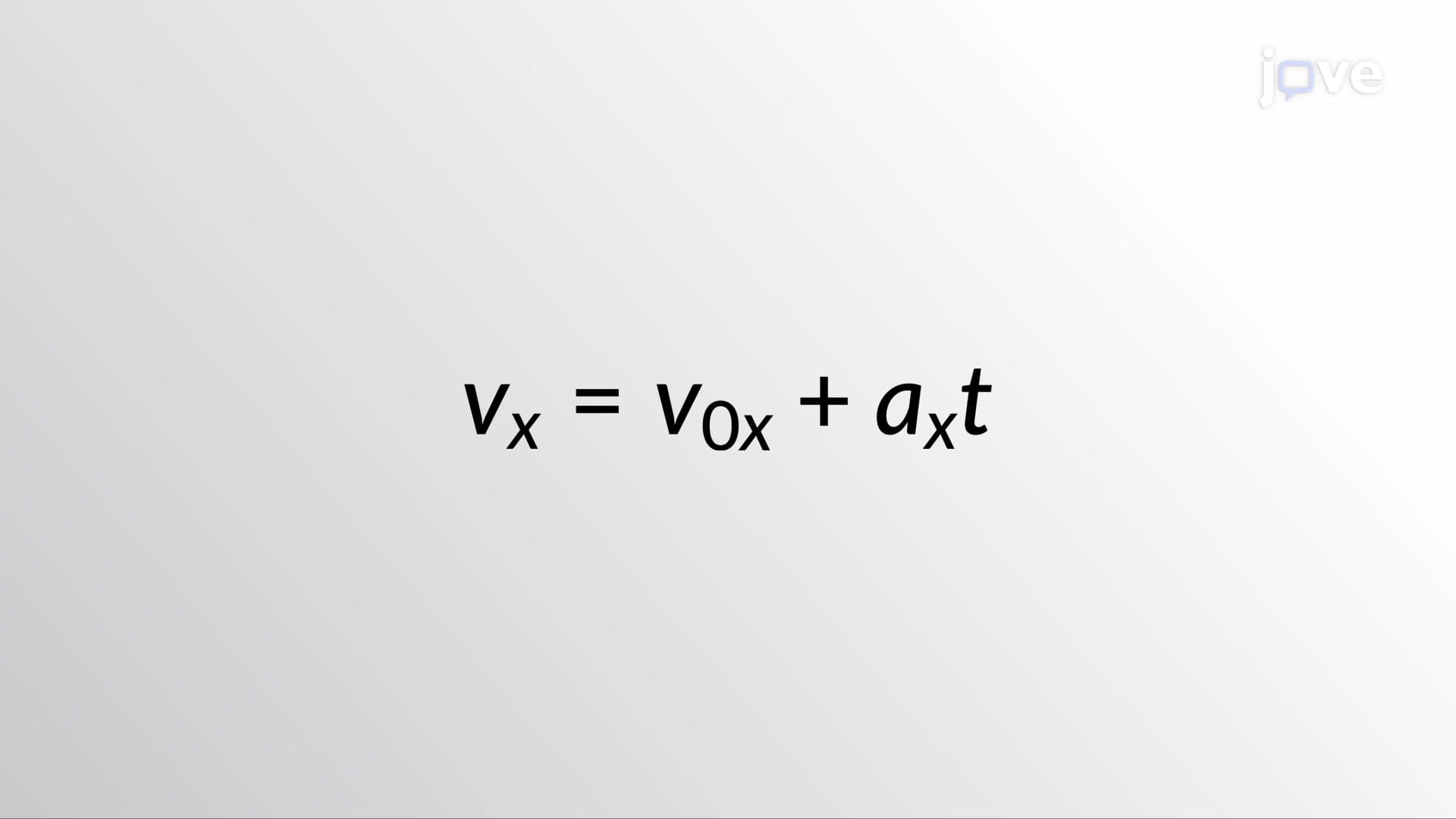

Video Summary: What Is Kinematic Equations I
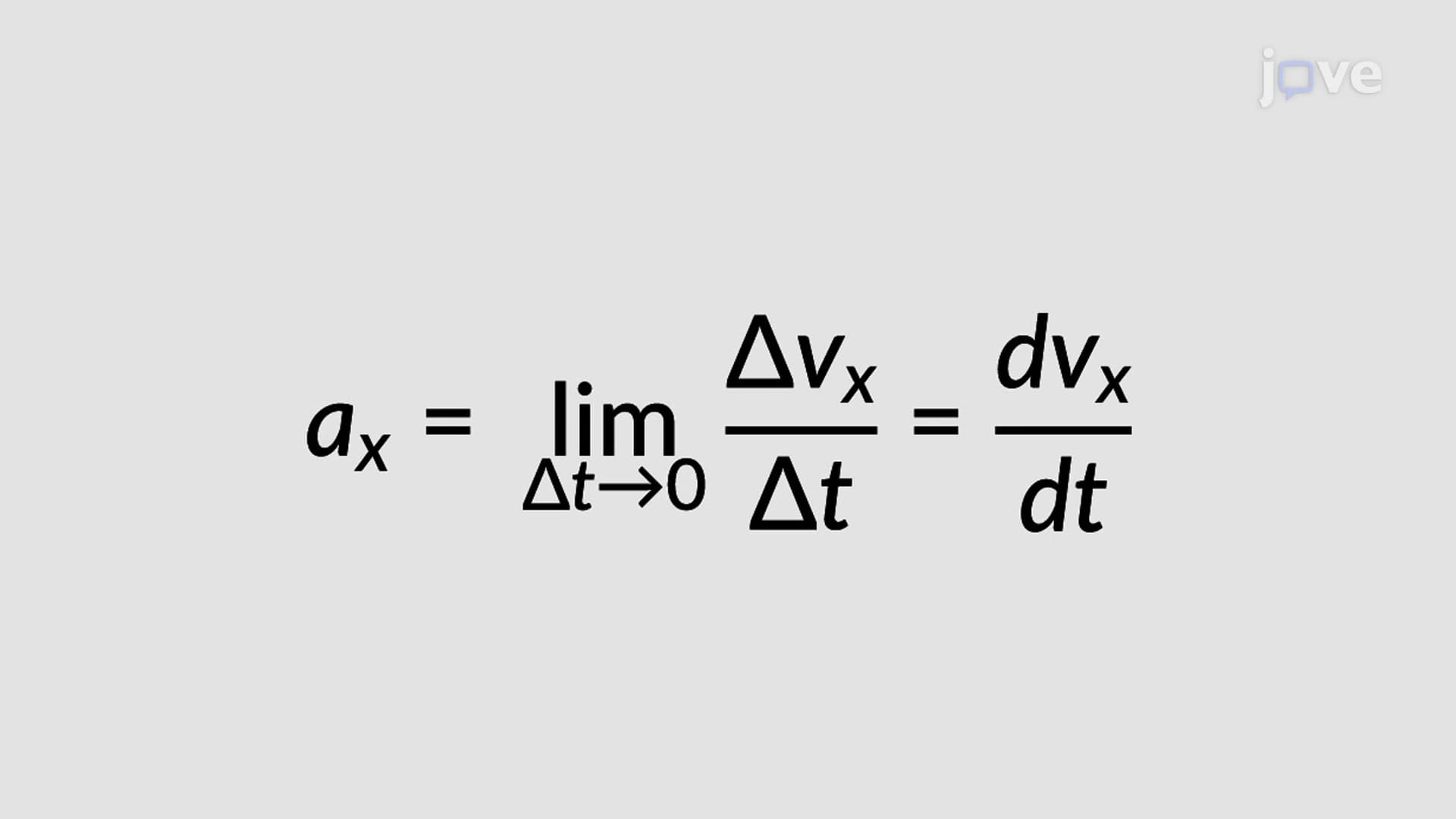
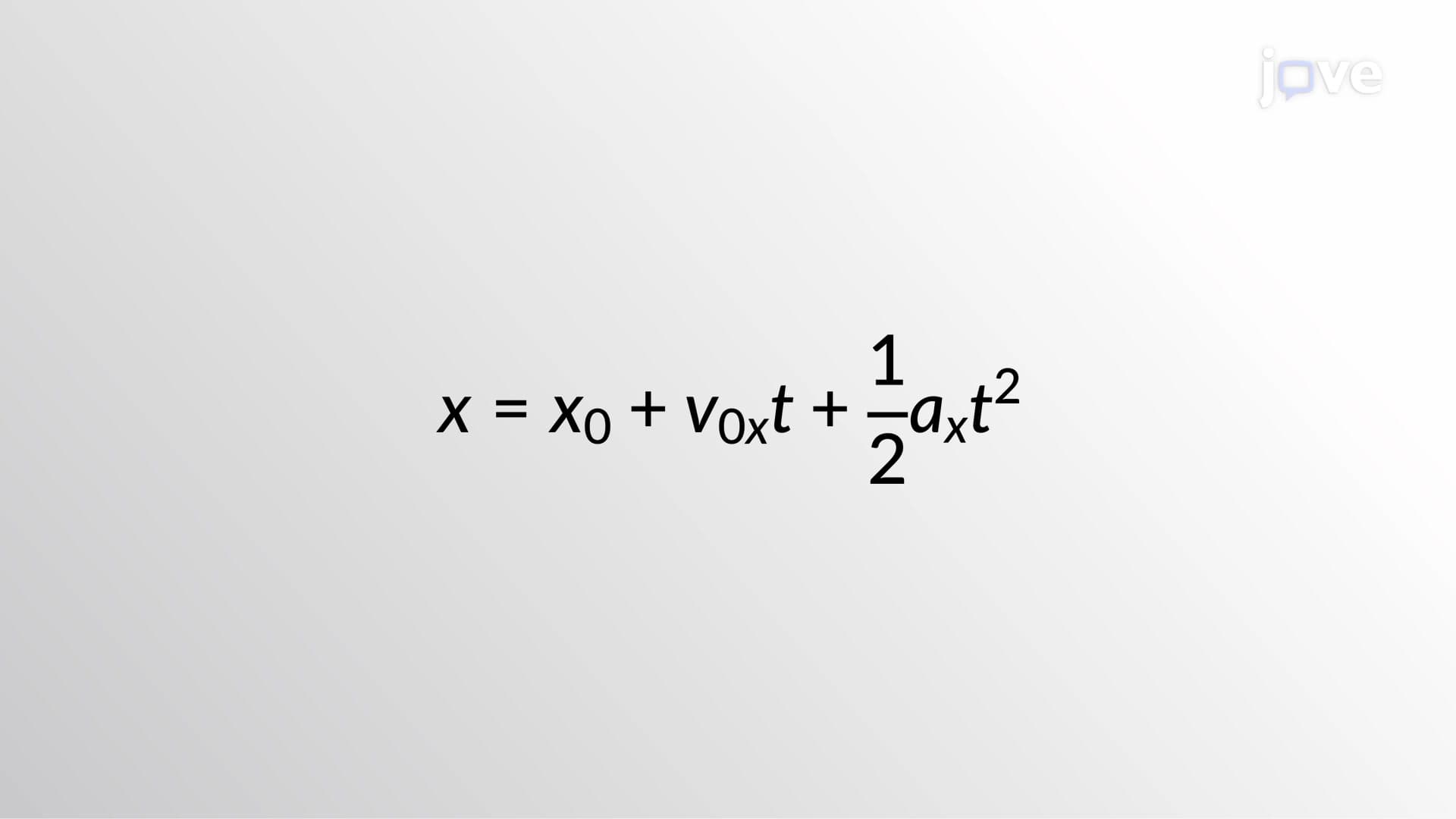
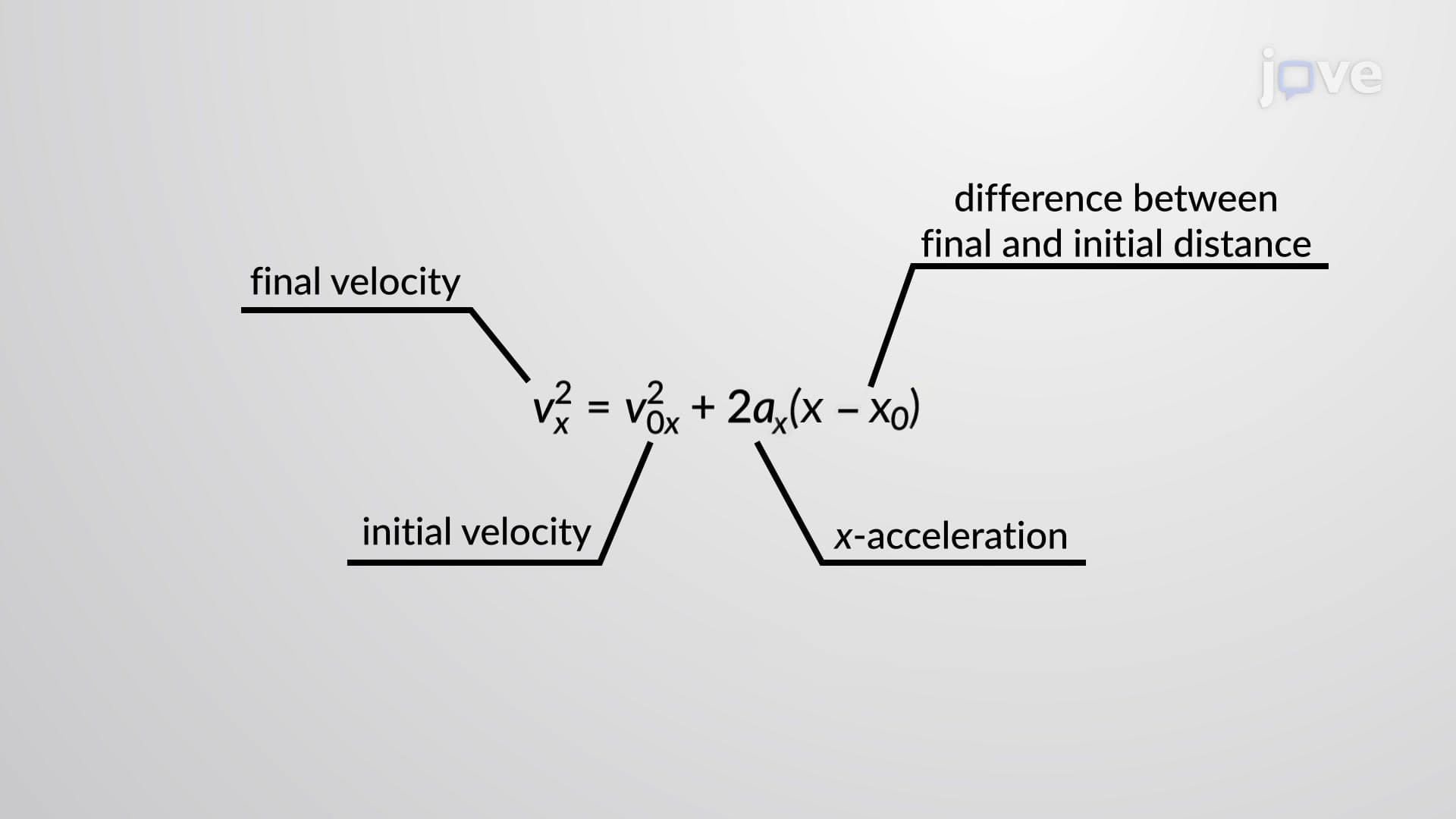
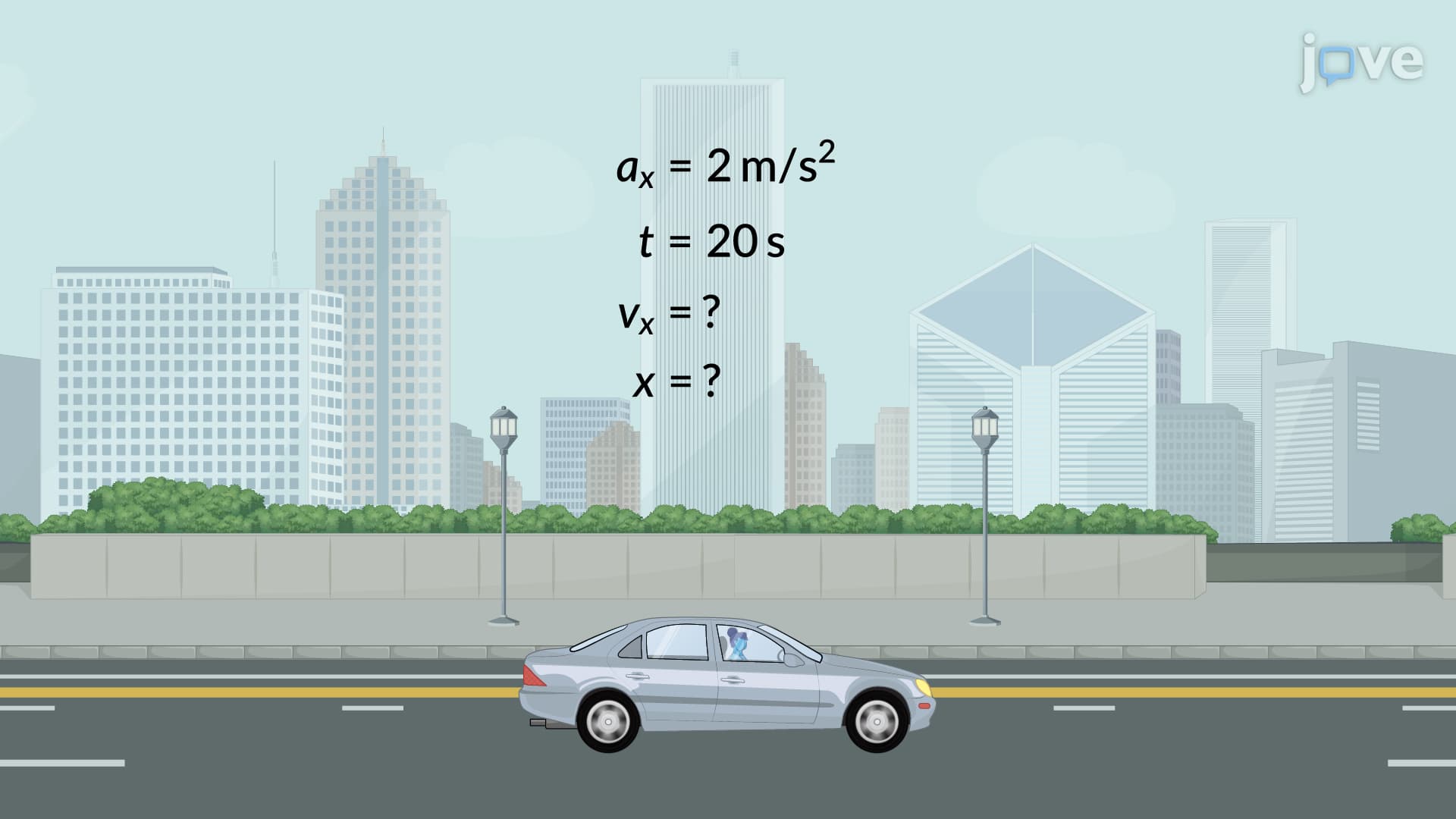
Did you know that a baseball pitcher's fastball and a skydiver's free fall both follow the same fundamental physics principles? Kinematic equations I describe how objects move when they experience constant acceleration, like a car accelerating from a traffic light on Interstate 95. These mathematical relationships connect displacement, velocity, acceleration, and time to predict an object's motion. The first kinematic equation shows how velocity changes over time when acceleration remains constant. Watch the full video on JoVE Coach to master this concept with expert-led visuals and step-by-step explanations.
Kinematic equations I represent a powerful set of mathematical tools that describe how objects move when subjected to constant acceleration. These equations form the backbone of introductory physics and appear extensively in AP Physics courses, SAT Subject Tests, and college-level mechanics classes across American universities from MIT to community colleges.
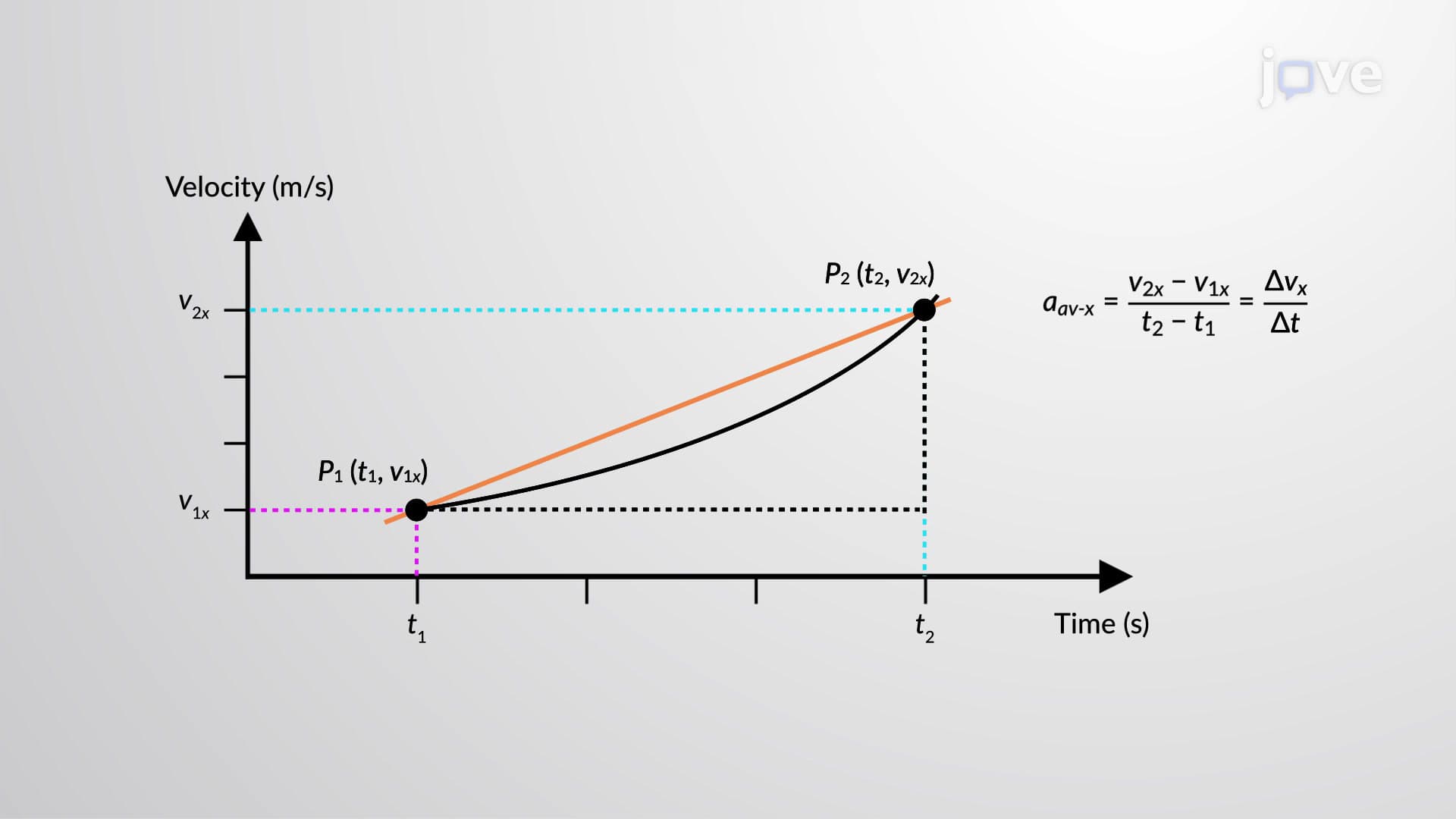
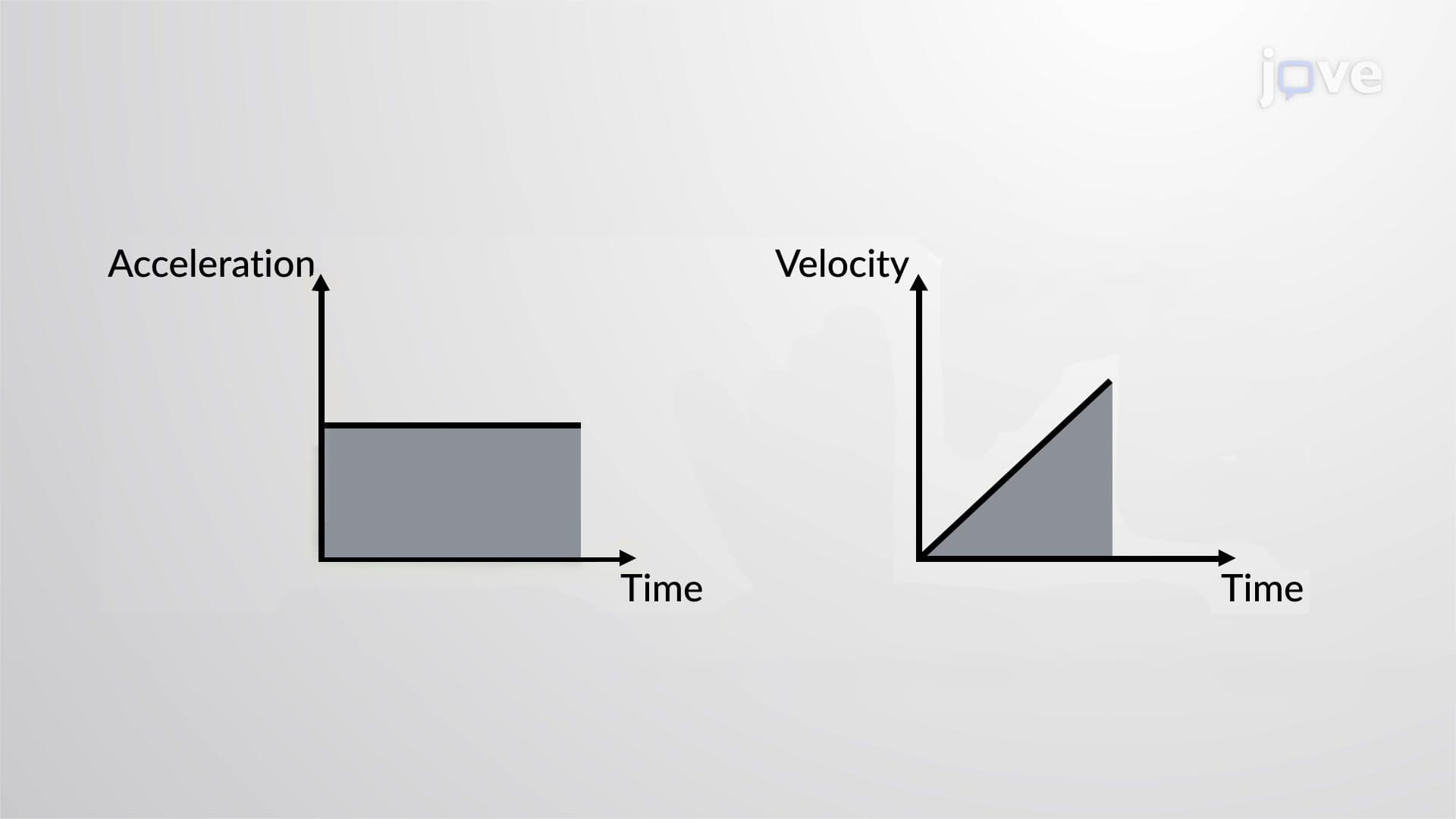
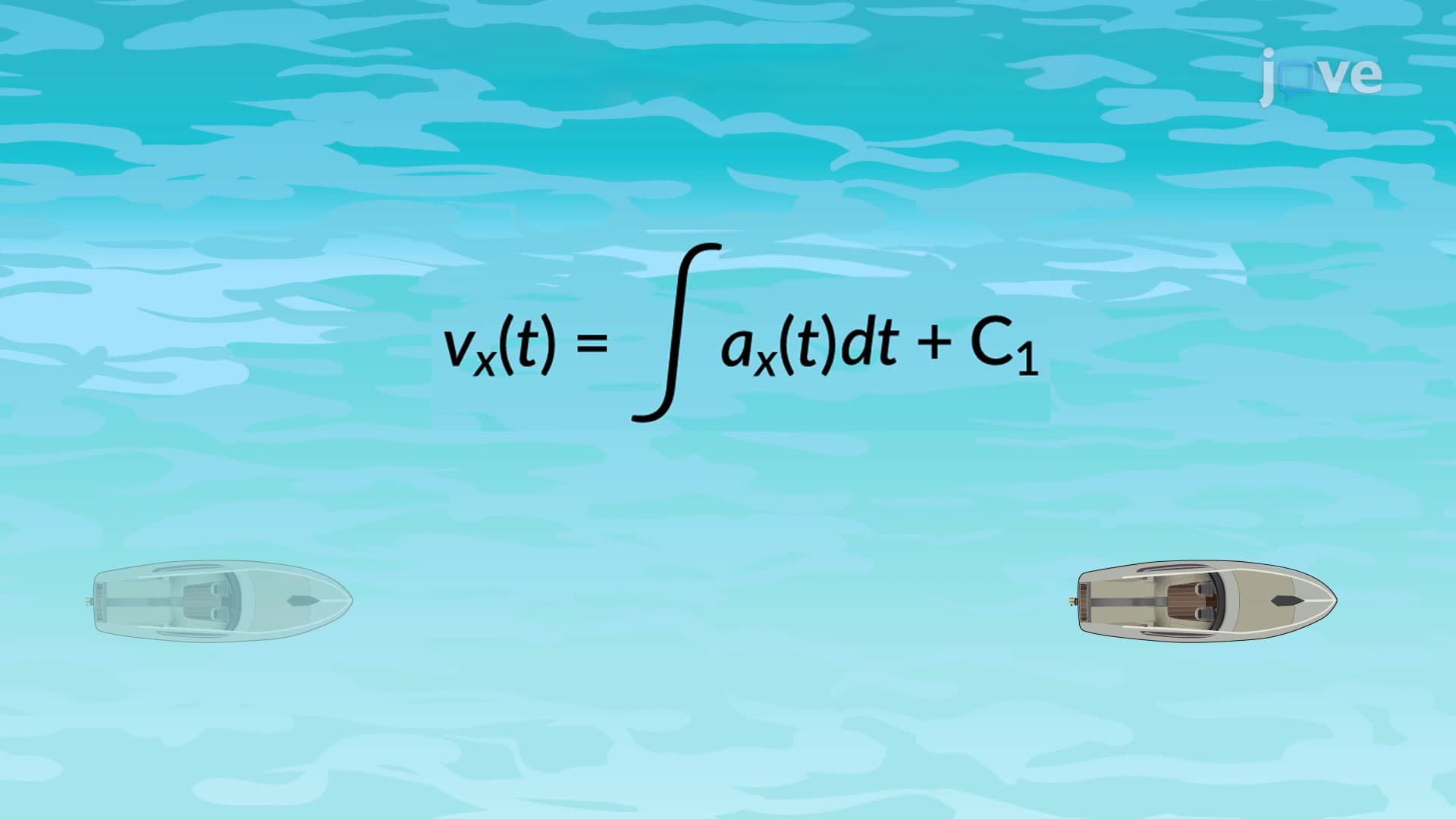
The first kinematic equation, v = v₀ + at, encapsulates a fundamental truth about motion: when acceleration remains constant, velocity changes linearly with time. Consider a Tesla Model S accelerating from rest on a highway. If the car maintains a constant acceleration of 4.4 m/s², its velocity increases predictably-after 1 second it reaches 4.4 m/s, after 2 seconds it reaches 8.8 m/s, and so forth. This linear relationship makes motion predictable and calculable.
Kinematic equations prove invaluable in numerous American industries and scenarios. NASA engineers use these equations when calculating spacecraft trajectories during launches from Kennedy Space Center. Traffic safety engineers apply them when designing highway merge lanes and calculating stopping distances for different speed limits. Sports analysts employ kinematic equations to understand football punt trajectories or basketball free-throw arcs.
In emergency medicine, paramedics and ER physicians use kinematic principles to assess trauma severity in vehicle accidents, estimating impact forces based on deceleration distances and times.
Students encounter kinematic equations extensively throughout their academic journey. In AP Physics 1, these equations typically comprise 15-20% of exam content. The MCAT Physical Sciences section regularly features kinematic problems in biological contexts, such as blood flow dynamics or muscle contraction mechanics. College physics courses at institutions like UC Berkeley and University of Texas use these equations as stepping stones to more complex topics like rotational motion and wave mechanics.
The beauty of kinematic equations lies in their versatility-they apply equally to microscopic particles and massive objects, provided acceleration remains constant. This universality makes them essential tools for anyone pursuing STEM careers in engineering, medicine, or research.
Related Micro-courses