Loading video…


 14 Concepts
 224.2K views

Video Summary: What Is Position and Displacement
When a Tesla driver accelerates from a red light in downtown San Francisco, their car's location changes relative to surrounding buildings and street signs. Understanding position and displacement is fundamental to describing any object's motion in physics, whether it's analyzing a baseball's trajectory at Yankee Stadium or a rocket launch from Kennedy Space Center. Position tells us where an object is located relative to a reference point, while displacement measures the change in that position. Watch the full video on JoVE Coach to master this concept with expert-led visuals and step-by-step explanations.
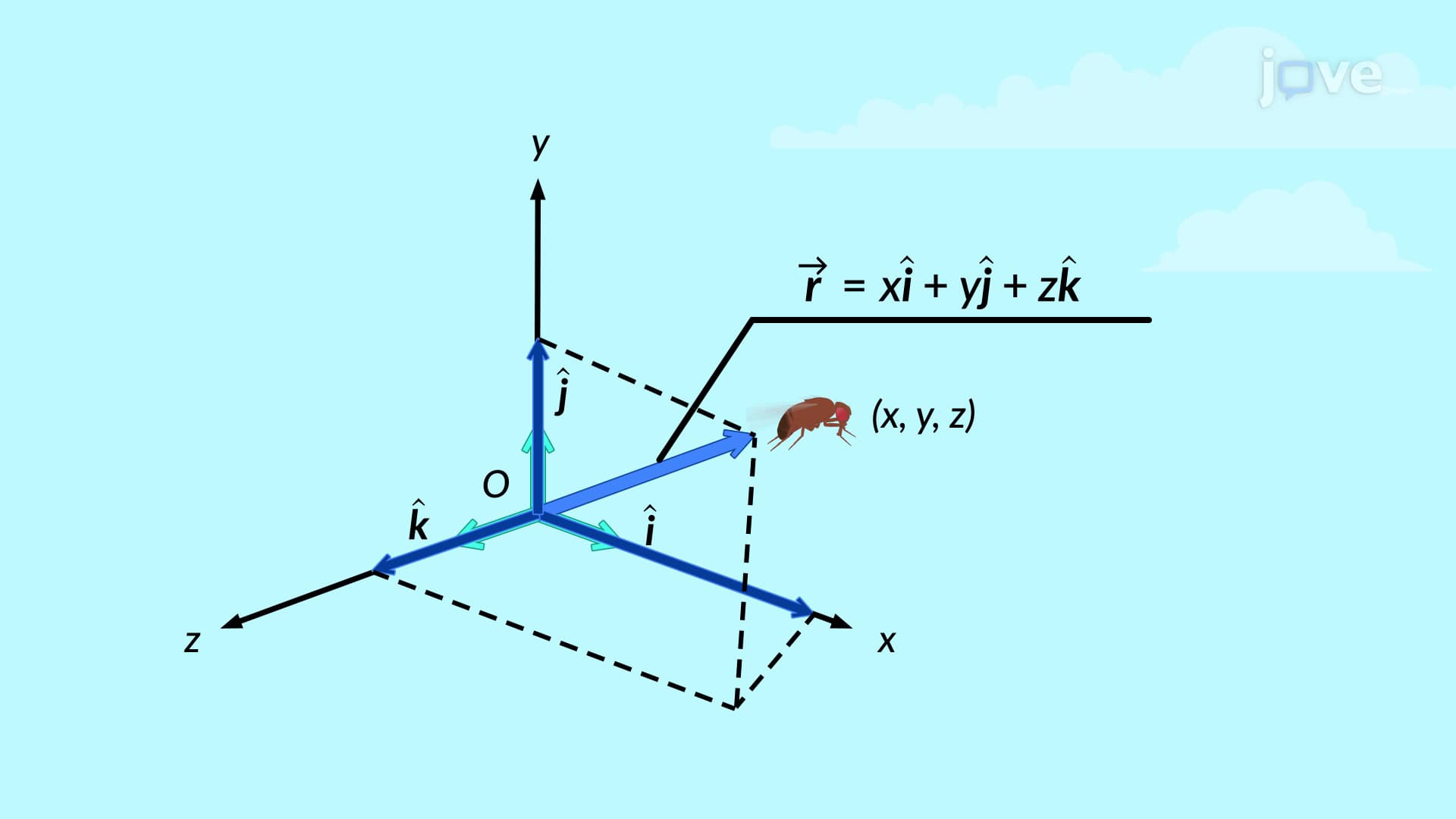
Position and displacement serve as the cornerstone concepts for all motion analysis in physics. Position describes exactly where an object is located at any given moment relative to a chosen reference point, while displacement quantifies how far and in what direction the object has moved from its starting location.
Every position measurement requires a frame of reference-essentially a coordinate system that serves as your measuring stick. In most introductory physics problems, we use Earth or stationary objects as our reference frame. For example, when analyzing a football player's run down the field at MetLife Stadium, we might use the goal line as our reference point (x = 0) and measure all positions relative to that line.
The choice of reference frame is arbitrary but crucial for consistency. A quarterback at the 20-yard line has a position of x = 20 yards relative to the goal line, but x = -80 yards relative to the opposite goal line. Both measurements are correct within their respective reference frames.
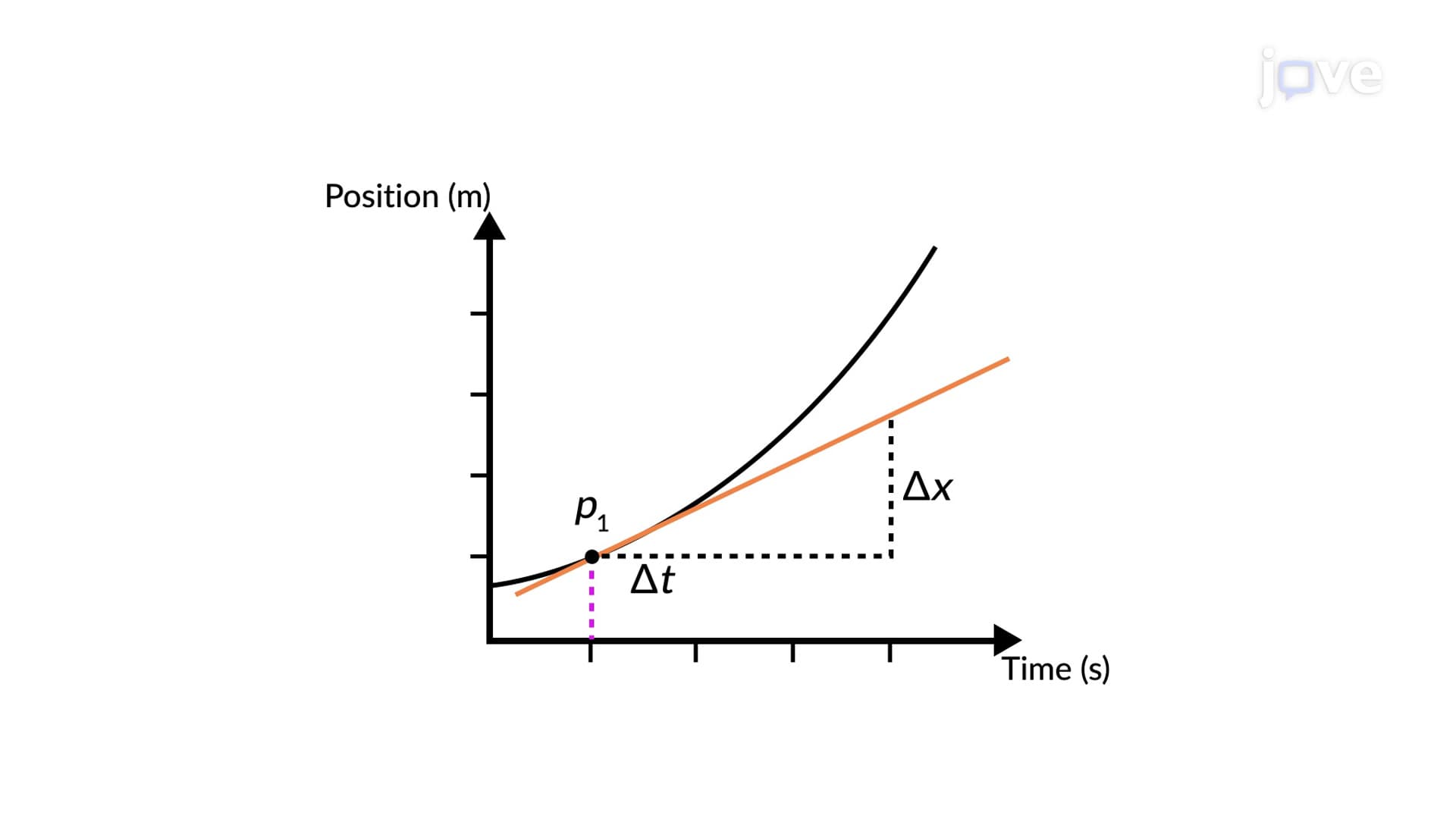
Displacement (Δx) represents the change in an object's position and is calculated as: Displacement = Final Position - Initial Position or Δx = x(final) - x(initial)
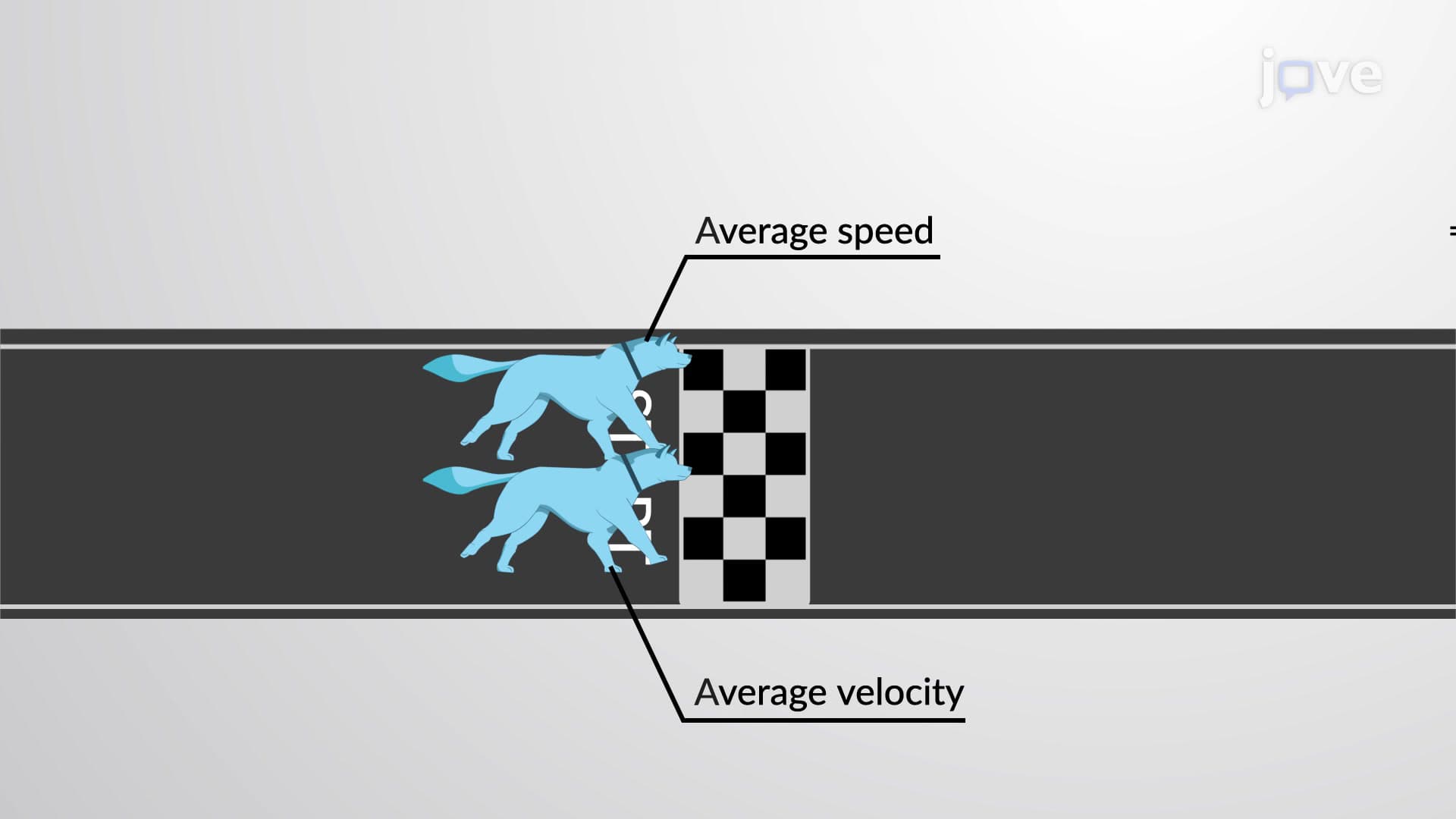
Unlike distance, displacement is a vector quantity, meaning it has both magnitude and direction. If a student walks from their locker (position x = 0) to the library (position x = +50 meters), their displacement is +50 meters. If they then return to their locker, their total displacement becomes zero, even though they walked 100 meters total distance.
These concepts appear frequently on standardized tests including AP Physics exams, SAT Subject Tests, and college physics courses. Common question types involve calculating displacement from position-time graphs, determining reference frames for complex motion scenarios, and distinguishing between distance traveled and displacement.
In engineering applications, GPS systems use position and displacement principles to track vehicle movement. Air traffic controllers at airports like LAX use similar concepts to monitor aircraft positions relative to runways and other aircraft, ensuring safe navigation through three-dimensional space.
Related Micro-courses