Loading video…


 14 Concepts
 224.2K views

Video Summary: What Is Free Falling Bodies Example
Ever wonder why a penny and a feather dropped from the Empire State Building would hit the ground at the same time (ignoring air resistance)? A free falling bodies example demonstrates how objects move under gravity's influence alone, following predictable patterns that scientists use to study everything from skydiving to spacecraft trajectories. Consider dropping a basketball from your school's roof-physicists can calculate exactly where it'll land and how fast it'll be moving using the same principles. Watch the full video on JoVE Coach to master this concept with expert-led visuals and step-by-step explanations.
Free fall represents one of the most fundamental concepts in physics, describing motion where gravity is the only force acting on an object. When we examine a free falling bodies example, we're studying how objects behave when air resistance is negligible and gravitational acceleration dominates the motion. This concept forms the foundation for understanding projectile motion, orbital mechanics, and countless engineering applications.
In any free falling bodies example, objects experience constant acceleration due to Earth's gravitational field. This acceleration, approximately 9.8 meters per second squared, remains consistent regardless of the object's mass-a principle that revolutionized our understanding of motion. Whether analyzing a dropped textbook or a skydiver before deploying their parachute, the mathematical treatment remains identical.
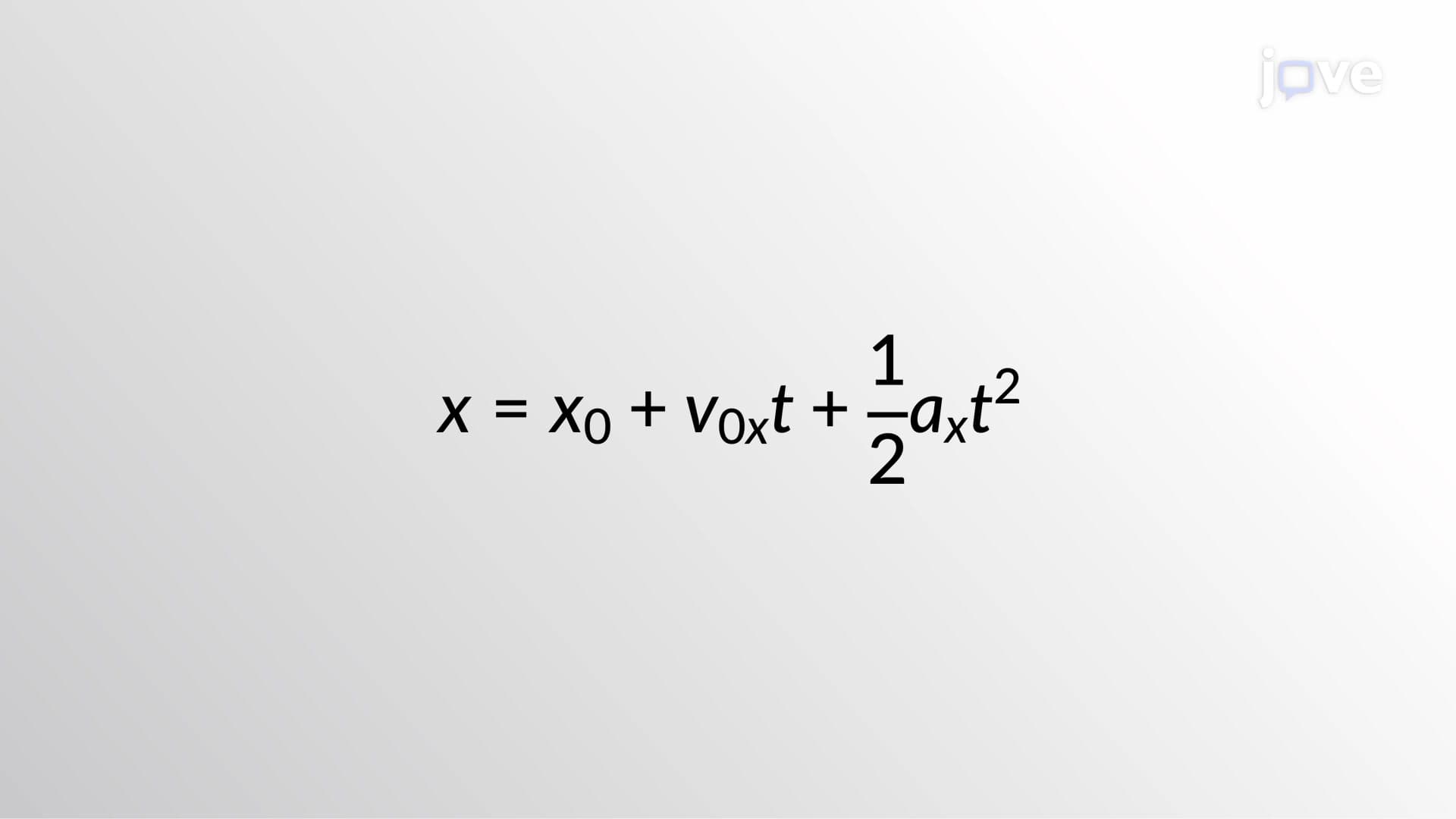
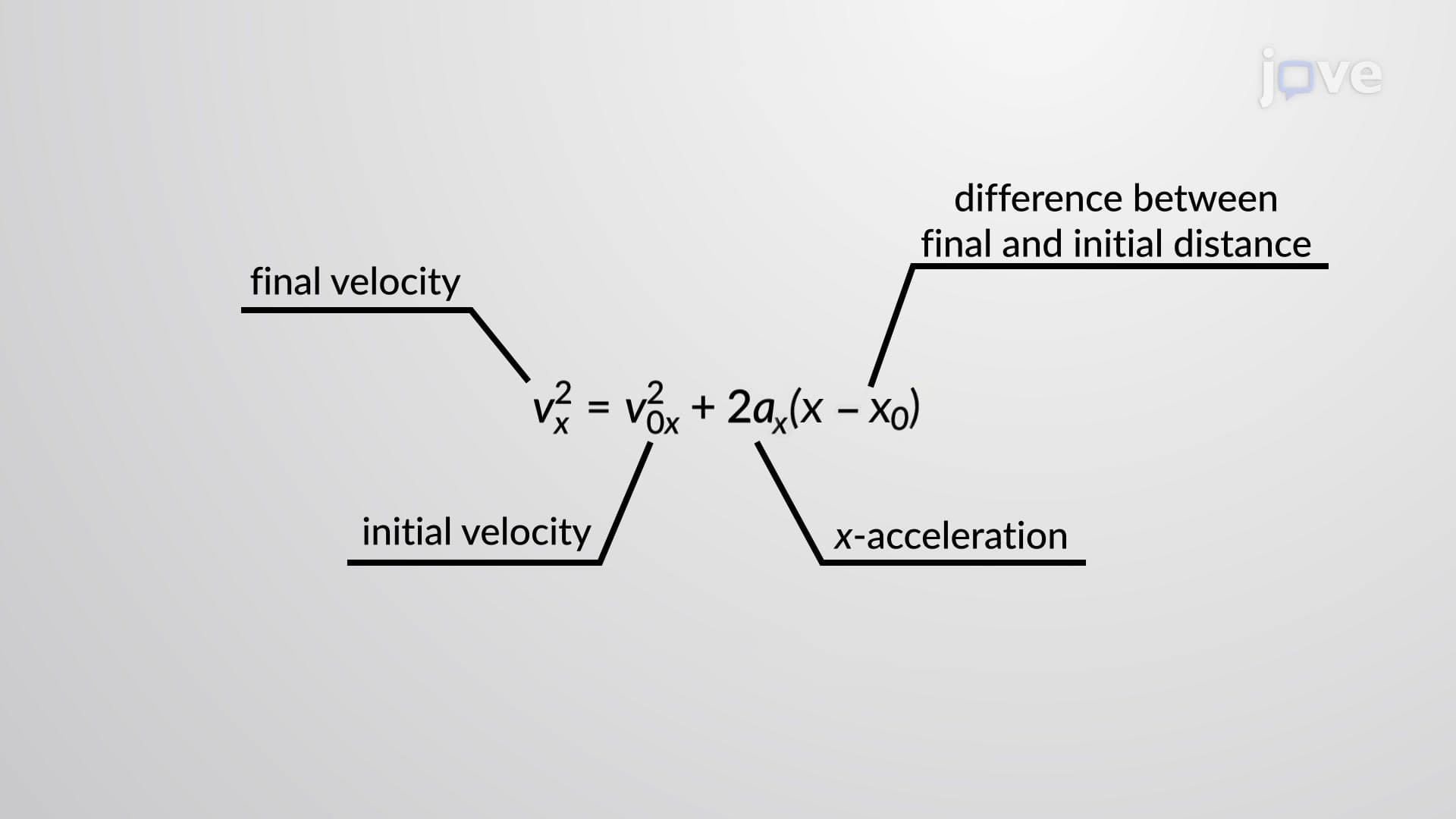
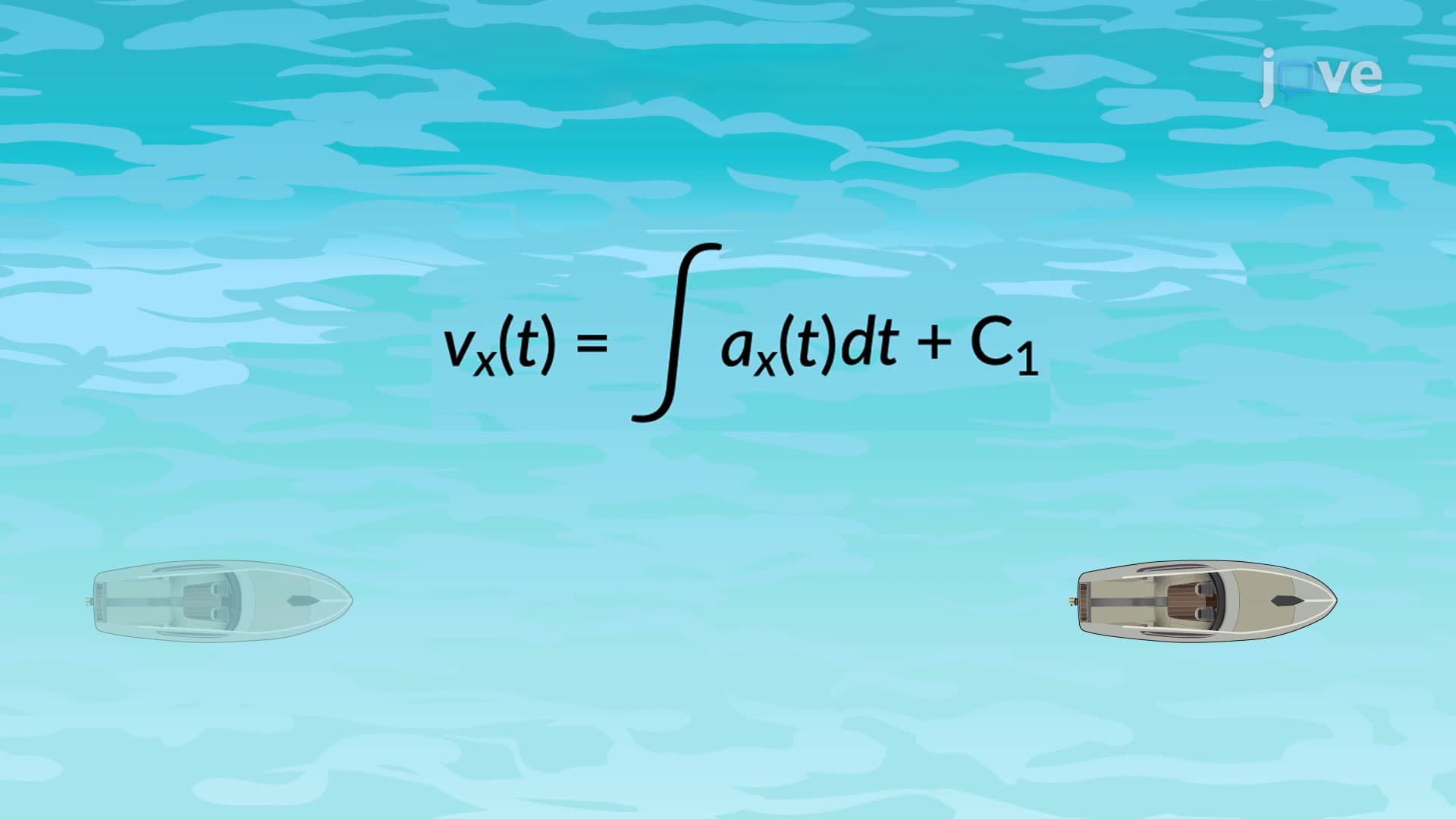
Students preparing for AP Physics exams frequently encounter free fall problems that require applying kinematic equations. These equations-relating position, velocity, acceleration, and time-provide the mathematical framework for solving complex motion problems. For instance, when a construction worker accidentally drops a hammer from a 50-story building in New York City, engineers can predict exactly when and where it will impact.
Free fall calculations appear throughout professional fields, from aerospace engineering to sports analytics. NASA engineers use these principles when designing spacecraft trajectories, while forensic investigators apply free fall physics to accident reconstruction. In academic settings, students encounter these concepts in SAT Physics Subject Tests and college-level mechanics courses.
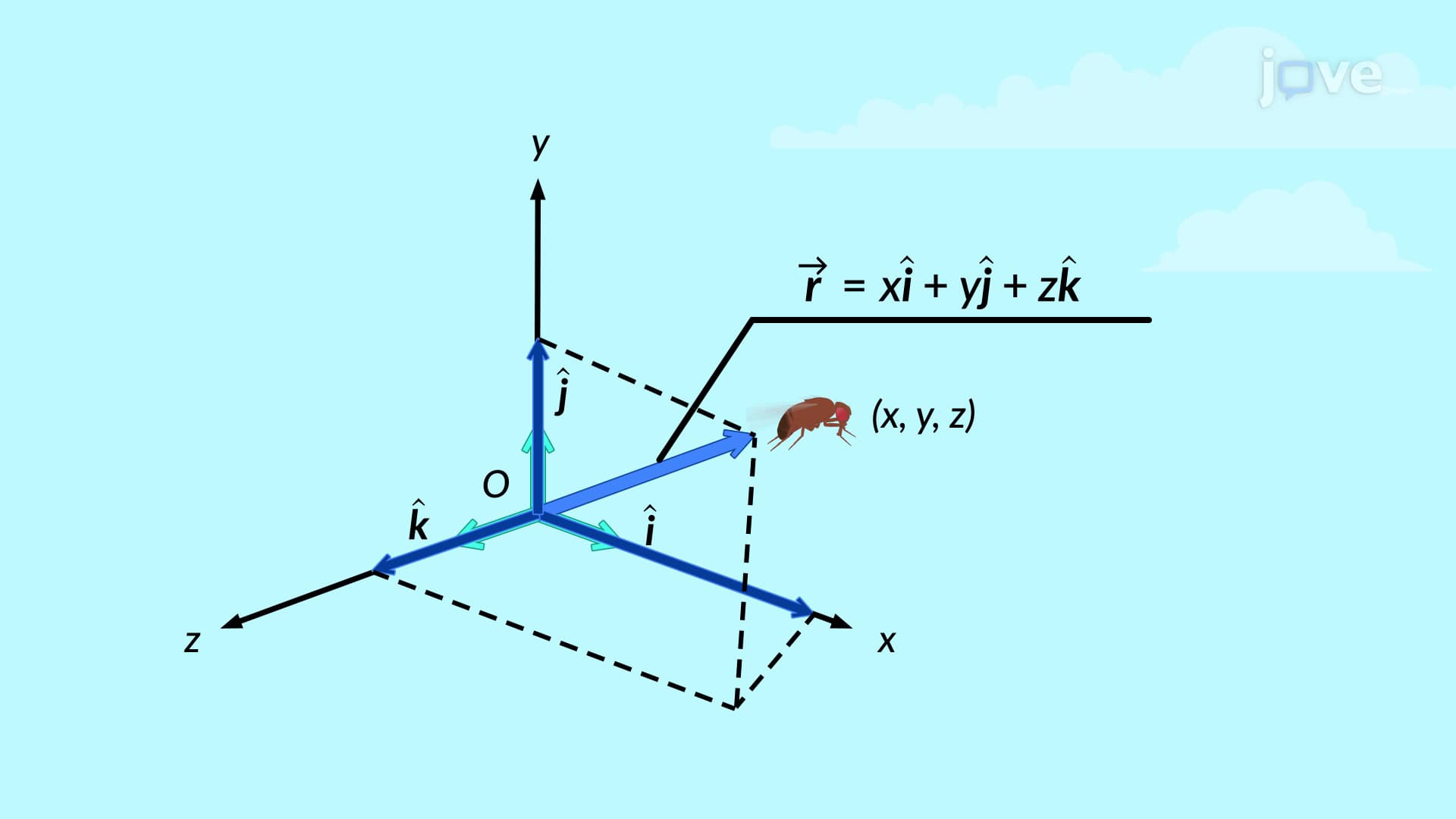
The coordinate system choice significantly impacts problem-solving efficiency. Most physics textbooks establish the positive direction as upward, making downward motion negative. However, some approaches use downward as positive, particularly when analyzing objects dropped from height. Consistency in coordinate system application prevents calculation errors and conceptual confusion.
Beyond basic free fall scenarios, students explore more complex situations involving initial velocity, multiple dimensions, and varying gravitational fields. These extended applications prepare students for advanced physics coursework and MCAT preparation, where understanding motion under constant acceleration becomes crucial for success in medical school physics requirements.
Related Micro-courses