Loading…
Loading video…

224,215 views
Ever wondered why you feel pushed back into your car seat during highway merging? That sensation results from average acceleration — the rate at which velocity changes over time. When a Tesla Model S accelerates from 0 to 60 mph in just 2.3 seconds on Interstate 95, it demonstrates dramatic average acceleration that creates measurable physical effects. This fundamental physics concept explains motion changes in everything from NASCAR races to roller coasters. Watch the full video on JoVE Coach to master this concept with expert-led visuals and step-by-step explanations.
Average acceleration represents one of physics' most fundamental concepts, measuring how quickly velocity changes over a specific time period. Unlike speed, which only considers magnitude, acceleration accounts for both the magnitude and direction of velocity changes. This makes acceleration a vector quantity, essential for describing complex motions from planetary orbits to football trajectories.
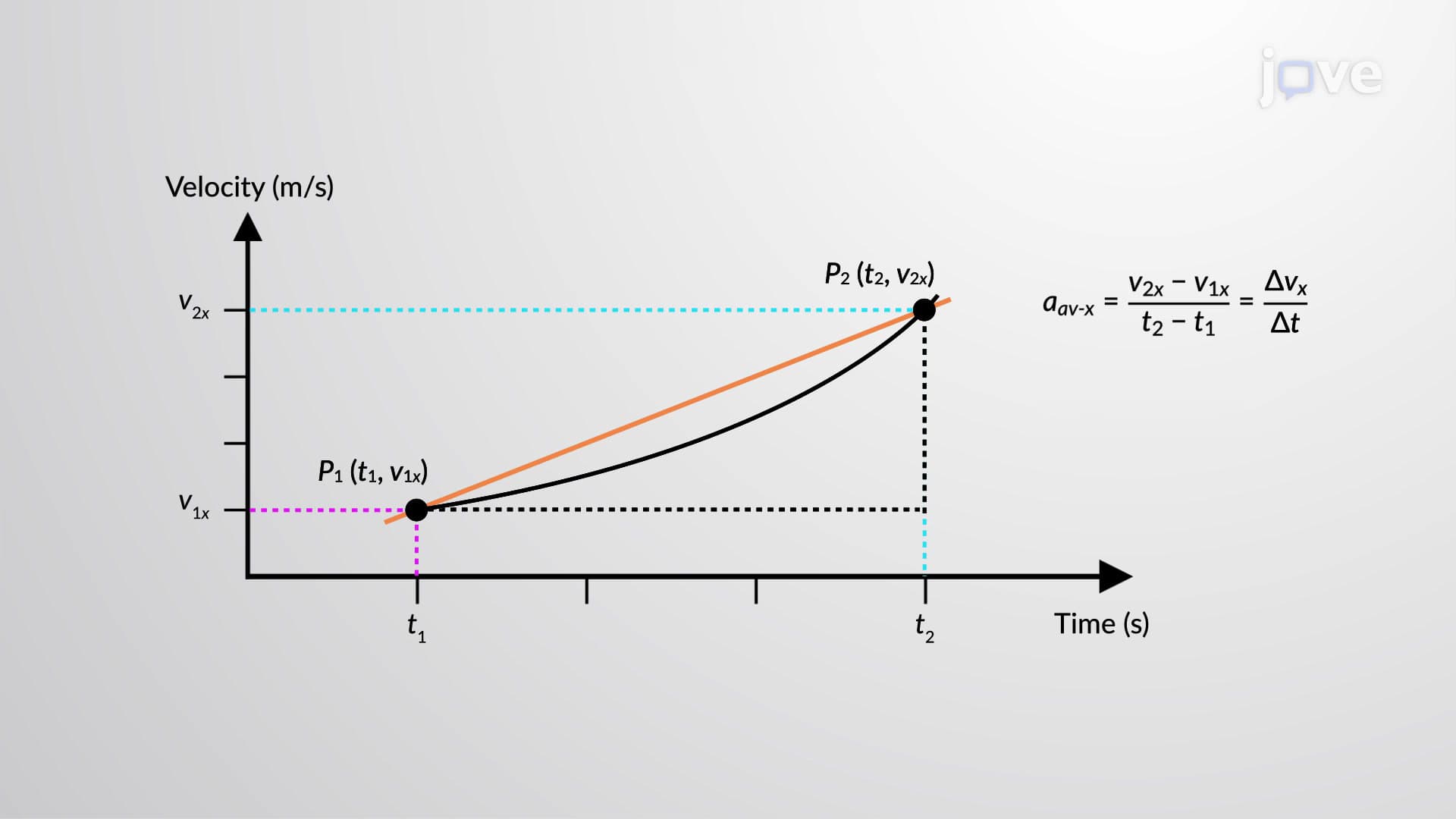
The average acceleration formula appears deceptively simple: a = (v₂ - v₁) / (t₂ - t₁), where v₂ and v₁ represent final and initial velocities, respectively, while t₂ and t₁ indicate corresponding time points. However, this equation's power lies in its vector application. When a NASCAR driver navigates Turn 1 at Daytona International Speedway, maintaining constant speed but changing direction, significant acceleration occurs due to directional velocity change.
Students preparing for AP Physics or SAT Subject Tests must remember that acceleration units are meters per second squared (m/s²). This unit structure reflects acceleration's definition: velocity change per unit time, where velocity itself has units of meters per second.
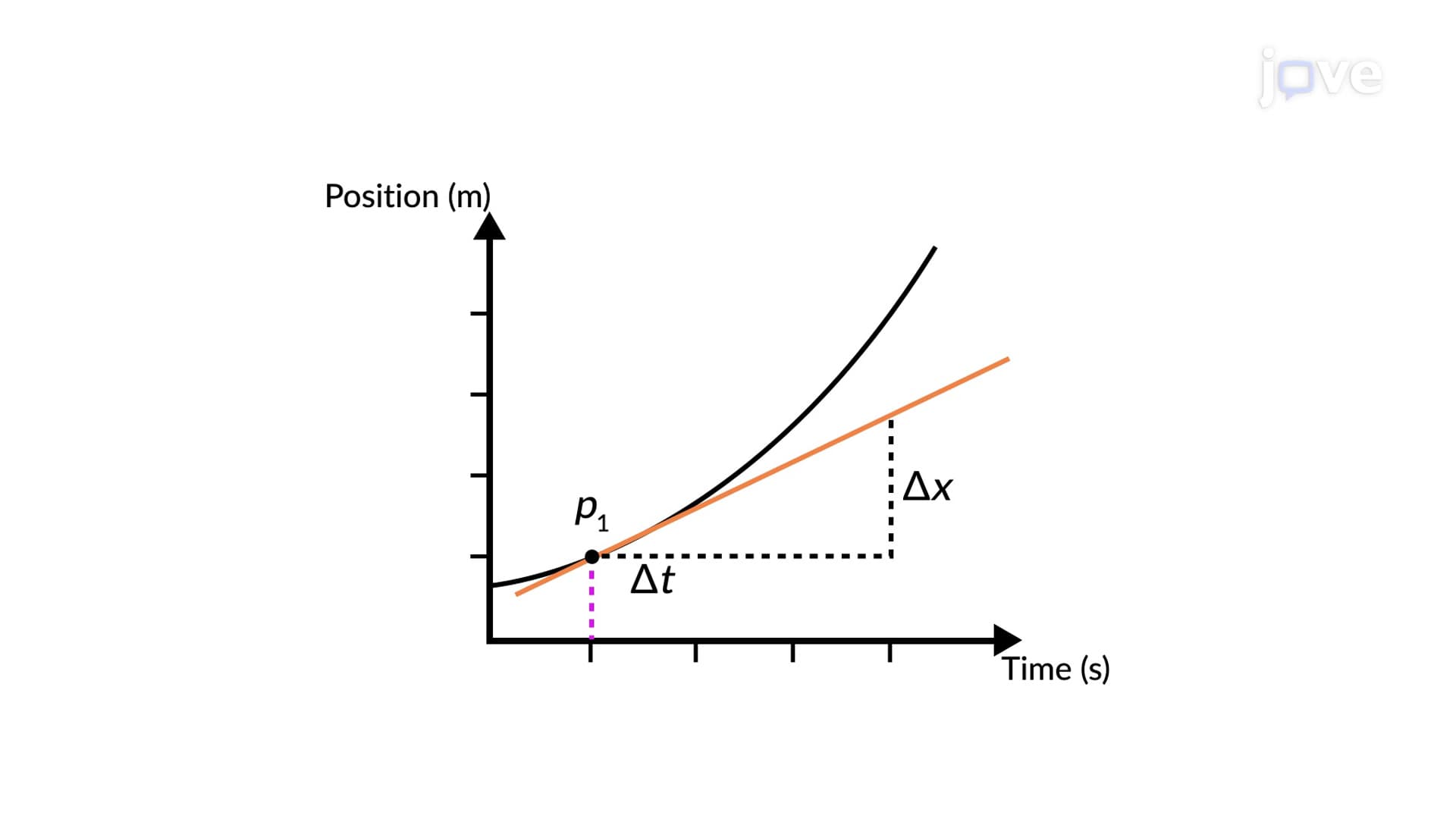
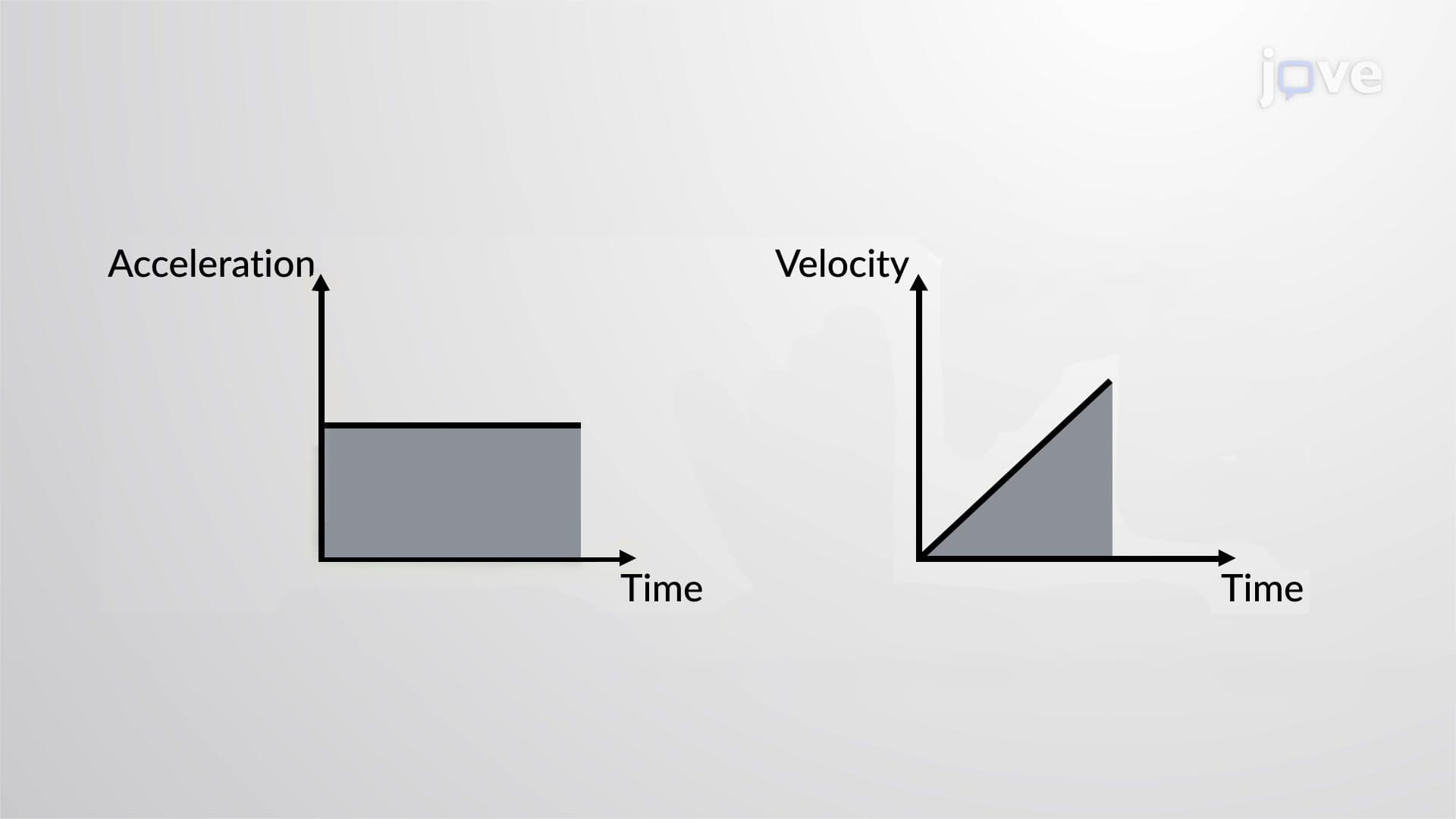
Velocity-time graphs provide powerful visual tools for understanding average acceleration concepts. The slope of any line segment connecting two points on a v-t graph equals the average acceleration between those time intervals. Steeper positive slopes indicate greater acceleration, while negative slopes represent deceleration or acceleration in the opposite direction.
Consider analyzing a Space Shuttle launch from Kennedy Space Center: the initial steep slope on a velocity-time graph shows enormous acceleration as main engines ignite, while later flattening indicates reduced acceleration as the shuttle approaches orbital velocity. This graphical interpretation proves crucial for MCAT physics sections and college physics courses.
Average acceleration calculations appear throughout engineering, sports science, and transportation design. When engineers design roller coasters at Six Flags Magic Mountain, they carefully calculate average acceleration values to ensure rider safety while maximizing excitement. Similarly, automotive safety testing relies on average acceleration measurements during crash scenarios to improve airbag deployment timing.
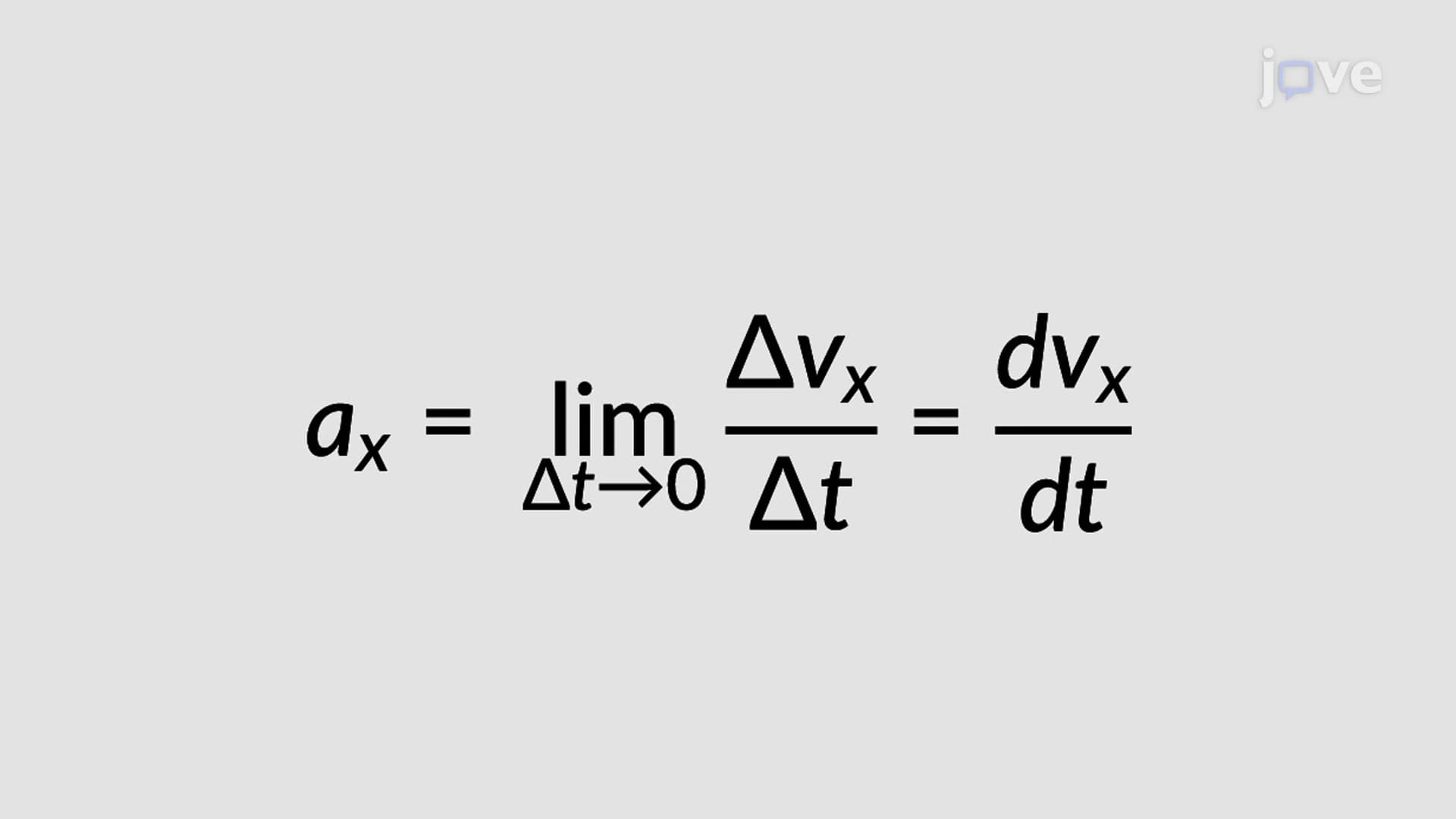
For exam success, practice identifying whether problems require average or instantaneous acceleration. Average acceleration works well for analyzing overall motion patterns, while instantaneous acceleration describes motion at specific moments. This distinction frequently appears in college physics midterms and standardized test questions.
Frequently Asked Questions
Average acceleration measures the rate of velocity change over a specific time interval, calculated as the total velocity change divided by elapsed time. It differs from instantaneous acceleration, which describes the rate of velocity change at a single moment. Average acceleration provides an overall picture of motion changes, while instantaneous acceleration captures moment-by-moment variations.
AP Physics exams frequently test average acceleration through velocity-time graph analysis, multi-step kinematic problems, and conceptual questions about vector nature. Students must demonstrate understanding of both magnitude and direction changes. Common question types include calculating acceleration from given velocities and time intervals, interpreting graph slopes, and applying kinematic equations in projectile motion scenarios.
The MCAT physics section includes average acceleration in kinematics problems, often combined with forces and energy concepts. Test-takers encounter questions involving velocity-time graphs, acceleration calculations during biological processes like blood flow changes, and conceptual understanding of acceleration as a vector quantity. Practice problems typically integrate acceleration with other physics principles.
A roller coaster constantly demonstrates average acceleration as it climbs hills, drops, and navigates curves. During the initial climb up Space Mountain, positive acceleration occurs as the chain lift increases velocity. The dramatic drop creates large negative acceleration (deceleration) in the upward direction while accelerating downward. Even maintaining constant speed around curves produces acceleration due to continuous direction changes.
Average acceleration concepts are very accessible to beginning physics students with basic algebra skills. The mathematical calculations involve straightforward division, while the main challenge lies in understanding acceleration's vector nature. Students who grasp that direction changes create acceleration, even with constant speed, typically master this concept quickly through practice problems.
Focus on three key areas: memorizing the basic formula, practicing velocity-time graph interpretation, and working through diverse word problems. Create flashcards linking acceleration units (m/s²) to physical meanings. Solve at least 20 practice problems involving different scenarios like cars, projectiles, and circular motion to build pattern recognition for exam success.
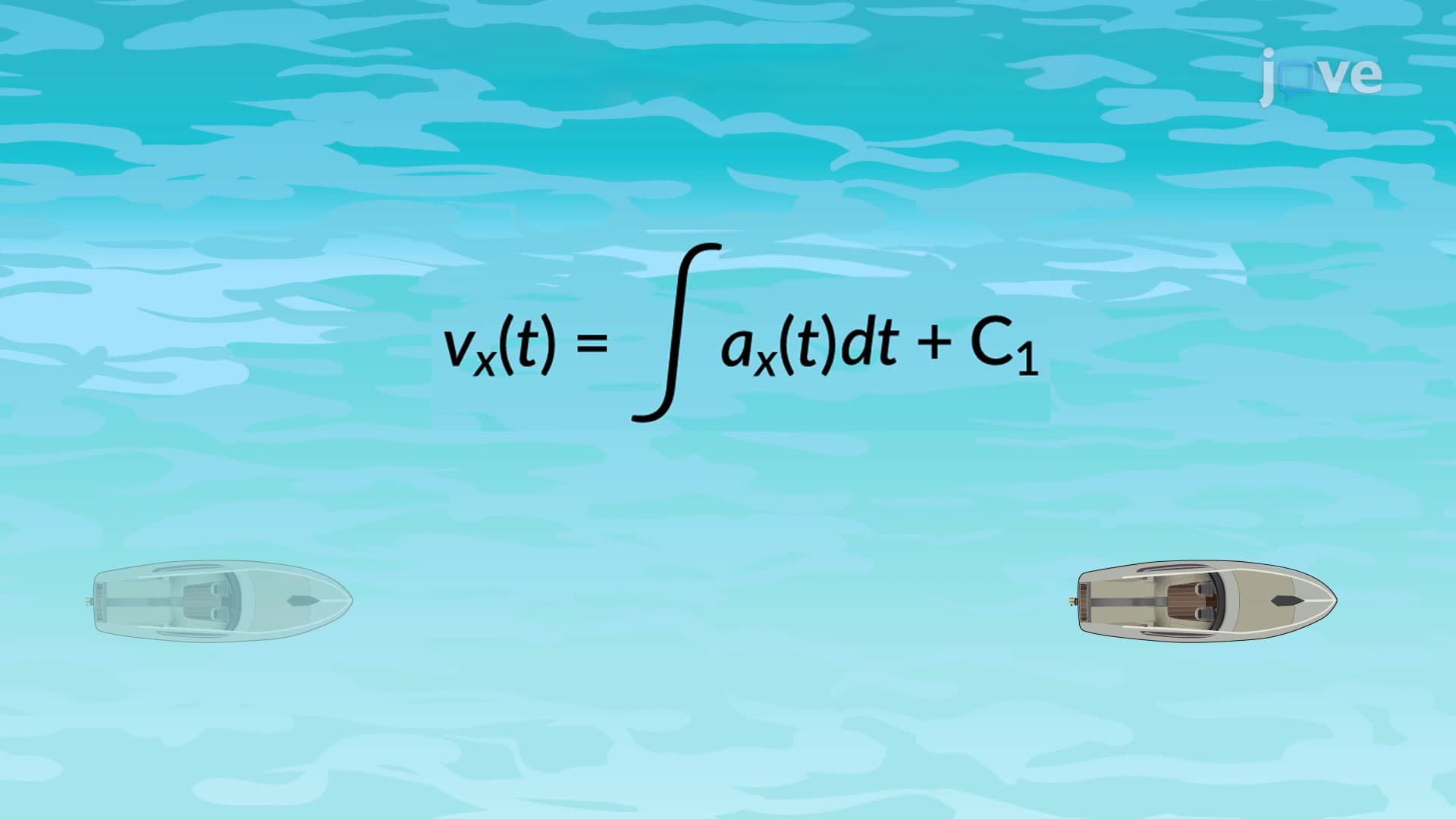
After mastering average acceleration, explore instantaneous acceleration using calculus derivatives, then progress to Newton's second law connecting forces and acceleration. Study centripetal acceleration for circular motion, followed by rotational kinematics and angular acceleration. These concepts build naturally upon average acceleration foundations and appear frequently in advanced physics coursework.
Related Micro-courses


Related Subjects
 Math Fundamentals 11 micro-courses›
 Statistics 17 micro-courses›