Loading subject page…

- Physics
- Motion Along a Straight Line
- Instantaneous Velocity - II
Micro-course: Motion Along a Straight Line
224,217 views
Learn key concepts and earn your certificate.


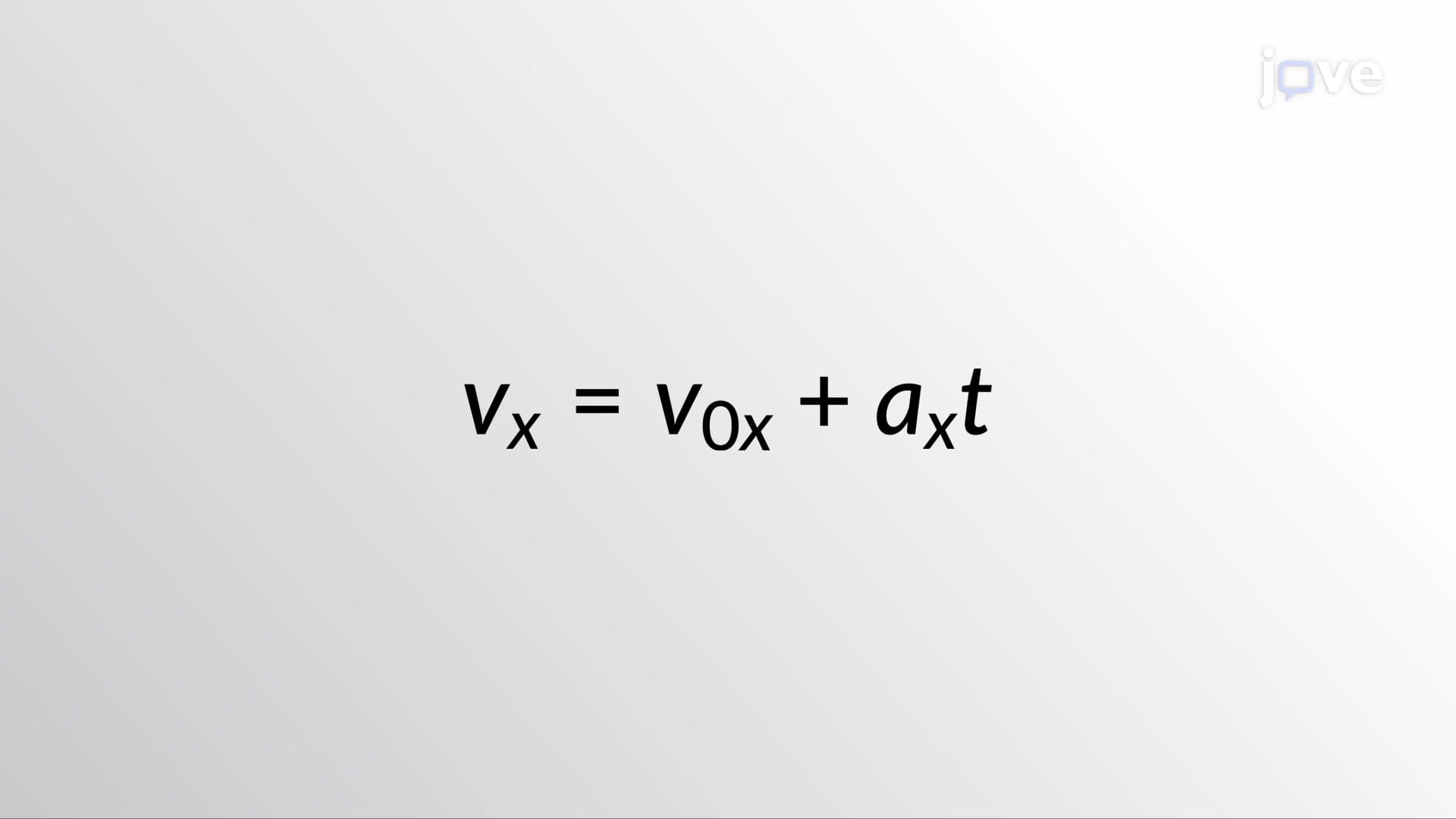
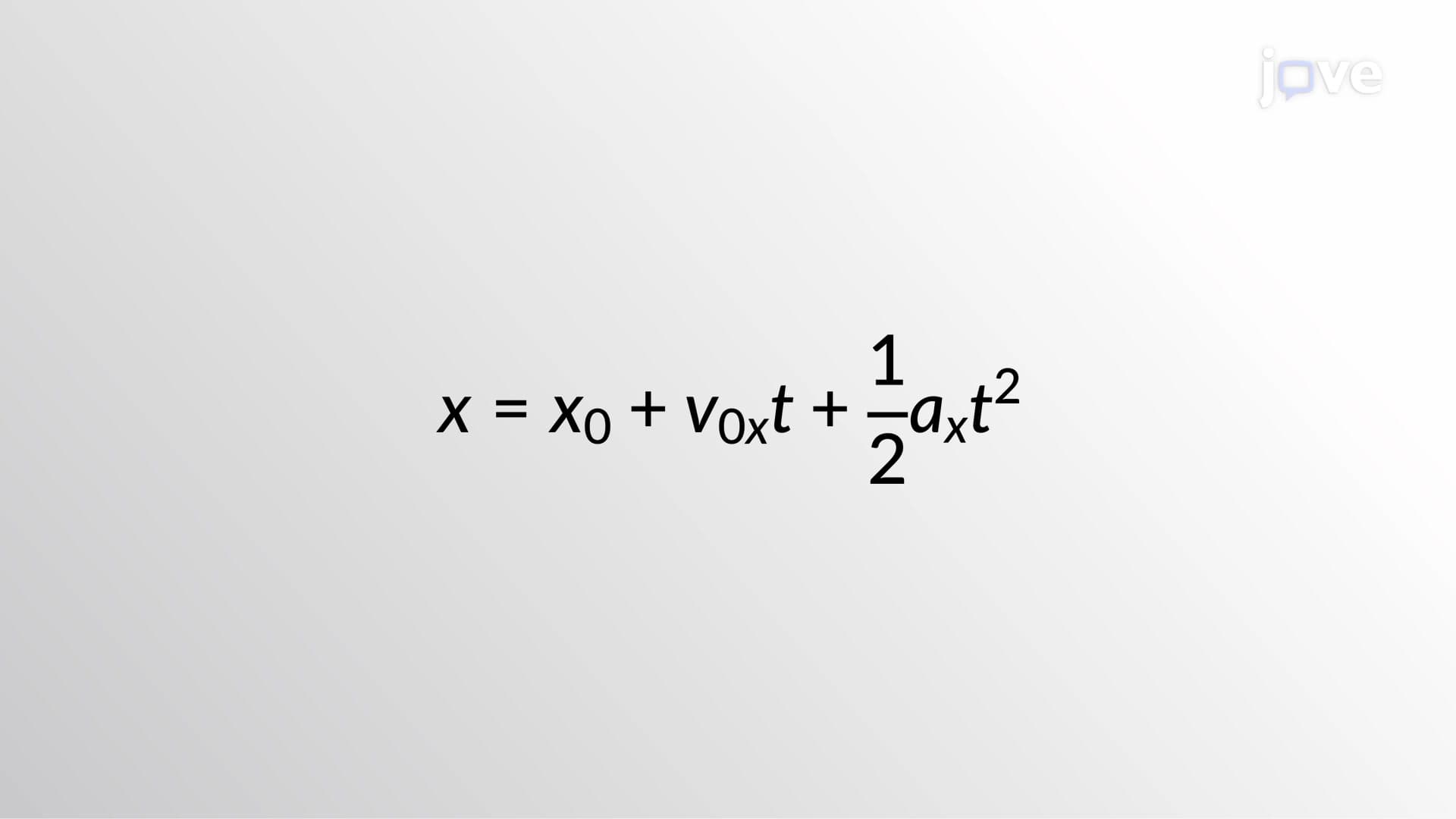
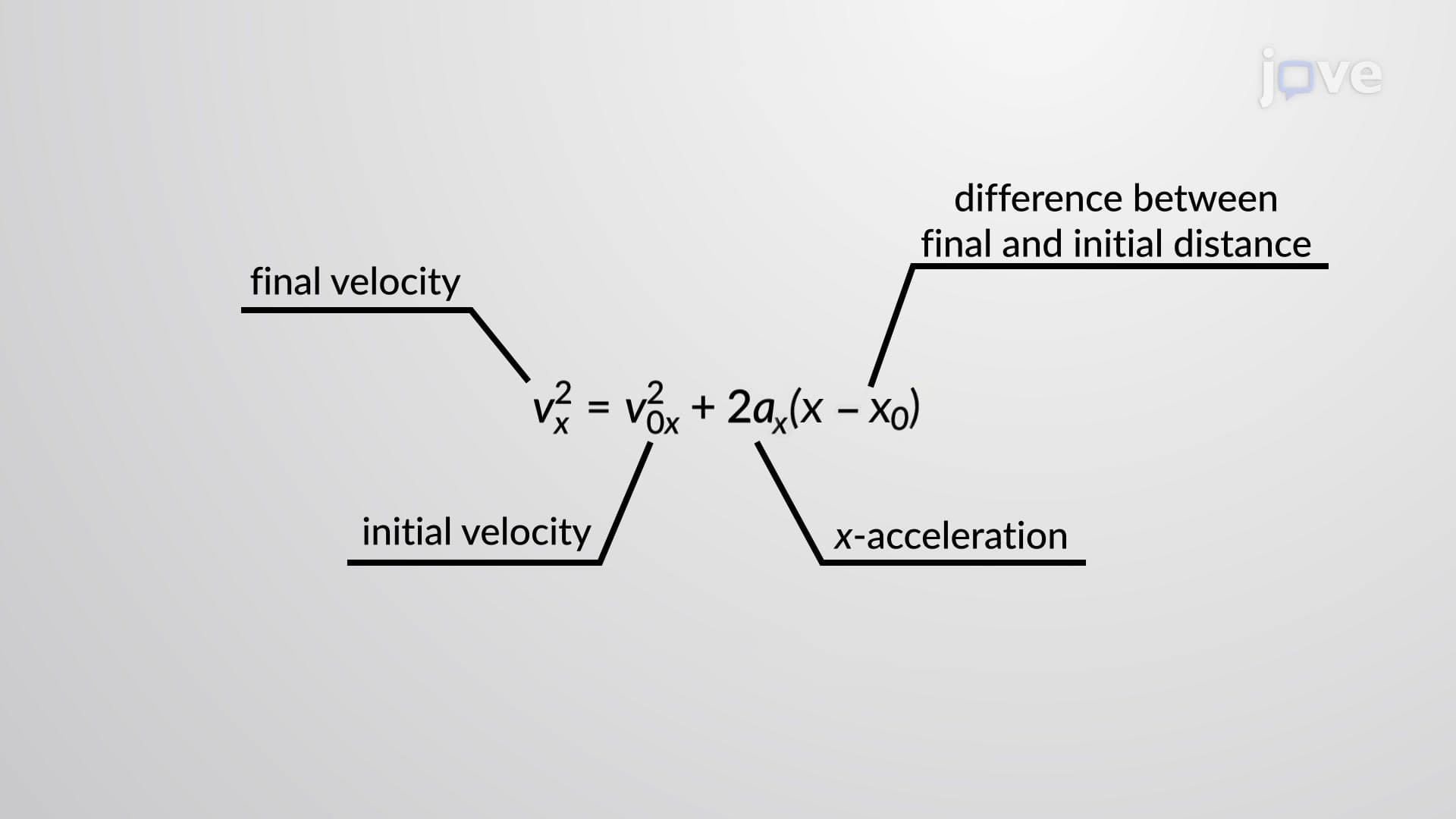
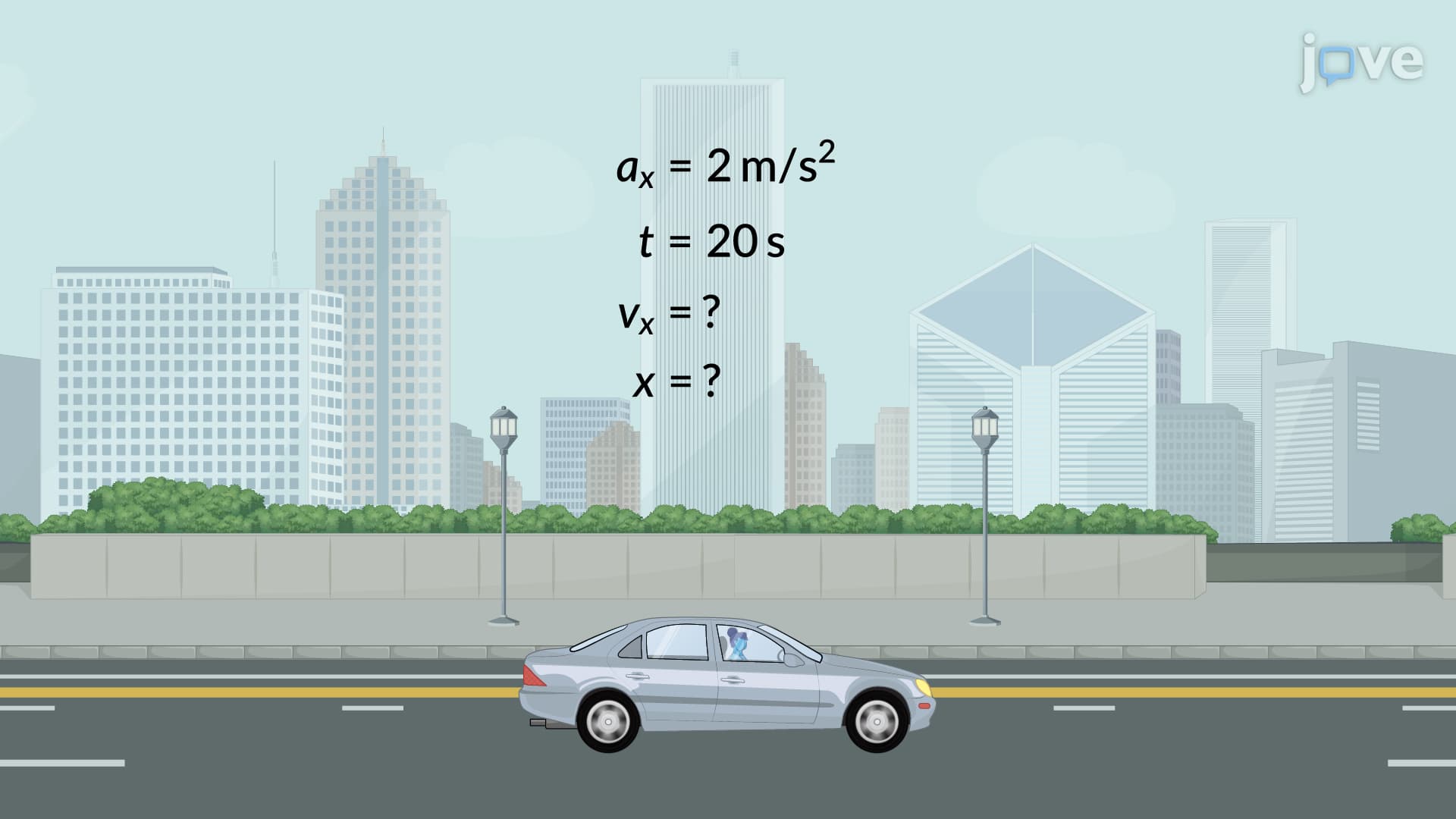


Instantaneous Velocity - II

00:00
01:10
Video Summary: What Is Instantaneous Velocity Ii
Ever wondered how a NASCAR driver's speedometer shows their exact speed at any given moment during a race? Instantaneous velocity II reveals the mathematical foundation behind this precision measurement. Unlike average velocity calculated over time intervals, instantaneous velocity captures motion at a single point in time using calculus derivatives and position-time graph analysis. Consider a Tesla accelerating from 0 to 60 mph-instantaneous velocity tracks the car's exact speed at each millisecond of acceleration. Watch the full video on JoVE Coach to master this concept with expert-led visuals and step-by-step explanations.
- Understand what is instantaneous velocity II and how it differs from average velocity through mathematical derivation
- Identify the geometric relationship between tangent line slopes and instantaneous velocity on position-time graphs
- Analyze how the limit process transforms average velocity calculations into precise instantaneous measurements
- Apply derivative calculus to position functions for calculating velocity at specific time points
- Recognize positive and negative velocity indicators through tangent line slope directions
- Evaluate real-world motion scenarios using instantaneous velocity principles and mathematical models
- Compare graphical and analytical methods for determining instantaneous velocity in physics problems
- Explore the connection between instantaneous velocity concepts and advanced kinematics applications
Understanding What is Instantaneous Velocity II
Instantaneous velocity II represents the advanced mathematical treatment of velocity measurement at a specific instant in time. While average velocity tells us how fast an object moved over a time interval, instantaneous velocity reveals the exact speed and direction at any single moment. This concept forms the cornerstone of differential calculus applications in physics and engineering.
The mathematical foundation relies on the limit process, where we examine what happens when time intervals approach zero. As we calculate average velocity over increasingly smaller time periods, the result converges to the instantaneous velocity. This process transforms discrete measurements into continuous motion analysis.
Graphical Analysis and Tangent Lines
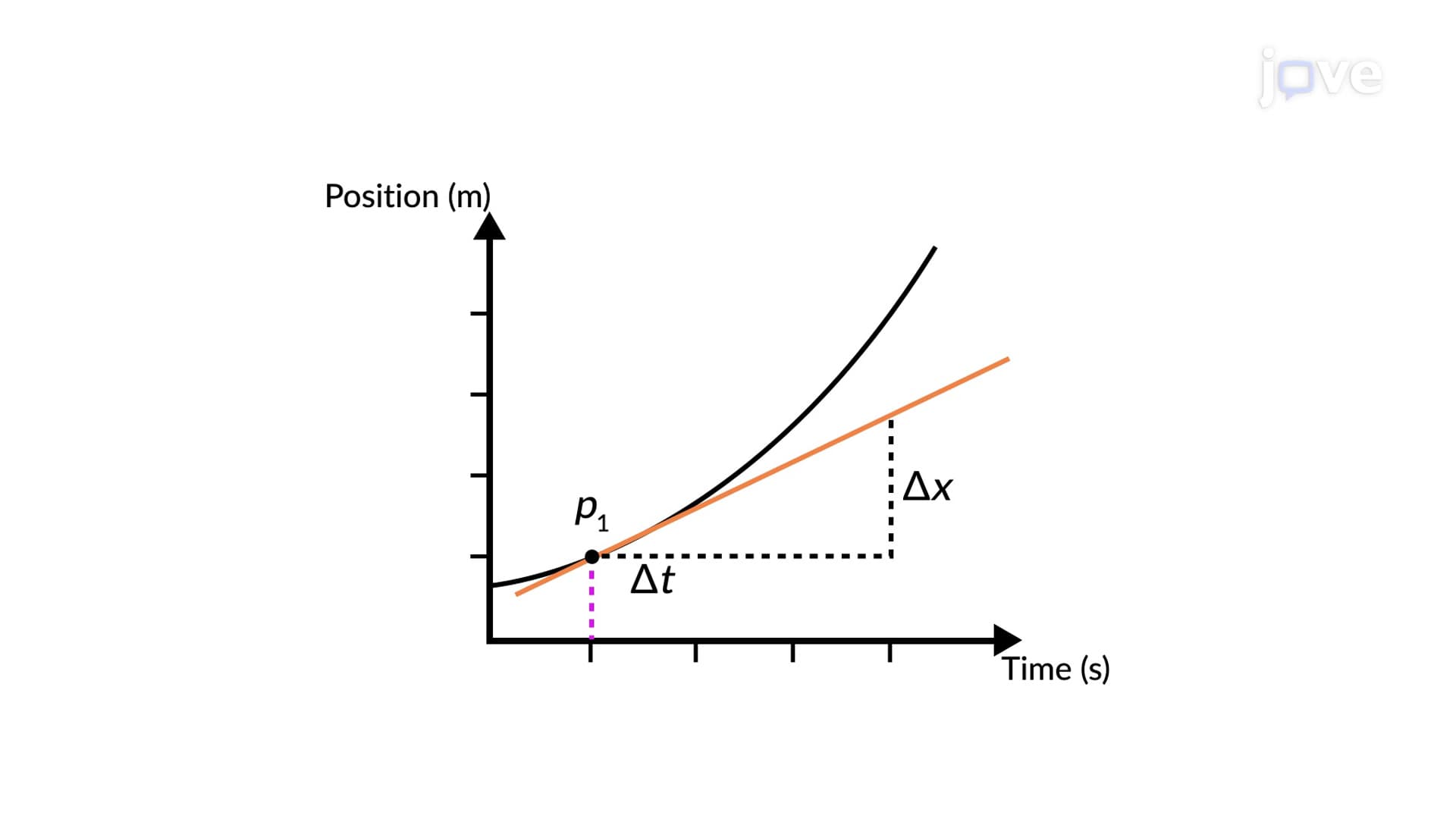
Position-time graphs provide powerful visual tools for understanding instantaneous velocity. The slope of a secant line connecting two points represents average velocity between those points. However, as these points move closer together, the secant line approaches the tangent line at a single point.
The tangent line's slope at any point on a position-time curve equals the instantaneous velocity at that moment. When the tangent slopes upward to the right, velocity is positive (forward motion). When it slopes downward, velocity is negative (backward motion). A horizontal tangent indicates zero velocity-the object momentarily stops.
Consider a roller coaster at Six Flags ascending a hill: the position-time graph shows a curved path, and the tangent line slope at the peak reveals zero instantaneous velocity before the thrilling descent begins.
Calculus Applications and Derivatives
The mathematical relationship between position and instantaneous velocity involves differentiation. If position is expressed as a function of time, x(t), then instantaneous velocity equals the first derivative: v(t) = dx/dt.
This derivative relationship enables precise velocity calculations for any motion described by a position function. For example, if a projectile's vertical position follows x(t) = -16t² + 64t + 100 (feet), then its instantaneous velocity is v(t) = -32t + 64 feet per second.
Practical Applications and Exam Relevance
Instantaneous velocity concepts appear frequently on AP Physics exams, SAT Subject Tests, and college calculus-based physics courses. Students encounter problems involving particle motion, projectile trajectories, and optimization scenarios requiring instantaneous velocity calculations.
Real-world applications span from automotive speedometer technology to GPS navigation systems calculating real-time velocity updates. NASA uses instantaneous velocity principles for spacecraft trajectory corrections, while biomedical engineers apply these concepts to analyze blood flow velocities in cardiovascular research.
Frequently Asked Questions
Instantaneous velocity II is the advanced mathematical treatment of velocity at a specific instant, using calculus and limit processes. Unlike average velocity calculated over time intervals, it provides precise speed and direction at any single moment. This concept involves derivatives, tangent lines, and limit calculations that go beyond basic velocity formulas.
AP Physics C exams frequently test instantaneous velocity through calculus-based problems involving position functions and derivatives. Students must calculate v(t) = dx/dt from given position equations, interpret velocity-time graphs, and solve optimization problems. College physics courses extend these concepts to multivariable calculus and vector analysis.
You need solid foundations in algebra, basic trigonometry, and introductory calculus concepts including limits and derivatives. While calculus knowledge helps significantly, many instantaneous velocity principles can be understood through graphical analysis and limit intuition. Don't let calculus intimidate you-the core concept builds naturally from average velocity.
MCAT physics sections test instantaneous velocity through kinematics problems, projectile motion, and fluid dynamics scenarios. Medical school applications include analyzing blood flow rates, cardiac output calculations, and pharmacokinetics where drug concentration changes require instantaneous rate analysis. These concepts foundation understanding of physiological processes involving continuous change.
Consider a SpaceX Falcon 9 rocket launch from Kennedy Space Center-mission control continuously monitors the rocket's instantaneous velocity using telemetry data. Unlike average velocity over the entire flight, instantaneous velocity reveals precise speed changes during engine burns, stage separations, and orbital insertion maneuvers, enabling real-time trajectory corrections for successful satellite deployment.
Practice graphical interpretation first-sketch tangent lines on position-time curves to visualize velocity changes. Then master derivative calculations with polynomial position functions before tackling complex scenarios. Create concept maps linking limits, derivatives, slopes, and physical motion. Work through progressively challenging problems from textbooks like Halliday-Resnick or university physics resources.
Progress to instantaneous acceleration (second derivatives), vector calculus for multi-dimensional motion, and differential equations for complex motion analysis. Advanced courses cover Lagrangian mechanics, electromagnetic field theory, and quantum mechanics where instantaneous rate concepts become fundamental tools for understanding physical phenomena and engineering applications.
College exams often present position functions like x(t) = 2t³ - 3t² + 5t + 1 requiring derivative calculations for velocity. Students must interpret graphs, solve optimization problems finding maximum/minimum velocities, and apply concepts to real scenarios like projectile motion or oscillatory systems. Expect both computational and conceptual questions testing deep understanding.
Engineering fields from aerospace to biomedical rely on instantaneous velocity analysis for system design and optimization. Control systems engineers use velocity feedback for precision machinery, while automotive engineers optimize fuel efficiency through instantaneous velocity monitoring. Research scientists apply these principles in fluid dynamics, materials science, and environmental modeling where continuous change analysis drives innovation.
Related Micro-courses
11 Concepts

16 Concepts

10 Concepts