Loading…
Loading video…

224,215 views
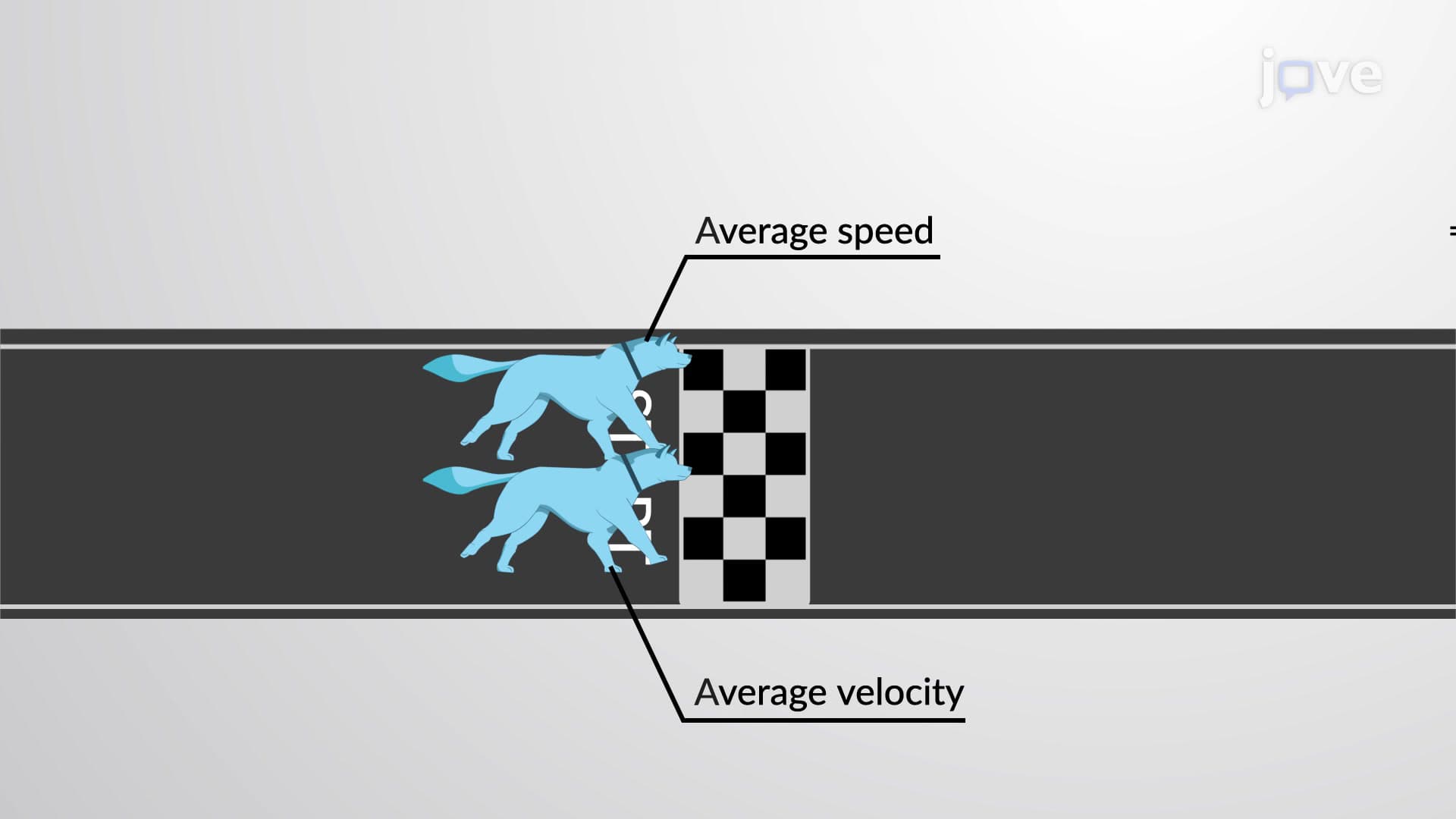
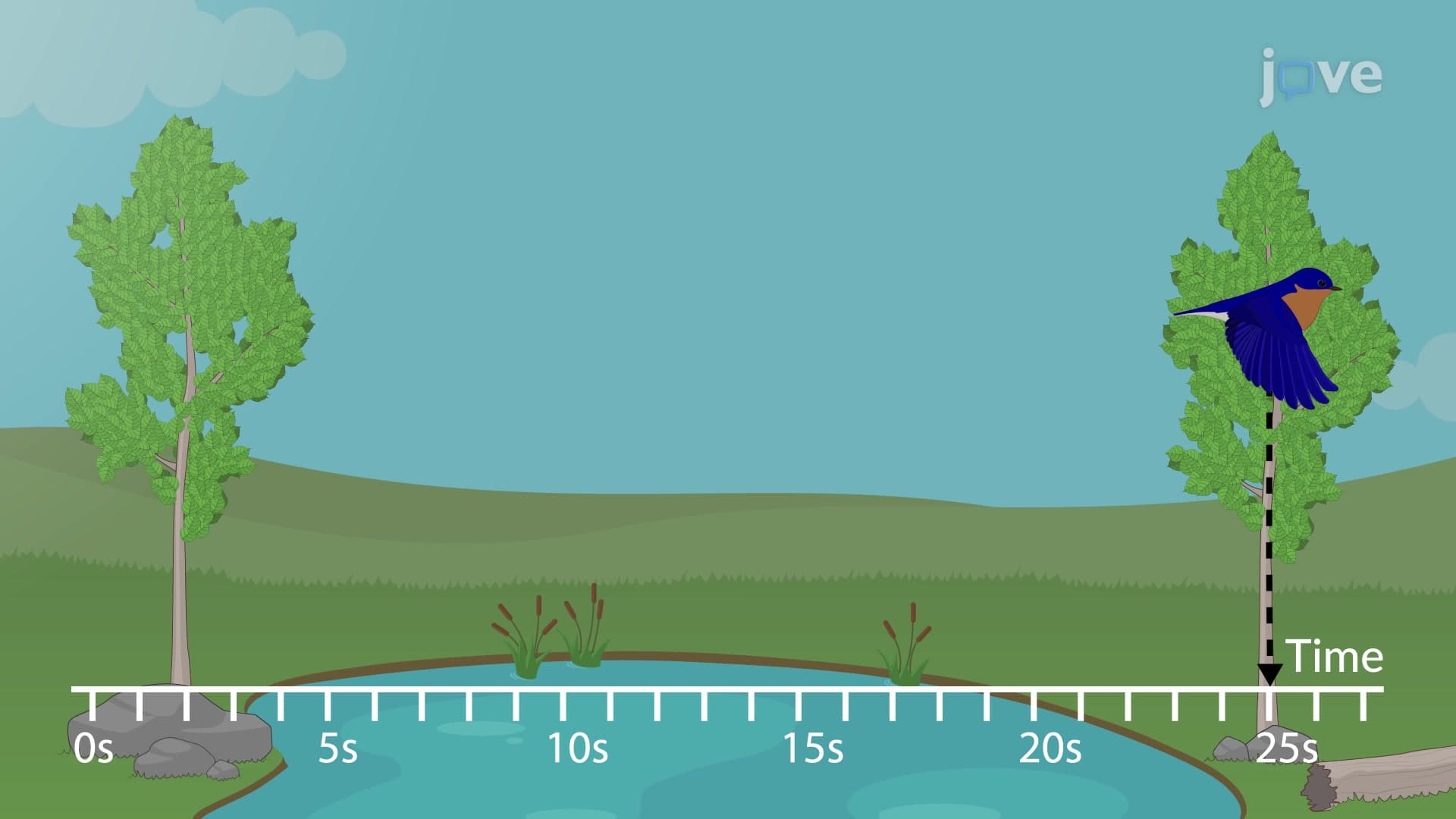
Ever wonder how GPS calculates your "arrival time" during a road trip from New York to Boston? Average velocity measures how fast an object moves between two points, considering both distance and direction. Unlike speed, which only tells you how fast you're going, average velocity reveals whether you're moving forward or backward relative to your starting position. A car traveling 300 miles north in 5 hours has an average velocity of 60 mph northward. Watch the full video on JoVE Coach to master this concept with expert-led visuals and step-by-step explanations.
Average velocity represents one of the most fundamental concepts in physics, serving as the bridge between basic motion description and advanced kinematics. Unlike the everyday concept of speed, average velocity incorporates both magnitude and direction, making it a vector quantity that provides crucial information about an object's overall motion pattern.
The mathematical definition centers on two key components: displacement and time interval. Average velocity equals the total displacement (change in position) divided by the total time elapsed. This seemingly simple formula, v(avg) = Δx/Δt, contains profound implications for understanding motion. The displacement term (Δx) represents the straight-line distance between starting and ending positions, not the total path traveled.
The vector nature of average velocity creates important distinctions from scalar speed measurements. Consider a student walking from their dorm room to the campus library, then returning to the starting point. While their average speed reflects the total distance traveled divided by time, their average velocity equals zero because their displacement is zero—they ended where they began.
This directional component proves essential in AP Physics courses and college-level mechanics. Students preparing for standardized tests like the SAT Subject Test in Physics must master the sign conventions: positive values typically indicate motion in the chosen positive direction (often rightward or upward), while negative values represent motion in the opposite direction.
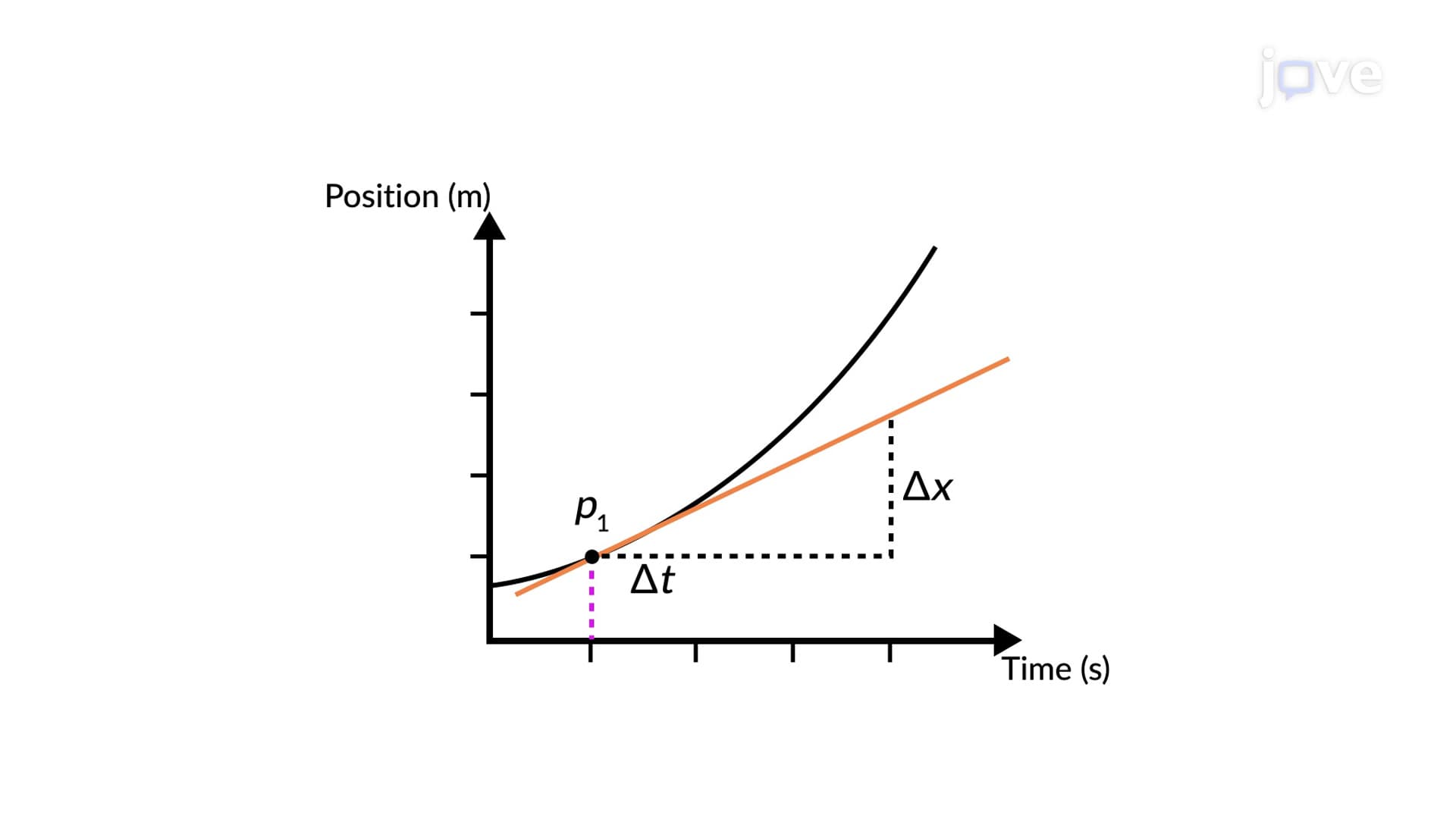
Position-time graphs provide powerful visual tools for understanding average velocity concepts. The slope of a line connecting any two points on a position-time graph directly equals the average velocity during that time interval. This graphical approach helps students visualize motion patterns and prepares them for more complex velocity-time and acceleration-time graph analysis in advanced courses.
For MCAT preparation, understanding these graphical relationships proves crucial, as the exam frequently tests physics concepts through visual interpretation. Students learn to identify periods of constant velocity (straight lines), acceleration (curved lines), and direction changes (slope sign changes).
Average velocity calculations appear throughout engineering and scientific applications. NASA mission planners use these principles when calculating spacecraft trajectories between Earth and Mars. Traffic engineers apply average velocity concepts when designing highway systems and optimizing traffic flow patterns in cities like Los Angeles and Chicago.
In academic settings, average velocity problems commonly appear on college physics midterms and AP Physics 1 examinations. Successful problem-solving requires careful attention to coordinate systems, time intervals, and displacement calculations rather than distance measurements.
Frequently Asked Questions
Average velocity measures displacement over time and includes direction, making it a vector quantity that can be positive, negative, or zero. Speed only measures how fast something moves regardless of direction. A runner completing a lap returns to the starting position with zero average velocity but non-zero average speed.
Use the formula: average velocity = (final position - initial position) ÷ (final time - initial time). Always establish your coordinate system first and pay attention to signs. Practice with position-time graphs since AP Physics 1 frequently tests graphical interpretation of motion concepts.
Absolutely—average velocity forms the foundation for kinematics problems that appear regularly on the MCAT. Master this concept to build toward more complex topics like projectile motion and rotational dynamics. The MCAT often combines velocity concepts with biological systems like blood flow or nerve impulse transmission.
Average velocity equals zero whenever an object returns to its starting position, regardless of the path taken. Examples include a pendulum completing one full swing, a satellite completing one orbit, or a delivery truck returning to its depot after making rounds.
Think of displacement as "where you end up relative to where you started" and distance as "how much ground you covered." Displacement cares only about start and finish positions, while distance tracks every step of the journey.
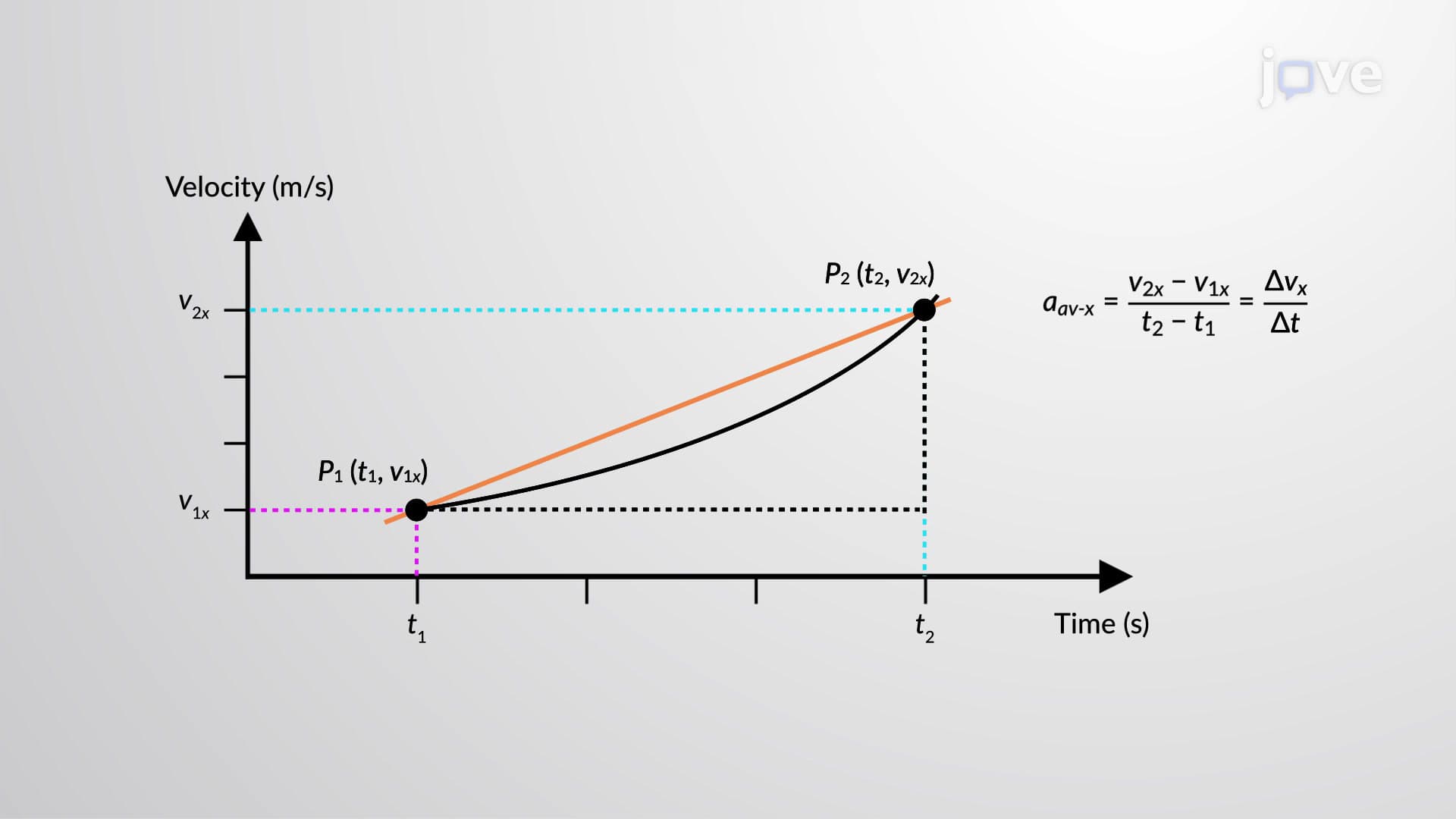
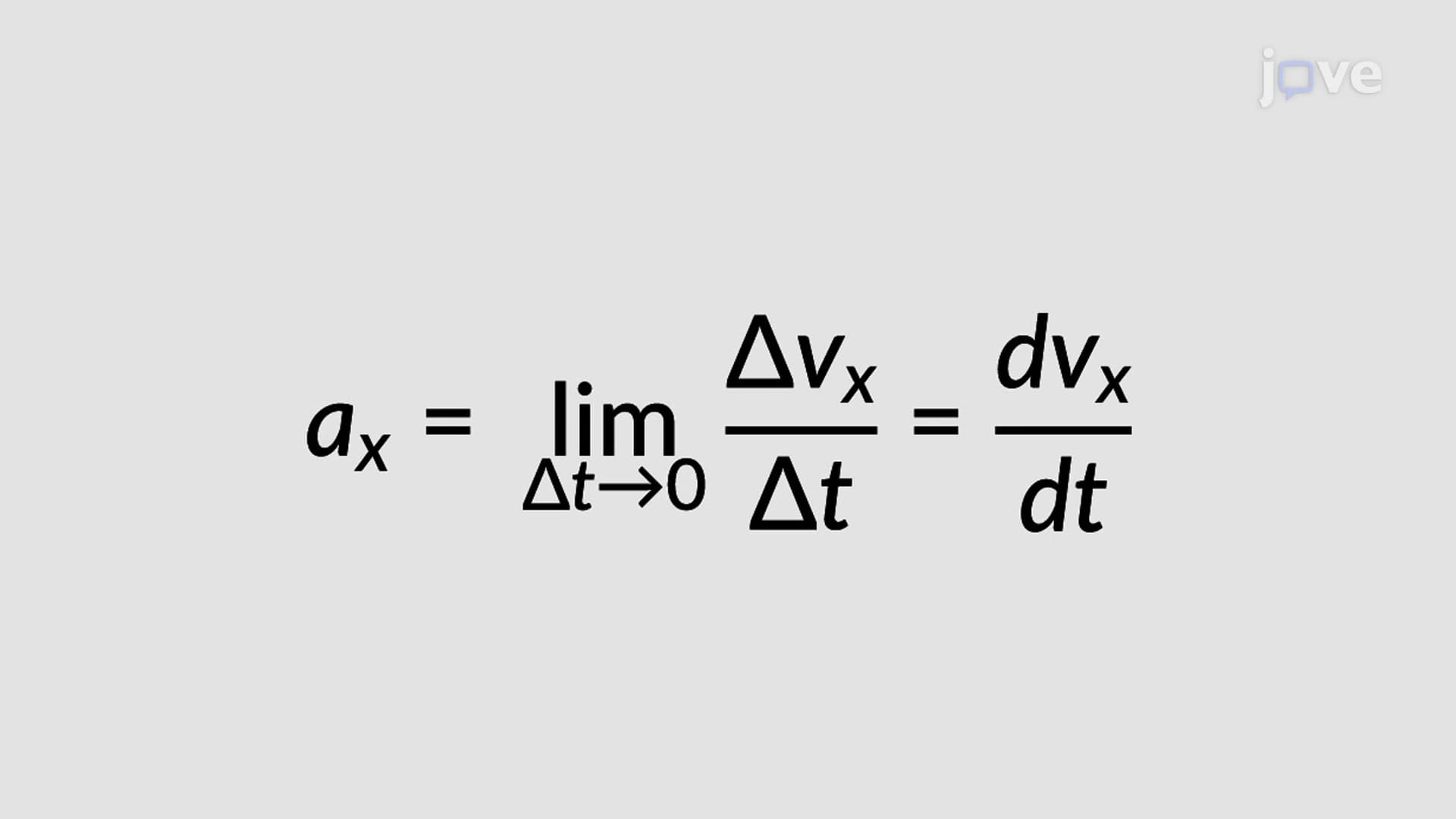
Average velocity serves as the stepping stone to instantaneous velocity (using calculus limits), acceleration calculations, and vector motion in multiple dimensions. Understanding this concept thoroughly prepares you for AP Physics C and college-level mechanics courses.
Yes—most introductory average velocity problems require only basic algebra and careful attention to signs and units. Focus on setting up problems systematically: identify given information, establish coordinate systems, and apply the basic formula methodically.
Engineers use average velocity calculations for designing transportation systems, optimizing manufacturing processes, and analyzing fluid flow in pipelines. NASA relies on these principles for spacecraft navigation, while biomedical engineers apply velocity concepts to model blood circulation and drug delivery systems.
Related Micro-courses


Related Subjects
 Math Fundamentals 11 micro-courses›
 Statistics 17 micro-courses›