Loading subject page…

- Statistics
- Analysis of Variance
- One-Way ANOVA
Micro-course: Analysis of Variance
38,403 views
Learn key concepts and earn your certificate.


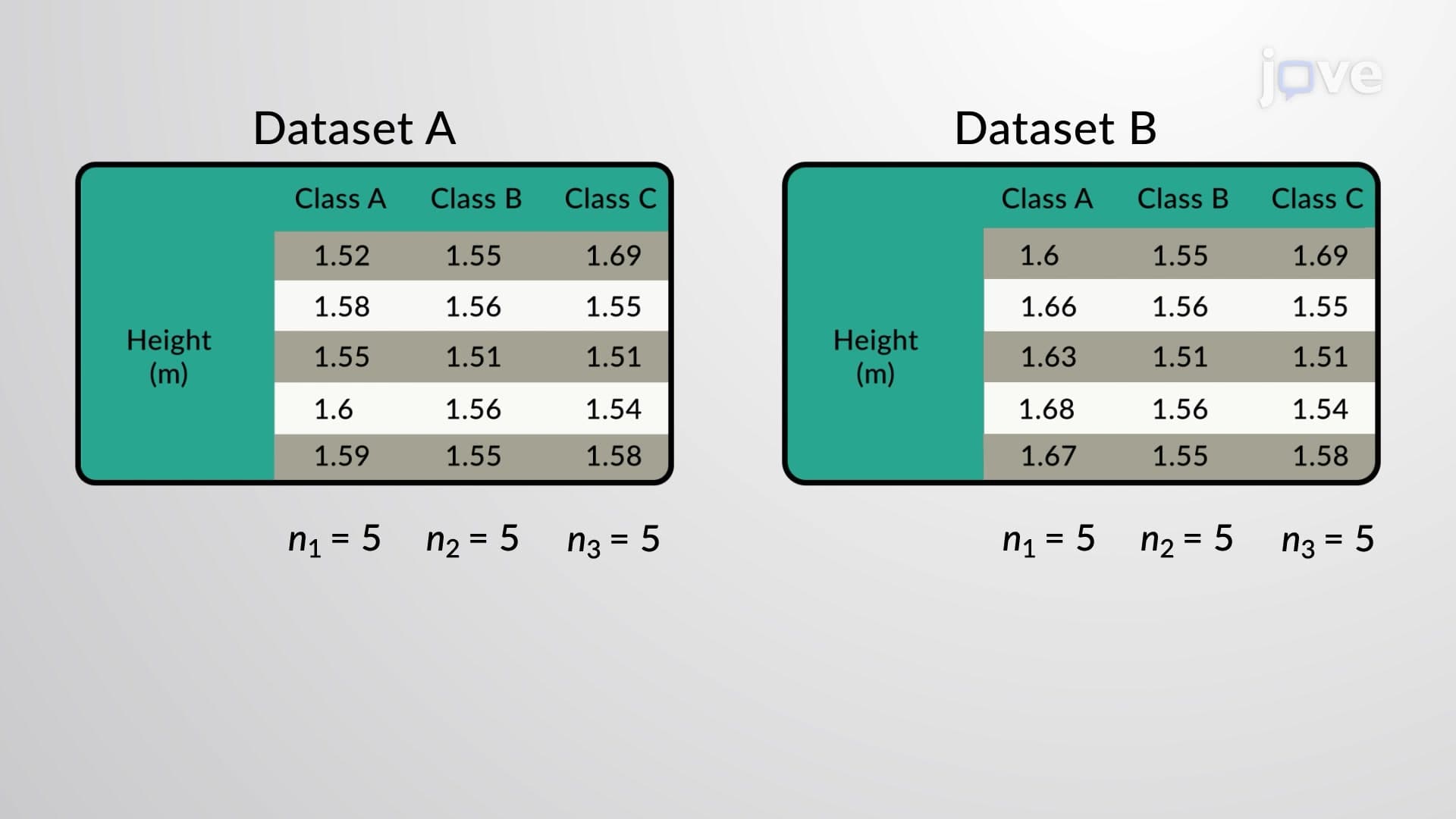
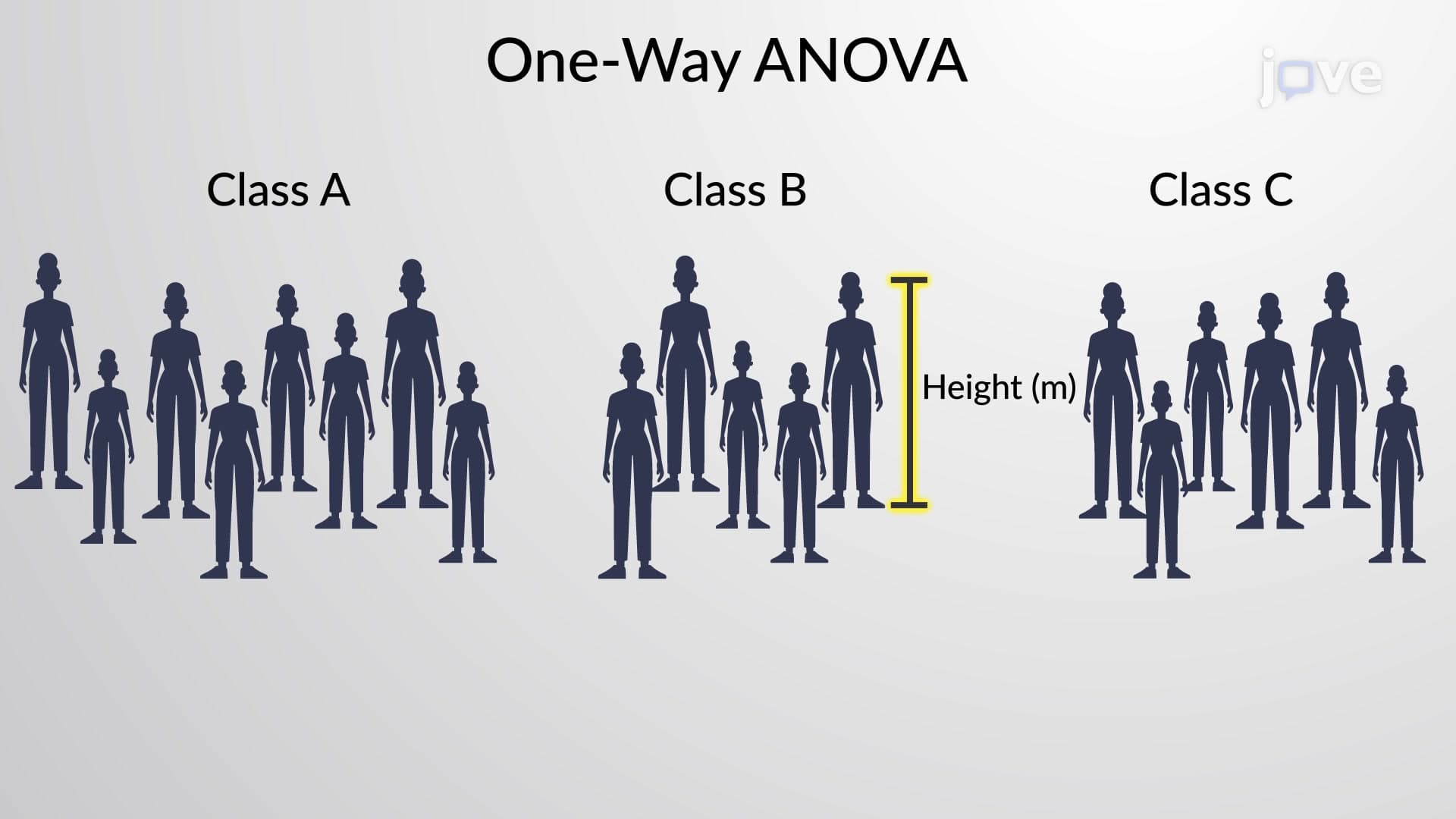
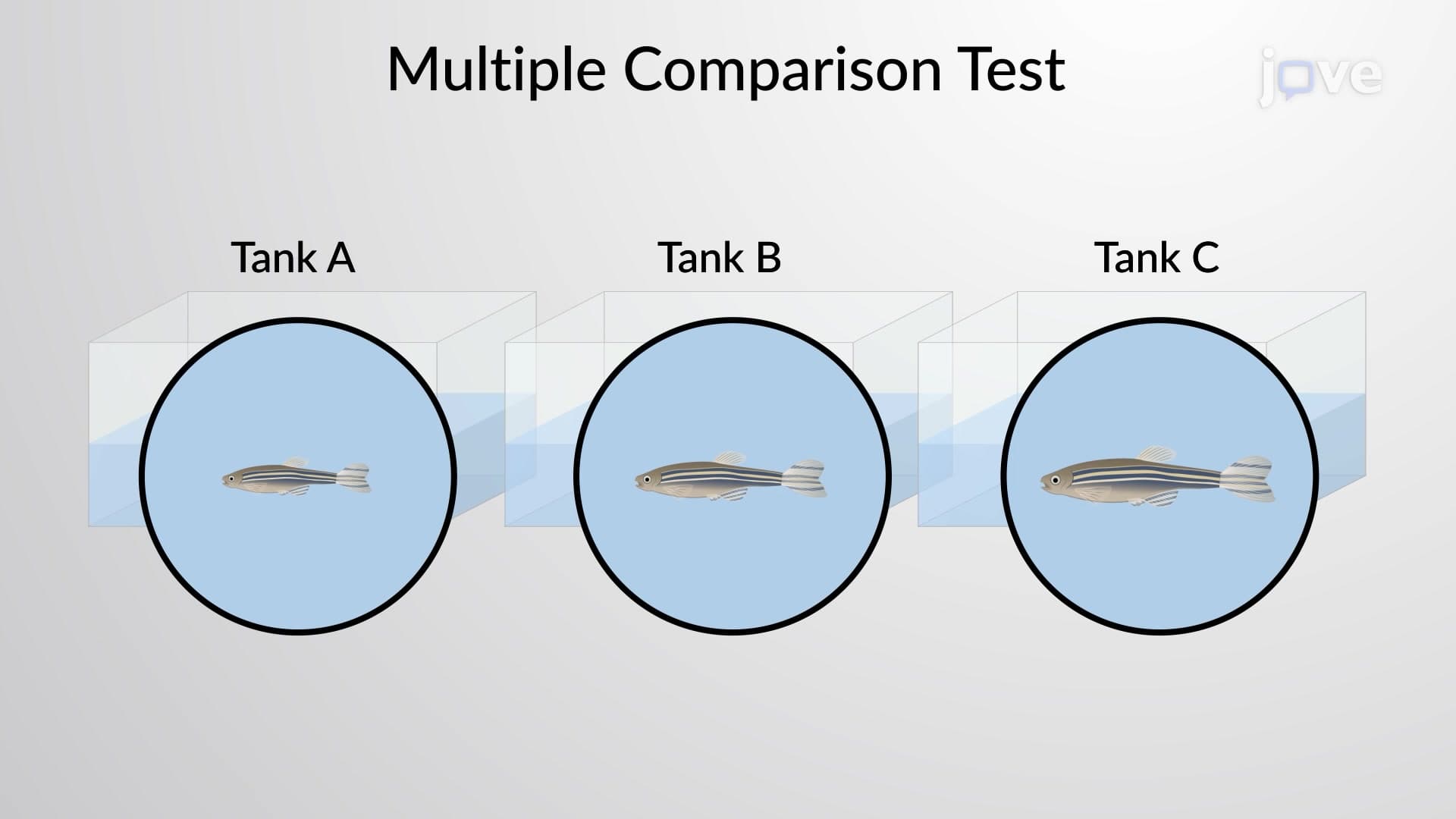

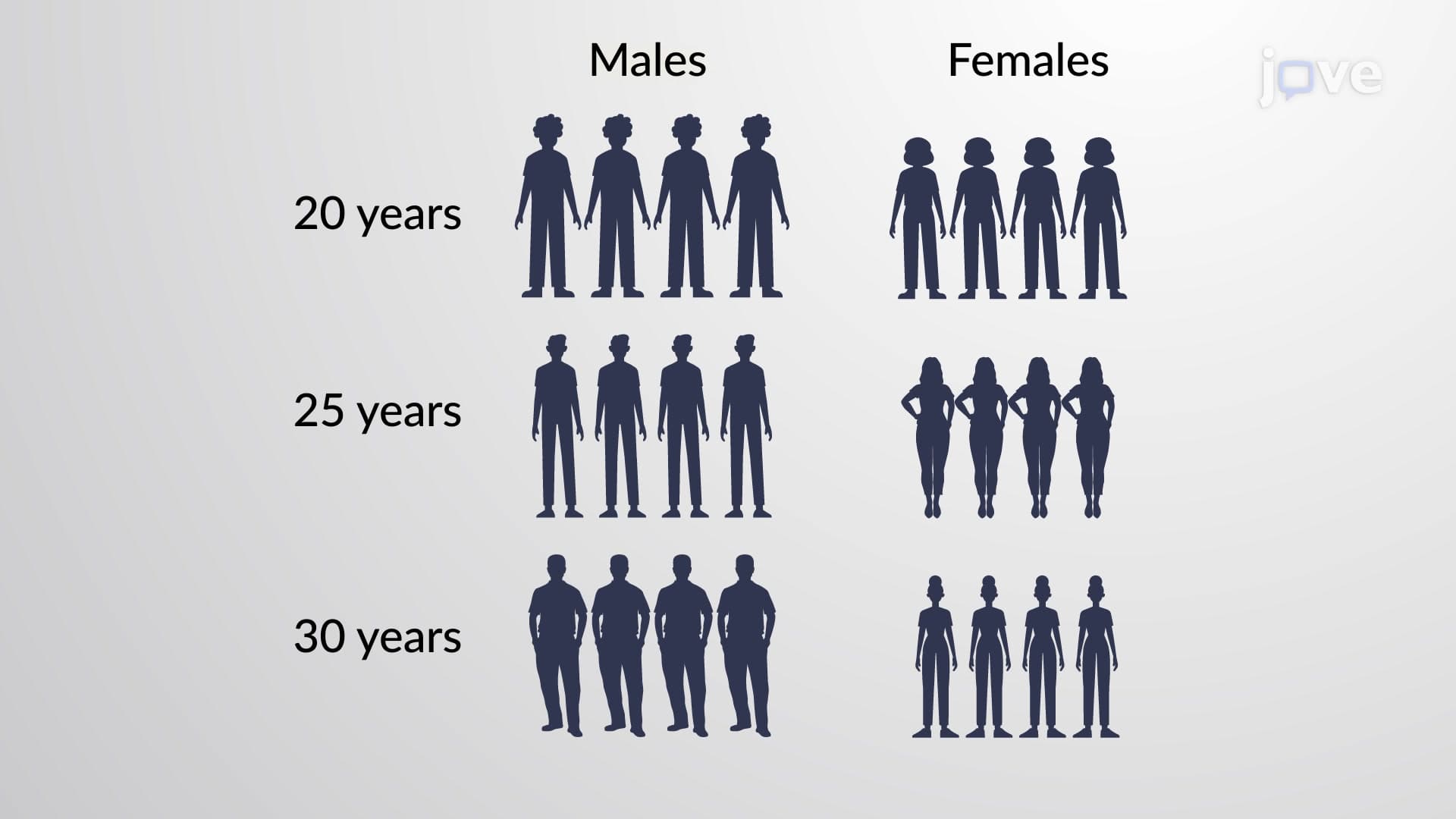
One-Way ANOVA

00:00
01:18
Video Summary: What Is One Way Anova
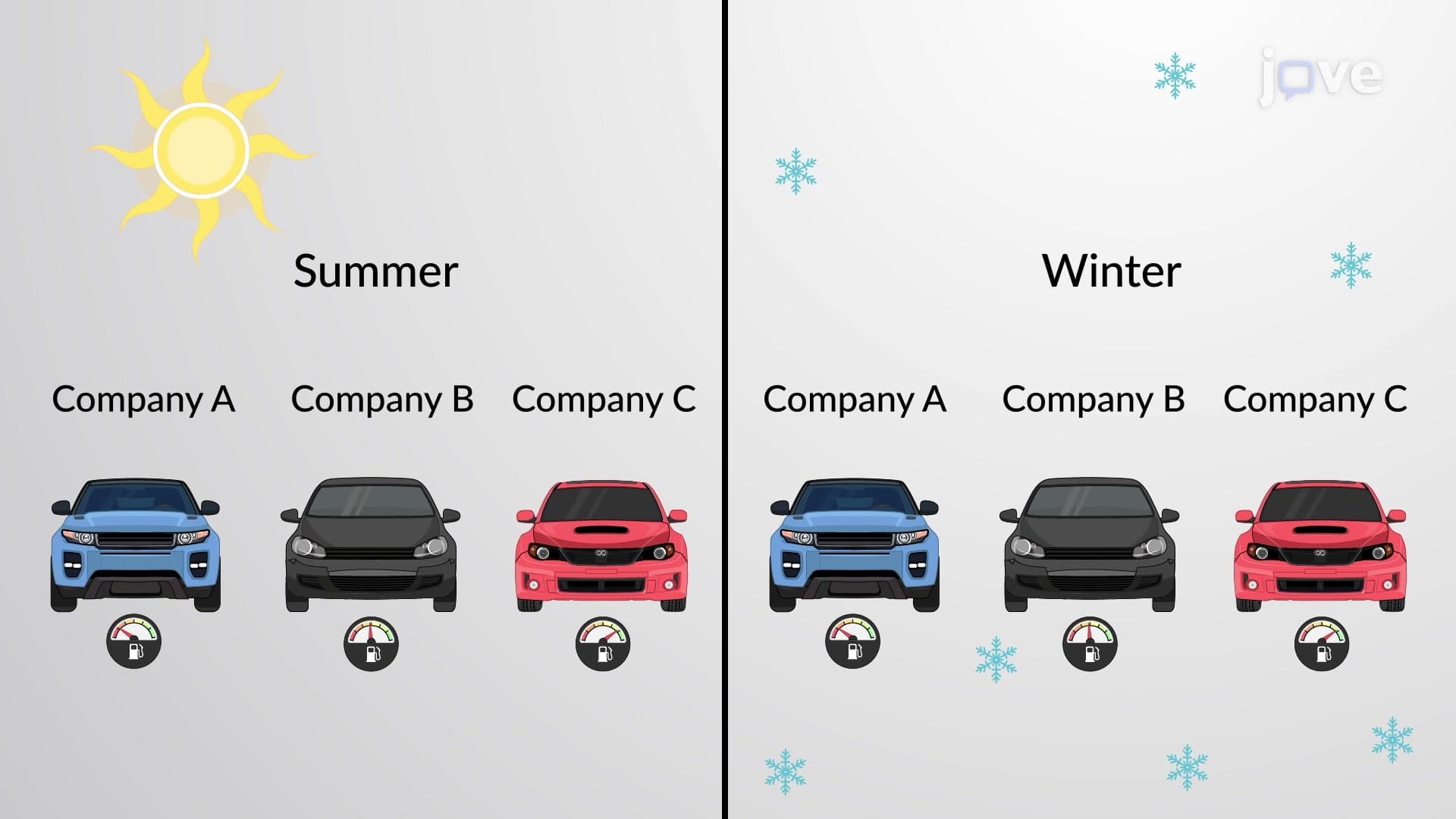
Did you know that pharmaceutical companies use one way ANOVA to determine if three different diabetes medications have significantly different effects on blood sugar levels? One way ANOVA is a statistical test that compares the means of three or more groups defined by a single factor. For instance, comparing the average test scores of students from three different high schools in California reveals whether the schools perform differently. This fundamental statistical concept helps researchers determine if observed differences between groups are meaningful or just due to random chance. Watch the full video on JoVE Coach to master this concept with expert-led visuals and step-by-step explanations.
- Understand what is one way ANOVA and its purpose in comparing multiple group means simultaneously
- Identify when to use one-way ANOVA versus other statistical tests in research scenarios
- Analyze the relationship between F-statistics, p-values, and hypothesis testing decisions
- Compare within-group variance and between-group variance to interpret ANOVA results
- Evaluate null and alternative hypotheses in the context of one-way ANOVA testing
- Apply one-way ANOVA concepts to real-world problems in healthcare, education, and business
- Recognize the limitations of one-way ANOVA when dealing with multiple factors
- Explore how F-statistic calculations determine statistical significance in group comparisons
Understanding One Way ANOVA Fundamentals
One way ANOVA (Analysis of Variance) serves as a cornerstone statistical method for comparing means across three or more independent groups. Unlike t-tests that compare only two groups, one way ANOVA allows researchers to simultaneously examine multiple groups while controlling for Type I error rates. This one way anova definition encompasses its role as a hypothesis testing procedure that determines whether observed differences between group means are statistically significant.
The Statistical Foundation and F-Statistic
When exploring what is one way anova in detail, the F-statistic becomes central to understanding the test's mechanics. The F-statistic represents the ratio of between-group variance to within-group variance. When groups have truly different means, between-group variance increases while within-group variance remains relatively stable, producing larger F-values. Conversely, when group means are similar, the F-statistic approaches 1, suggesting no significant differences exist.
The mathematical relationship can be expressed as: F = (Between-group variance) / (Within-group variance). Higher F-values correspond to smaller p-values, increasing the likelihood of rejecting the null hypothesis that all group means are equal.
Real-World Applications in US Contexts
This one way anova overview reveals its widespread application across American industries and academic research. Medical researchers at Johns Hopkins might use one-way ANOVA to compare the effectiveness of three different physical therapy treatments for knee rehabilitation. Educational researchers could analyze whether students from public, private, or charter schools in Texas perform differently on standardized assessments.
In business contexts, marketing teams at companies like Amazon might employ one-way ANOVA to determine if three different website designs produce significantly different conversion rates. Agricultural researchers in Iowa commonly use this statistical method to compare crop yields across different fertilizer treatments.
Exam Preparation and Academic Applications
For students preparing for AP Statistics, college statistics courses, or graduate school entrance exams like the MCAT, mastering one way anova basics proves essential. This concept frequently appears on Advanced Placement Statistics exams, where students must interpret ANOVA tables and draw conclusions about hypothesis tests.
Understanding one way anova becomes particularly important for pre-med students, as medical research heavily relies on comparing treatment groups. The concept also appears in psychology courses when comparing therapy effectiveness across different intervention groups, making it valuable for students pursuing healthcare careers.
This one way anova study guide approach emphasizes practical application alongside theoretical understanding, preparing students for both academic success and real-world statistical analysis challenges.
Frequently Asked Questions
One way ANOVA is a statistical test that compares means across three or more independent groups defined by a single factor. Use it when you need to determine if groups have significantly different averages, such as comparing test scores across different teaching methods. It's more appropriate than multiple t-tests because it controls for inflated error rates when making multiple comparisons.
AP Statistics exams typically include ANOVA problems requiring students to interpret F-statistics, p-values, and ANOVA tables. College statistics courses often test this concept through hypothesis testing scenarios and real-world applications. Students must demonstrate understanding of assumptions, interpret results, and draw appropriate conclusions about group differences.
T-tests compare exactly two groups, while one-way ANOVA handles three or more groups simultaneously. For MCAT preparation, understanding this distinction helps in experimental design questions. Using multiple t-tests instead of ANOVA increases Type I error probability, making ANOVA the statistically sound choice for multiple group comparisons.
The CDC might use one-way ANOVA to compare vaccination effectiveness across three age groups: children, adults, and seniors. By analyzing antibody levels in each group, researchers determine if age significantly affects immune response. This analysis helps inform vaccination guidelines and public health policies across different demographic groups.
You only need basic algebra and introductory statistics knowledge to grasp one-way ANOVA fundamentals. While the calculations involve variance formulas, most students focus on interpreting results rather than manual computation. Understanding concepts like means, variance, and hypothesis testing provides sufficient foundation for learning ANOVA applications.
Practice interpreting ANOVA output tables and identifying when to use one-way ANOVA versus other tests. Focus on understanding the relationship between F-statistics and p-values rather than memorizing formulas. Work through real-world scenarios and practice stating null/alternative hypotheses clearly for different research questions.
One-way ANOVA serves as the foundation for more complex analyses like two-way ANOVA, repeated measures ANOVA, and multivariate statistics. Mastering this concept prepares students for advanced research methods courses and statistical software applications. It also builds critical thinking skills for experimental design and data interpretation in graduate-level coursework.
One-way ANOVA requires independence of observations, normal distribution within groups, and equal variances across groups (homoscedasticity). Violations of these assumptions can lead to incorrect conclusions about group differences. Understanding these limitations helps researchers choose appropriate statistical tests and interpret results accurately in real-world applications.
Related Micro-courses
10 Concepts

10 Concepts

22 Concepts