Loading concepts…


15 Concepts
15 Concepts
13 Concepts
11 Concepts
9 Concepts
14 Concepts
11 Concepts
15 Concepts
13 Concepts
7 Concepts
10 Concepts
10 Concepts
22 Concepts
19 Concepts
16 Concepts
16 Concepts
7 Concepts
 7 Concepts
 38.4K Views
 Popular topics

Analysis of variance (ANOVA) is a fundamental statistical method used to compare means across three or more groups simultaneously. This comprehensive course covers essential ANOVA concepts through JoVE Coach, including one-way and two-way tests, assumptions, F statistics, and post-hoc analyses like the Bonferroni test for applications in research and data analysis.
1. ANOVA Fundamentals and Assumptions Analysis of variance serves as a powerful statistical tool for comparing means when dealing with three or more groups, such as comparing SAT scores across different high schools or analyzing treatment effectiveness across multiple medical interventions. The test relies on three critical assumptions: samples must come from normally distributed populations, observations must be independent and randomly selected, and groups must have equal variances (homoscedasticity). Understanding these assumptions ensures valid results and proper interpretation of findings in educational research, clinical trials, and business analytics.
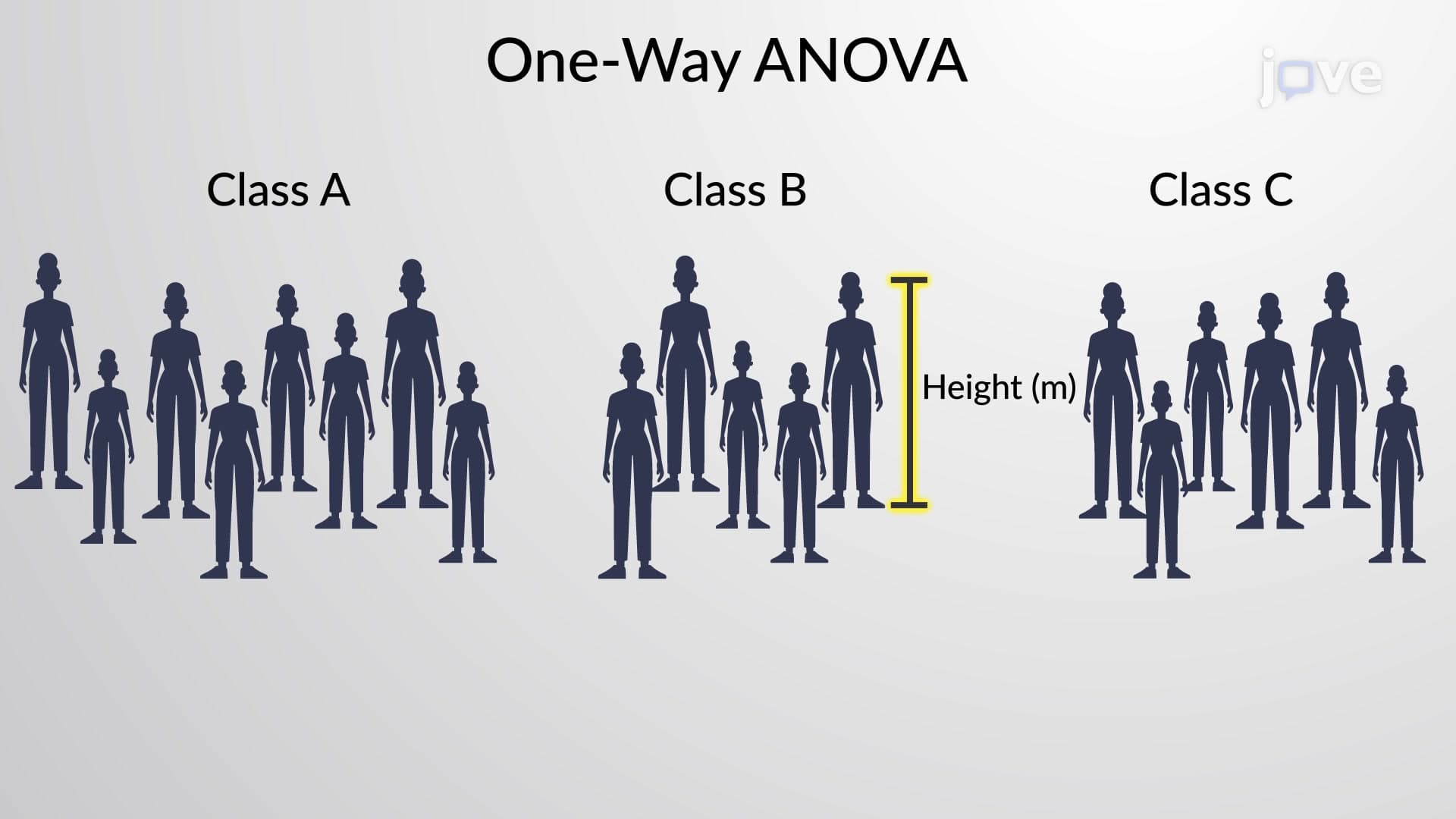
2. One-Way ANOVA Statistical Test One-way analysis of variance examines differences between group means when samples are categorized by a single factor, like comparing average GPA across different college majors or analyzing reaction times across various age groups. The test calculates an F statistic by comparing between-group variance to within-group variance. When F values are significantly different from 1, it indicates substantial differences between group means, leading to rejection of the null hypothesis that all means are equal. This method is essential for educational assessment and psychological research.
3. F Statistic Calculation and Interpretation The F statistic represents the ratio of variance between groups to variance within groups, serving as the cornerstone of ANOVA analysis. Values close to 1 suggest group means are similar, while values far from 1 indicate significant differences. For example, when comparing standardized test scores across different teaching methods, a high F value would suggest that teaching approach significantly affects student performance. Understanding F statistic interpretation helps researchers and analysts make informed decisions about group differences in academic, medical, and business contexts.
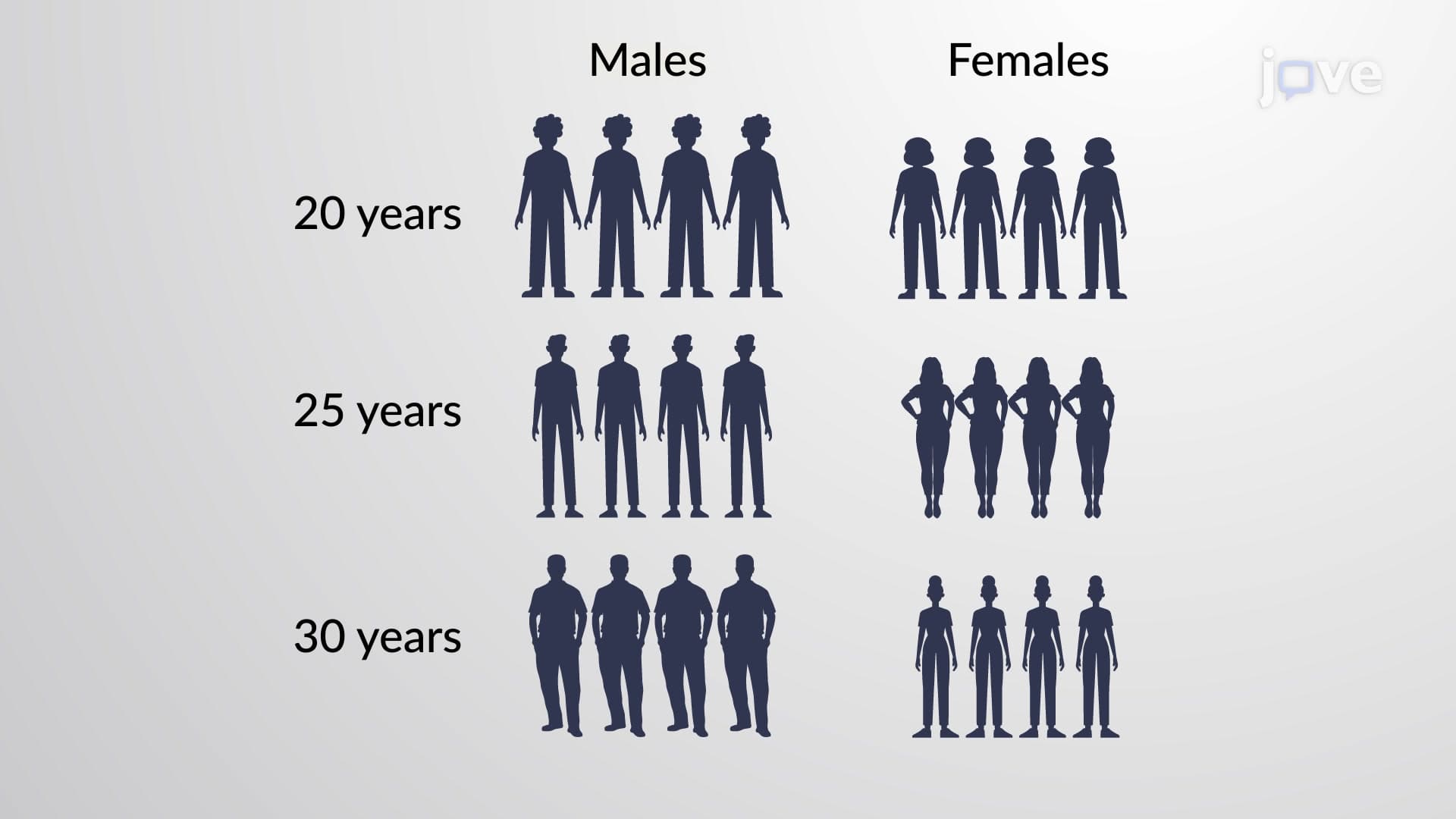
4. Two-Way Analysis of Variance Two-way ANOVA examines the effects of two independent factors simultaneously, such as analyzing how both gender and grade level affect math achievement scores, or studying how both medication type and dosage affect patient recovery rates. This advanced technique can detect interaction effects, where the combination of factors produces effects different from their individual contributions. Two-way ANOVA is crucial for complex research designs in psychology, education, and medical studies where multiple variables influence outcomes.
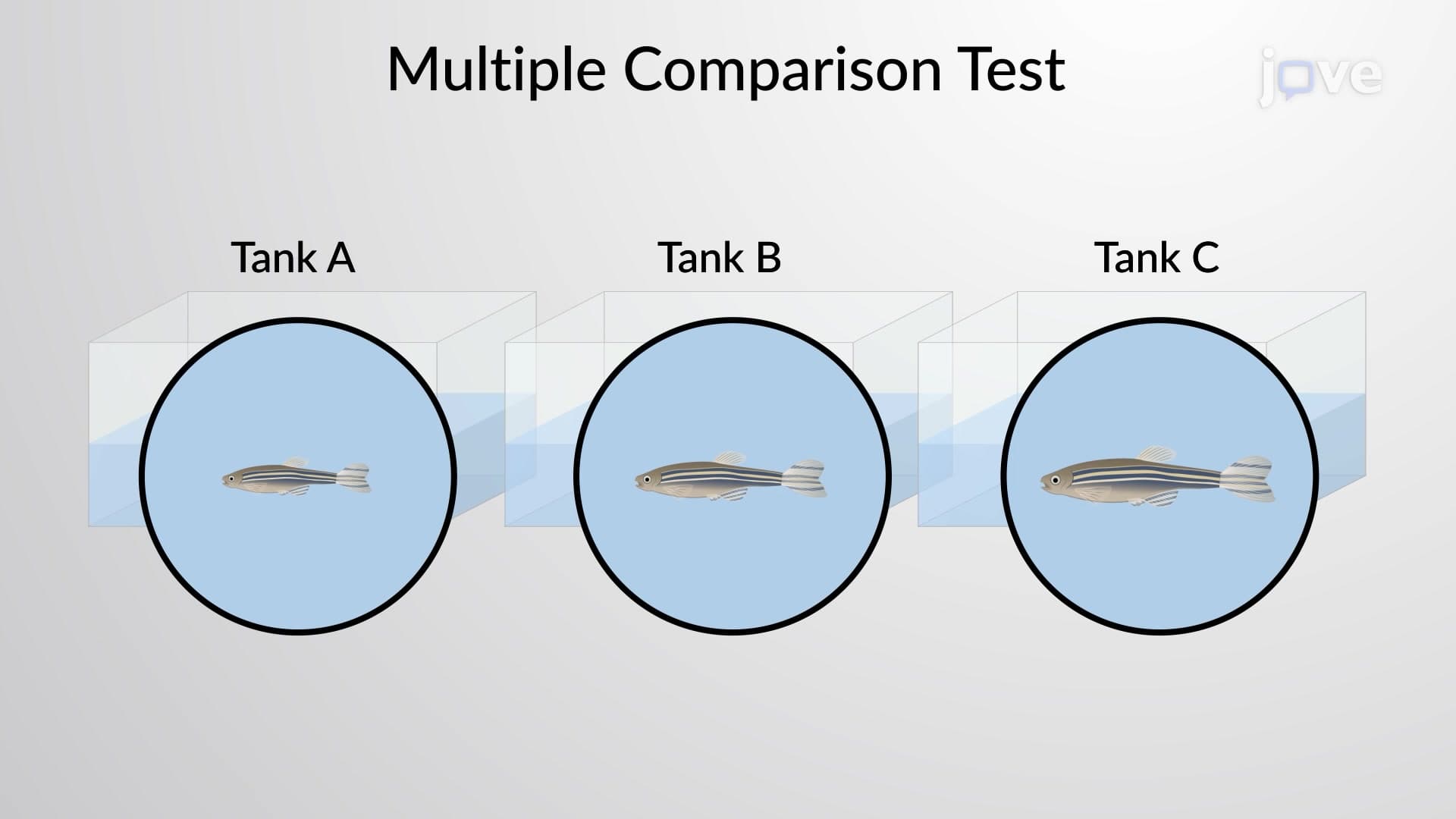
5. Multiple Comparison and Post-Hoc Tests When ANOVA reveals significant differences, multiple comparison tests identify which specific groups differ from others. The Bonferroni test adjusts significance levels to control Type I error when making multiple comparisons, such as determining which of five different study methods produces significantly different exam scores. These post-hoc analyses prevent inflated error rates that occur with numerous pairwise comparisons, ensuring reliable conclusions in educational research, clinical trials, and quality control studies across various American industries and institutions.