Loading concepts…


15 Concepts
15 Concepts
13 Concepts
11 Concepts
9 Concepts
14 Concepts
11 Concepts
15 Concepts
13 Concepts
7 Concepts
10 Concepts
10 Concepts
22 Concepts
19 Concepts
16 Concepts
16 Concepts
7 Concepts
 11 Concepts
 85.6K Views
 Popular topics


Statistics estimates form the foundation of inferential statistics, enabling researchers to make predictions about entire populations using sample data. From polling US presidential elections to determining FDA drug efficacy rates, confidence interval estimation and point estimation techniques help scientists and policymakers make data-driven decisions. This JoVE Coach micro-course explores the mathematical principles and real-world applications of statistical estimation methods used across American universities and standardized testing.
1. Point Estimates and Sample Statistics: Point estimates provide single-value approximations of population parameters using sample data. When the US Census Bureau surveys American households to estimate median income, the calculated sample mean serves as a point estimate for the entire population. The reliability of point estimates depends on sample representativeness and size, with larger, randomly selected samples generally producing more accurate estimates of true population values.
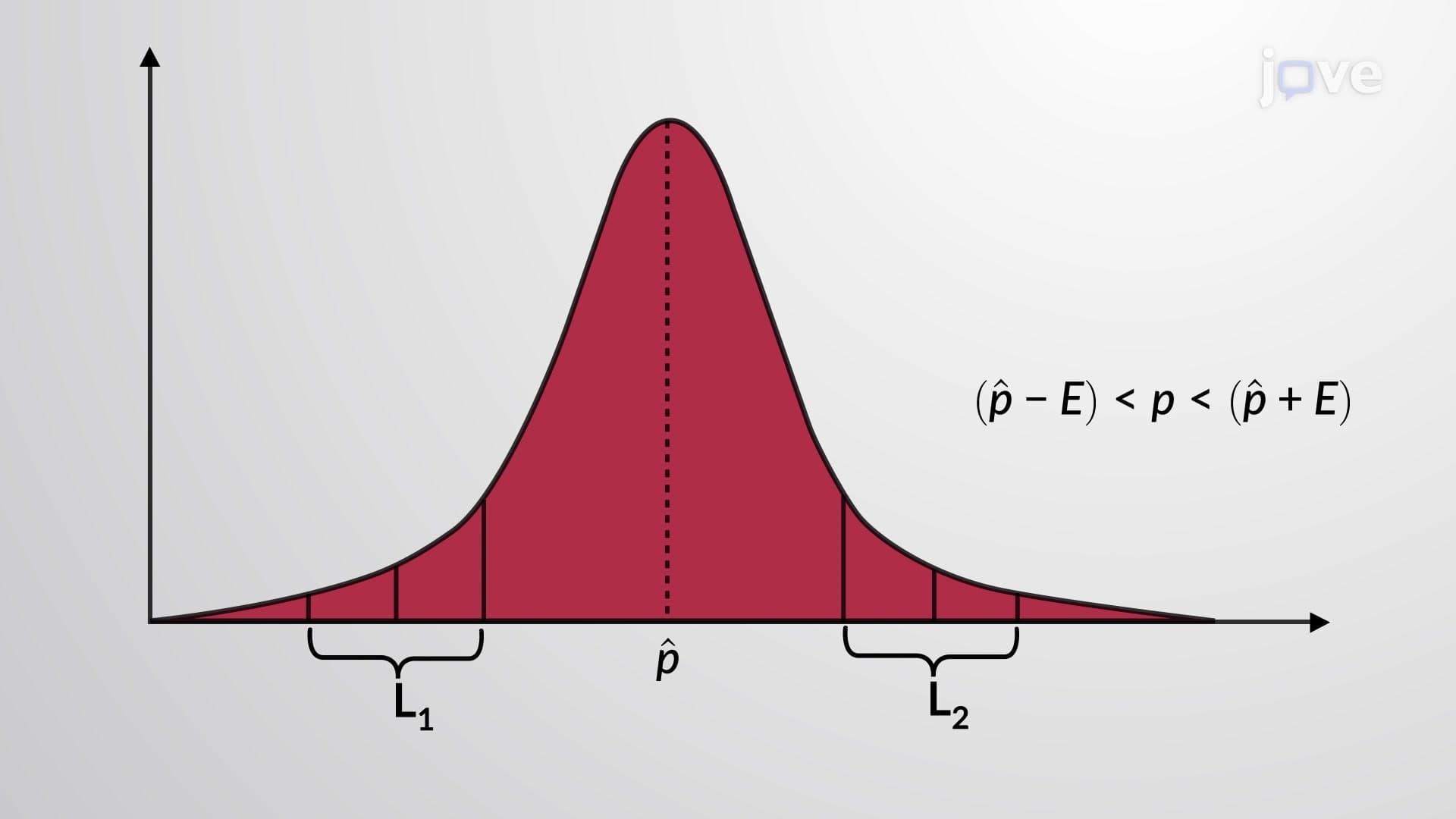
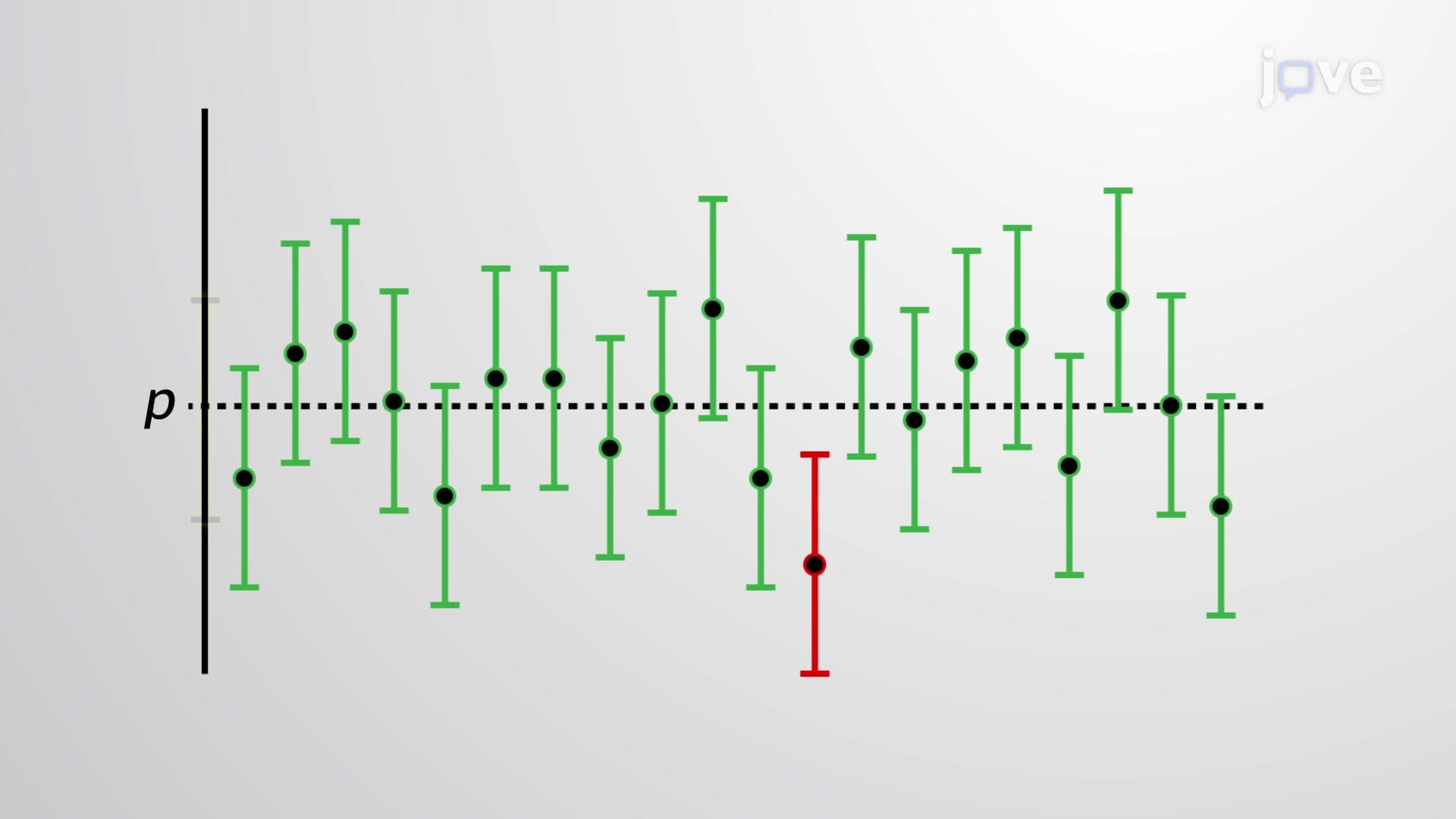
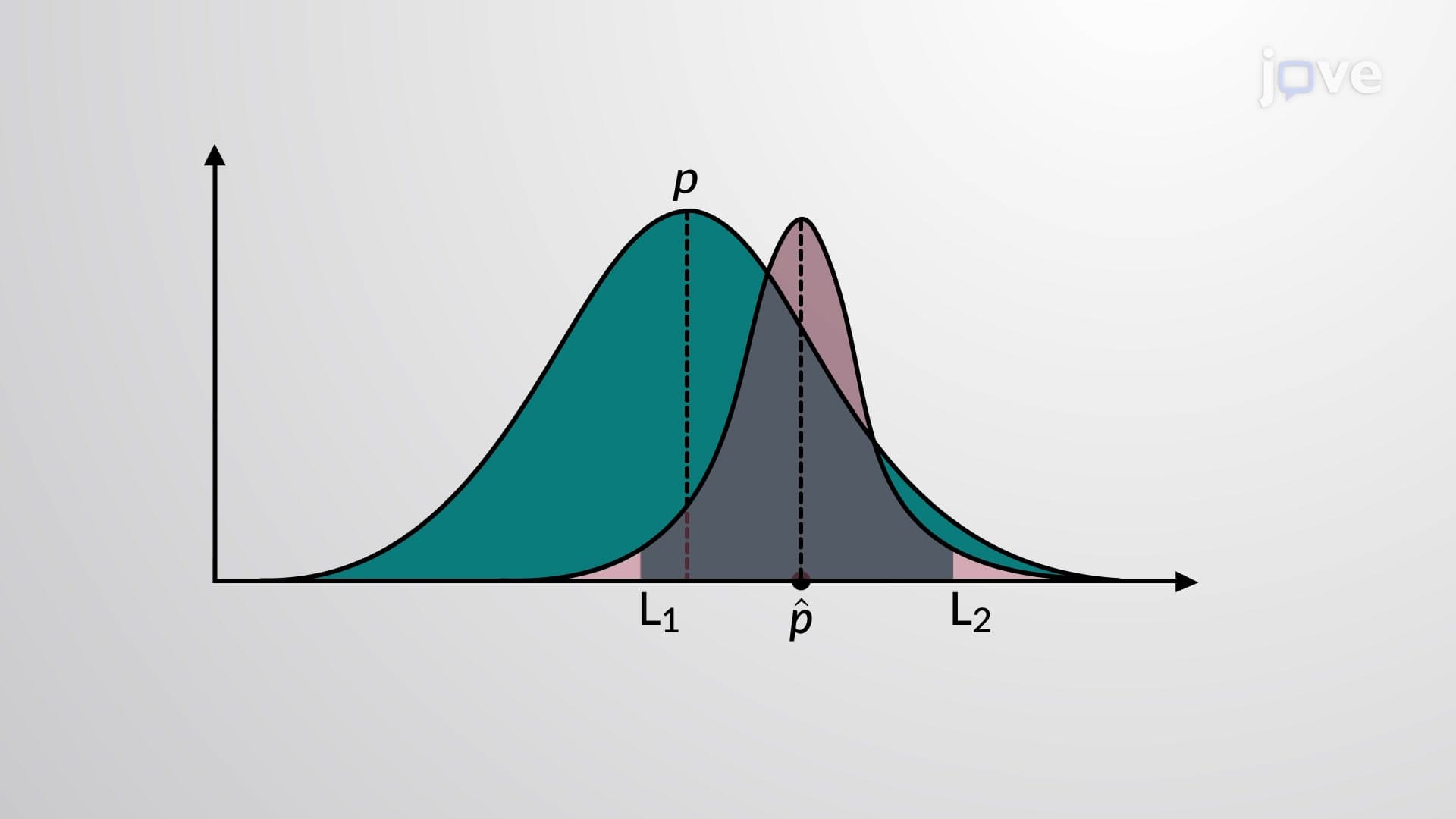
2. Confidence Interval Construction and Interpretation: Confidence intervals create ranges of plausible values for population parameters, accounting for sampling variability. A 95% confidence interval for average SAT scores in California might range from 1,180 to 1,220, meaning if we repeated the sampling process many times, 95% of calculated intervals would contain the true population mean. This interpretation focuses on the long-run behavior of the estimation process, not the probability of any single interval.
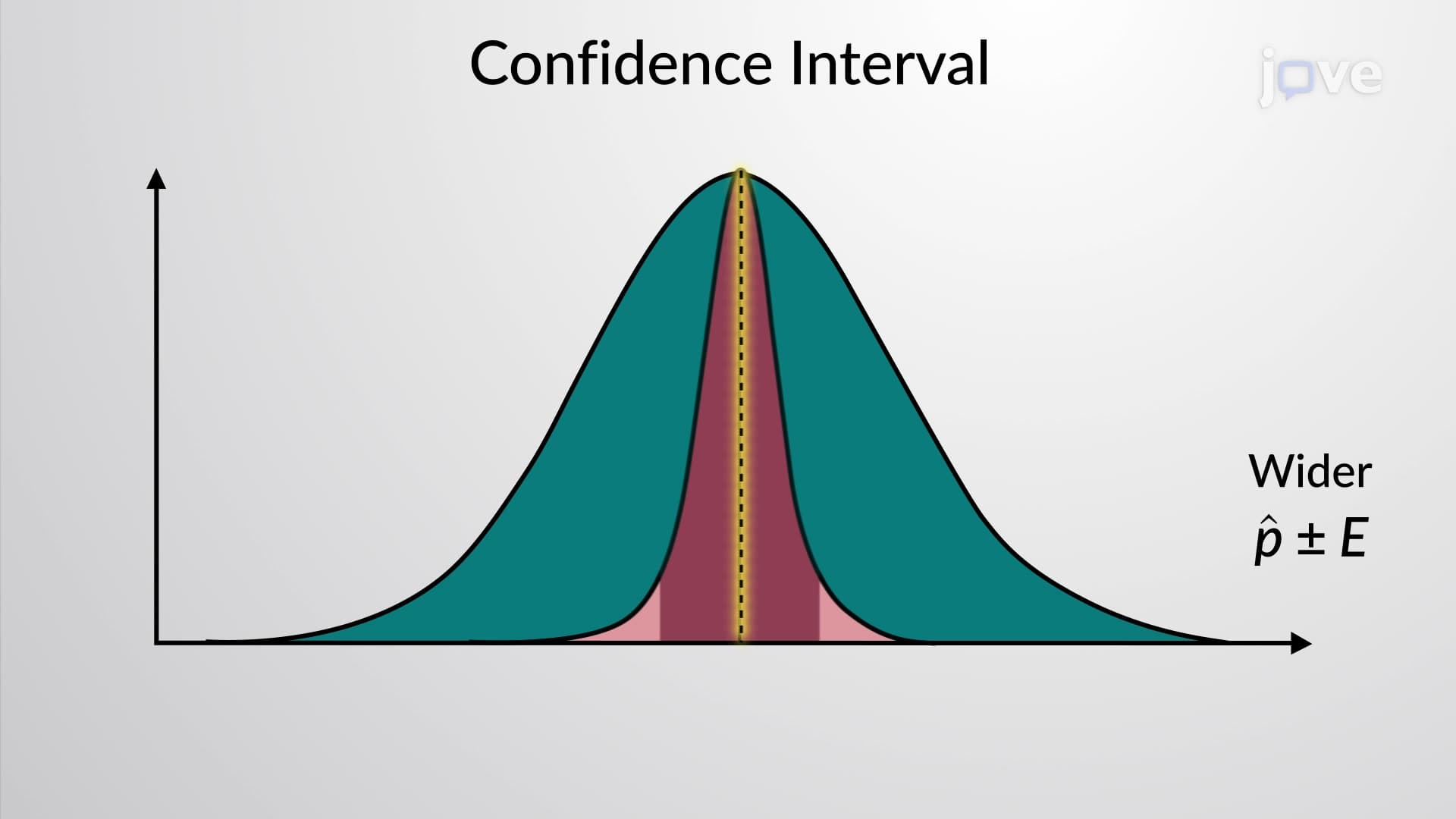
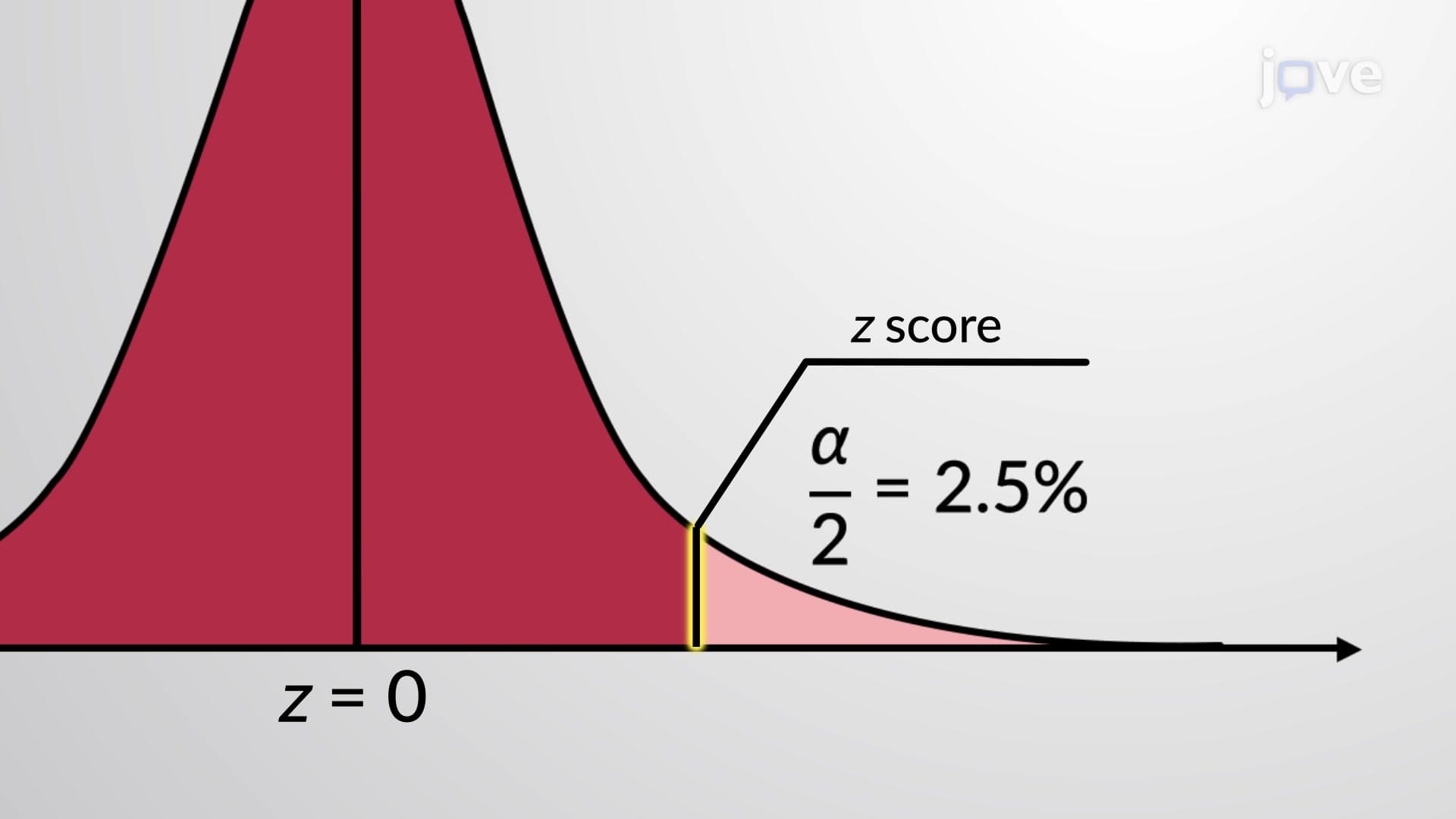
3. Critical Values and Confidence Levels: Critical values from z-distribution or t-distribution determine confidence interval width at specified confidence levels. Common confidence levels in American research include 90% (z = 1.645), 95% (z = 1.96), and 99% (z = 2.576). Higher confidence levels produce wider intervals, reflecting increased certainty that the interval captures the true population parameter. The choice of confidence level depends on the consequences of estimation errors in specific applications.
4. Margin of Error Calculations: Margin of error quantifies the maximum expected difference between sample estimates and true population values. Political polls reporting "±3% margin of error" indicate the sample proportion could vary by 3 percentage points from the actual population proportion. Margin of error depends on sample size, confidence level, and population variability, with larger samples and lower confidence levels producing smaller margins of error.
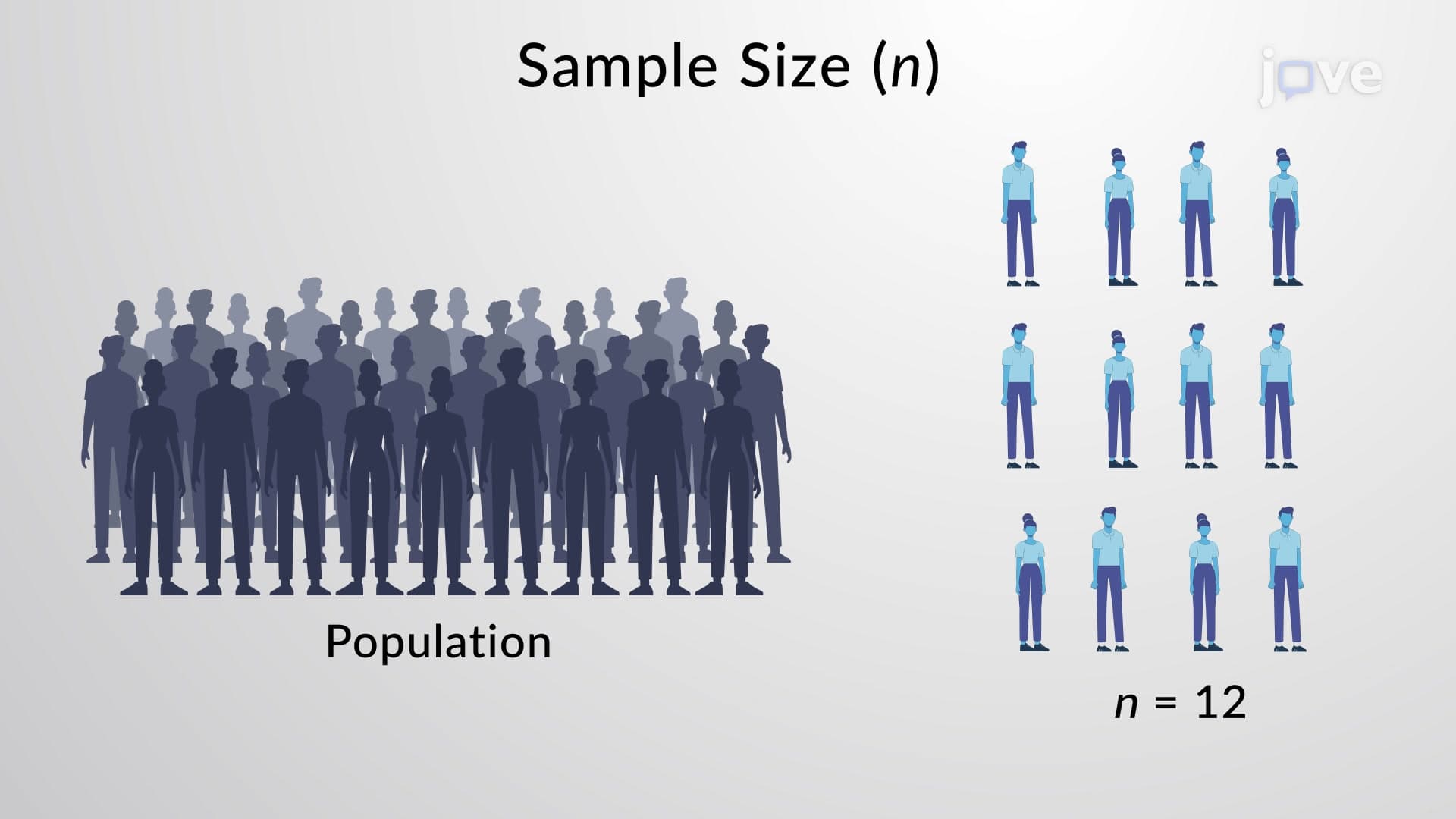
5. Sample Size Determination: Optimal sample size balances statistical precision with practical constraints like cost and time. To estimate the proportion of American adults supporting renewable energy within ±2% margin of error at 95% confidence, researchers need approximately 2,401 respondents. Sample size calculations consider desired precision, confidence level, and estimated population variance, helping researchers design efficient studies that meet statistical requirements.
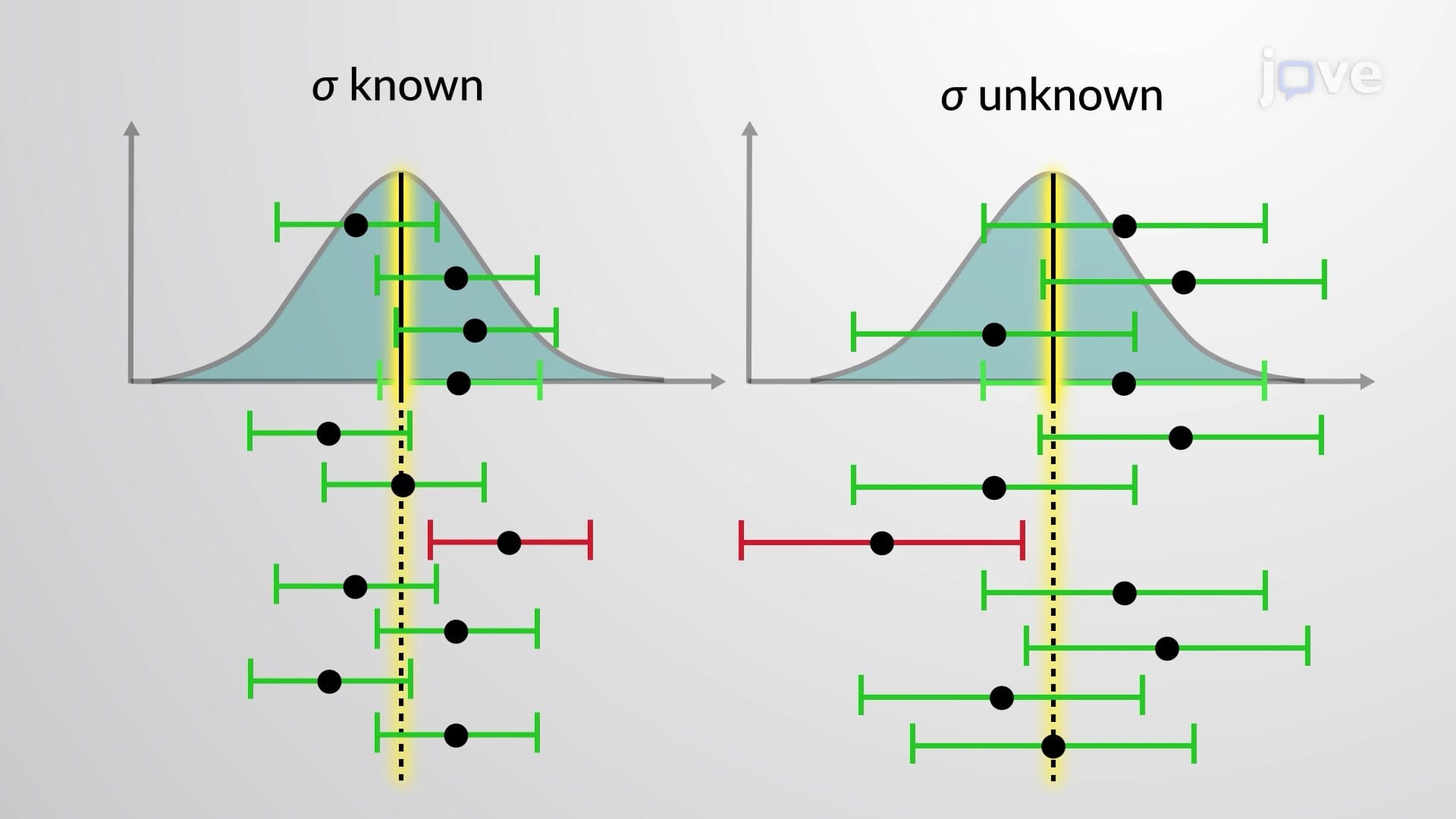
6. Population Mean Estimation with Known Standard Deviation: When population standard deviation is known (often from historical data), z-distribution provides critical values for confidence intervals. Pharmaceutical companies might use previous clinical trial data showing known variability in blood pressure responses to estimate mean effectiveness of new medications. This scenario, while less common in practice, provides the theoretical foundation for understanding interval estimation principles.
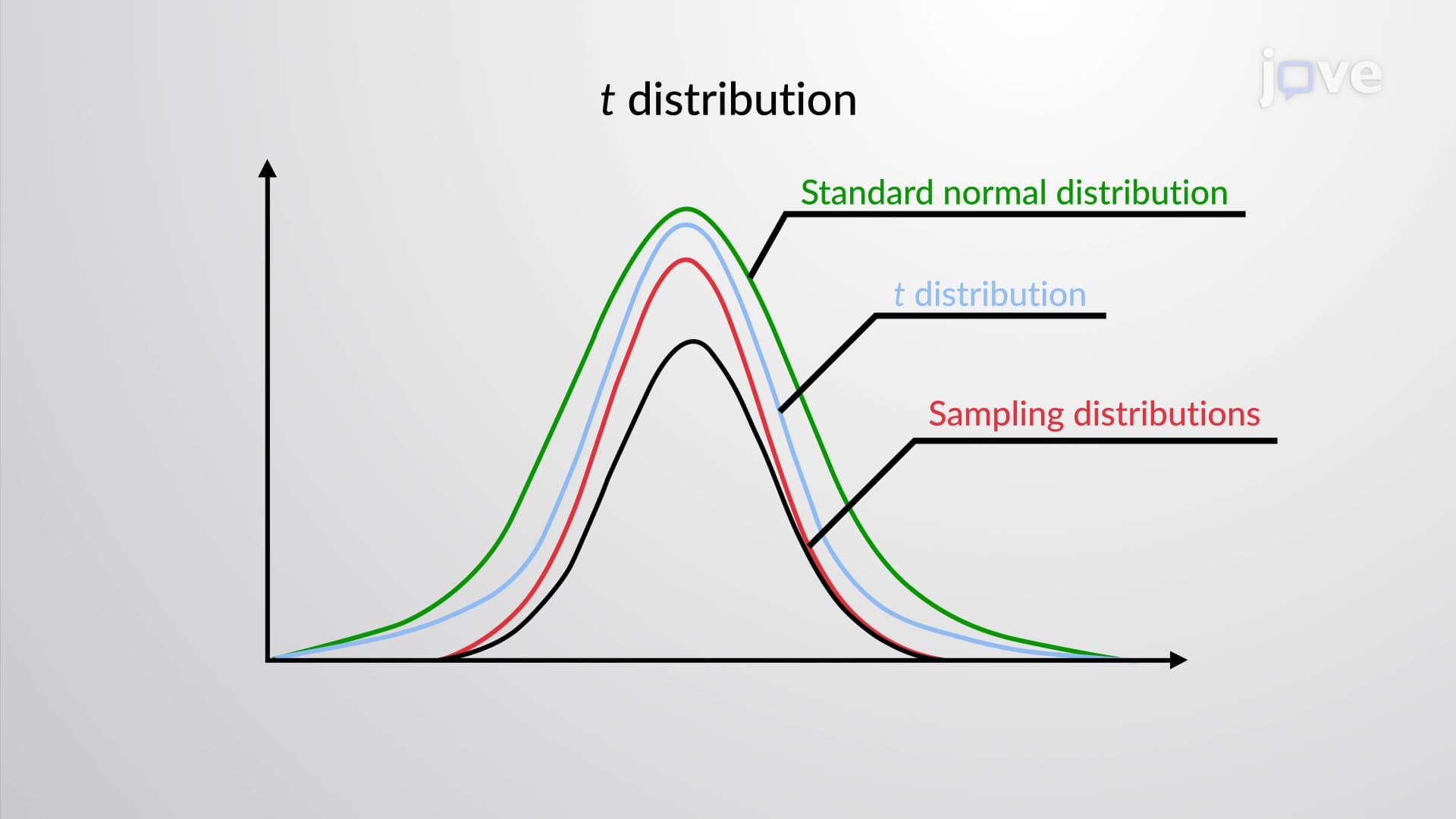
7. Population Mean Estimation with Unknown Standard Deviation: Real-world applications typically involve unknown population standard deviations, requiring t-distribution for confidence intervals. Educational researchers studying average study time among American college students would use sample standard deviation and t-critical values. T-distributions account for additional uncertainty from estimating population variability, producing wider confidence intervals that maintain stated confidence levels despite unknown parameters.