Loading video…

 11 Concepts
 85.6K views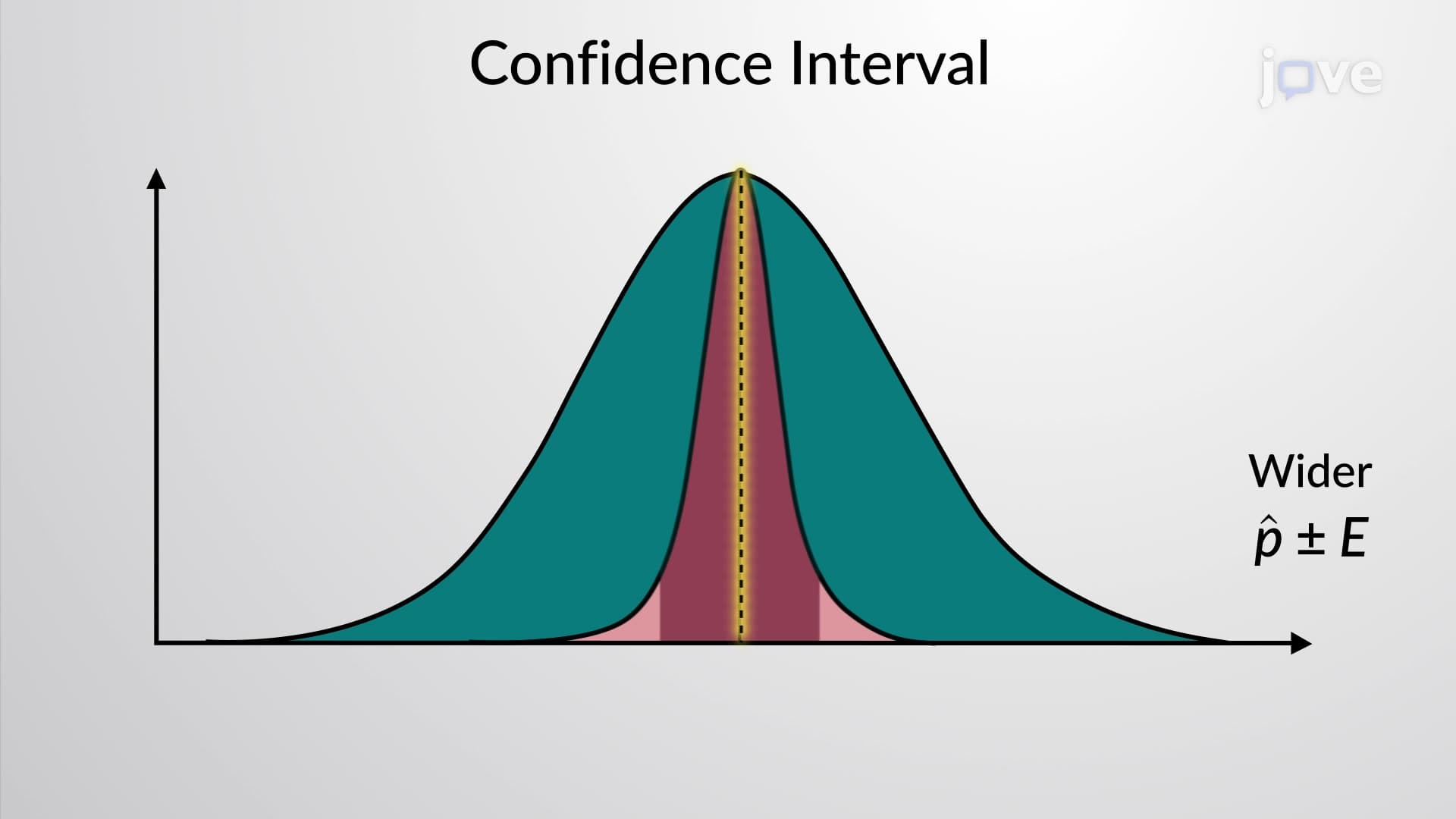

Video Summary: What are Confidence Intervals
Did you know that when the CDC reports "65% of Americans support a health policy with a margin of error of ±3%," they're using confidence intervals to acknowledge uncertainty in their estimate? Confidence intervals provide a range of plausible values for population parameters, moving beyond single-point estimates to give researchers and decision-makers a more complete picture of statistical uncertainty. For example, a pharmaceutical company testing a new drug might report that 78-84% of patients show improvement, rather than claiming exactly 81% effectiveness. Watch the full video on JoVE Coach to master this concept with expert-led visuals and step-by-step explanations.
Confidence intervals address a fundamental limitation in statistics: point estimates alone don't capture the uncertainty inherent in sampling. When researchers survey 1,000 Americans about vaccine acceptance and find 72% support, this single number doesn't reveal how precise this estimate is. A confidence interval might show the true population support falls between 69% and 75%, providing crucial context for policy decisions.
The most common types of confidence intervals focus on different population parameters. Population proportion confidence intervals estimate percentages, like the proportion of students who pass the AP Statistics exam in a given year. Population mean confidence intervals estimate averages, such as the mean SAT score for students in a particular state. Both follow the same fundamental principle: sample statistic ± margin of error.
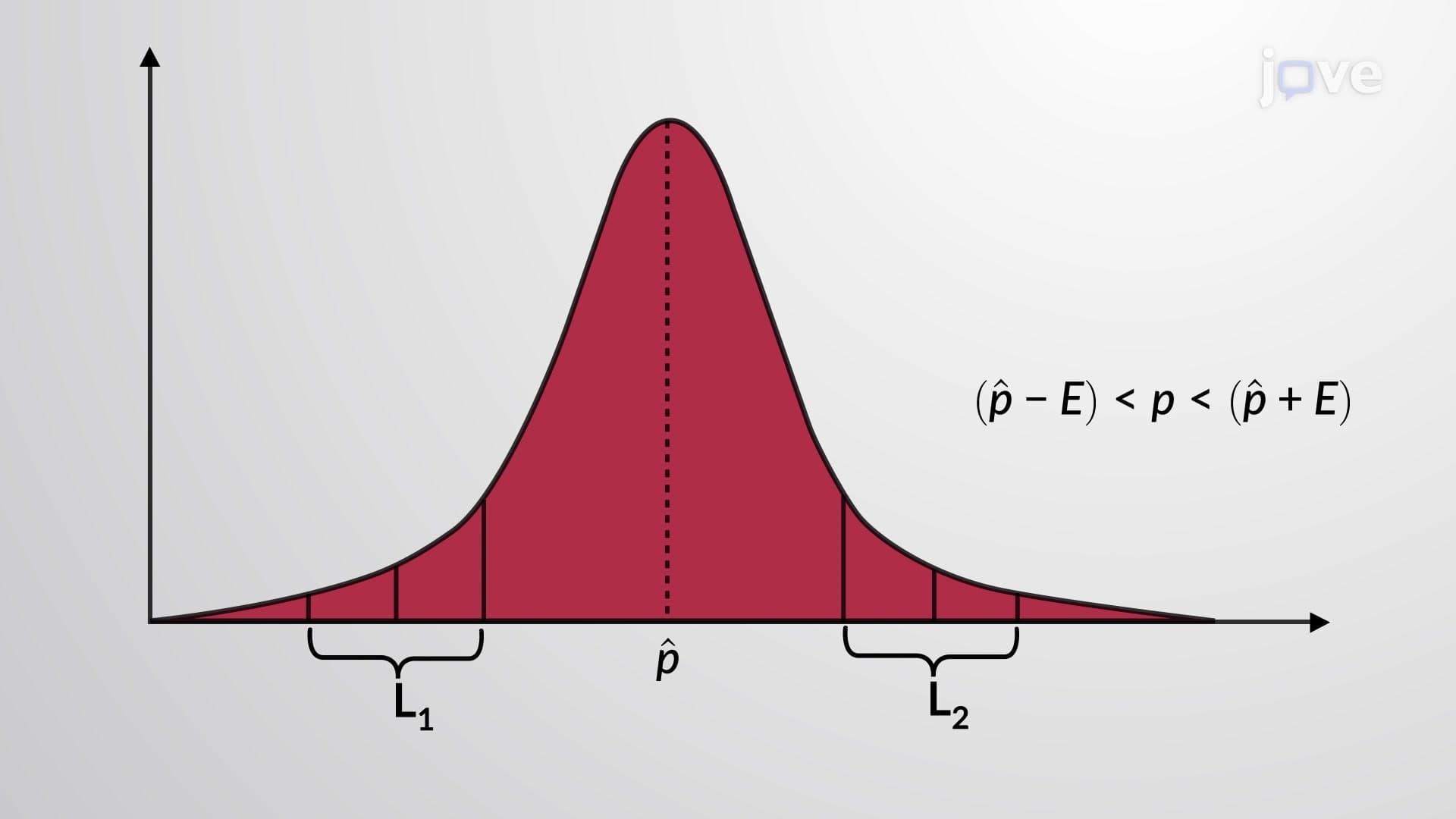
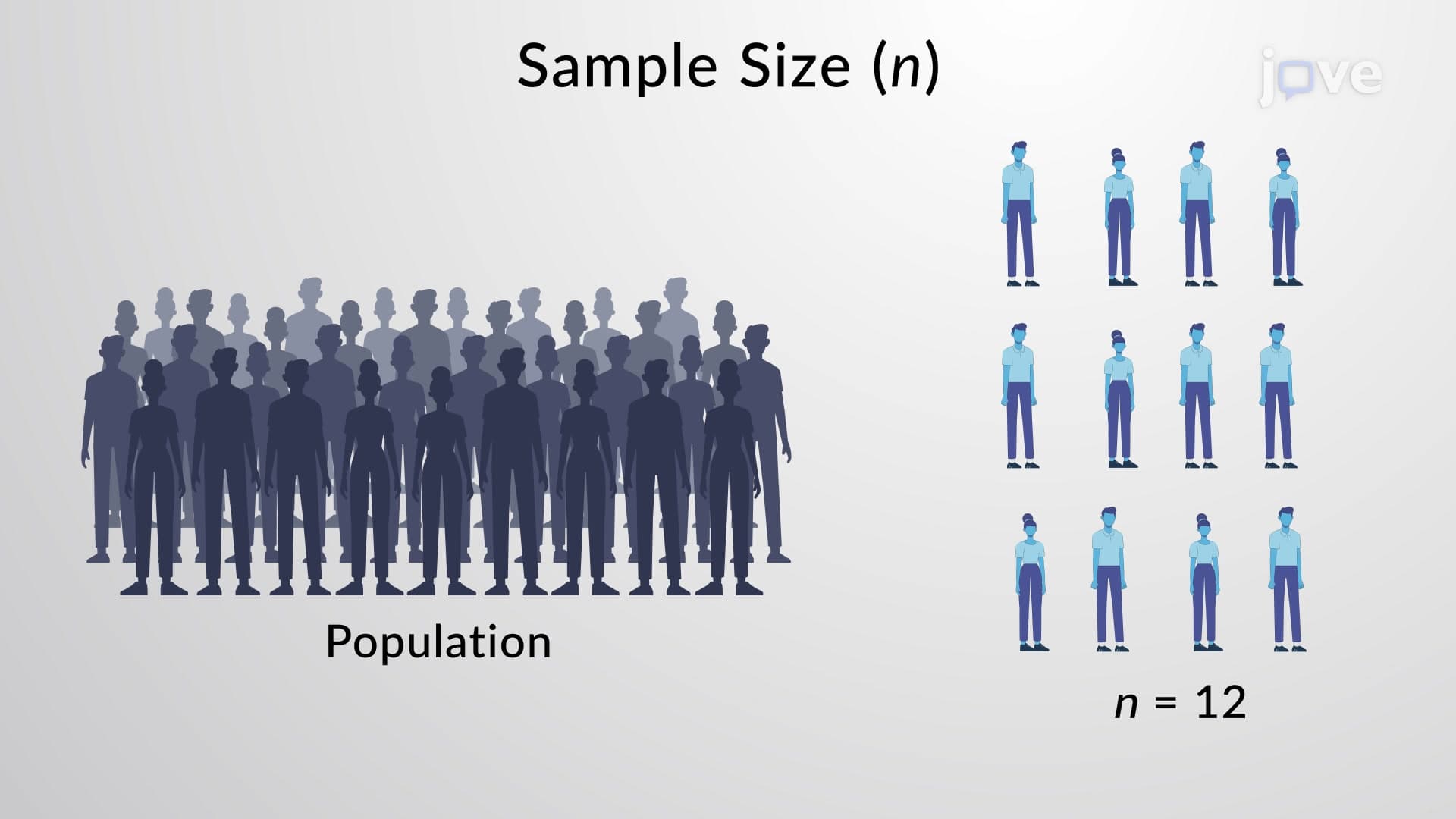
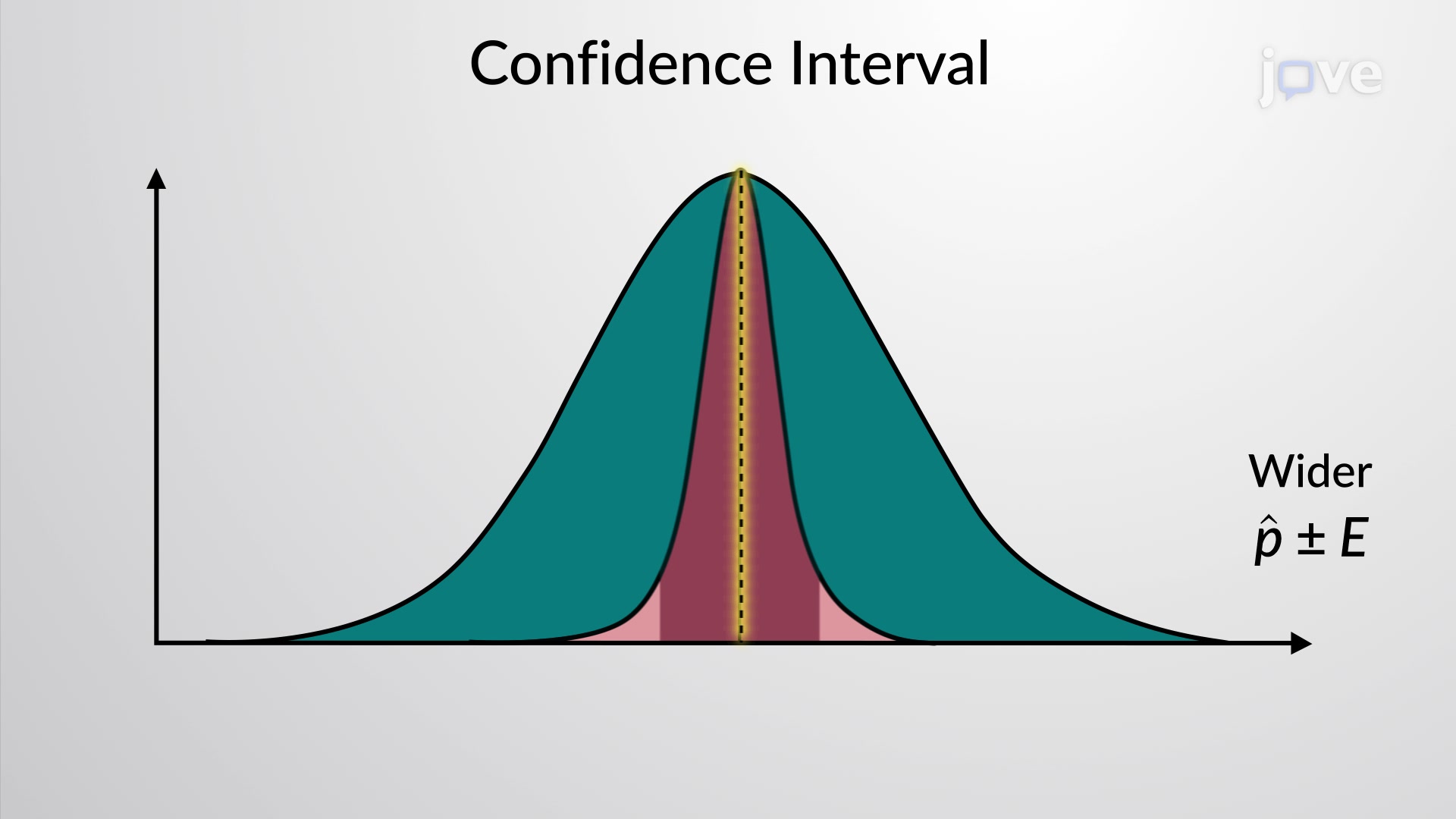
For proportion confidence intervals, the formula simplifies to: p̂ ± E, where p̂ represents the sample proportion and E represents the margin of error. This margin of error depends on the desired confidence level and sample size, creating a direct relationship between precision and resources invested in data collection.
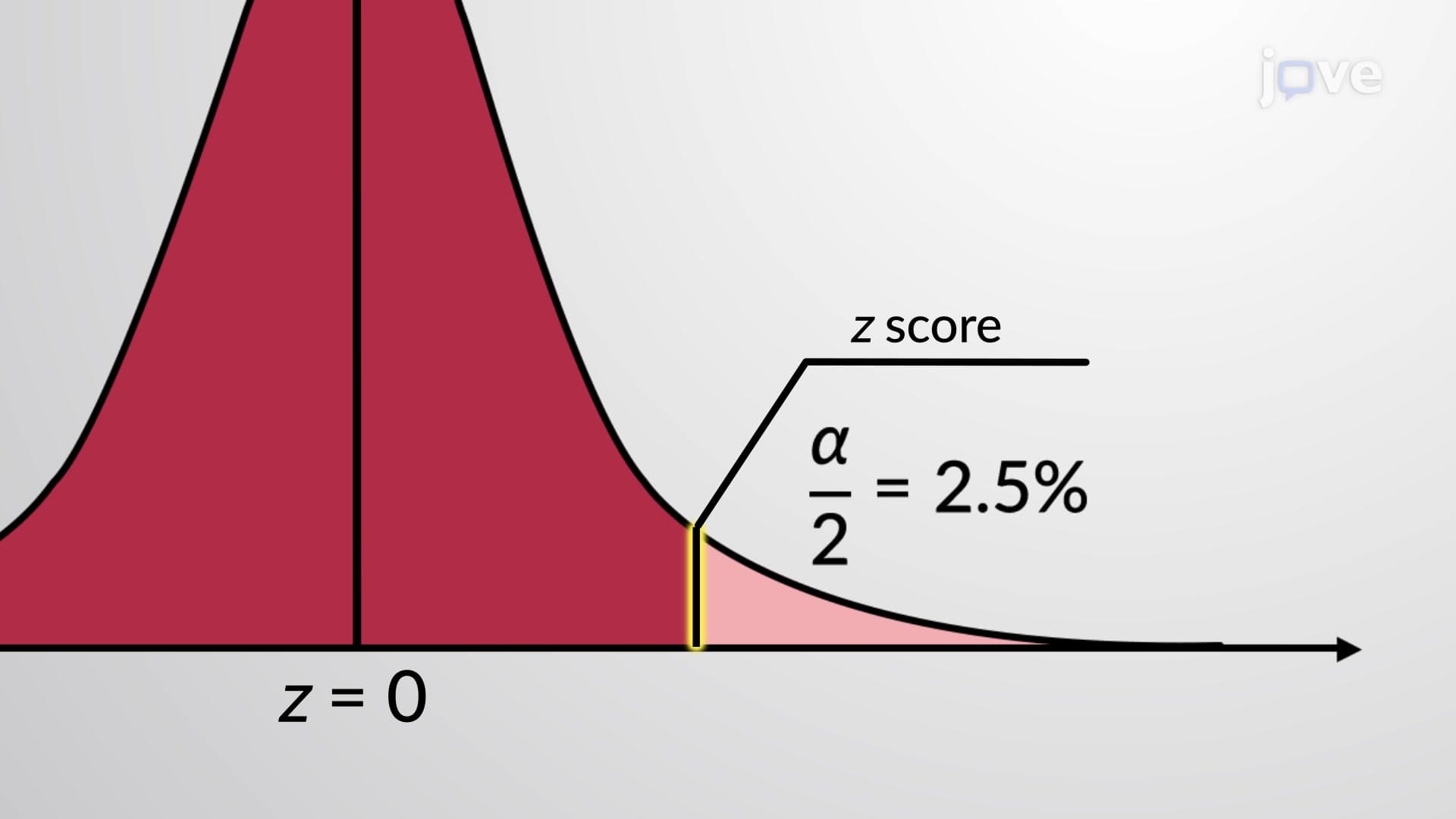
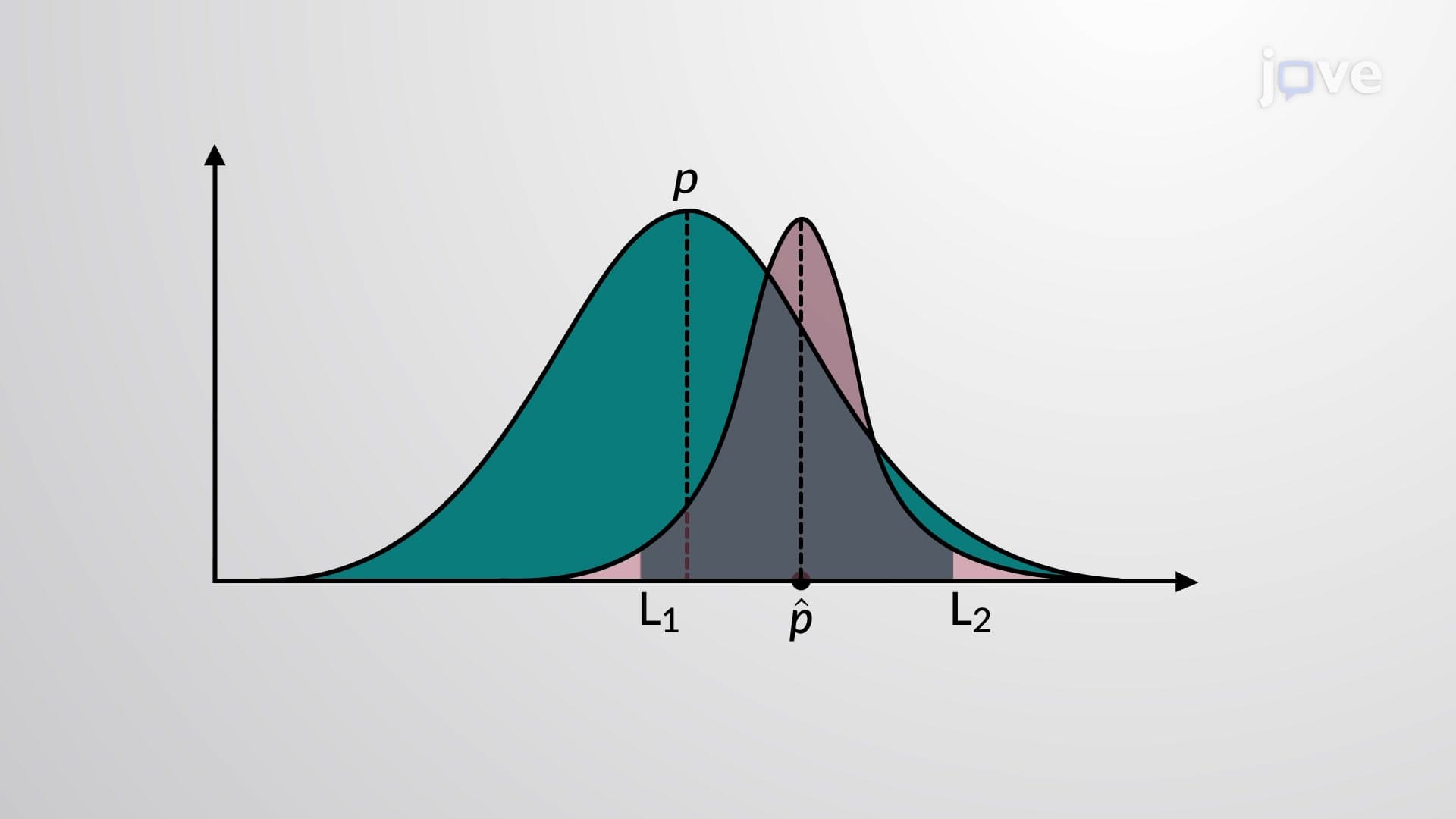
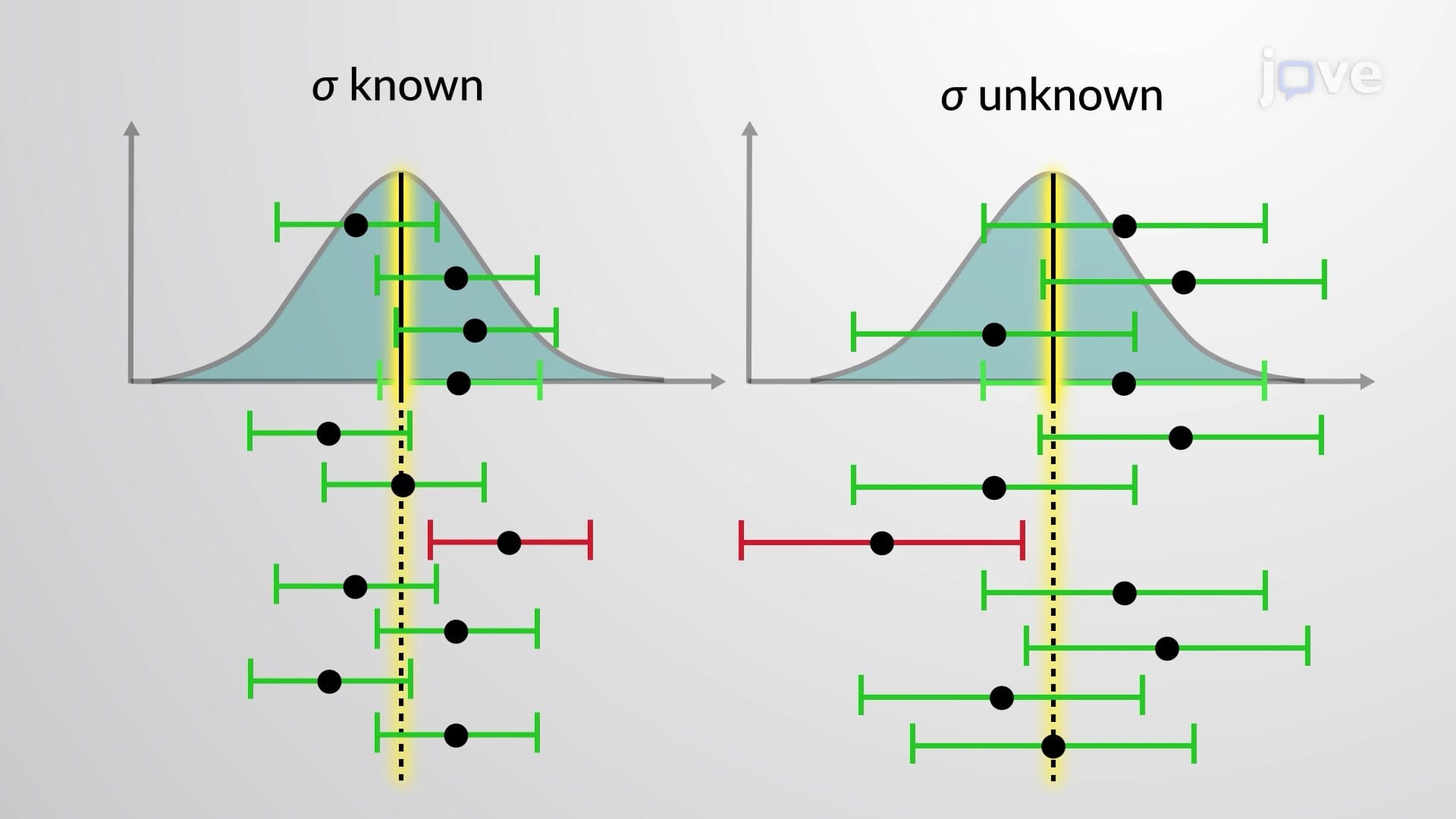
The confidence level (commonly 90%, 95%, or 99%) indicates how often the interval would capture the true population parameter if we repeated the sampling process many times. A 95% confidence interval means that if we conducted the same study 100 times, approximately 95 intervals would contain the true population value.
Higher confidence levels create wider intervals, reflecting the trade-off between certainty and precision. Medical researchers studying drug effectiveness might prefer 99% confidence intervals despite their width, while market researchers might accept 90% intervals for quicker, more precise estimates. This decision impacts everything from FDA drug approval processes to college admissions statistics.
Students encounter confidence intervals throughout their academic journey. In AP Statistics courses, they're essential for hypothesis testing and research projects. College students in psychology, business, and pre-med programs use them to interpret research findings and design experiments. The MCAT includes confidence interval questions in its psychological and social sciences section, while nursing students see them in evidence-based practice courses.
Understanding confidence intervals proves invaluable for interpreting news reports, evaluating medical studies, and making data-driven decisions in any career involving research or analysis.
Related Micro-courses