Loading video…

 11 Concepts
 85.6K views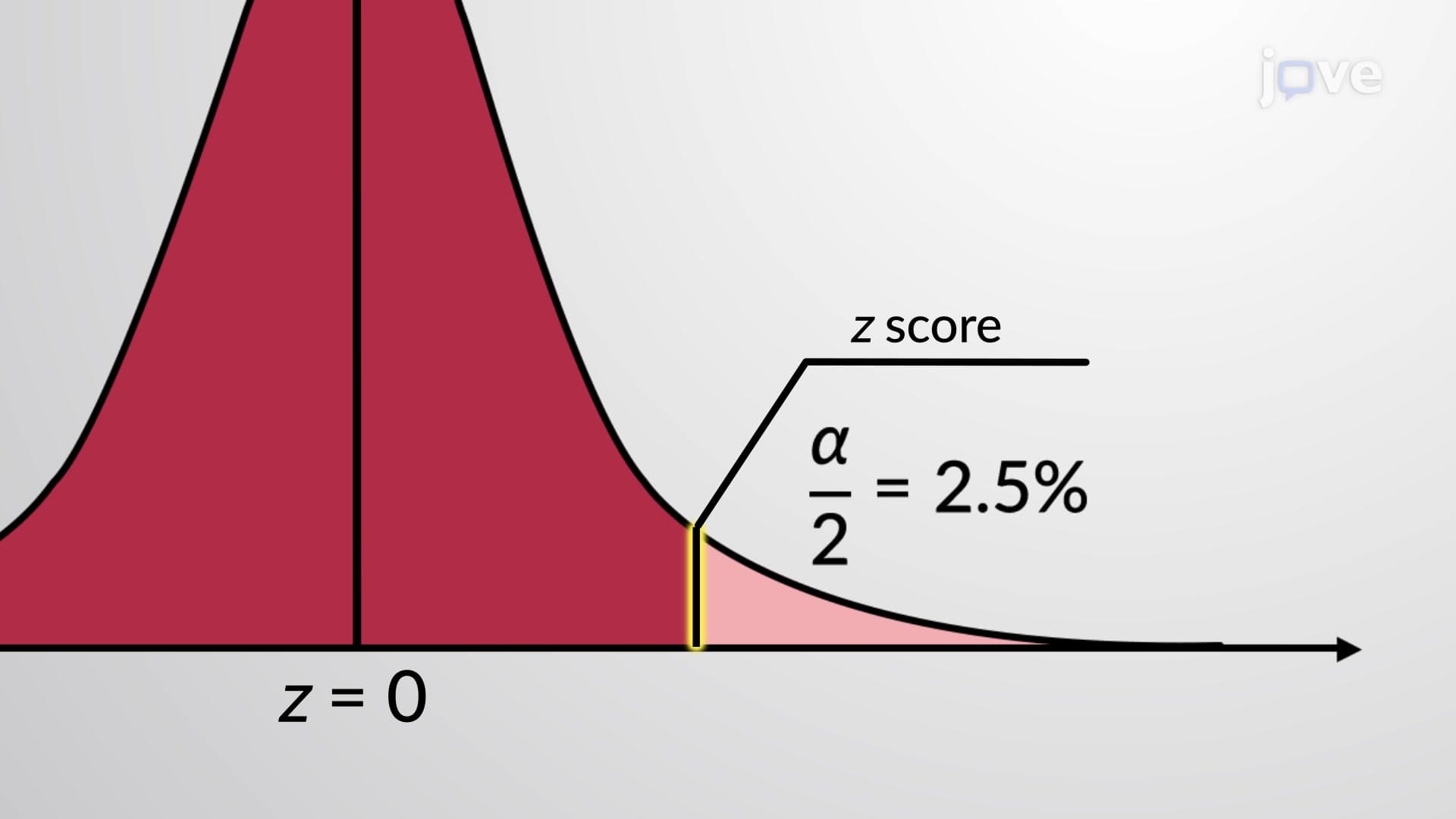

Video Summary: What are Critical Values
Did you know that FDA drug approval decisions rely on critical values to determine if a new medication is truly effective? Critical values are specific statistical thresholds that define the boundaries between accepting or rejecting research hypotheses. For instance, when the CDC analyzes vaccine efficacy data, they use critical values at 95% confidence levels to ensure public health decisions meet rigorous standards. Watch the full video on JoVE Coach to master this concept with expert-led visuals and step-by-step explanations.
What are critical values? They represent the cutoff points that separate the rejection region from the acceptance region in hypothesis testing. Think of them as statistical "red lines" that researchers cannot cross without concluding their results are statistically significant. These values are fundamental to making informed decisions based on data analysis.
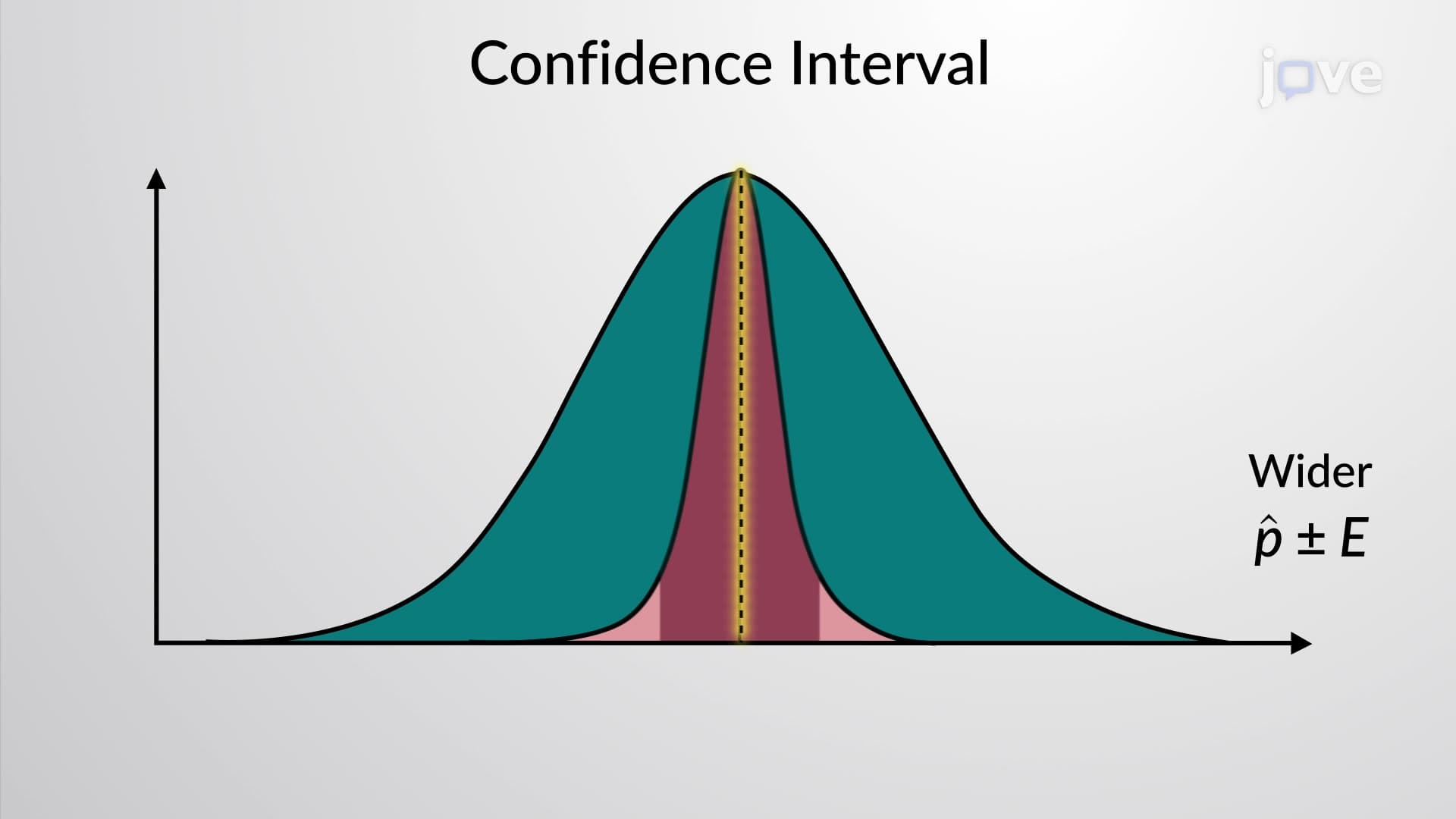
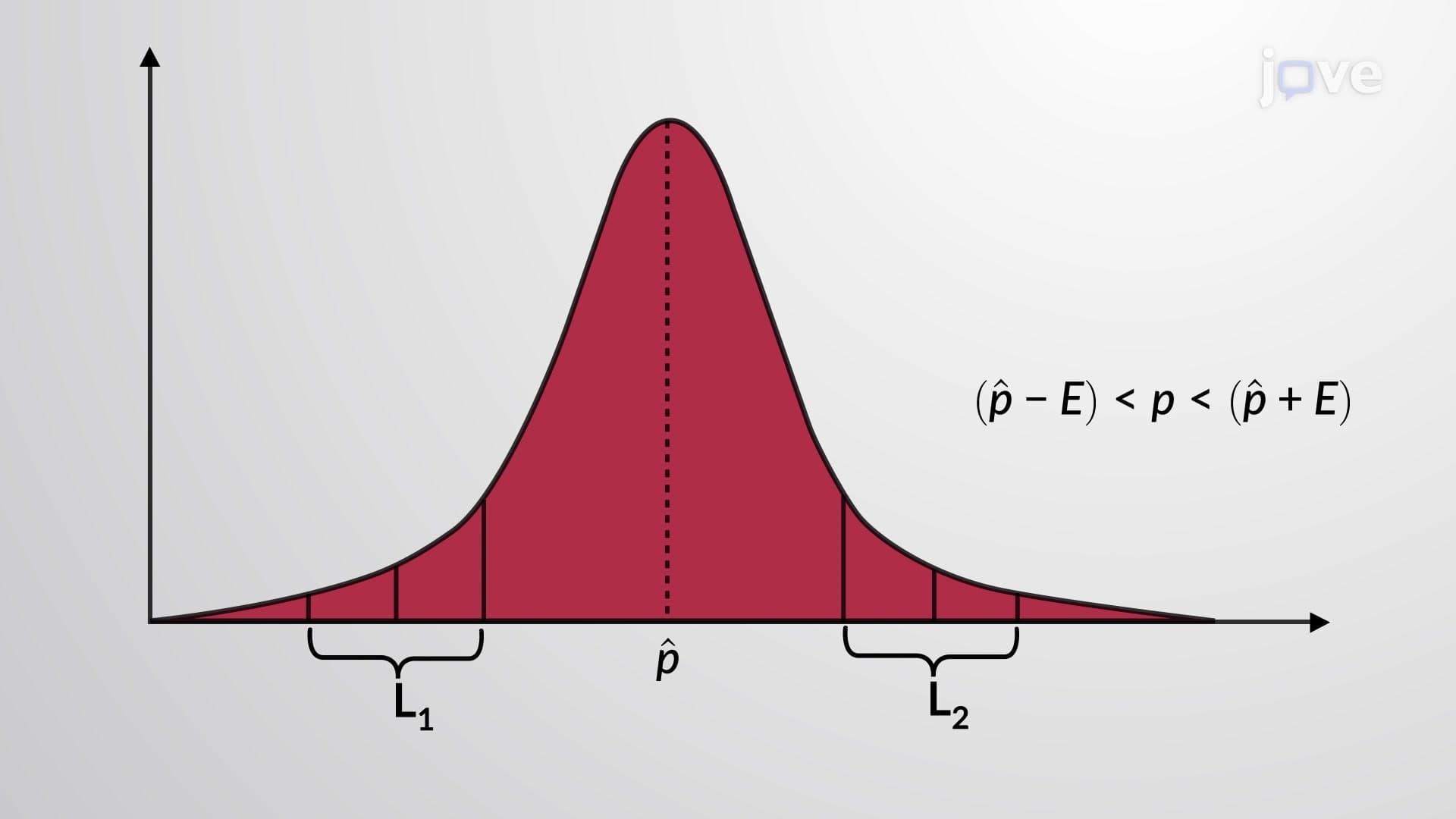
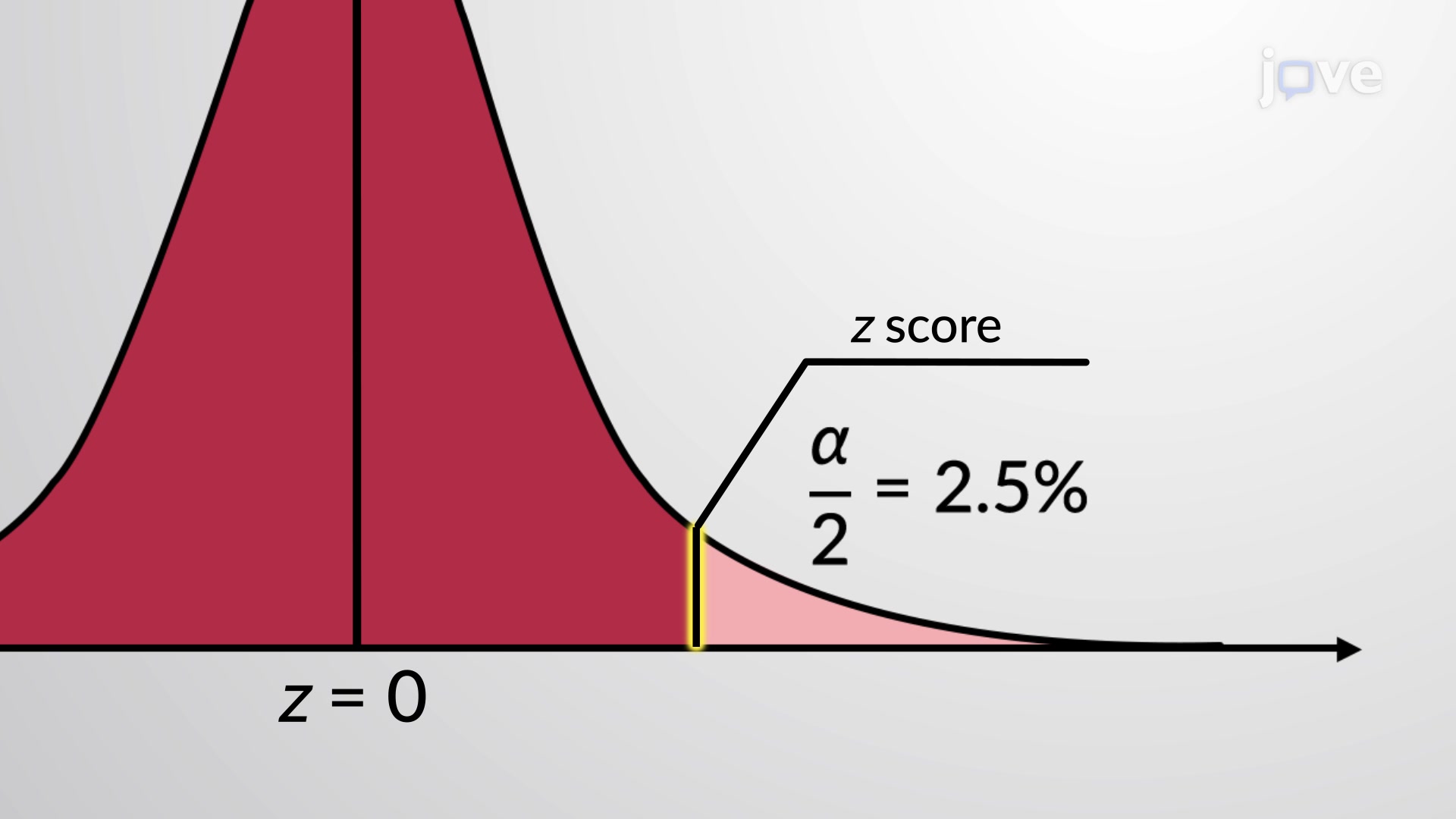
Critical values emerge from the relationship between confidence levels and significance levels (alpha). When working with a 95% confidence level, the remaining 5% represents the significance level (α = 0.05). This 5% gets split equally between both tails of the normal distribution, placing 2.5% (α/2 = 0.025) in each tail.
To find the critical z-value, statisticians look up (1 - α/2) in the z-table. For 95% confidence, this means finding 0.975 (not 0.95), which corresponds to z = 1.96. Similarly, 90% confidence yields z = 1.645, while 99% confidence produces z = 2.575. These values remain constant regardless of sample size or specific study parameters.
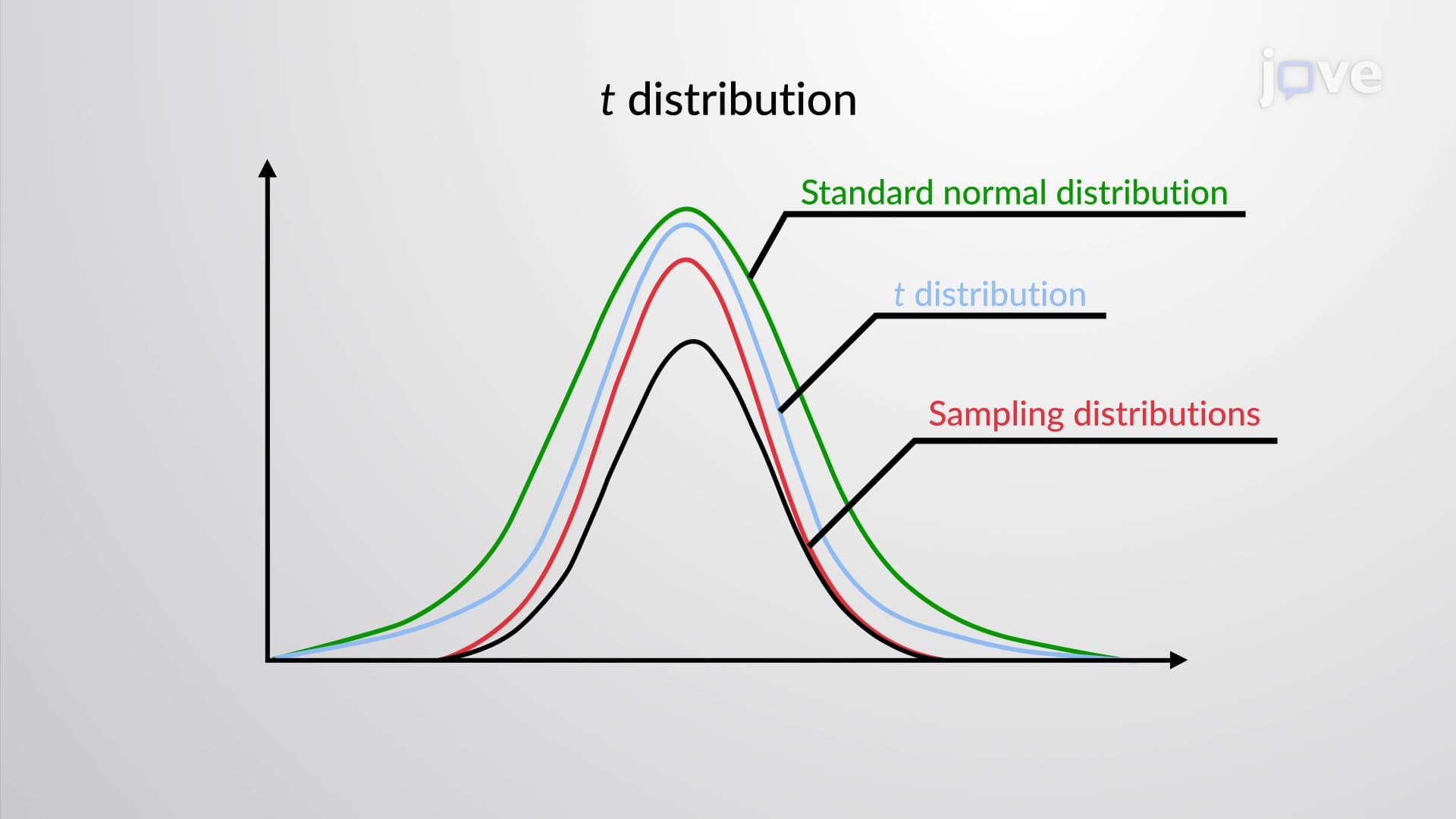
Beyond z-scores, types of critical values include t-values for smaller samples, chi-square values for categorical data analysis, and F-values for comparing variances. Each follows the same principle but uses different probability distributions. AP Statistics students frequently encounter z-critical values in proportion tests, while college statistics courses expand to include t-critical values for mean comparisons.
Critical values drive decision-making across numerous US sectors. The Environmental Protection Agency uses them to determine if pollution levels exceed safe thresholds. Pharmaceutical companies rely on critical values during clinical trials to prove drug effectiveness before FDA submission. Quality control managers in manufacturing use these values to identify when production processes deviate from acceptable standards.
For students preparing for standardized tests, critical values appear frequently on the AP Statistics exam, MCAT biological sciences section, and college statistics midterms. Mastering this concept provides a foundation for understanding p-values, confidence intervals, and hypothesis testing-all essential for advanced STEM coursework and research methodology.
Related Micro-courses