Loading video…

 11 Concepts
 85.6K views

Video Summary: What Is What are Estimates
Did you know that the U.S. Census Bureau uses estimates from sample populations to make predictions about all 330 million Americans between official census years? Estimates are statistical values calculated from sample data that help us make educated guesses about entire populations when collecting data from everyone is impossible. For instance, when Gallup polls 1,000 Americans to predict election outcomes, they're using estimates to represent millions of voters' preferences. Understanding what are estimates becomes essential for interpreting everything from medical research to market surveys. Watch the full video on JoVE Coach to master this concept with expert-led visuals and step-by-step explanations.
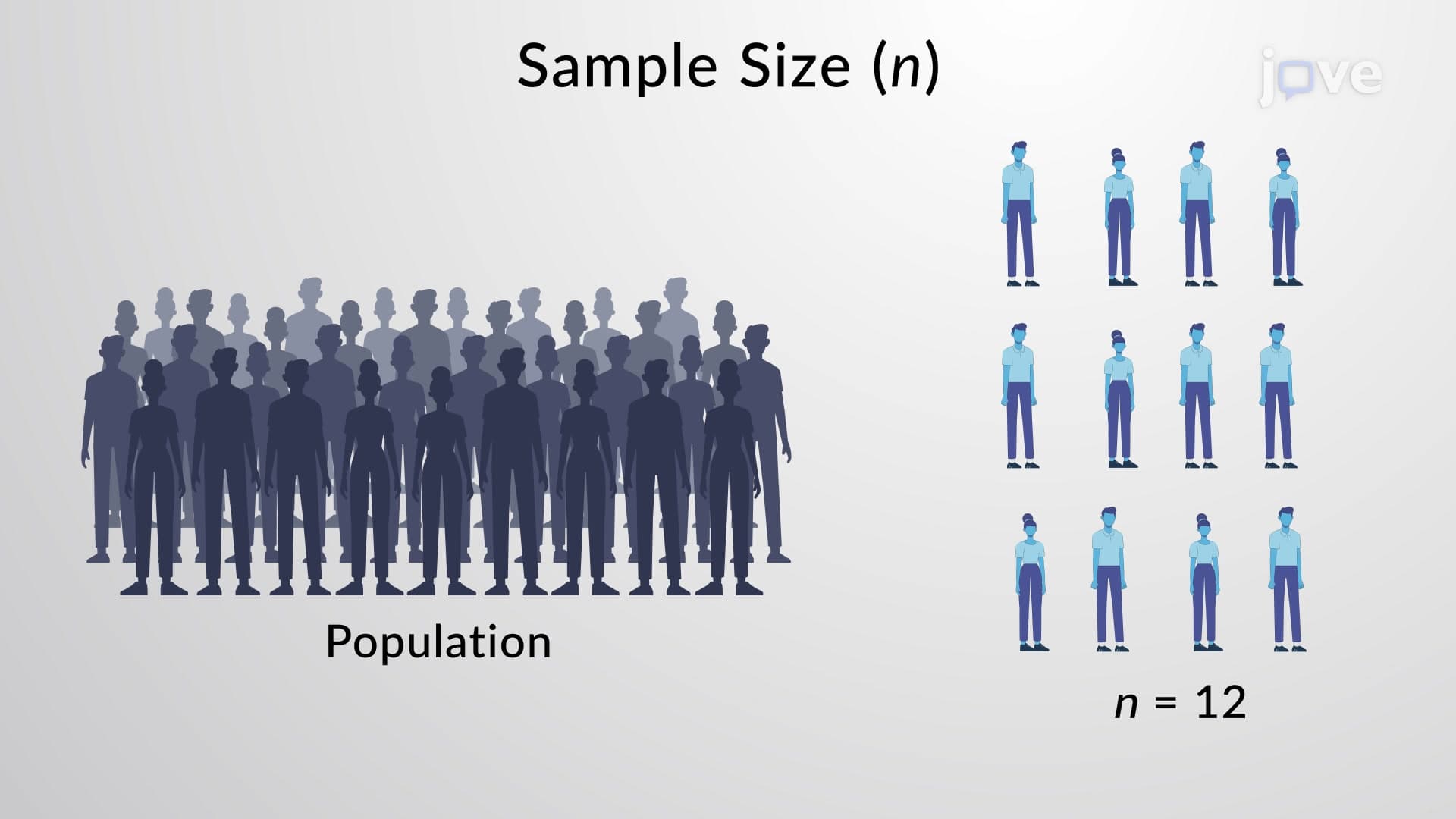
Estimates represent one of the most fundamental concepts bridging descriptive and inferential statistics. While descriptive statistics summarize what we observe in our data, estimates allow us to make informed predictions about populations we cannot fully measure. This concept becomes particularly crucial when dealing with large populations-imagine trying to survey every college student in America about their study habits versus sampling 2,000 students from diverse institutions.
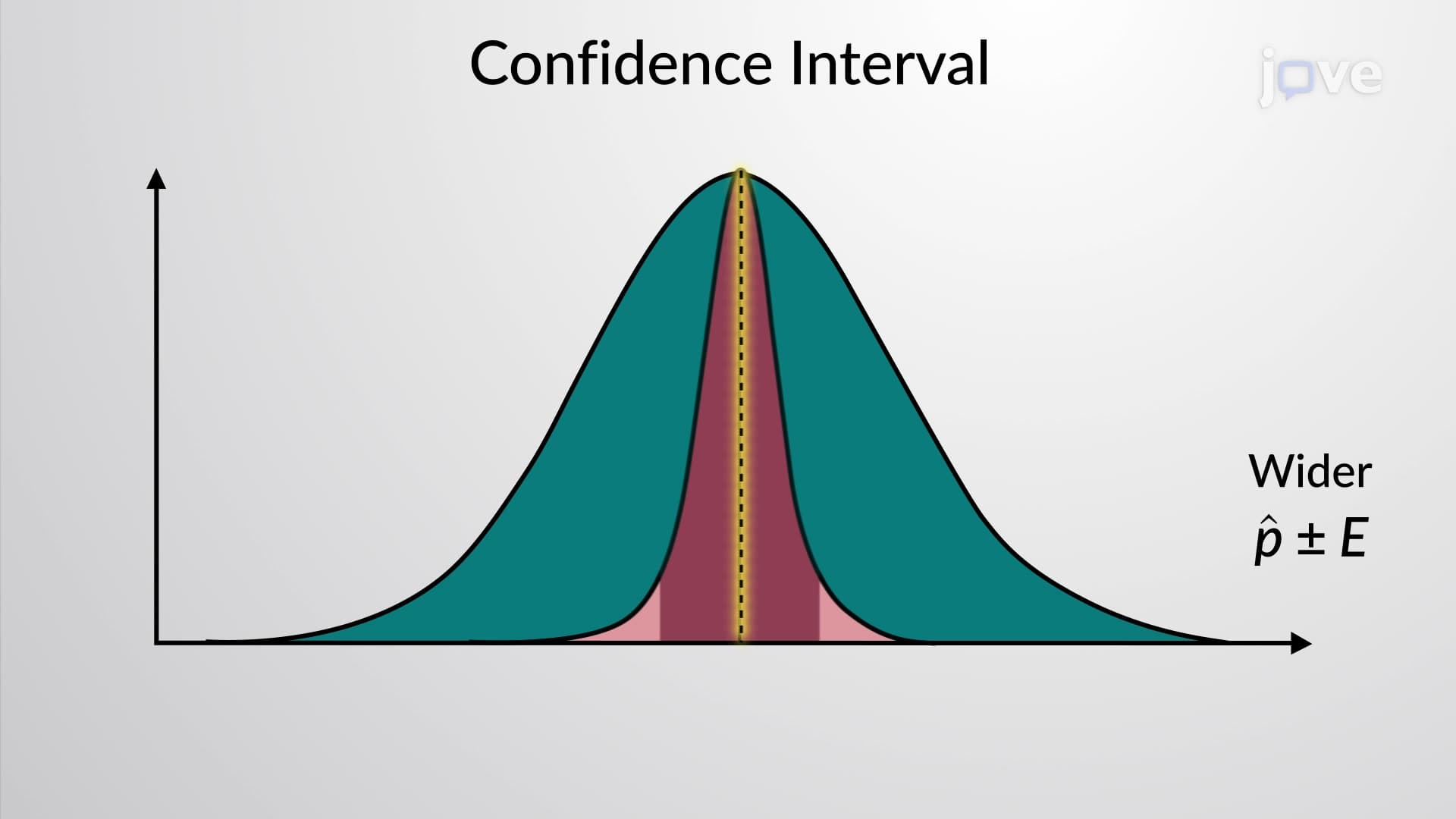
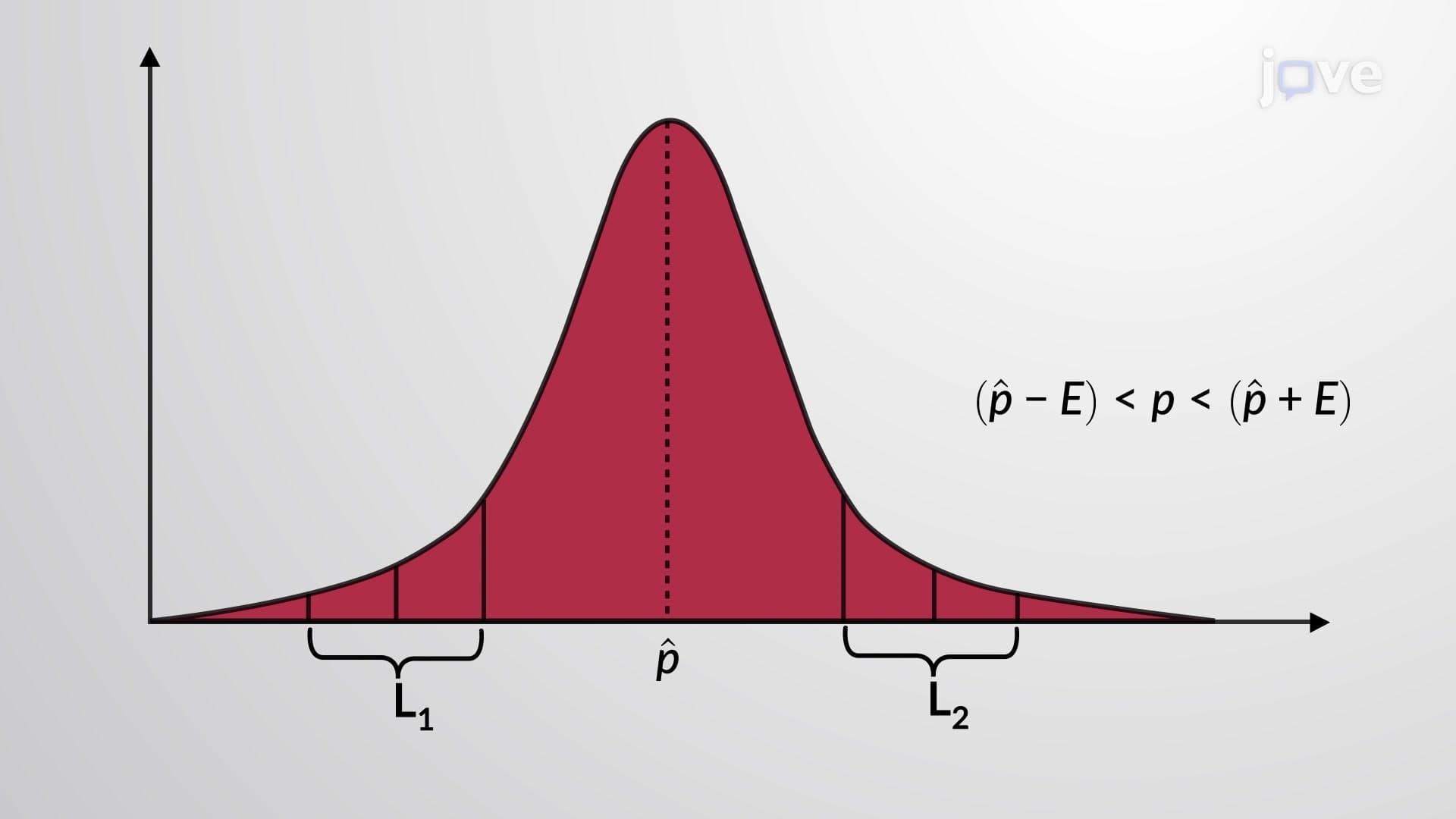
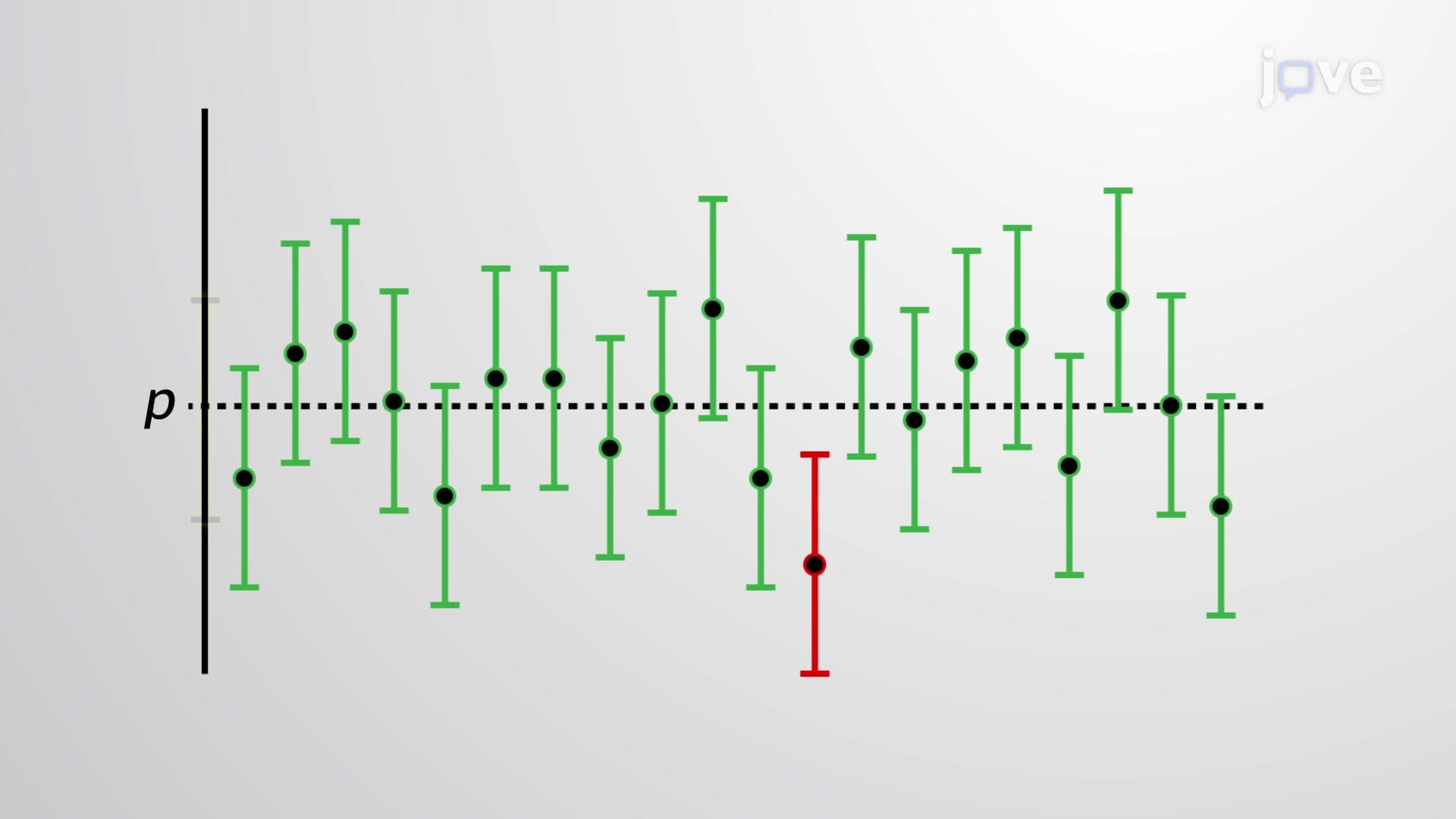
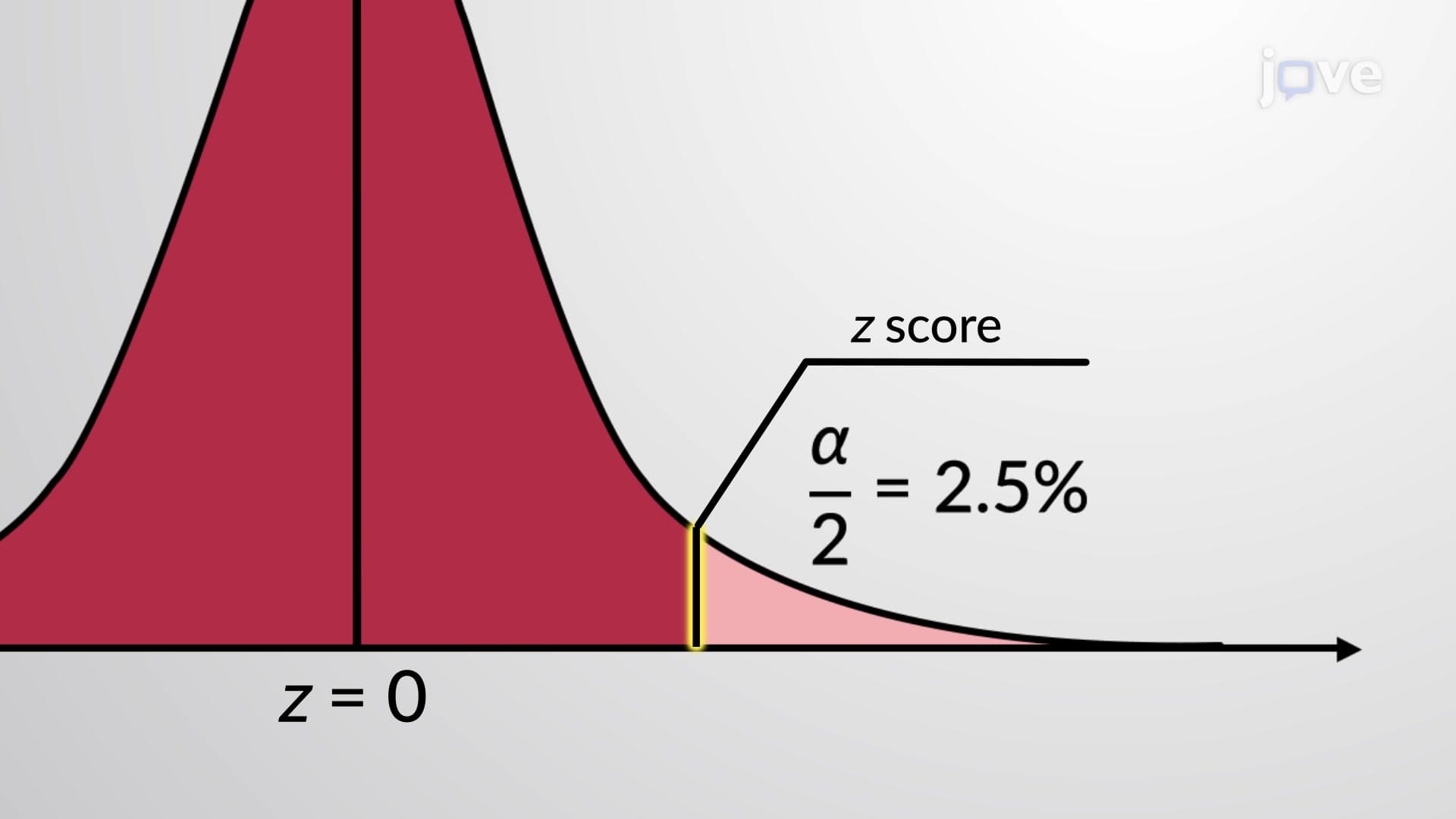
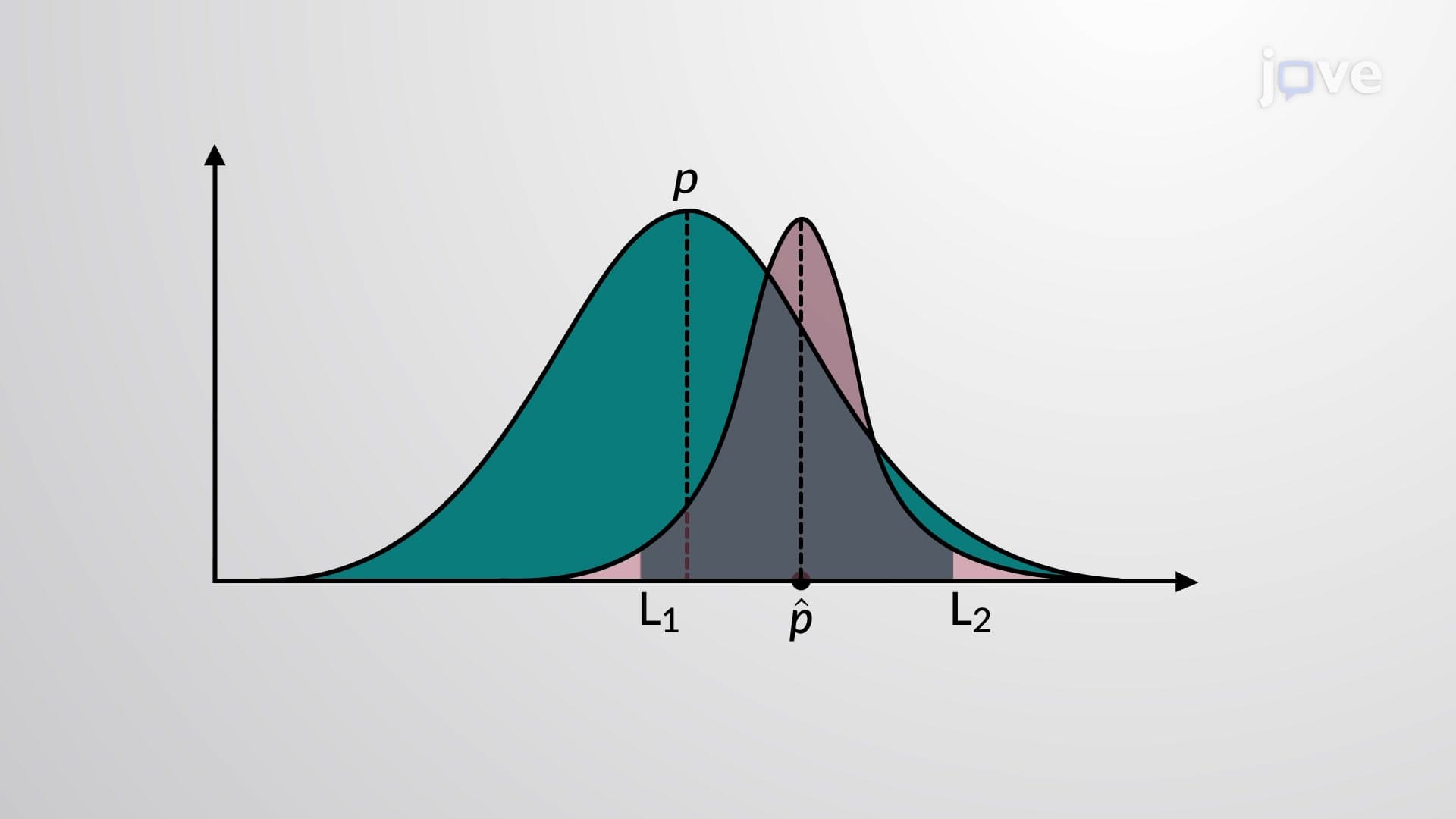
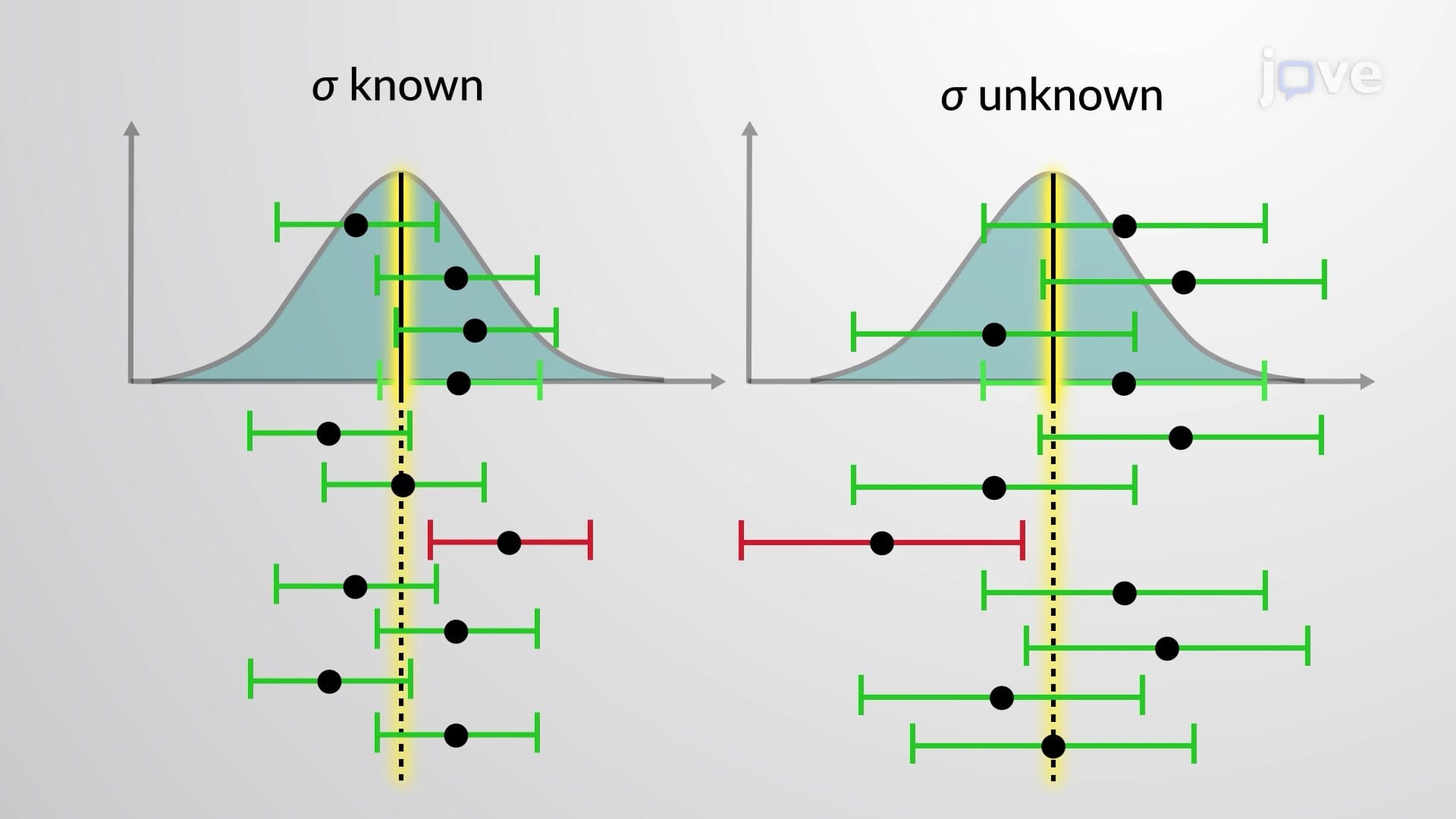
The most common types of estimates include point estimates and interval estimates. Point estimates provide single values (like a sample mean of 85 on an exam), while interval estimates offer ranges (like "between 82 and 88 with 95% confidence"). These estimates rely heavily on standard scores or z-scores, which standardize different measurements onto a common scale. For example, if SAT scores have a different distribution than ACT scores, z-scores allow colleges to compare applicants fairly across both testing systems.
In medical research, pharmaceutical companies use estimates to determine drug effectiveness without testing every patient. The FDA requires clinical trials with sample sizes large enough to produce reliable estimates about safety and efficacy for the broader population. Similarly, in educational assessment, when College Board analyzes AP exam performance, they use sample data to estimate how well different teaching methods prepare students nationwide.
Students encounter estimates throughout their academic journey, from AP Statistics courses examining polling data to college research methods classes designing experiments. The concept appears frequently on standardized tests like the MCAT, where students must interpret confidence intervals in medical studies. Understanding estimates becomes essential for pre-med students analyzing clinical trial data or business students evaluating market research findings. This foundational knowledge supports success in advanced coursework and professional applications across STEM fields, where evidence-based decision making relies on accurate estimation methods.
Related Micro-courses