Loading video…

 11 Concepts
 85.6K views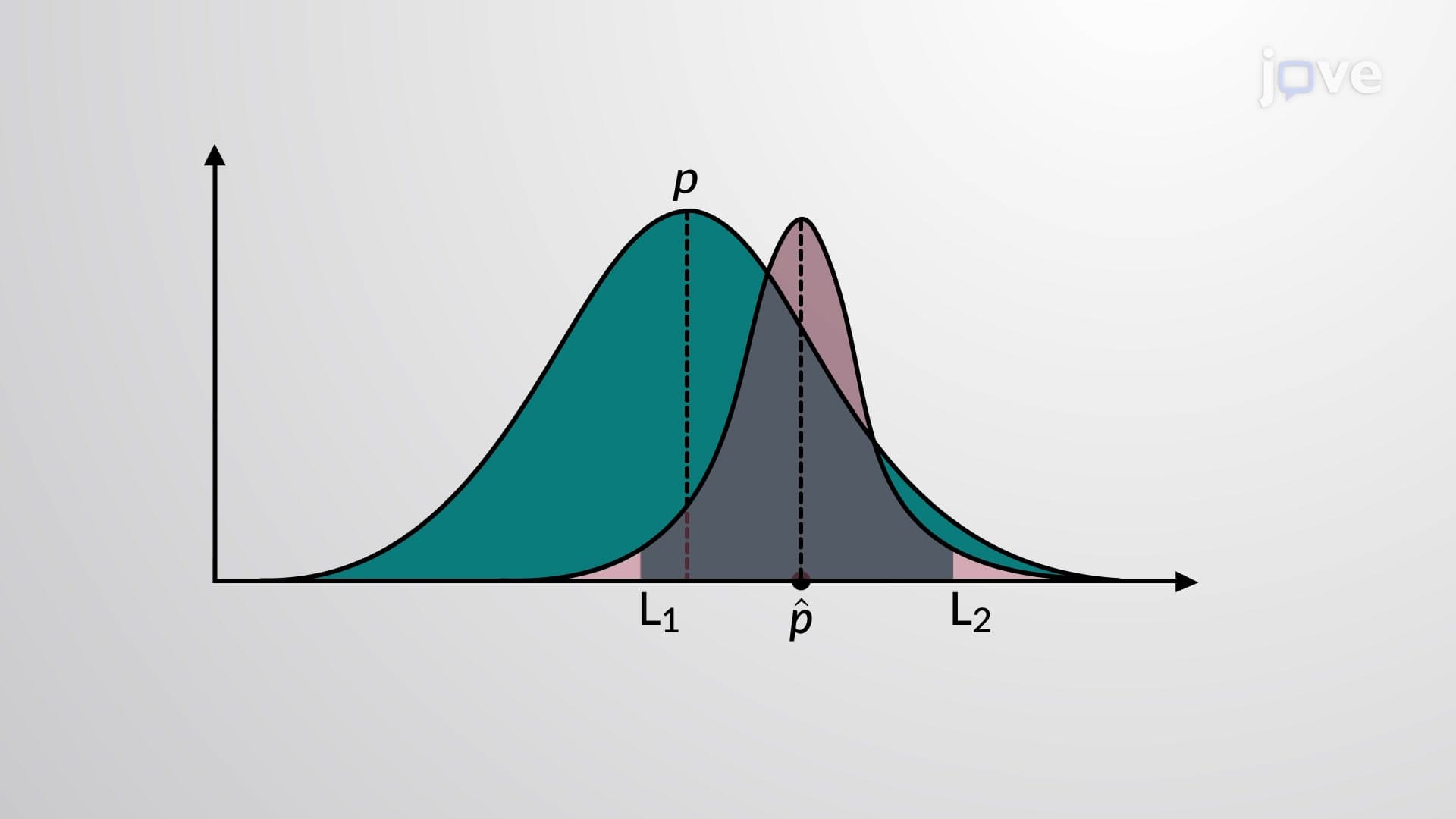

Video Summary: What Is Margin of Error
Did you know that when CNN reports "52% of voters support Candidate X with a ±3% margin of error," that tiny number determines whether the race is truly competitive or already decided? The margin of error quantifies how much a sample statistic might differ from the true population value due to random sampling variation. For example, if 1,200 registered voters across Texas were surveyed about healthcare policy preferences, the margin of error tells us the range where the actual population opinion likely falls. Watch the full video on JoVE Coach to master this concept with expert-led visuals and step-by-step explanations.
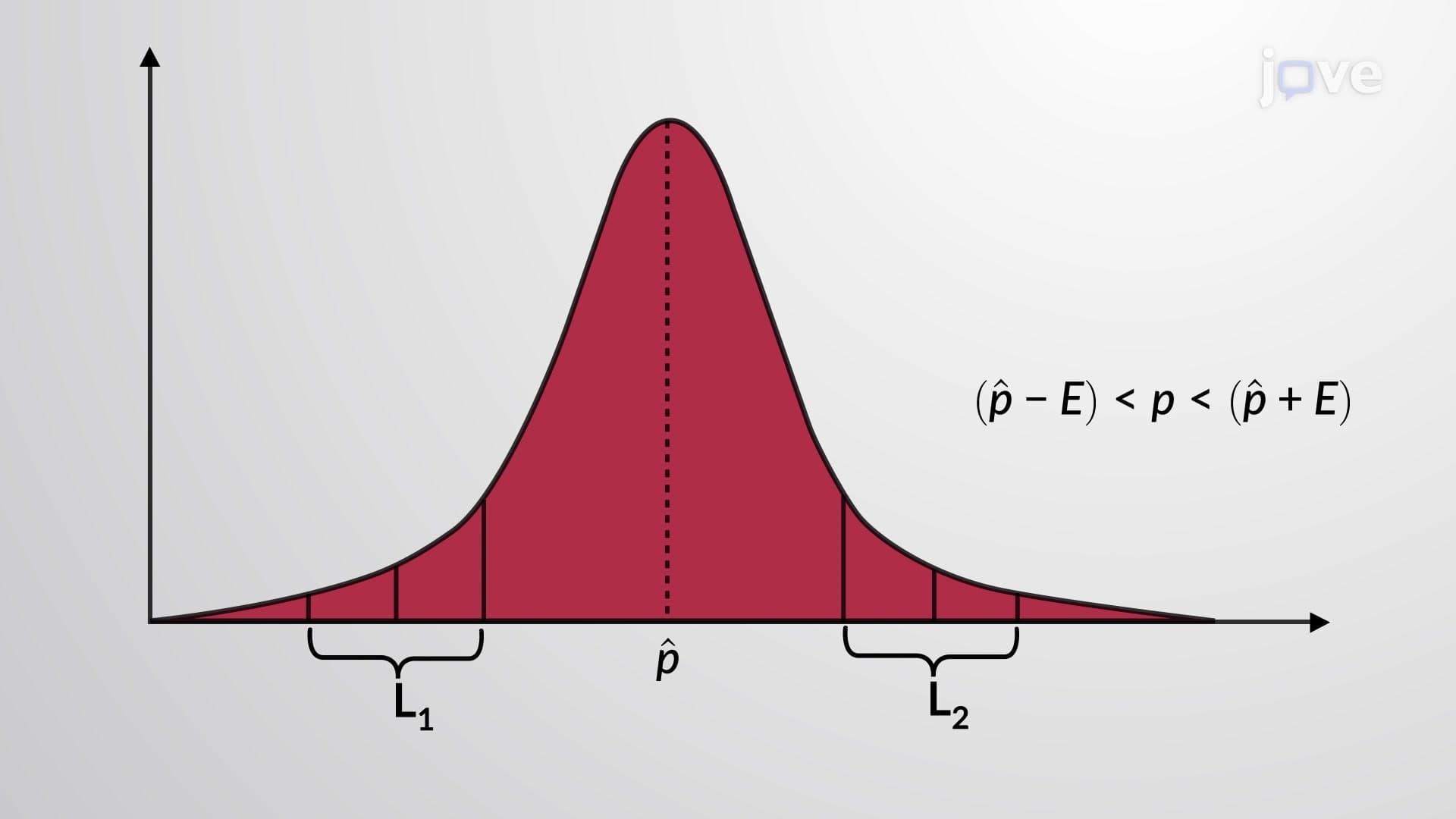
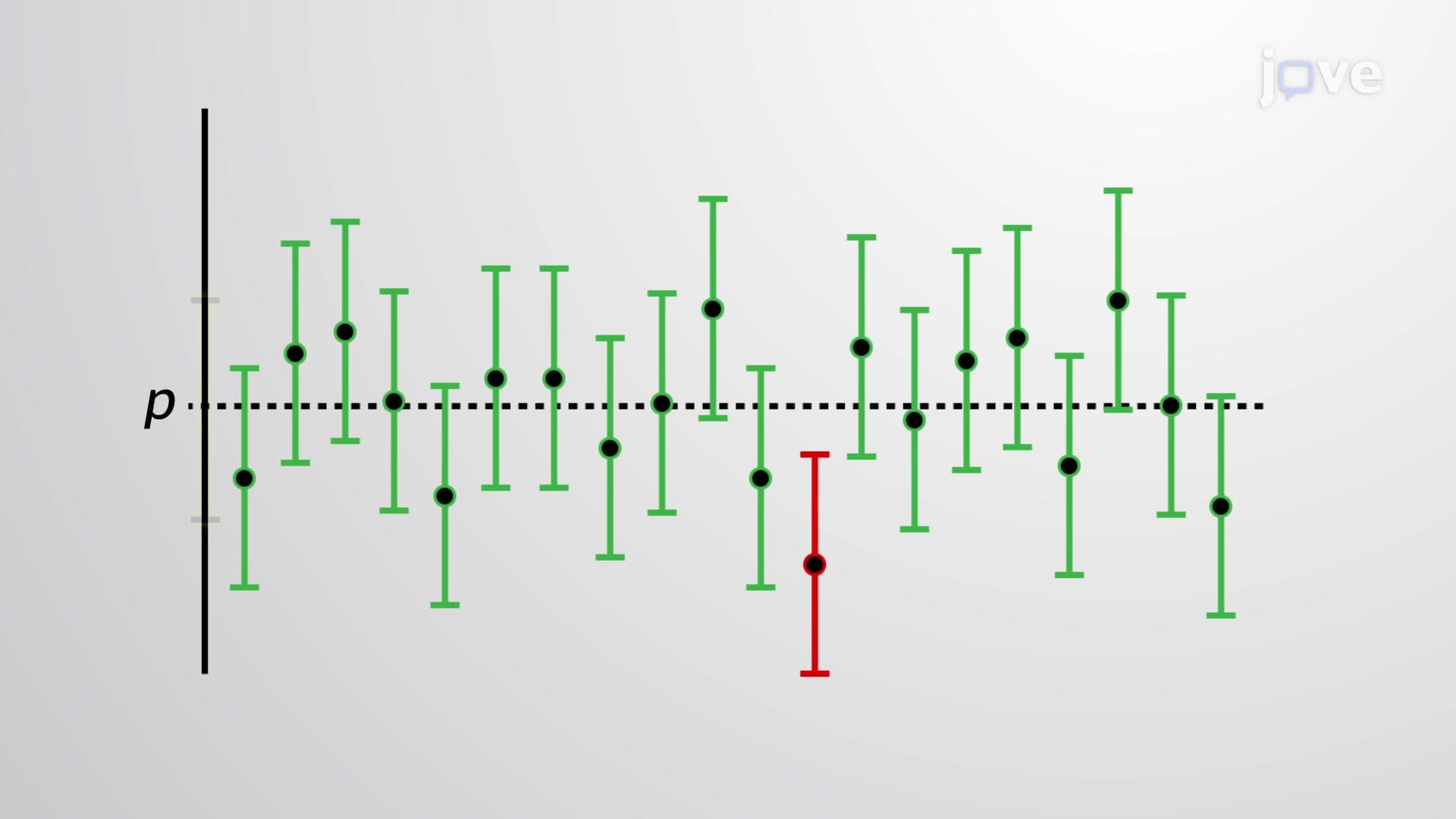
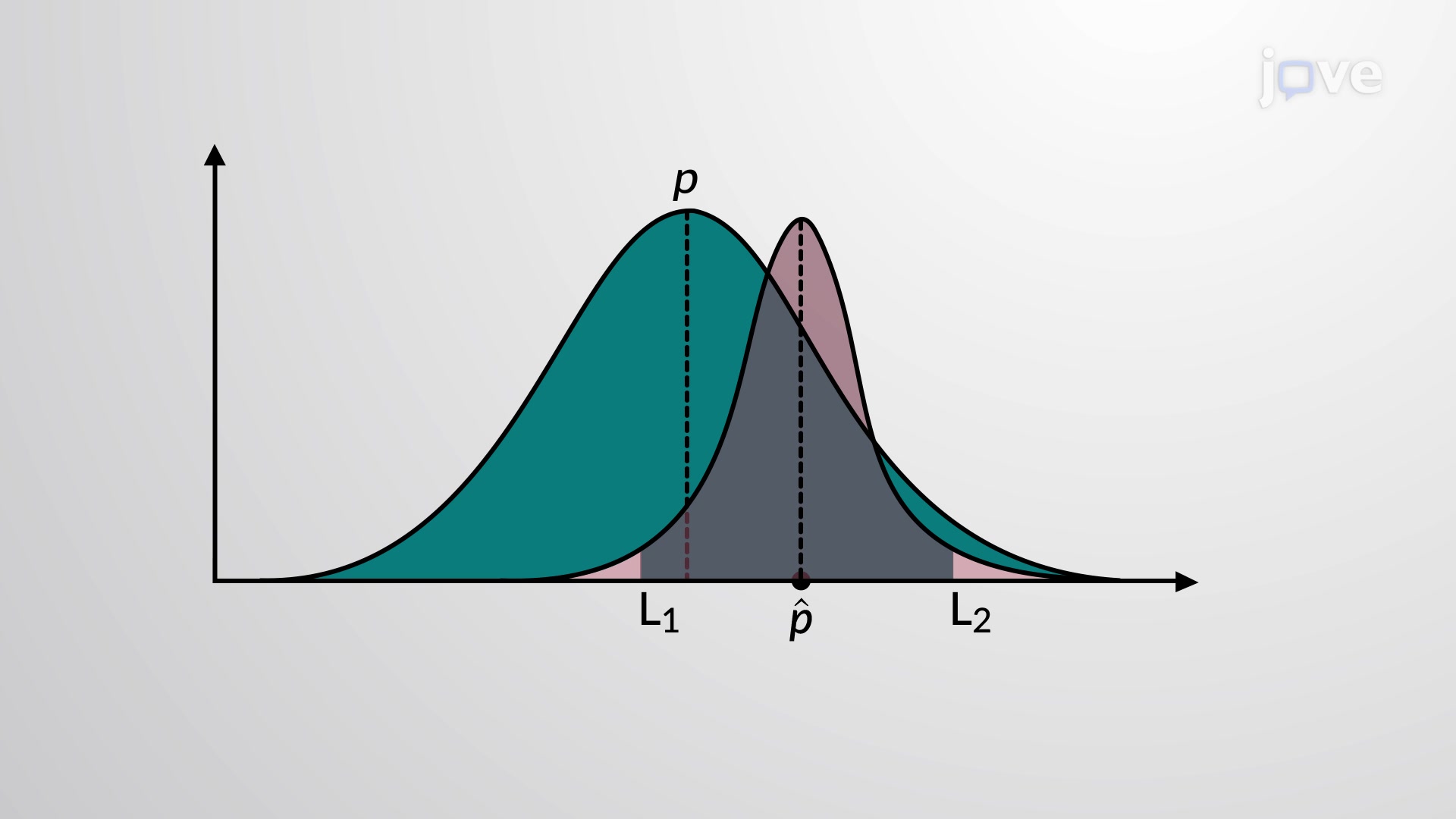
The margin of error represents the maximum expected difference between a sample statistic and the true population parameter, given a specific confidence level. Think of it as a "buffer zone" that accounts for the inherent uncertainty when we use a sample to estimate something about an entire population. This concept is fundamental in inferential statistics and appears frequently on AP Statistics exams, college statistics courses, and standardized tests like the MCAT.
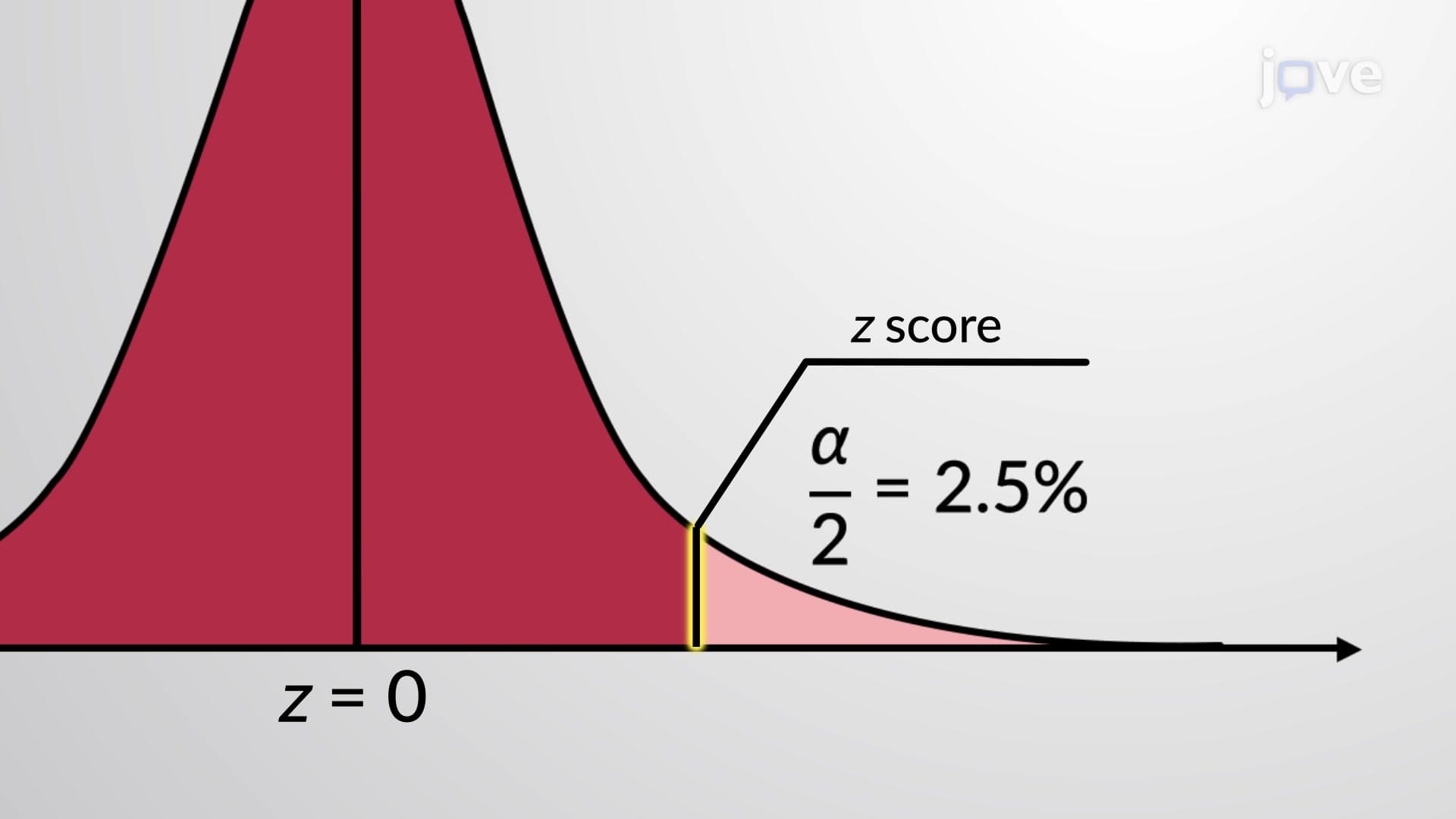
The margin of error for a population proportion follows the formula: E = z(α/2) × √[p̂(1-p̂)/n], where z(α/2) is the critical value, p̂ is the sample proportion, and n is the sample size. The critical value depends on your chosen confidence level-1.96 for 95% confidence, 1.645 for 90% confidence, and 2.576 for 99% confidence. For example, if a Gallup poll surveys 1,000 Americans about climate change concerns and finds 67% express worry, the 95% margin of error would be approximately ±2.9%.
Margin of error appears everywhere in American society. The U.S. Census Bureau uses it to report demographic estimates, pharmaceutical companies rely on it during FDA drug trials, and Nielsen ratings use it to measure television viewership. When the Bureau of Labor Statistics reports unemployment rates, the margin of error helps economists understand the precision of these critical economic indicators. A smaller margin of error indicates more precise estimates but typically requires larger, more expensive samples.
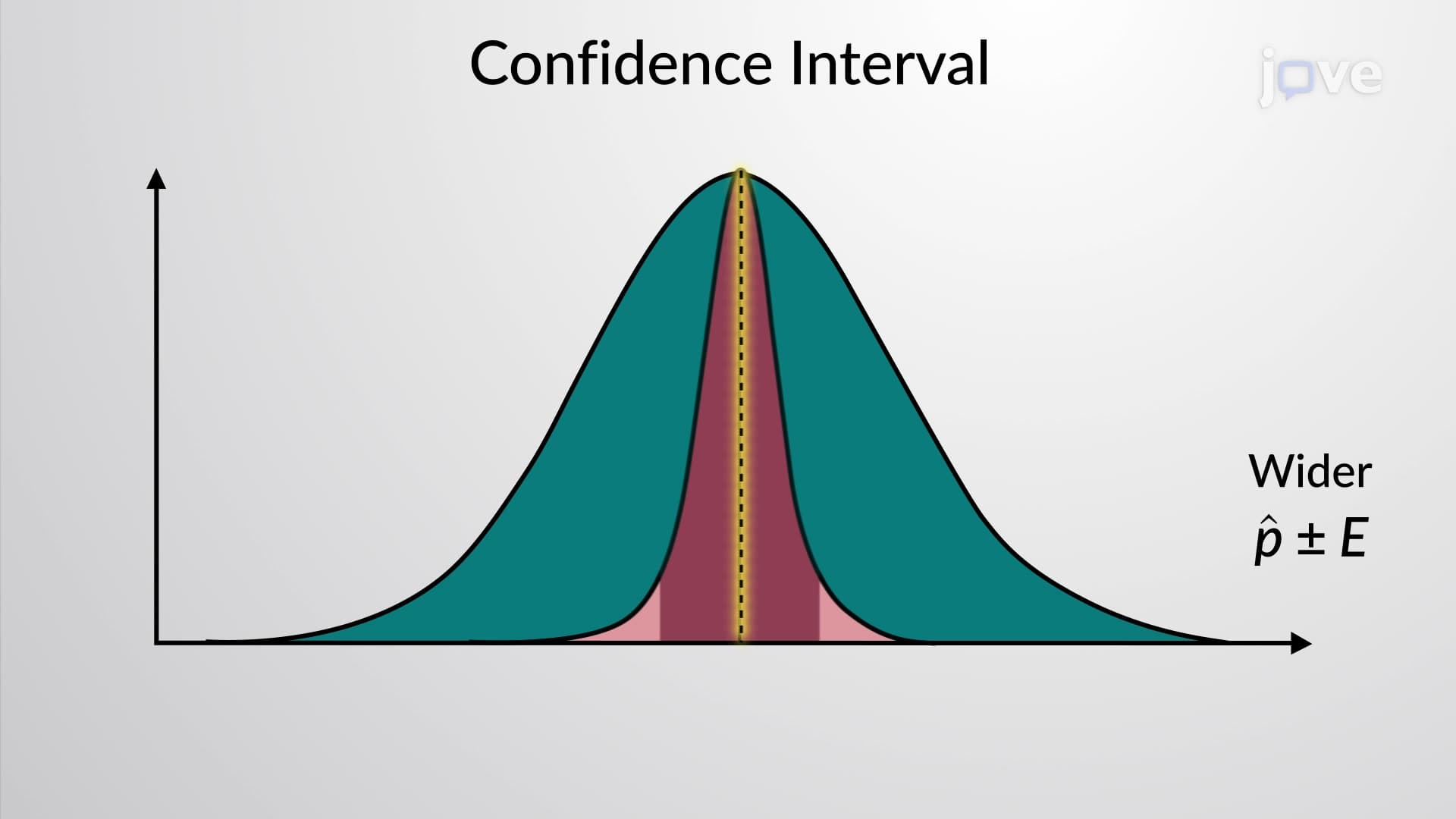
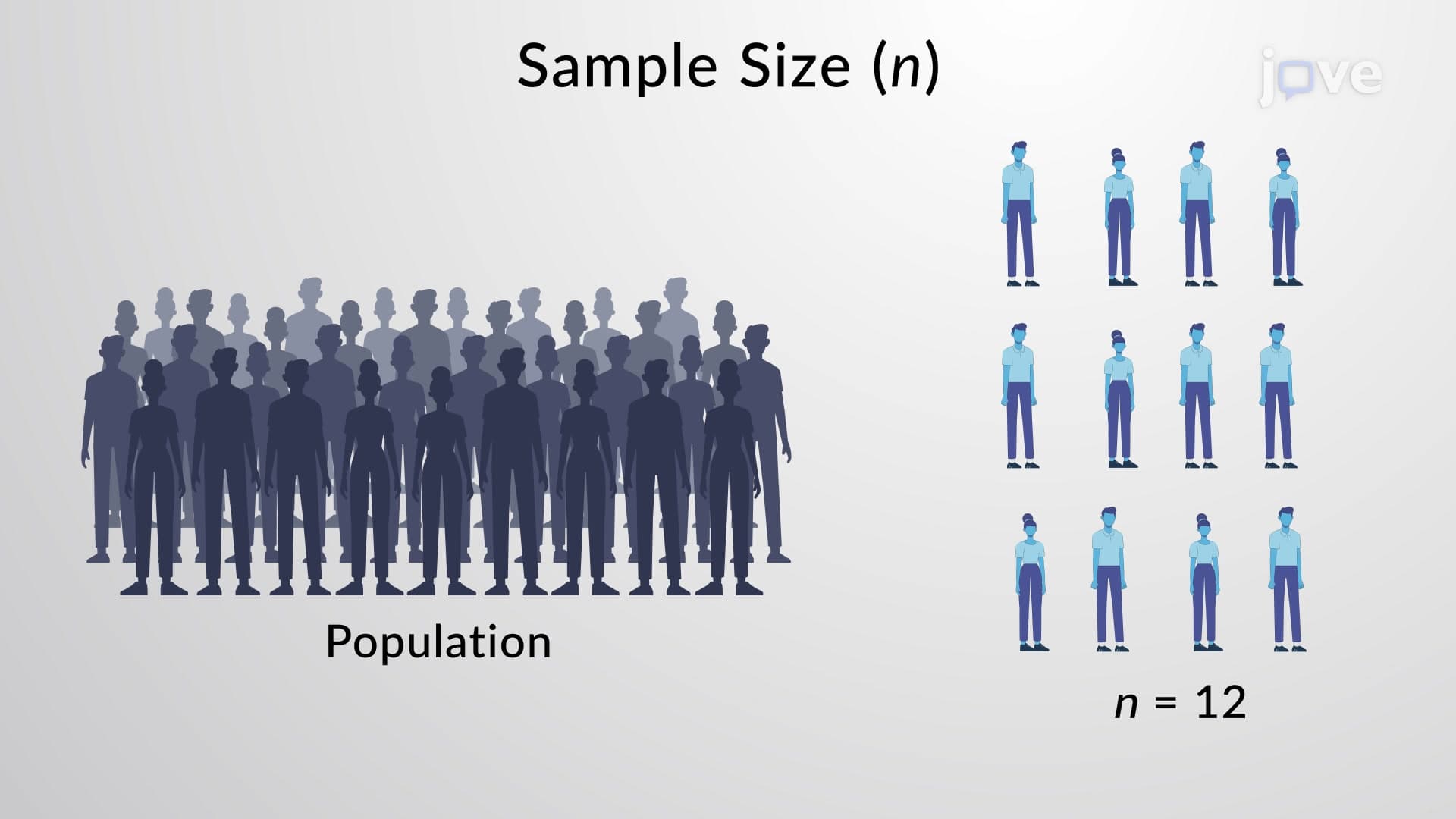
Three primary factors influence margin of error size. Sample size has an inverse square root relationship-quadrupling the sample size halves the margin of error. Confidence level increases margin of error; higher confidence requires wider intervals to capture the true parameter. Population variability also matters; when studying proportions, margins of error are largest when the true proportion is near 50% and smallest near 0% or 100%. Understanding these relationships helps students tackle AP Statistics free-response questions and college exam problems involving survey design and statistical inference.
Related Micro-courses