Nonparametric statistics provides powerful distribution-free methods for analyzing data when traditional parametric assumptions cannot be met. These rank-based statistical tests and nonparametric methods in statistics work with categorical data, small samples, and non-normal distributions commonly found in US research applications. JoVE Coach's comprehensive course covers essential tests like Mann-Whitney, Kruskal-Wallis, and Wilcoxon procedures used across medical, biological, and social science research.
Understand the fundamental principles of nonparametric statistics and when to apply distribution-free methods
Learn to perform sign tests for matched pairs, nominal data, and single population medians
Apply Wilcoxon signed-ranks tests for comparing related samples and testing population medians
Analyze differences between independent groups using Wilcoxon rank-sum and Mann-Whitney U tests
Explore advanced techniques including bootstrapping for small sample inference
Identify appropriate correlation methods using Spearman's rank and Kendall's tau coefficients
Understand multi-group comparisons with Kruskal-Wallis and Friedman's tests
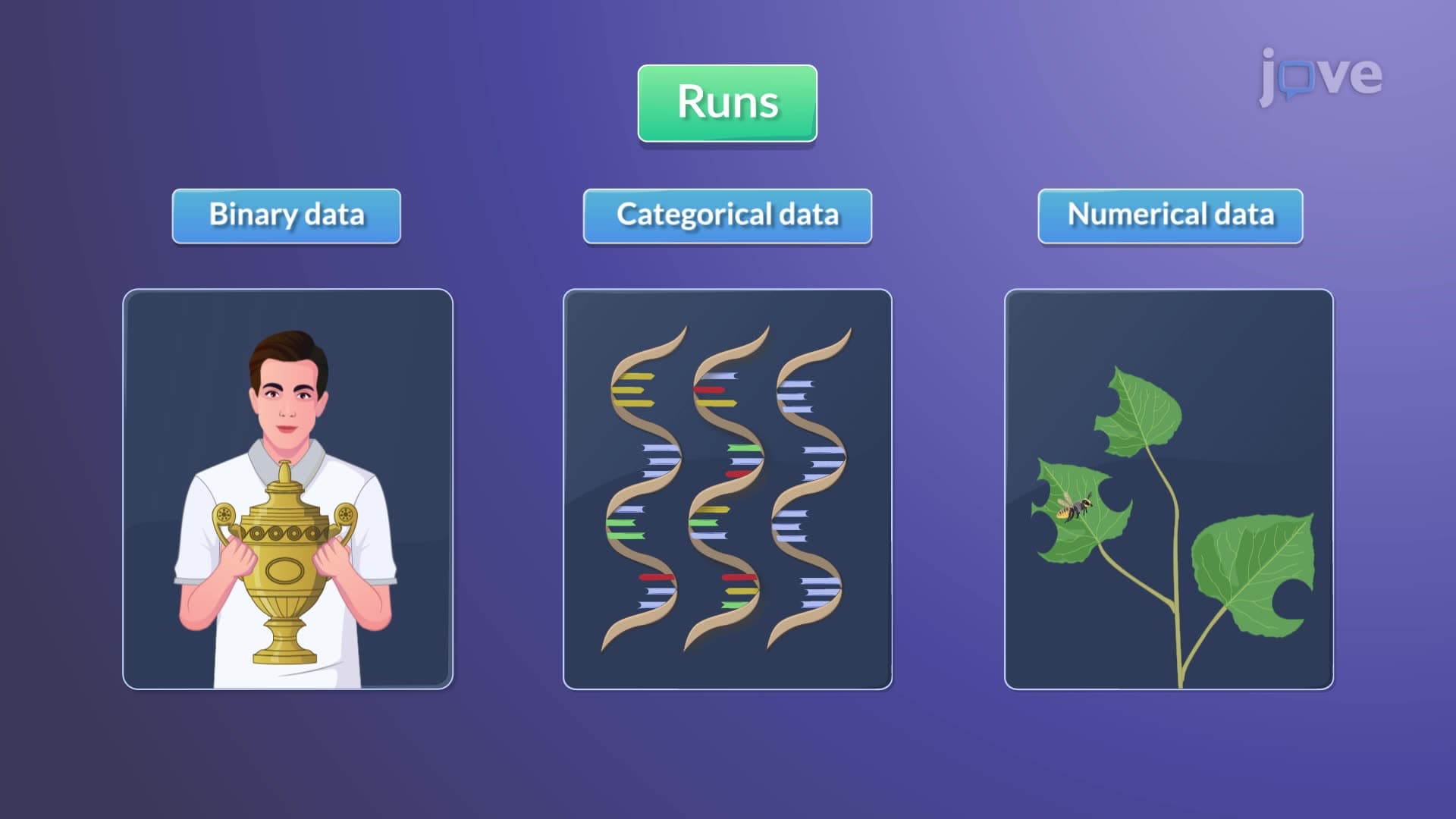
Apply specialized tests like Fisher's exact test, McNemar's test, and runs tests for specific research scenarios
1. Fundamentals of Nonparametric Methods
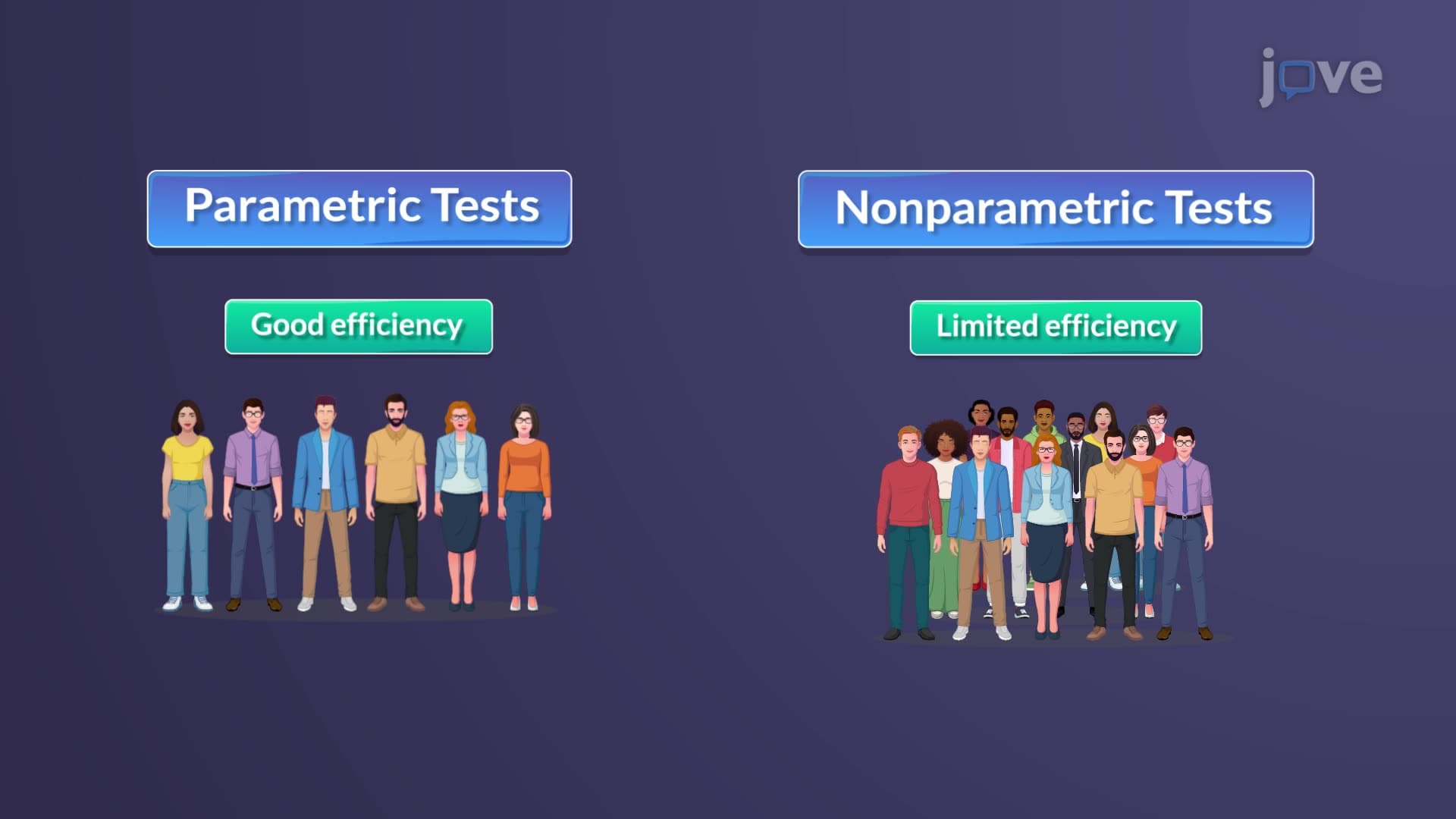
Nonparametric statistics offers distribution-free alternatives when data doesn't meet parametric test assumptions like normality. These methods convert quantitative data to ranks or signs, making them applicable to ordinal and nominal data. While generally less powerful than parametric tests (efficiency around 63%), they're invaluable for analyzing skewed distributions, small samples, or categorical variables. US applications include analyzing patient satisfaction surveys, examining income inequality data, and studying educational achievement across diverse populations where normal distribution assumptions are violated.
2. Sign Tests and Basic Nonparametric Inference
The sign test represents the simplest nonparametric approach, converting data to positive and negative signs based on directional differences. Applications include testing median claims for single populations, analyzing matched pairs in before-after studies, and examining preferences in nominal data. US examples encompass clinical trials comparing pre-post treatment effects, consumer preference studies between competing products, and educational research examining test score improvements. The method works particularly well with small samples and doesn't require specific distributional assumptions.
3. Wilcoxon Tests for Ranked Data Analysis
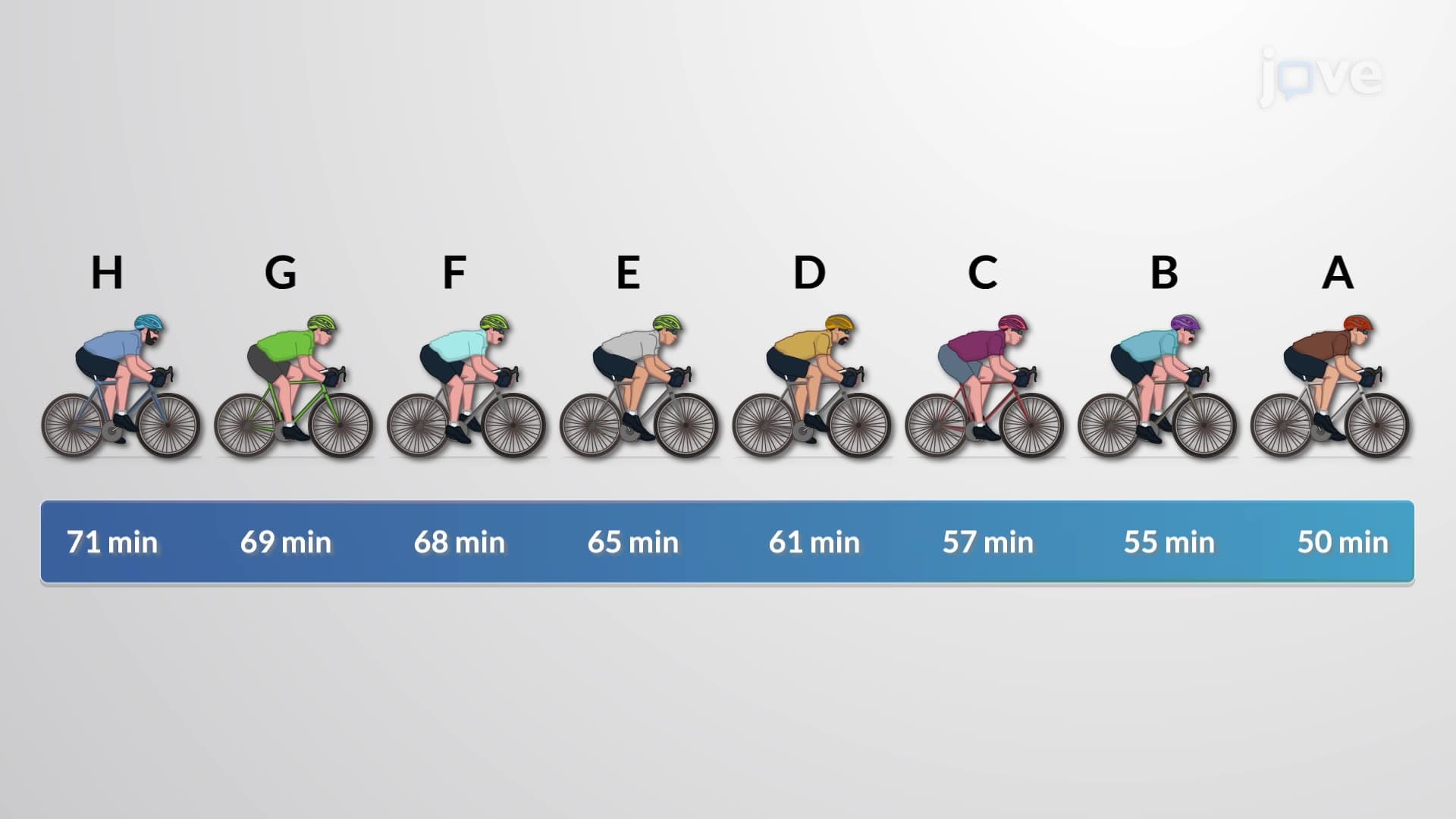
Wilcoxon procedures utilize both rank information and directional signs, providing more statistical power than simple sign tests. The signed-ranks test compares matched pairs or tests single-population medians, while the rank-sum test (Mann-Whitney U) compares two independent groups. These tests are extensively used in US medical research for comparing treatment efficacy, psychological studies examining behavioral interventions, and environmental science applications analyzing pollution levels across different locations or time periods.
4. Correlation and Association Measures
Spearman's rank correlation and Kendall's tau measure monotonic relationships without requiring linear associations or normal distributions. These methods excel when analyzing ordinal variables or when relationships aren't strictly linear. US applications include examining correlations between socioeconomic status rankings and educational outcomes, analyzing relationships between hospital quality ratings and patient satisfaction scores, or studying associations between environmental factors and species abundance rankings in ecological research.
5. Multi-Group Comparisons and Advanced Applications
Advanced nonparametric methods address complex research designs involving multiple groups or repeated measures. The Kruskal-Wallis test serves as a nonparametric alternative to one-way ANOVA, while Friedman's test handles repeated measures designs. Specialized procedures like Fisher's exact test, McNemar's test, and Cochran's Q test address specific contingency table situations. These methods are crucial in US clinical research comparing multiple treatment arms, educational studies examining achievement across different teaching methods, and marketing research analyzing consumer responses across various demographic groups.
Frequently Asked Questions
Use nonparametric methods when your data violates parametric assumptions: non-normal distributions, small sample sizes (typically n<30), ordinal or nominal variables, or extreme outliers. They're also preferred when you can't verify normality assumptions or when dealing with ranked data like survey responses or competitive rankings.
The AP Statistics exam includes nonparametric methods in inference topics, particularly chi-square tests for categorical data. Understanding when to apply distribution-free methods demonstrates statistical reasoning skills that AP graders value. Focus on knowing when parametric assumptions fail and which nonparametric alternative to choose.
MCAT Psychological, Social, and Biological Foundations sections test statistical reasoning with research studies. Nonparametric methods frequently appear in passages analyzing behavioral research, clinical trials, or demographic studies where normal distribution assumptions aren't met. Understanding these concepts helps interpret study validity and conclusions.
Not necessarily. While parametric tests are more efficient when their assumptions are met (requiring fewer observations), nonparametric tests can be more powerful when assumptions are violated. With severely skewed data or outliers, nonparametric methods often provide more reliable results than parametric tests applied inappropriately.
Create a decision tree linking data types to appropriate tests: matched pairs→Wilcoxon signed-ranks, independent groups→Mann-Whitney, multiple groups→Kruskal-Wallis, nominal contingency tables→Fisher's exact test. Practice with real datasets from your field of interest to reinforce when each method applies.
Medical data often involves small sample sizes, skewed distributions (like treatment response times), ordinal scales (pain ratings, quality of life scores), and categorical outcomes (survival/death, improvement/no improvement). These characteristics make nonparametric methods more appropriate and reliable than parametric alternatives that assume normal distributions.
Bootstrapping provides a computer-intensive approach to estimate sampling distributions without distributional assumptions. It's particularly valuable with small samples or complex statistics where traditional methods fail. Modern statistical software makes bootstrapping accessible, allowing researchers to obtain confidence intervals and hypothesis tests for virtually any statistic using resampling techniques.
This microcourse includes 22 concept videos that walk you through the building blocks of Statistics. Each video is short, about 1 minute, so you can cover a full topic during a coffee break or between classes. The full sequence starts with Introduction to Nonparametric Statistics and ends with Kendall's Coefficient of Concordance.