Loading video…


 22 Concepts
 13.3K views

Video Summary: What Is Wilcoxon Rank Sum Test
Ever wondered how medical researchers compare the effectiveness of two different pain medications when patient responses don't follow normal patterns? The Wilcoxon rank sum test provides the answer by comparing medians between two independent groups without assuming normal distribution. This nonparametric statistical method, also called the Mann-Whitney U test, is widely used in clinical trials across US healthcare institutions to analyze everything from drug efficacy to patient recovery times. Watch the full video on JoVE Coach to master this concept with expert-led visuals and step-by-step explanations.
The Wilcoxon rank sum test serves as a powerful nonparametric alternative to the two-sample t-test when data doesn't meet normality assumptions. Unlike parametric tests that analyze means, this method compares population medians by examining the distribution of ranks across two independent samples. This approach proves invaluable in real-world scenarios where data may be skewed, contain outliers, or represent ordinal measurements that don't follow normal distributions.
US medical schools frequently teach this concept in biostatistics courses, while psychology programs at universities like Stanford and UCLA emphasize its application in behavioral research. Students preparing for the MCAT encounter this test in their statistics review sections, as it represents fundamental knowledge for evidence-based medicine.
The test applies specifically to two independent simple random samples that may have equal or unequal sizes. Consider a practical example from US healthcare: comparing patient satisfaction scores between two hospital emergency departments. Traditional t-tests assume normal distribution, but patient satisfaction often shows skewed patterns with ceiling effects.
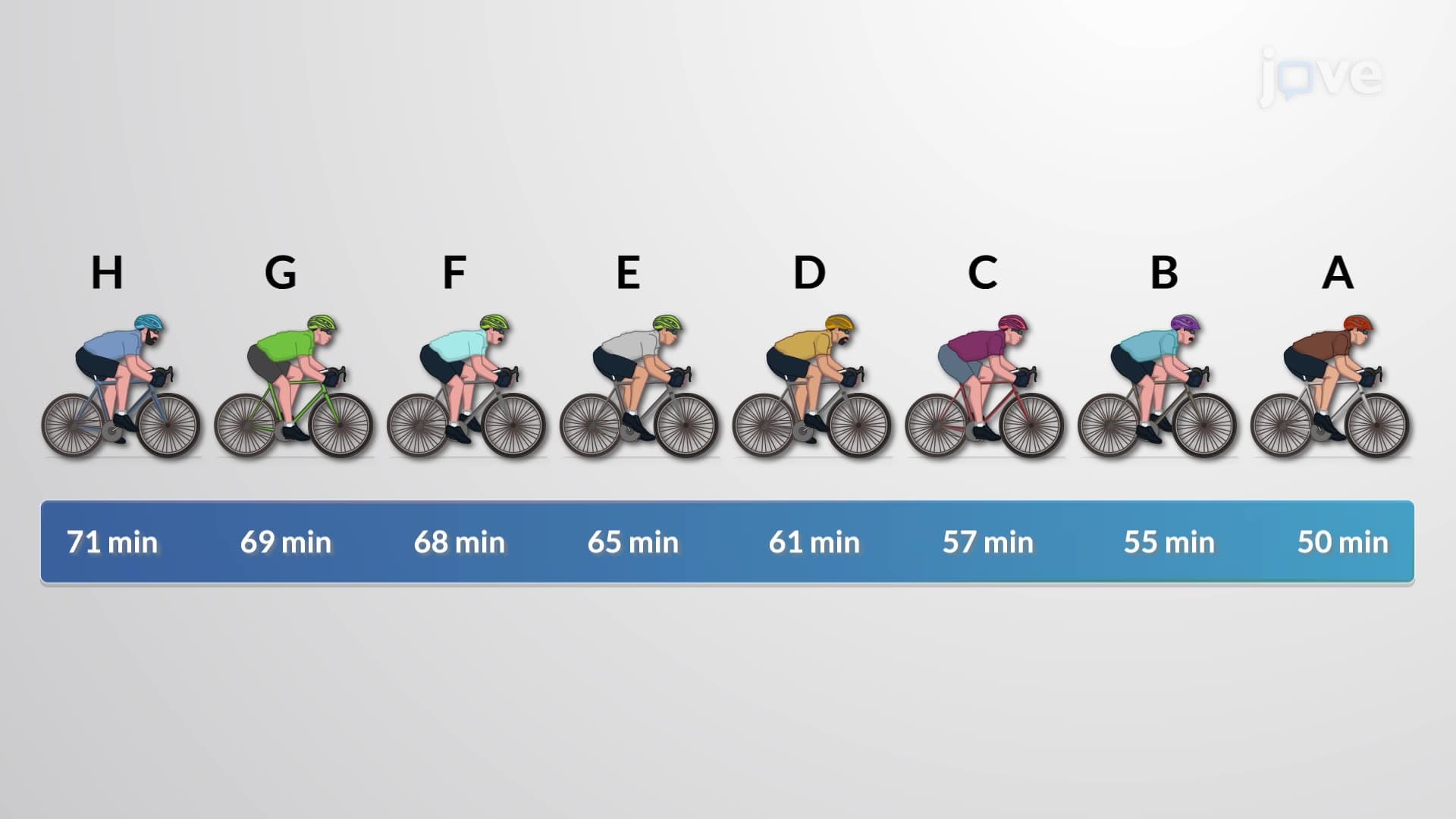
The Wilcoxon rank sum test definition centers on ranking all observations from both samples as if they formed a single dataset, then calculating separate rank sums for each original group. When one group consistently receives higher or lower ranks than expected by chance, this suggests meaningful median differences between populations.
The methodology involves several systematic steps that students encounter on AP Statistics exams and college-level statistics courses. First, researchers establish null and alternative hypotheses-typically that population medians are equal versus unequal. Next, all observations receive ranks from lowest to highest, treating ties by assigning average ranks.
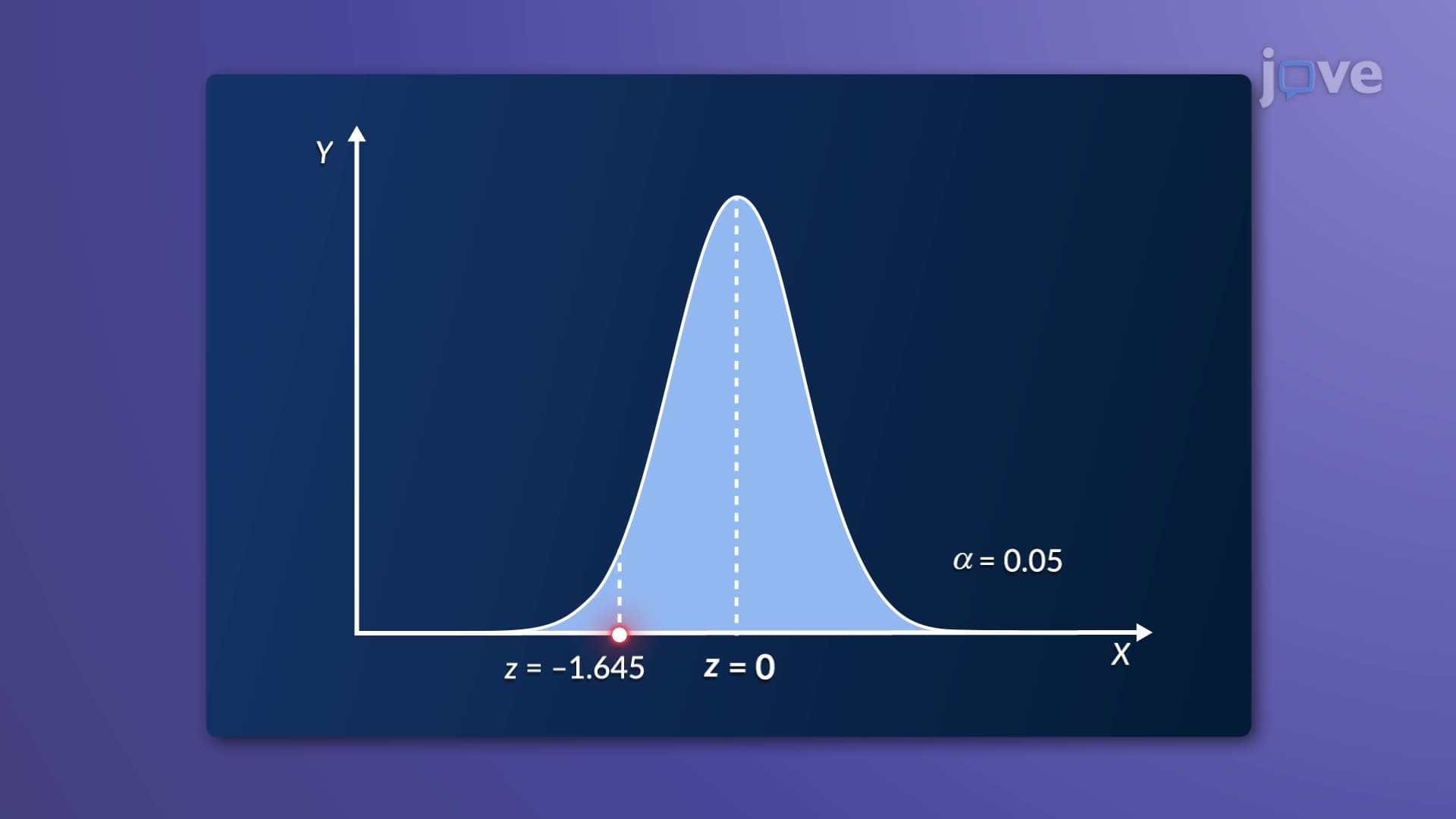
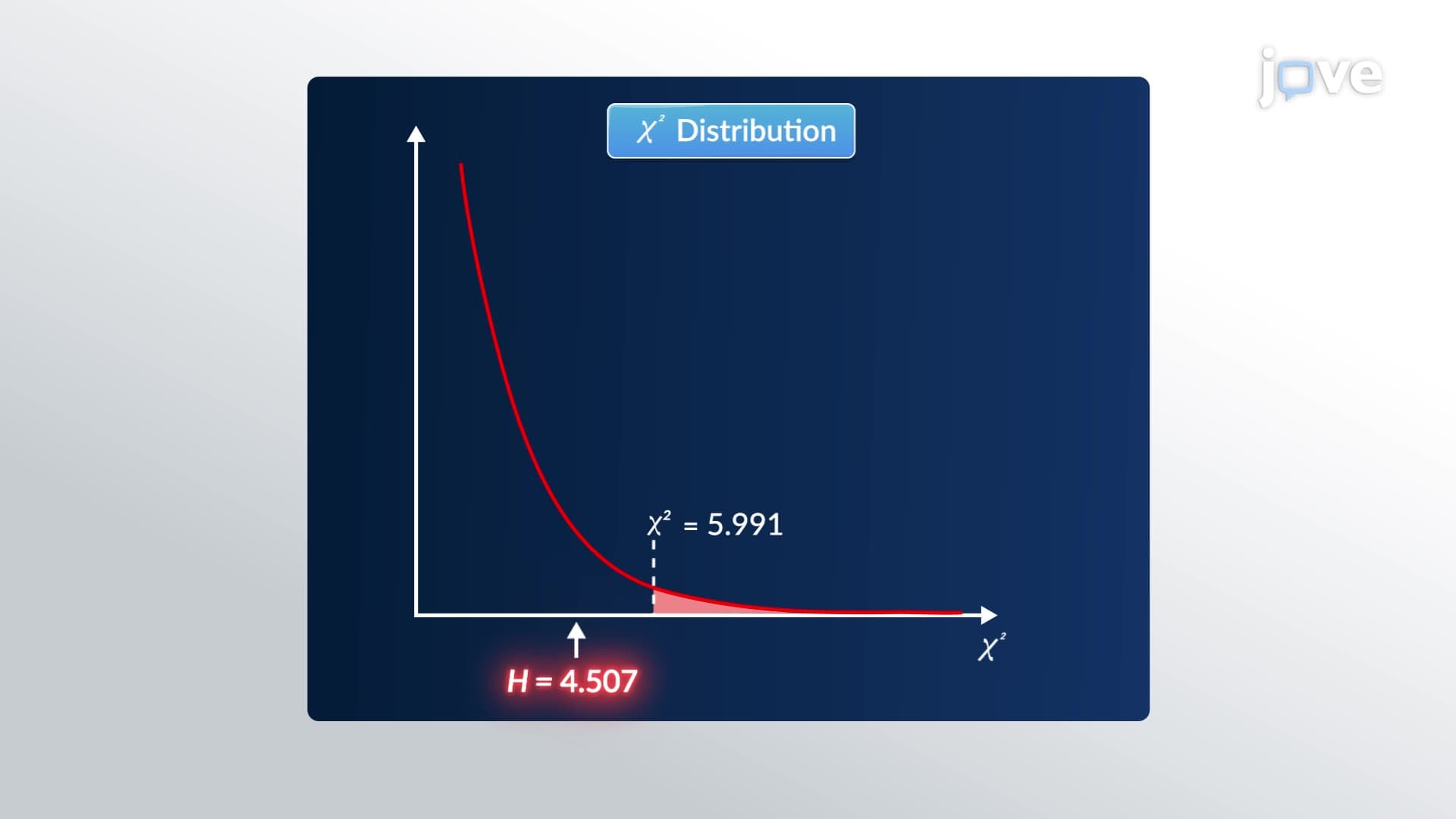
The test statistic calculation follows established formulas that compare observed rank sums to expected values under the null hypothesis. For larger samples (typically n > 20), the distribution approximates normality, allowing z-score calculations. Critical value comparisons at standard alpha levels (usually 0.05) determine statistical significance.
US pharmaceutical companies routinely employ this test during FDA drug approval processes. For instance, when comparing pain relief duration between a new medication and existing treatment, researchers might find that response times don't follow normal patterns due to individual metabolic differences. The Wilcoxon rank sum test provides robust analysis without requiring distribution assumptions.
Quality control departments in manufacturing industries also rely on this method. Companies like Boeing use it to compare component durability between different suppliers when failure times show non-normal patterns. This practical application demonstrates why engineering statistics courses at institutions like MIT and Georgia Tech emphasize nonparametric methods alongside traditional approaches.
Related Micro-courses