Loading video…


 22 Concepts
 13.3K views

Video Summary: What Is Kendalls Tau Test
Ever wonder how Netflix determines if user ratings actually correlate with critic scores? Kendall's tau test is a powerful statistical method that measures the strength of association between two ranked variables, even when the relationship isn't perfectly linear. Unlike other correlation tests, What is Kendall's Tau Test excels at detecting monotonic relationships in small sample sizes-making it invaluable for analyzing everything from college admissions rankings to consumer preference studies at major US retailers like Amazon. Watch the full video on JoVE Coach to master this concept with expert-led visuals and step-by-step explanations.
Kendall's tau test represents a non-parametric statistical method designed to measure the strength and direction of association between two ranked variables. Unlike Pearson correlation, which assumes linear relationships and normal distributions, Kendall's tau test focuses on monotonic relationships-whether variables consistently increase or decrease together, regardless of the specific mathematical function governing their relationship.
This kendall's tau test definition centers on comparing concordant and discordant pairs within ranked data. A concordant pair occurs when both variables rank items in the same relative order, while discordant pairs show opposite ranking patterns. The test statistic tau ranges from -1 to +1, where values near +1 indicate strong positive association, values near -1 suggest strong negative association, and values near zero imply no meaningful relationship.
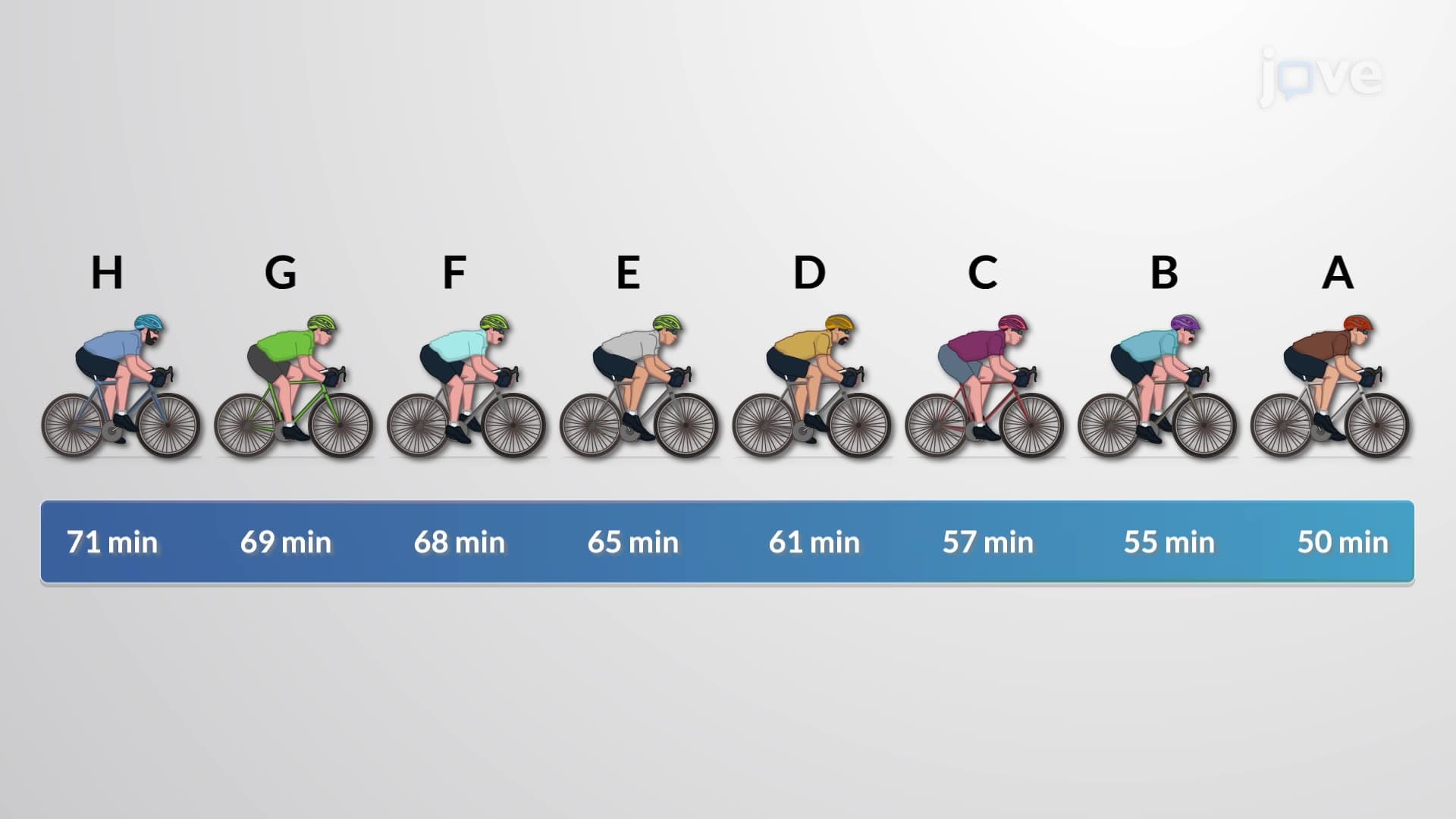
The kendall's tau test overview involves a systematic approach to data analysis. First, researchers arrange paired observations according to one variable's ranking order. Next, they count concordant and discordant pairs using the conventional method: for each rank position, count how many subsequent ranks are higher (concordant) or lower (discordant) than the current position.
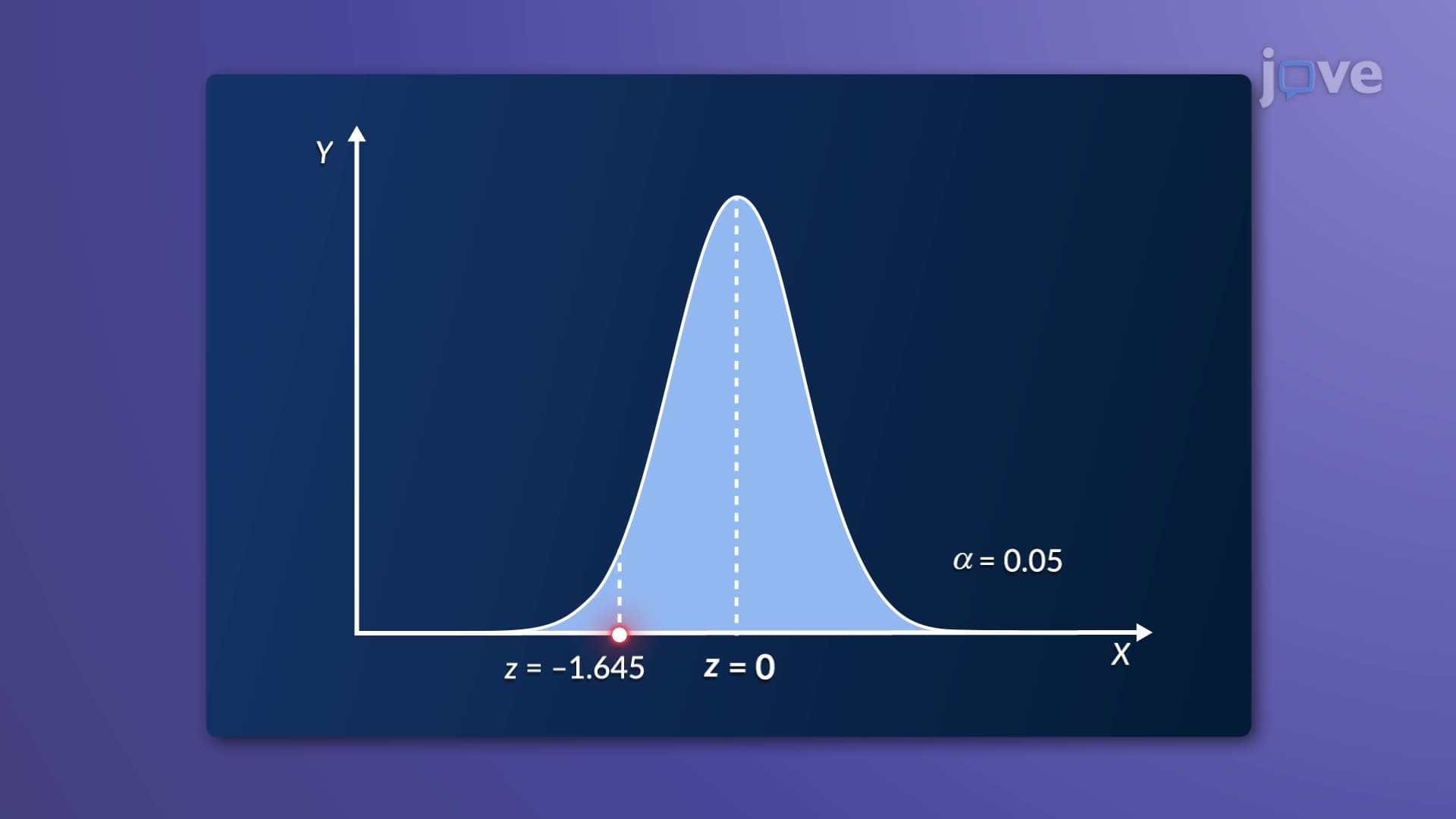
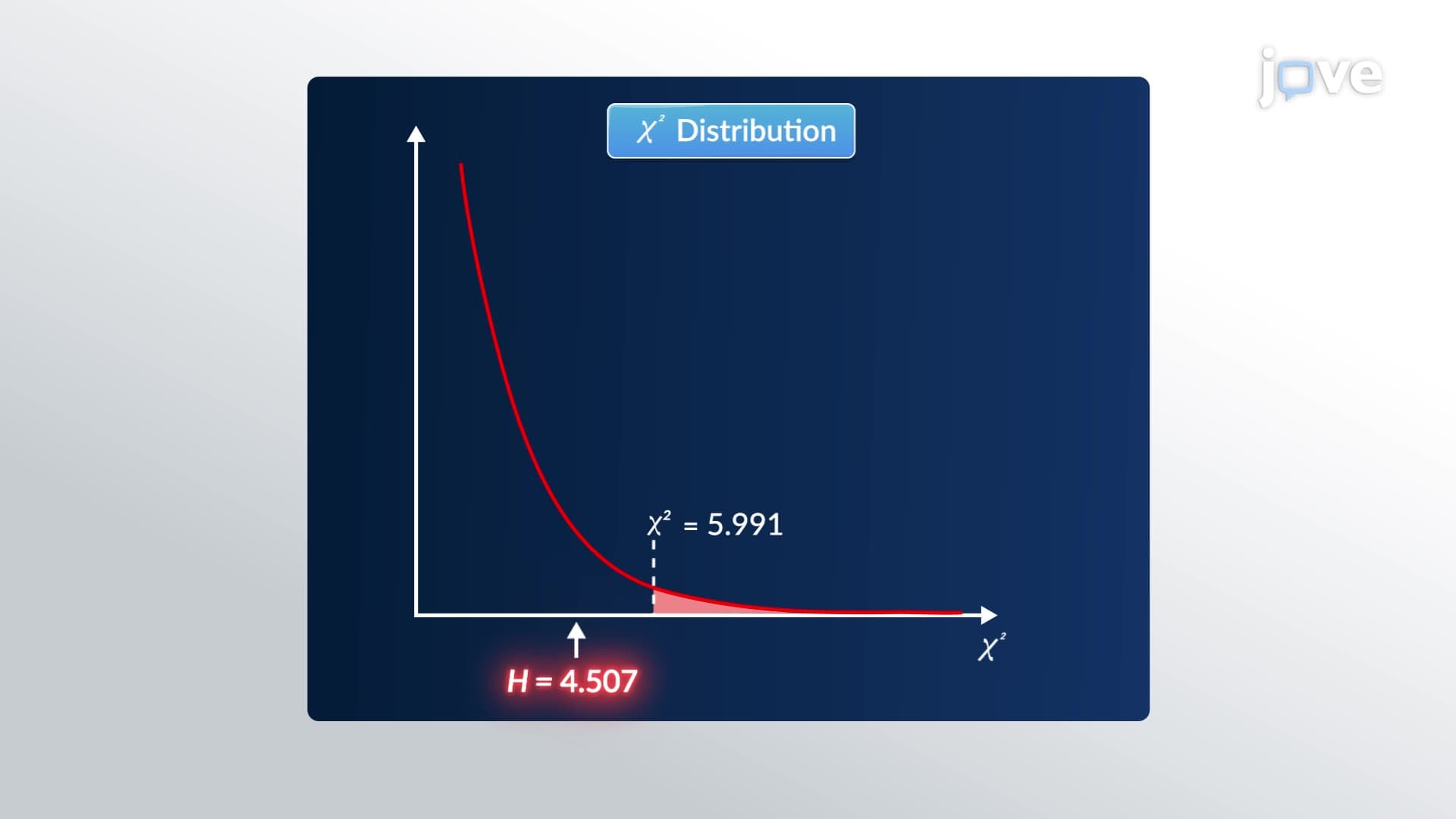
The tau statistic equals (C - D) / (0.5 × n × (n-1)), where C represents concordant pairs, D represents discordant pairs, and n equals sample size. This formula provides the foundation for determining statistical significance through computer-based tools or specialized statistical tables.
Understanding kendall's tau test proves essential for students preparing for AP Statistics exams, where non-parametric tests frequently appear in free-response questions. College undergraduates encounter this concept in introductory statistics courses, particularly when analyzing survey data or experimental results with ordinal measurements.
Professional applications span numerous fields: market researchers use Kendall's tau to analyze consumer preference rankings, quality control specialists apply it to evaluate inspector agreement in manufacturing settings, and educational assessment professionals employ it to validate ranking-based evaluation systems. For instance, university admissions offices might use Kendall's tau to assess correlation between faculty rankings and standardized test performance among applicants.
This kendall's tau test study guide emphasizes optimal usage scenarios. Choose Kendall's tau when working with small sample sizes (typically n < 30), ordinal data, or when concerned about outliers affecting results. The test performs exceptionally well with tied rankings and provides more conservative estimates than Spearman's rank correlation, making it valuable for rigorous scientific analysis where Type I error control is paramount.
Related Micro-courses