Loading video…


 22 Concepts
 13.3K views

Video Summary: What Is Mcnemars Test
Did you know that researchers at the CDC use a special statistical test to determine if a new vaccine changes people's immune responses over time? McNemar's test is a powerful statistical method used to analyze paired categorical data in 2x2 contingency tables, particularly when the same subjects are measured twice under different conditions. For instance, medical researchers might use this test to compare patient symptoms before and after treatment in clinical trials across major US hospitals. Watch the full video on JoVE Coach to master this concept with expert-led visuals and step-by-explanations.
McNemar's test serves as a specialized statistical procedure designed for analyzing paired categorical data arranged in 2x2 contingency tables. Unlike standard chi-square tests that examine independence between variables, McNemar's test specifically evaluates whether there's a significant change in proportions when the same subjects are measured under two different conditions or time points.
This test represents a special case of randomized block design where each individual serves as their own control, eliminating between-subject variability that could confound results. The paired nature makes it particularly valuable in before-after studies, matched-pair designs, and repeated measures scenarios common in medical and behavioral research.
The null hypothesis in McNemar's test states that the marginal probabilities of success are equal across both measurements: P(success in condition 1) = P(success in condition 2). Mathematically, this translates to testing whether the proportion of subjects changing from negative to positive equals the proportion changing from positive to negative.
The test statistic follows a chi-square distribution with one degree of freedom, calculated using only the discordant pairs (those showing change between measurements). This focus on discordant pairs makes McNemar's test more sensitive to detecting actual changes than comparing independent groups.
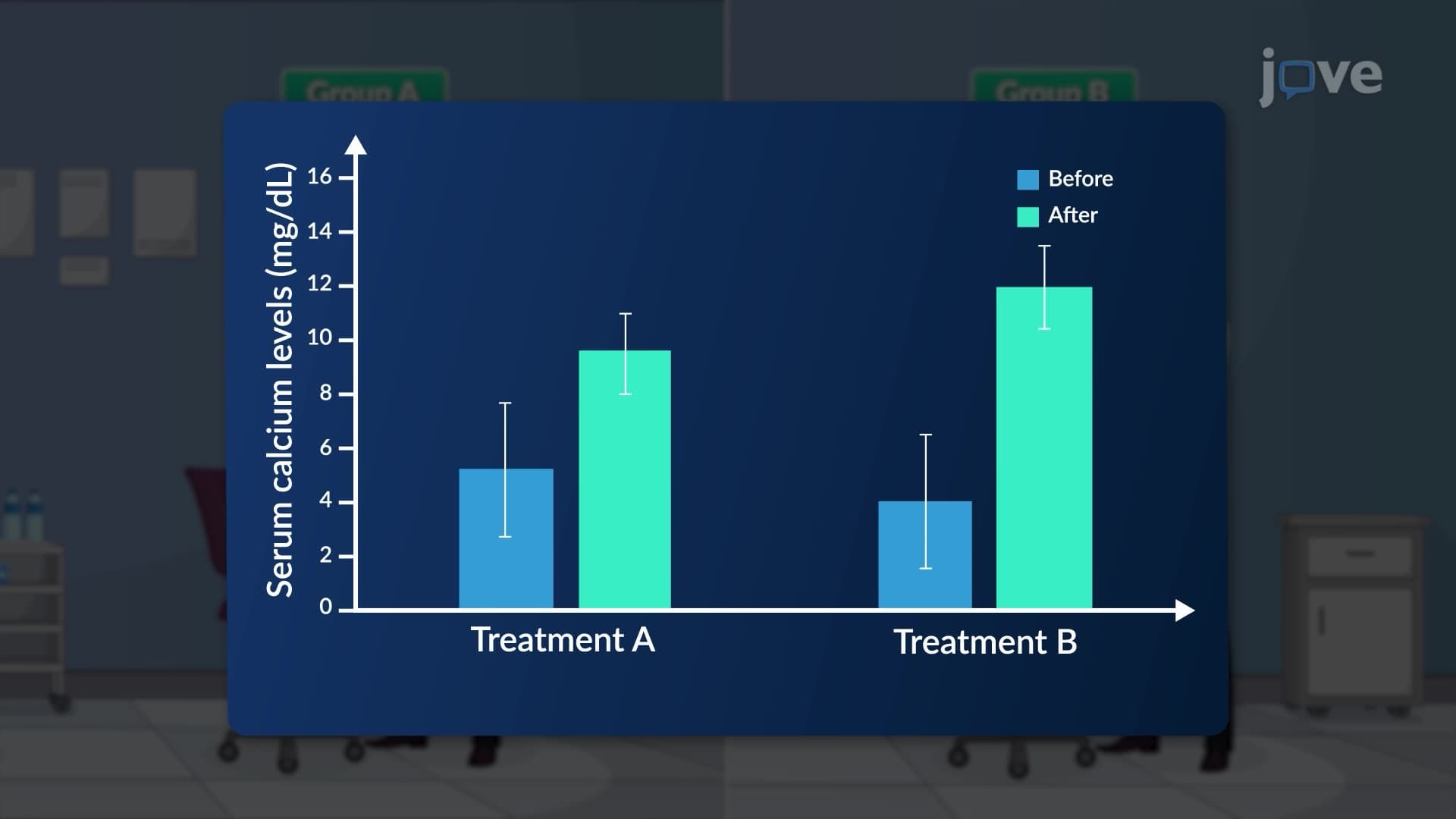
Medical researchers frequently employ McNemar's test in clinical trials. For example, researchers at Johns Hopkins might use it to evaluate whether a new antidepressant changes patients' response rates by comparing symptoms before and after treatment in the same individuals. The FDA often requires such paired analyses in drug approval processes.
In educational research, McNemar's test helps evaluate intervention effectiveness. A study at UCLA might test whether a new teaching method improves student performance by comparing pass/fail rates on standardized tests before and after implementing the intervention.
Students preparing for the MCAT will encounter McNemar's test in behavioral sciences sections, particularly when analyzing research design questions. AP Statistics students learn this concept when studying categorical data analysis and experimental design principles.
College statistics courses typically introduce McNemar's test after covering basic chi-square tests, emphasizing its unique application to dependent samples. Understanding when to use McNemar's versus Pearson's chi-square test frequently appears on university midterm and final examinations.
Related Micro-courses