Loading video…


 22 Concepts
 13.3K views

Video Summary: Spearmans Rank Correlation Test
Ever wonder how researchers at the National Zoo measure the relationship between variables that can't be precisely quantified, like animal behavior rankings? Spearman's rank correlation test provides the answer by analyzing correlations between ranked data rather than raw measurements. This nonparametric statistical method proves invaluable when studying phenomena like the relationship between eggshell thickness rankings and hatching order in turtle conservation studies across US wildlife sanctuaries. Watch the full video on JoVE Coach to master this concept with expert-led visuals and step-by-step explanations.
Spearman's rank correlation test serves as a powerful nonparametric alternative to traditional correlation analysis, particularly valuable when dealing with ordinal data or when parametric assumptions cannot be met. Unlike Pearson correlation, which requires interval-level data and normal distributions, Spearman's method works exclusively with ranked positions, making it ideal for analyzing relationships between variables that resist precise numerical measurement.
The test operates on a deceptively simple principle: convert all data points to ranks, then measure how consistently these ranks move together. When one variable's ranks increase alongside another's, we observe positive correlation. Conversely, when ranks move in opposite directions, negative correlation emerges. This ranking approach eliminates the influence of extreme outliers and non-linear relationships that often compromise parametric tests.
Consider wildlife biologists studying endangered sea turtle populations along Florida's coast. Researchers cannot directly measure "hatching success quality" but can rank eggs from most to least successful. Similarly, while eggshell thickness provides precise measurements, ranking these thicknesses often reveals clearer patterns when correlated with hatching success rankings. The Spearman test excels in such scenarios where meaningful relationships exist but cannot be captured through traditional linear correlation.
Healthcare researchers frequently employ this method in clinical studies. For instance, medical professionals at Johns Hopkins might rank patient pain levels (subjective ordinal data) alongside medication dosage rankings to determine treatment effectiveness. The rank correlation reveals associations that raw pain scores might obscure due to individual variation in pain perception.
The test begins with establishing hypotheses: the null hypothesis (H₀) states no correlation exists between ranked variables, while the alternative hypothesis (H₁) suggests correlation presence. The sample statistic Rs estimates the population parameter ρs (rho-sub-s), calculated using the formula that accounts for rank differences between paired observations.
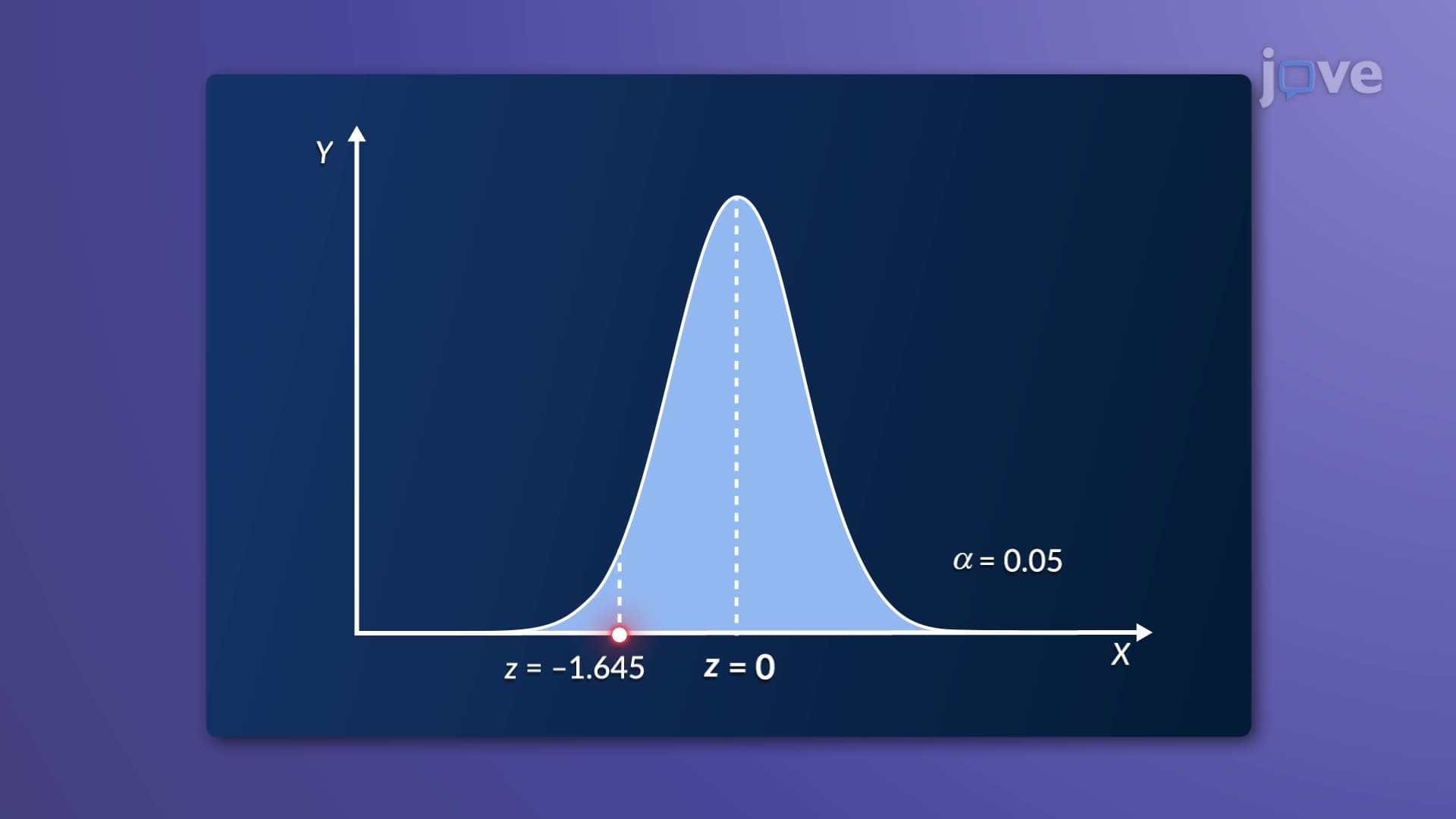
For samples exceeding 30 observations-common in college-level research projects-critical values follow established statistical tables. When the calculated Rs exceeds the critical threshold, researchers reject the null hypothesis, concluding that significant correlation exists between the ranked variables.
Students encounter Spearman's rank correlation across multiple academic contexts. AP Statistics courses emphasize this test's role in nonparametric analysis, while college-level biostatistics and psychology research methods courses demand deeper understanding. The MCAT frequently includes questions testing students' ability to distinguish when rank correlation proves more appropriate than Pearson correlation, particularly in experimental design scenarios.
Understanding this concept strengthens performance on standardized tests by demonstrating mastery of statistical reasoning beyond basic correlation concepts. Students who grasp when and why to apply nonparametric methods show advanced analytical thinking valued in competitive academic programs.
Related Micro-courses