Loading video…


 22 Concepts
 13.3K views

Video Summary: What Is Behrens Fisher Test
Did you know that comparing two groups with different variances requires a specialized statistical test that most students never learn about? The Behrens Fisher test addresses this exact challenge by assessing mean differences between two groups when their variances are unequal-a common scenario in real research. For instance, when comparing SAT prep methods between urban and rural schools, student score variability often differs dramatically between these populations. Unlike standard t-tests, this method uses a unique distribution to handle unequal variances effectively. Watch the full video on JoVE Coach to master this concept with expert-led visuals and step-by-step explanations.
The Behrens Fisher test represents a sophisticated solution to a common statistical challenge: comparing means between two groups when their variances differ substantially. This scenario violates a key assumption of the standard Student's t-test, which requires equal variances (homoscedasticity). Named after statisticians Walter Behrens and Ronald Fisher, this test provides reliable results when traditional approaches fail.
Consider comparing average test scores between students who received traditional instruction versus those using interactive technology. If the technology group shows much more variable performance (some excel dramatically while others struggle), the variances between groups become unequal. Standard t-tests assume equal variances, making their results unreliable or misleading. The Behrens Fisher test specifically addresses this heteroscedasticity problem, making it invaluable for real-world research where perfect experimental conditions rarely exist.
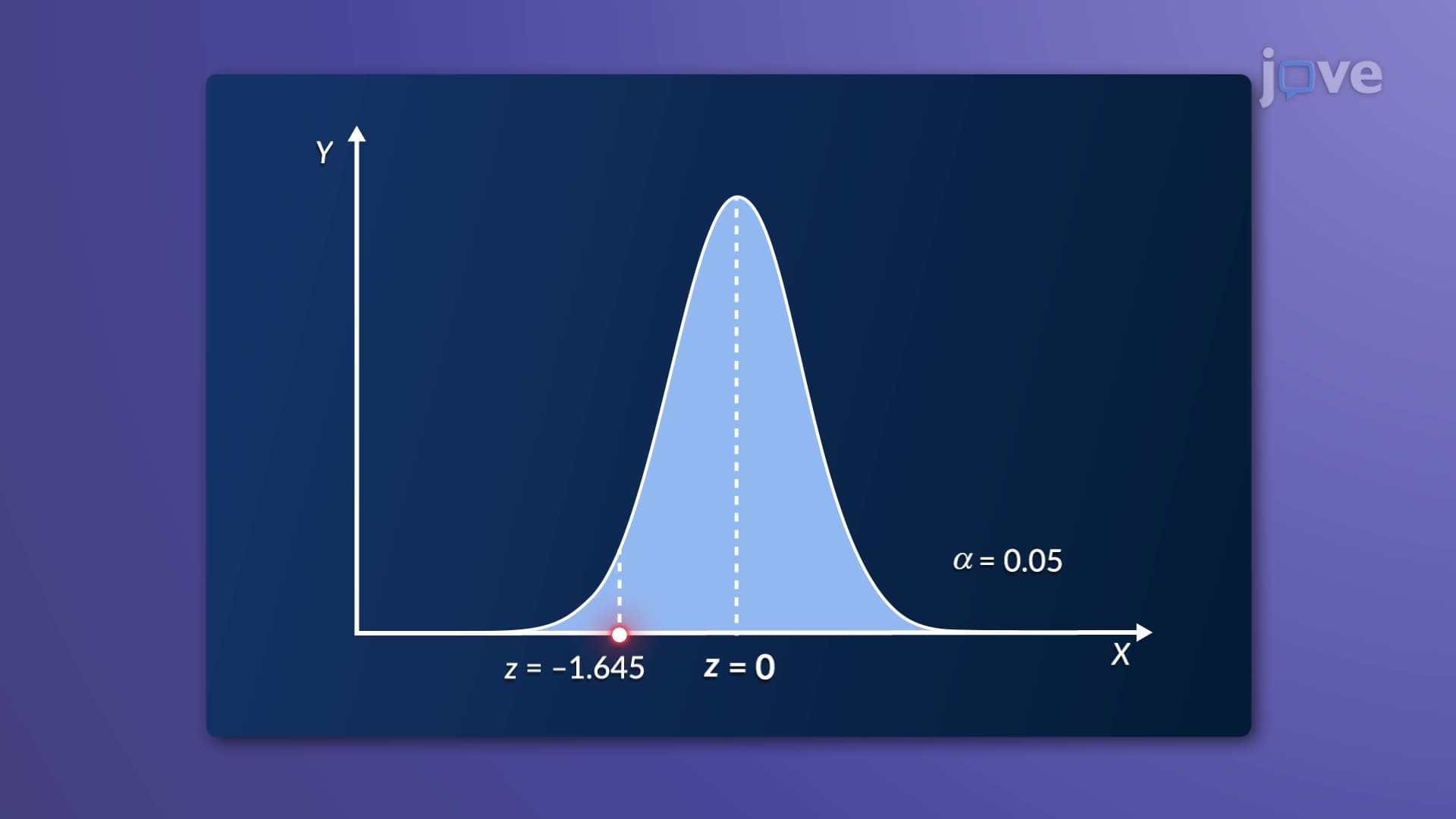
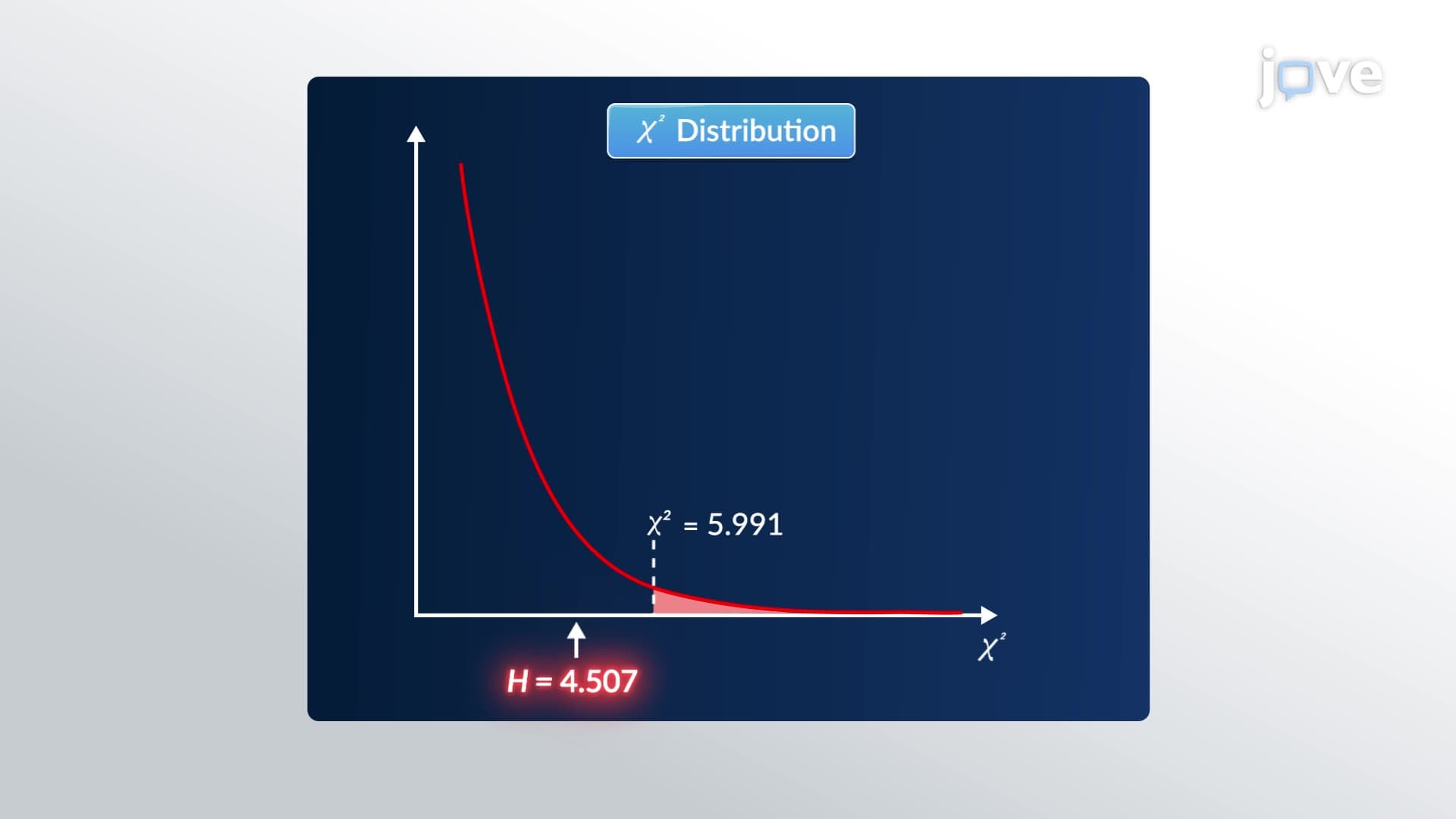
Unlike the familiar t-test that pools variances, the Behrens Fisher test calculates a modified test statistic using each group's variance independently. The critical innovation lies in its unique sampling distribution-neither a standard t-distribution nor a normal distribution. This special distribution accounts for the uncertainty introduced by unequal variances, providing more accurate probability assessments.
The test statistic formula incorporates the separate sample means, individual variances, and sample sizes without assuming equal population variances. Modern statistical software packages handle these complex calculations automatically, but understanding the underlying logic helps students appreciate why this test produces different results than simpler alternatives.
This concept frequently appears in AP Statistics courses, college-level biostatistics, and research methods classes. Students preparing for the MCAT encounter similar principles when analyzing experimental data with unequal group characteristics. In clinical research, pharmaceutical companies routinely face situations where treatment and control groups exhibit different response variabilities-exactly where the Behrens Fisher test proves essential.
The test's importance extends beyond academic exercises. Real research scenarios-from educational interventions to medical trials-often involve groups with naturally different variances, making this statistical tool crucial for valid scientific conclusions.
Related Micro-courses