Loading video…


 22 Concepts
 13.3K views

Video Summary: Kendalls Coefficient of Concordance Explained
Ever wonder how NASA scientists verify that multiple weather stations measuring atmospheric conditions provide consistent readings? Kendall's coefficient of concordance is a powerful nonparametric statistical test that measures agreement among ranked variables across different evaluators or measurement systems. This statistical tool helps researchers at institutions like the National Weather Service assess whether multiple meteorologists rank storm intensity consistently. Kendall's Coefficient of Concordance Explained demonstrates how this measure ranges from 0 (completely random rankings) to 1 (perfect agreement), making it essential for validating research reliability. Watch the full video on JoVE Coach to master this concept with expert-led visuals and step-by-step explanations.
Kendall's coefficient of concordance (W) serves as a crucial statistical tool for measuring agreement among multiple sets of rankings. Unlike simple correlation coefficients that work with two variables, this nonparametric test evaluates consistency across three or more ranking systems simultaneously. The coefficient proves invaluable when researchers need to verify that different evaluators, instruments, or methodologies produce consistent relative orderings of subjects or conditions.
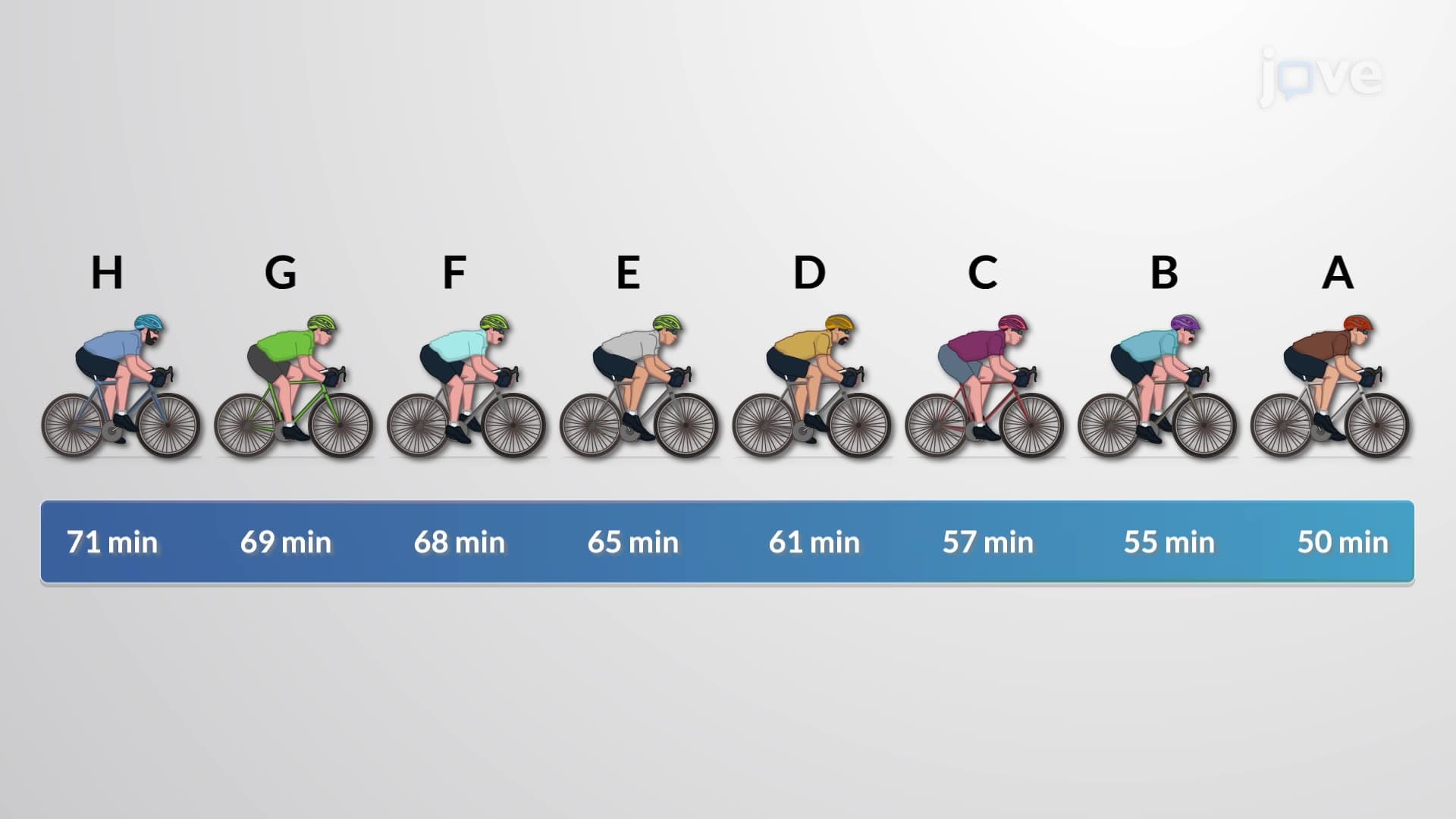
The calculation of Kendall's W follows a systematic approach that transforms raw measurements into rankings before assessing agreement. For b evaluators ranking a subjects, researchers first convert each evaluator's measurements to ranks (1 through a). Next, they sum the ranks for each subject across all evaluators, creating rank sums. The formula W = 12S / [b²(a³-a)] uses S as the sum of squared deviations of rank sums from their mean. This mathematical structure ensures W ranges from 0 to 1, providing an intuitive interpretation scale.
American research institutions extensively use Kendall's W across diverse fields. The Centers for Disease Control employs concordance analysis when multiple epidemiologists rank disease outbreak severity across different regions. Educational Testing Service applies this statistic when ensuring AP exam graders consistently rank student essay responses. Clinical psychology programs at universities like Stanford and Harvard use Kendall's W to validate that multiple therapists rank patient improvement similarly during treatment efficacy studies.
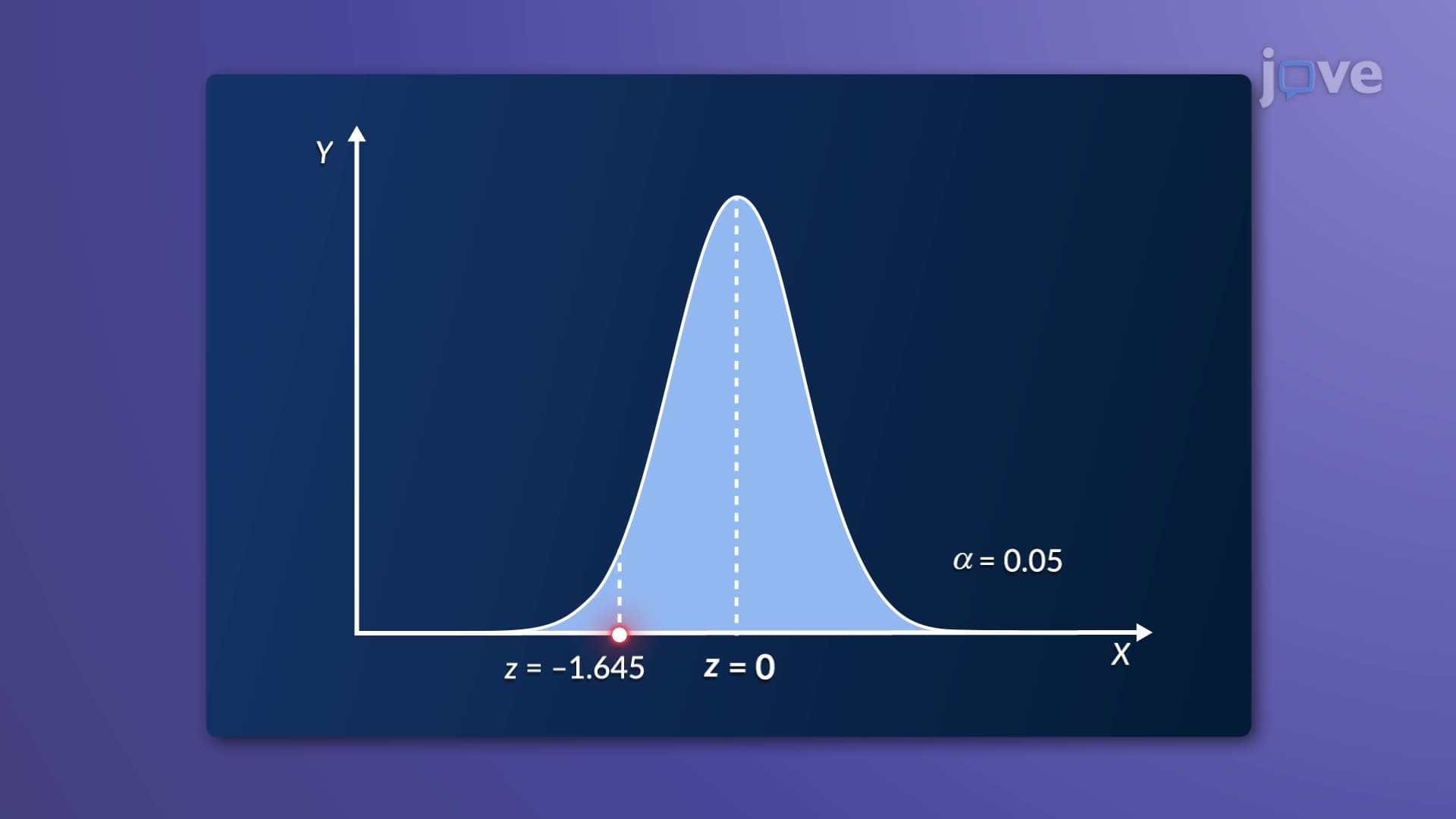
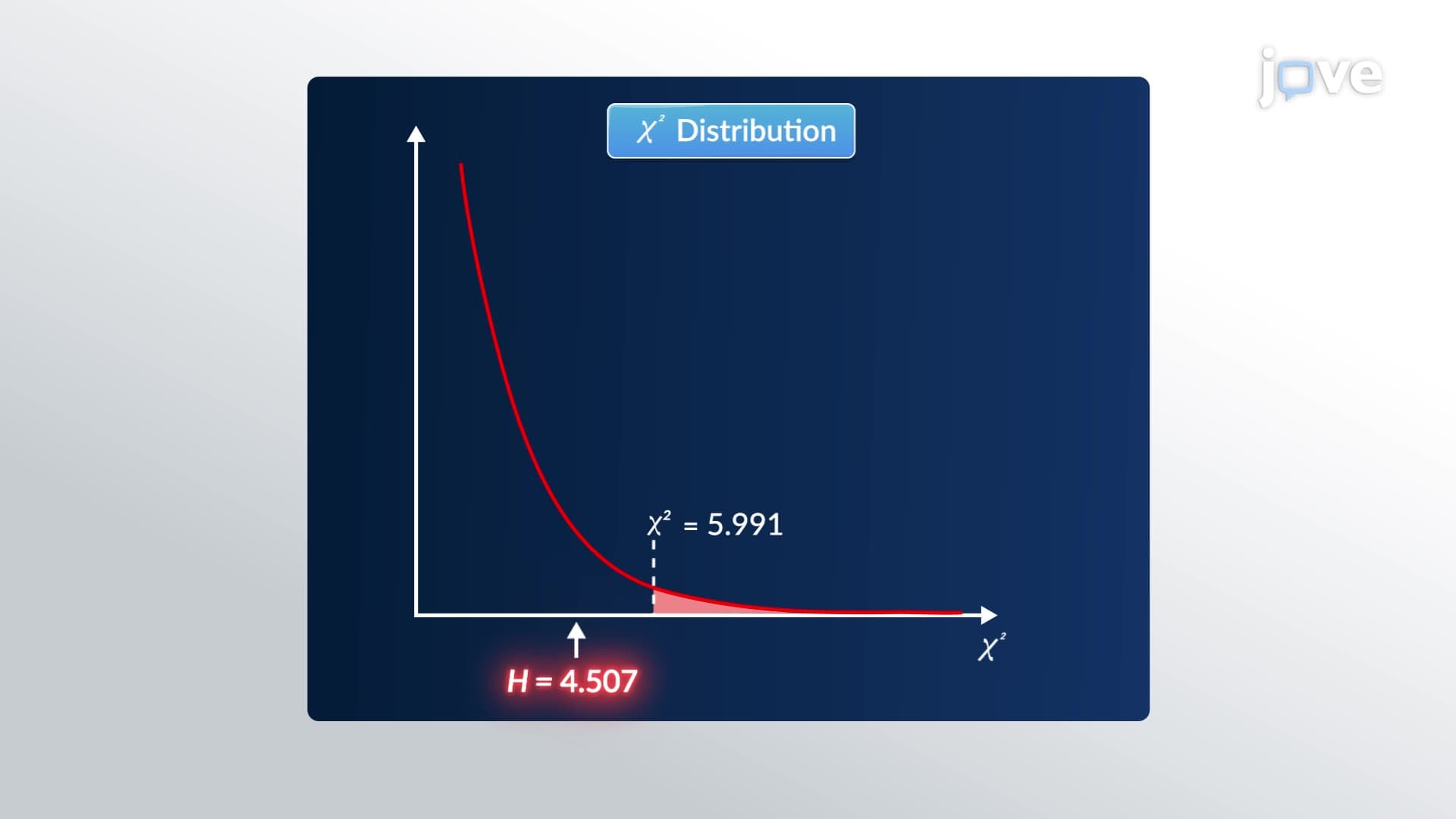
Values approaching 1 indicate strong agreement among rankers, while values near 0 suggest random or inconsistent ranking patterns. Researchers typically consider W values above 0.7 as indicating substantial agreement, though context matters significantly. The coefficient's statistical significance can be tested using chi-square distribution, helping researchers determine whether observed concordance exceeds chance levels. This significance testing proves crucial for college statistics courses and standardized exams like the AP Statistics test, where students must interpret concordance results within broader research contexts.
Related Micro-courses