Loading video…


 22 Concepts
 13.3K views

Video Summary: Sign Test for Matched Pairs Explained
Ever wondered how researchers at Stanford University determine if a new energy drink actually improves student test performance? The sign test for matched pairs provides a simple yet powerful nonparametric method to analyze before-and-after data when population distributions are unknown. This statistical technique converts paired observations into positive and negative signs, making it ideal for comparing median differences in real-world scenarios like clinical trials and educational research. Watch the full video on JoVE Coach to master this concept with expert-led visuals and step-by-step explanations.
The sign test for matched pairs represents one of the most accessible nonparametric statistical methods available to researchers and students. Unlike parametric tests that assume specific population distributions, this technique relies solely on the direction of differences between paired observations. This makes it particularly valuable when analyzing data from small samples, ordinal measurements, or populations with unknown or non-normal distributions.
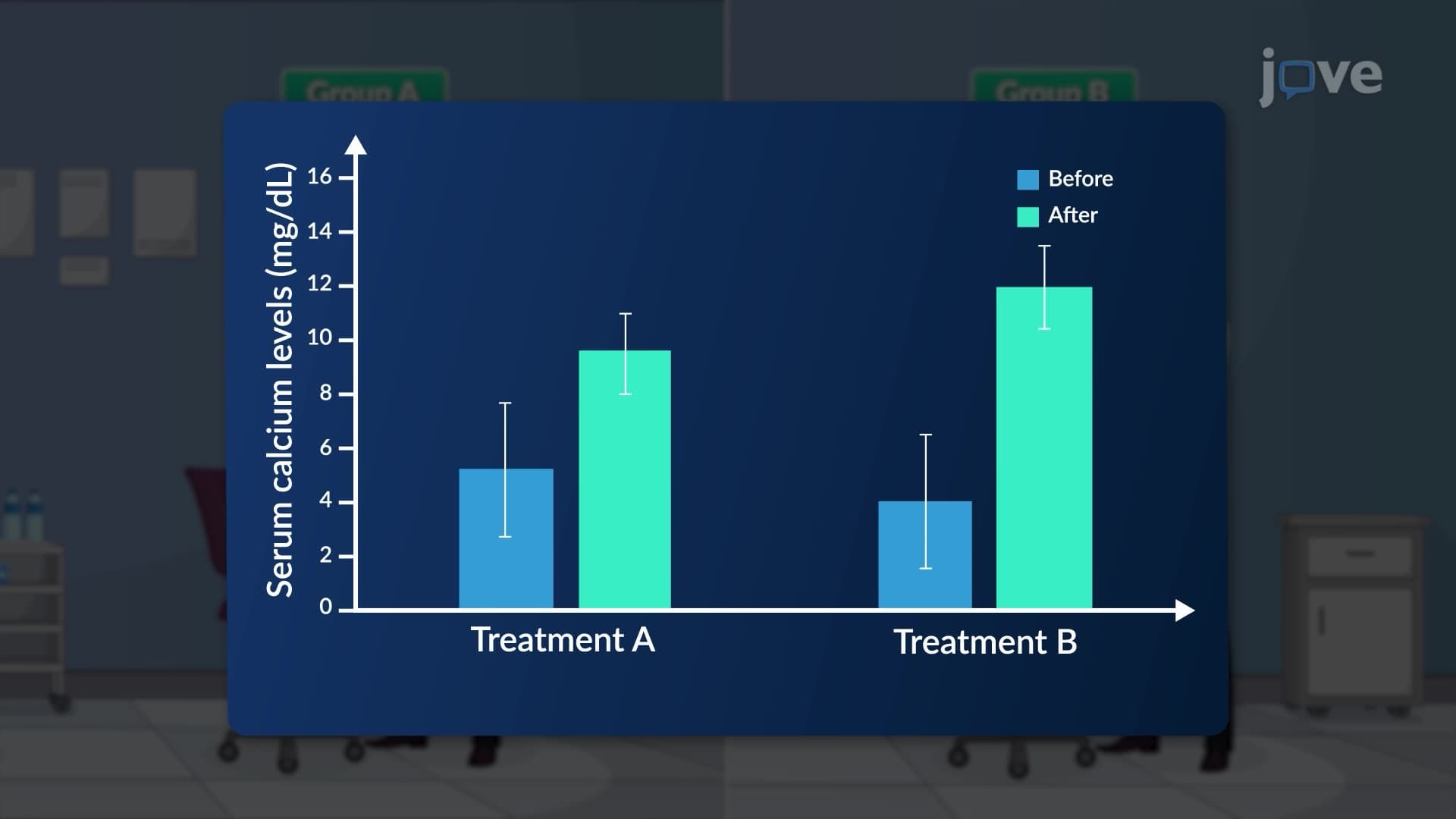
The sign test process begins with paired observations-data points collected from the same subjects under two different conditions. Common examples include blood pressure measurements before and after medication, student test scores pre- and post-tutoring, or reaction times with and without caffeine. The key insight is that if two treatments have identical median effects, we expect roughly equal numbers of positive and negative differences.
To implement the test, researchers subtract the second measurement from the first for each pair, creating a series of differences. Zero differences are excluded from analysis since they provide no directional information. The remaining differences are converted to signs: positive (+) or negative (-). This transformation eliminates the magnitude of differences, focusing exclusively on direction.
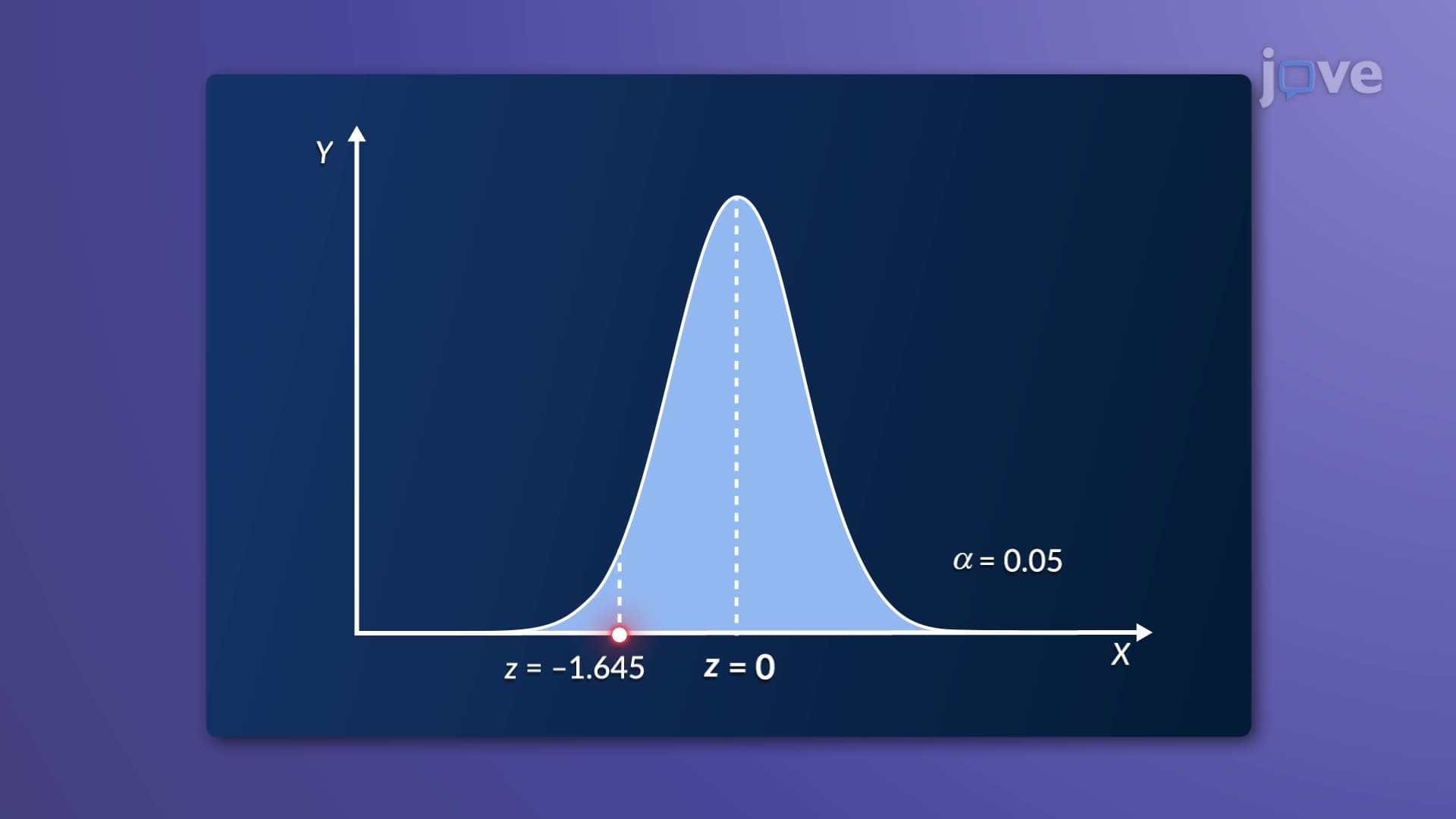
The test statistic equals the count of the less frequent sign. For example, if analyzing 8 non-zero differences yields 3 positive and 5 negative signs, the test statistic becomes 3. Critical values depend on sample size and significance level, typically found in specialized statistical tables. When the sample size exceeds 25, the normal approximation provides adequate critical values.
The null hypothesis states that the median difference equals zero, implying no treatment effect. The alternative hypothesis suggests a non-zero median difference, indicating a significant treatment impact. Rejection occurs when the test statistic falls at or below the critical value, providing evidence against the null hypothesis.
Students encounter sign tests frequently in AP Statistics courses, college-level biostatistics classes, and research methods courses across disciplines. The Medical College Admission Test (MCAT) often includes questions requiring interpretation of nonparametric test results. Similarly, nursing students preparing for NCLEX examinations must understand when to apply sign tests versus parametric alternatives in clinical research contexts.
Professional applications span healthcare research, where sign tests analyze treatment effectiveness in small clinical trials, and quality control environments, where manufacturers compare product performance before and after process modifications. The test's simplicity and minimal assumptions make it particularly valuable in pilot studies and exploratory research phases.
Related Micro-courses