Loading video…


 22 Concepts
 13.3K views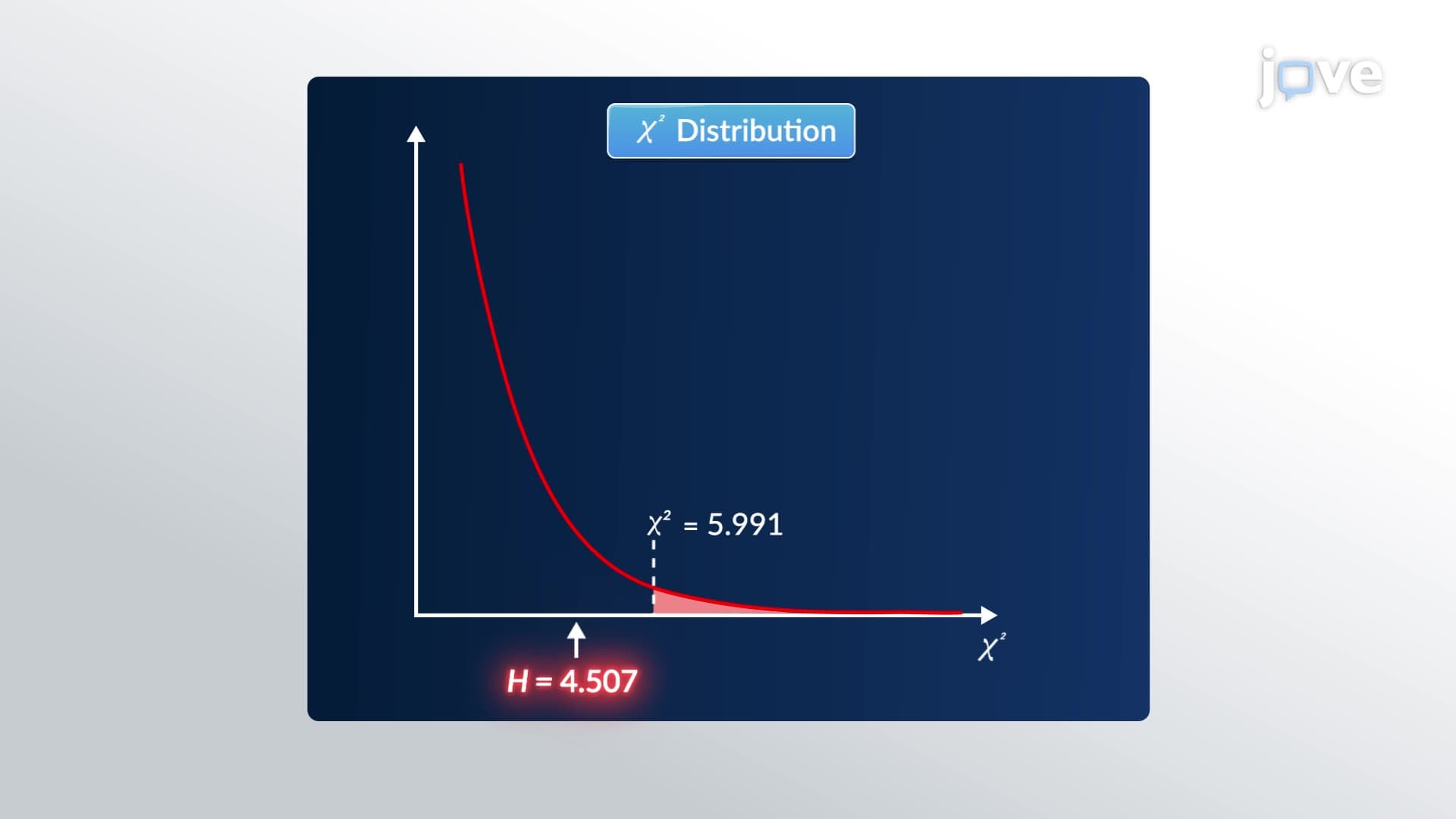

Video Summary: What Is Kruskal Wallis Test
Ever wondered how grocery chains like Walmart determine if different grape varieties sell equally well across their stores? The Kruskal Wallis test offers a powerful non-parametric solution for comparing three or more groups when data doesn't meet normal distribution requirements. Unlike traditional ANOVA, this test ranks all observations and compares median values across groups, making it ideal for analyzing sales data, customer satisfaction scores, or test performance across multiple classes. Watch the full video on JoVE Coach to master this concept with expert-led visuals and step-by-step explanations.
The Kruskal Wallis test serves as a robust non-parametric alternative when comparing three or more independent groups, particularly when data fails to meet the strict assumptions required for parametric tests like one-way ANOVA. Named after statisticians William Kruskal and W. Allen Wallis, this test evaluates whether samples originate from populations with identical medians, making it invaluable for analyzing ordinal data or continuous data that doesn't follow normal distributions.
Students preparing for AP Statistics or college-level research methods courses must understand that the Kruskal Wallis test becomes essential when dealing with skewed distributions, outliers, or ordinal scales. For instance, when analyzing patient satisfaction scores across three different hospital departments, or comparing SAT score improvements across multiple tutoring programs, traditional ANOVA assumptions may be violated. The test's reliance on ranks rather than raw values makes it particularly suitable for analyzing Likert scale responses, income distributions, or performance rankings where extreme values could skew parametric results.
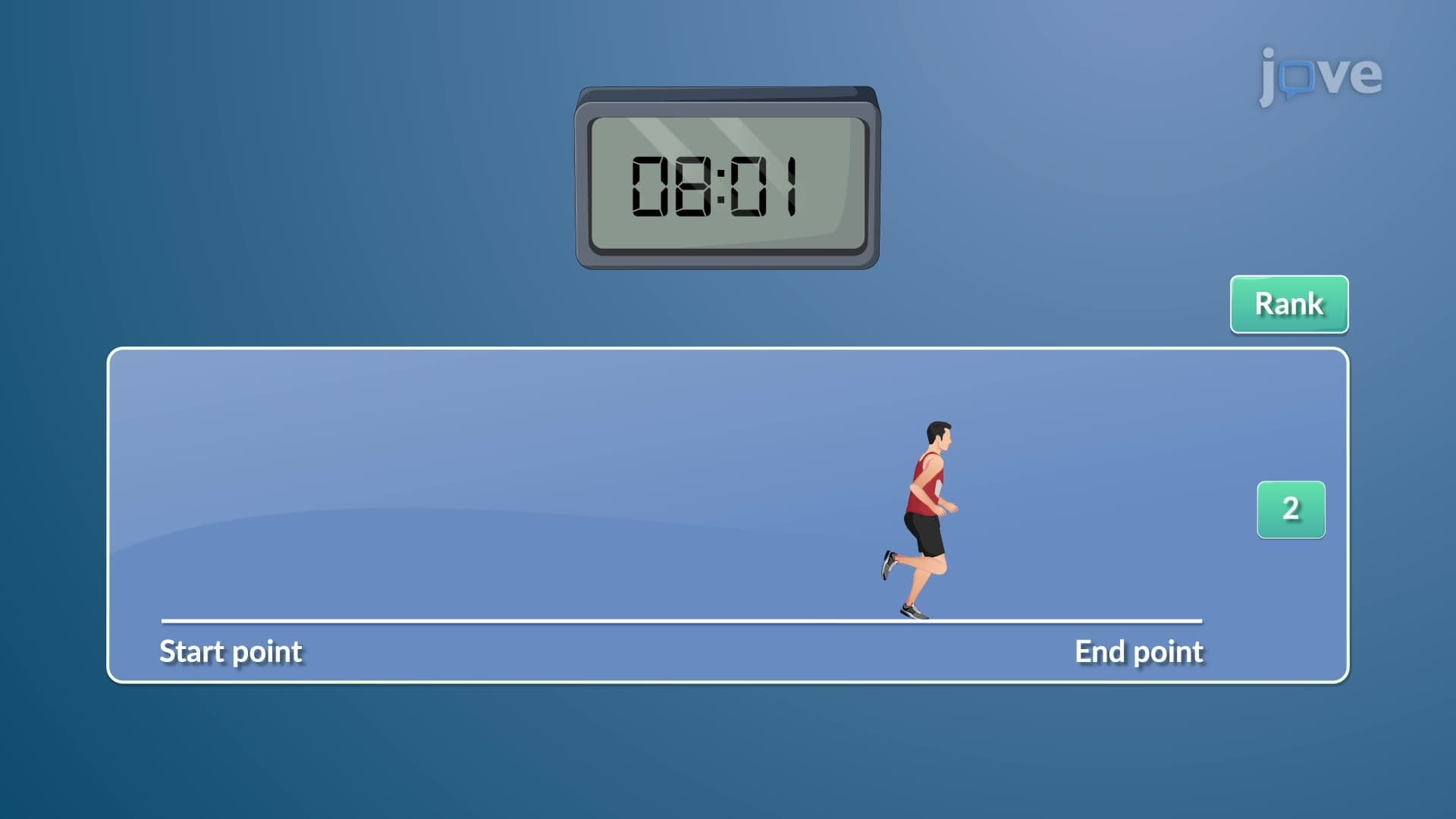
The Kruskal Wallis test follows a systematic ranking approach that differs fundamentally from parametric alternatives. First, all observations from different groups are combined and ranked from lowest to highest, with tied values receiving average ranks. Next, rank sums are calculated for each group separately. The test statistic H is computed using the formula: H = (12 / N(N+1)) × Σ(R²/n) - 3(N+1), where N represents total sample size, R represents rank sums, and n represents individual group sizes. This H statistic follows a chi-square distribution with degrees of freedom equal to the number of groups minus one.
In practical applications, researchers across various fields utilize the Kruskal Wallis test for diverse scenarios. Marketing professionals might compare customer satisfaction ratings across different product lines, while educational researchers could analyze standardized test performance across multiple school districts. For students taking research methods courses or preparing for graduate school entrance exams like the GRE, understanding this test's applications in psychology, business, and social sciences proves crucial. The test frequently appears in MCAT preparation materials when analyzing medical research data involving treatment comparisons across multiple groups.
Related Micro-courses