Loading video…


 22 Concepts
 13.3K views

Video Summary: Wald Wolfowitz Runs Test Ii Explained
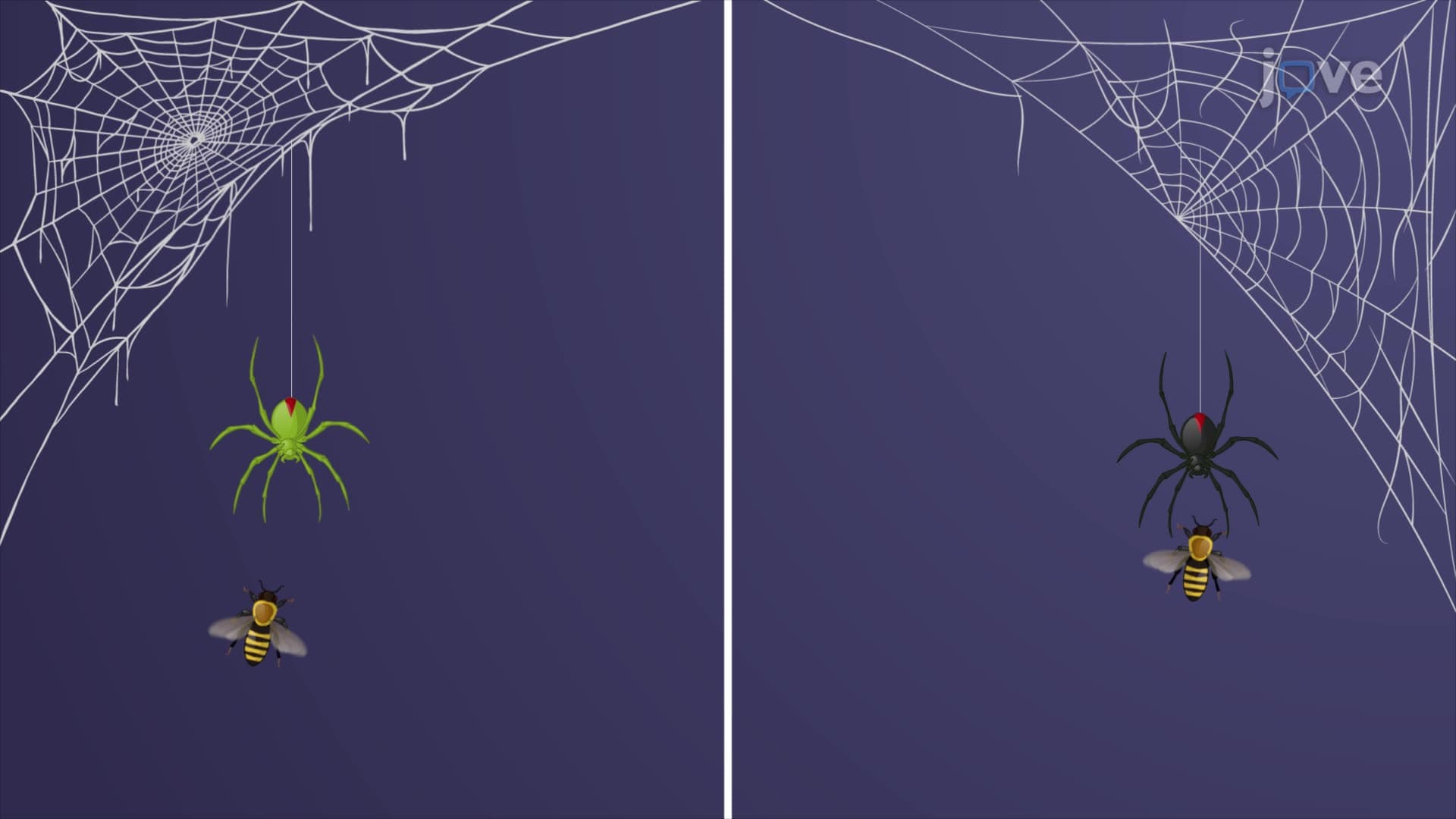
Did you know that researchers studying primate behavior at the San Diego Zoo can use statistics to determine whether baboons approach water sources randomly or based on their size? The Wald Wolfowitz Runs Test II analyzes sequential data patterns by converting numerical values into binary sequences based on the median, then counting "runs" of consecutive similar values. This non-parametric test helps researchers distinguish between random and systematic patterns in ordered data, making it valuable for behavioral studies and quality control in manufacturing. Watch the full video on JoVE Coach to master this concept with expert-led visuals and step-by-step explanations.
The Wald Wolfowitz Runs Test II serves as a powerful non-parametric statistical tool for detecting patterns in sequential data. Unlike parametric tests that assume specific distributions, this test focuses on the arrangement of observations rather than their exact values. The test transforms continuous numerical data into a binary sequence by comparing each observation to the overall median, creating a foundation for pattern analysis.
In the baboon water source example, researchers collected body length measurements from 30 animals in the order they approached the water. This sequential aspect is crucial-the test doesn't just examine the lengths themselves, but whether larger or smaller baboons consistently approached first, indicating potential dominance hierarchies or behavioral patterns.
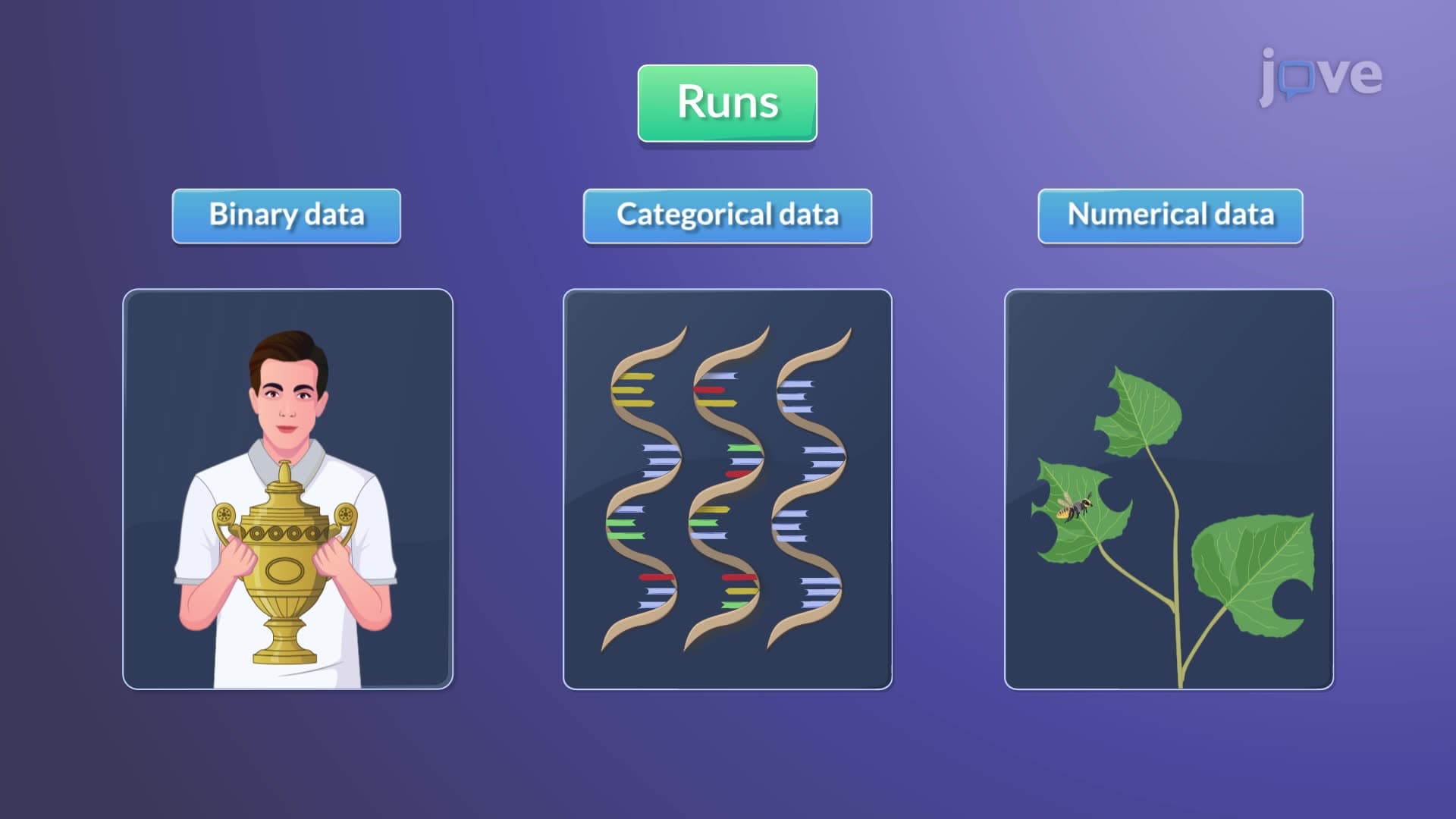
The core mechanism involves converting numerical data into binary form using the median as a threshold. Values above the median receive one designation (often "+"), while values below receive another ("-"). A "run" represents any sequence of consecutive identical symbols. For instance, the pattern "+++--+++" contains four runs: three plus signs, two minus signs, and three plus signs again.
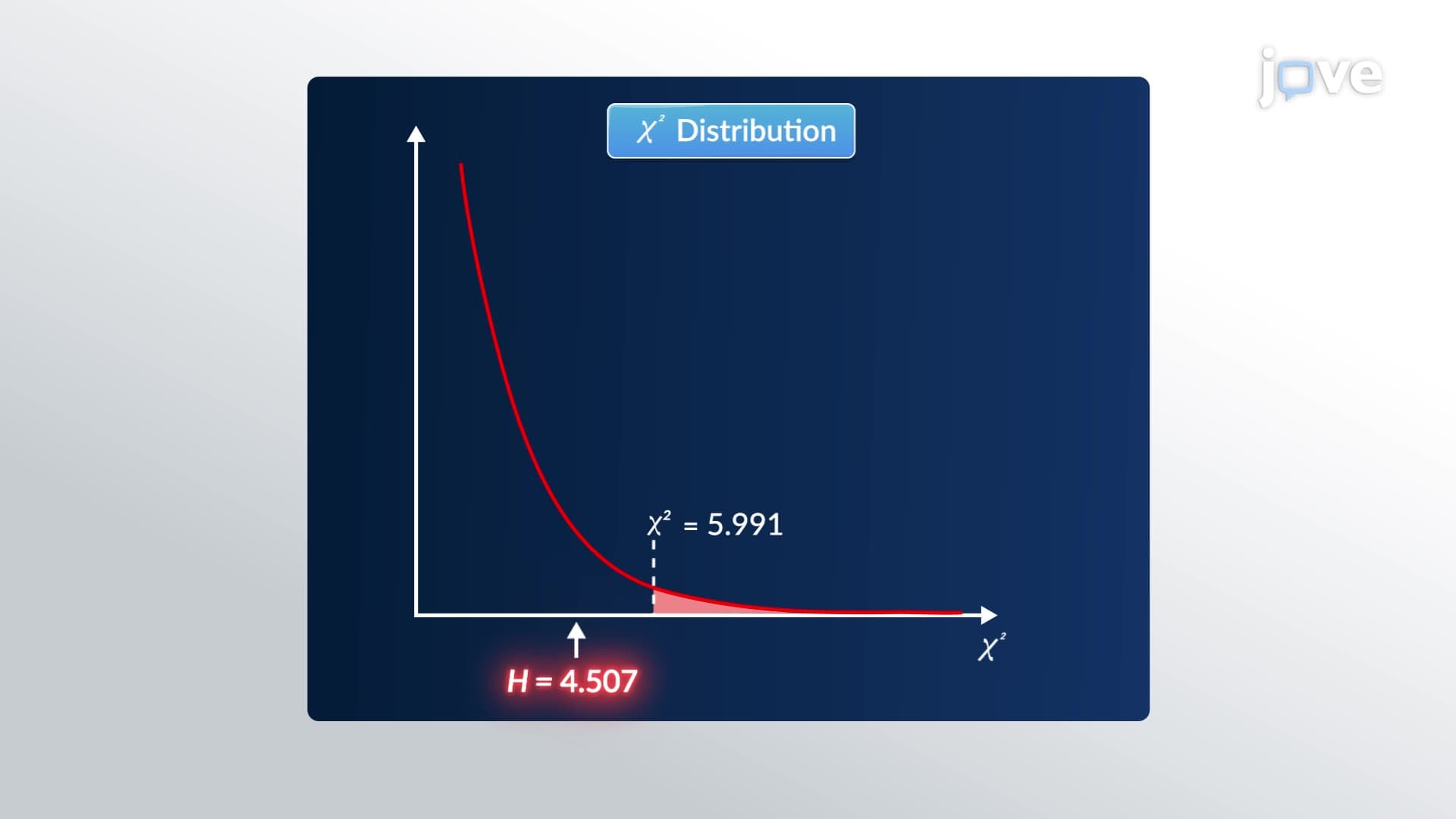
This transformation allows researchers to quantify randomness objectively. In truly random sequences, we expect runs to follow specific probability distributions. The test statistic G represents the total number of runs observed, which serves as the foundation for statistical inference.
Sample size significantly impacts the testing procedure. When either group (values above or below median) contains fewer than 20 observations, researchers must use specialized critical value tables rather than normal approximations. This constraint frequently applies in behavioral studies, clinical trials, and small-scale manufacturing quality control scenarios.
The two-tailed nature of the test means extreme values in either direction-too few runs or too many runs-can indicate non-randomness. Too few runs suggest systematic clustering (like all large baboons approaching first), while too many runs might indicate artificial alternating patterns.
This test appears frequently in AP Statistics courses, particularly in units covering non-parametric methods and experimental design. College statistics courses at institutions like UCLA and University of Michigan incorporate runs testing in research methodology curricula. The MCAT occasionally includes questions about randomness testing in its quantitative reasoning sections, especially within behavioral research contexts.
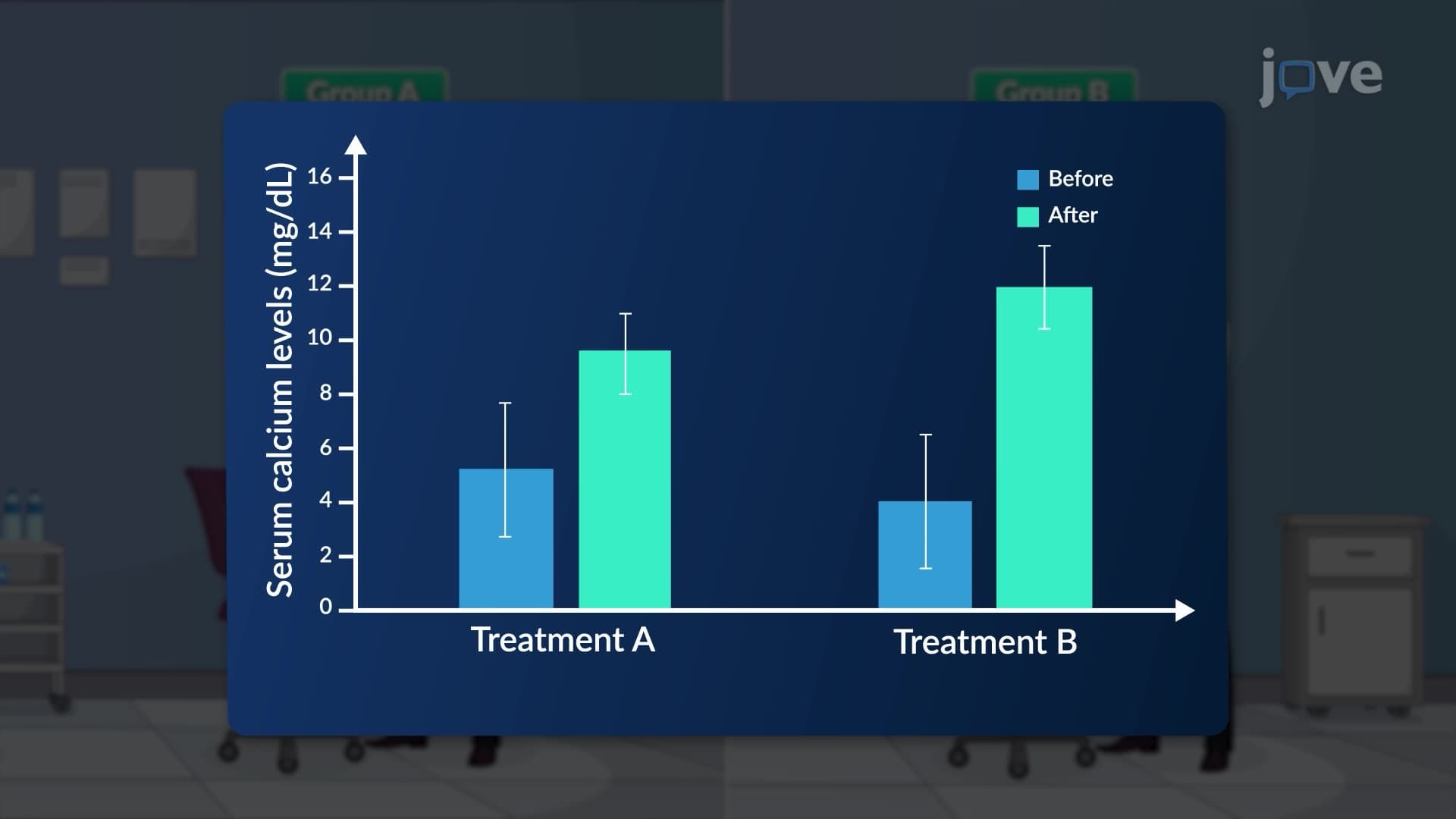
Professional applications span diverse fields: environmental scientists use runs tests to detect climate patterns, manufacturing engineers apply them to quality control processes, and medical researchers employ them to identify treatment response sequences in clinical trials conducted at institutions like the Mayo Clinic and Johns Hopkins.
Related Micro-courses