Loading video…


 7 Concepts
 38.4K views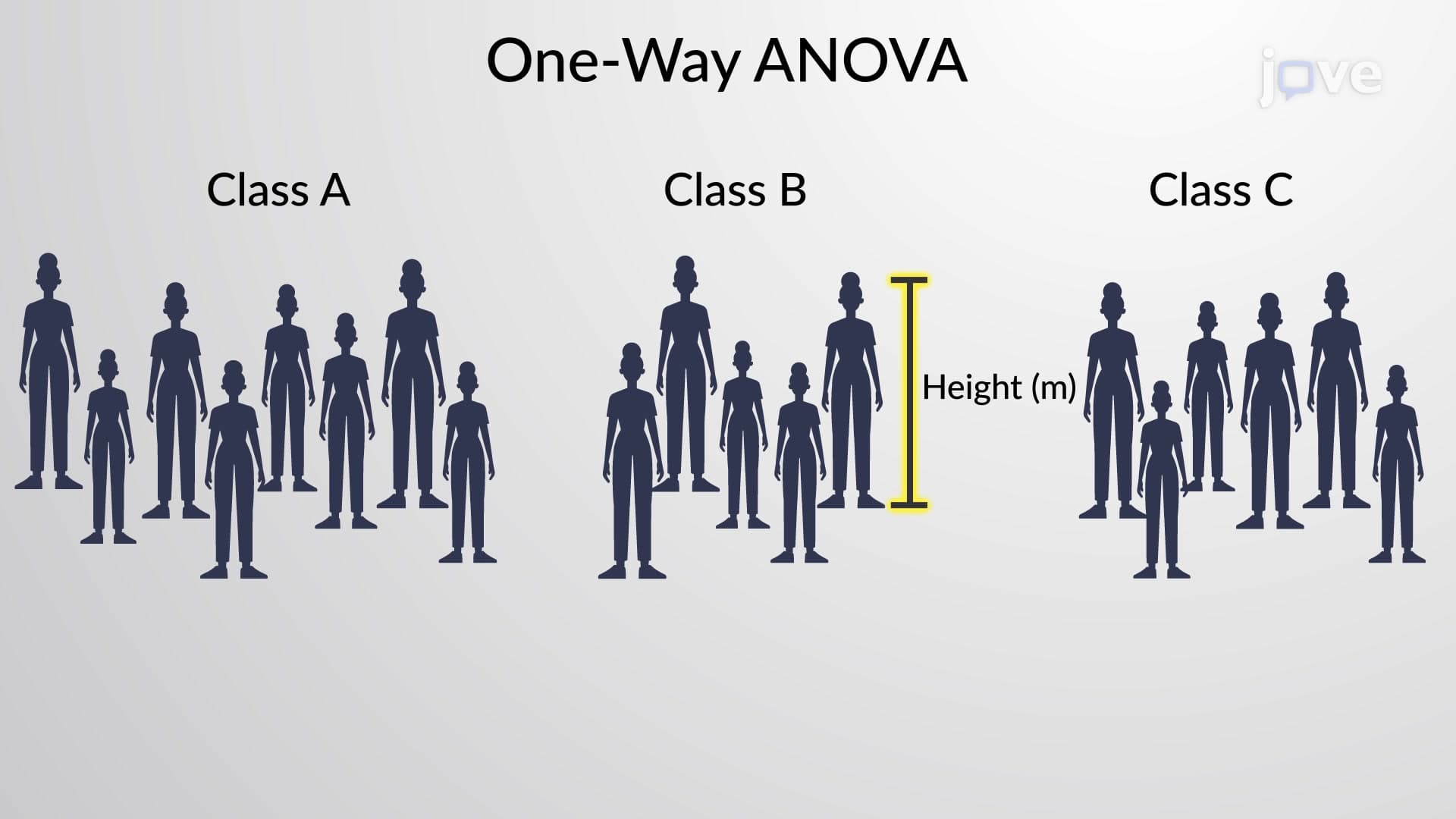

Video Summary: One Way Anova Unequal Sample Sizes Explained
Did you know that comparing SAT scores between different high schools becomes statistically complex when schools have vastly different student populations? One way ANOVA unequal sample sizes handles this challenge by adjusting calculations to account for varying group sizes. This statistical method allows researchers to test whether mean differences exist across multiple groups, even when sample sizes differ dramatically-like comparing test performance between a rural school with 30 students versus urban schools with 300+ students each. Watch the full video on JoVE Coach to master this concept with expert-led visuals and step-by-step explanations.
One Way ANOVA Unequal Sample Sizes represents a crucial extension of basic ANOVA that addresses real-world research scenarios where groups naturally contain different numbers of observations. Unlike balanced ANOVA designs where each group contains equal sample sizes, this approach accommodates the messy reality of data collection-whether you're analyzing customer satisfaction scores across different store locations, comparing standardized test performance between school districts of varying sizes, or examining treatment effectiveness across medical centers with different patient volumes.
The mathematical foundation of one way ANOVA unequal sample sizes relies on weighted variance estimates that prevent larger groups from disproportionately influencing results. The between-groups variance calculation uses the formula: MSB = Σ[ni(xi - x̄)²]/(k-1), where ni represents each group's sample size, xi is the group mean, x̄ is the overall mean, and k equals the number of groups. This weighting ensures that a group with 100 participants doesn't artificially inflate variance estimates compared to a group with only 10 participants.
The within-groups variance follows a similar weighted approach: MSW = Σ[(ni-1)si²]/Σ(ni-1), where si² represents each group's variance. The final F-statistic (MSB/MSW) maintains its interpretive meaning while properly accounting for sample size differences. Students preparing for AP Statistics or college-level statistics courses should recognize that these adjustments preserve the fundamental logic of ANOVA while ensuring statistical validity.
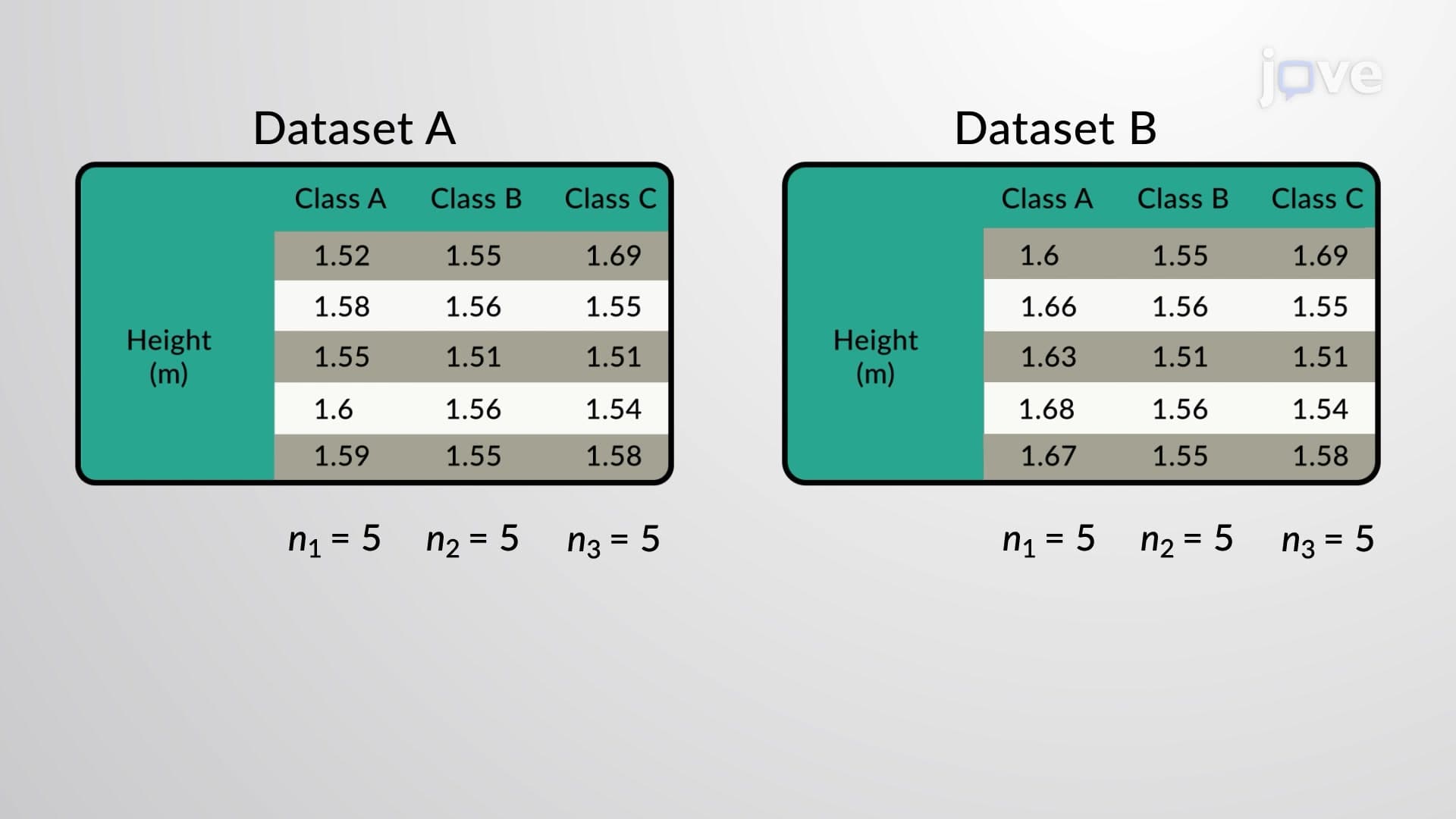
In practice, one way ANOVA unequal sample sizes appears frequently in educational research, business analytics, and healthcare studies. For example, comparing graduation rates across different university programs naturally yields unequal sample sizes-engineering programs might enroll 500 students while specialized programs like museum studies might have only 25 students. The ANOVA handles these differences seamlessly.
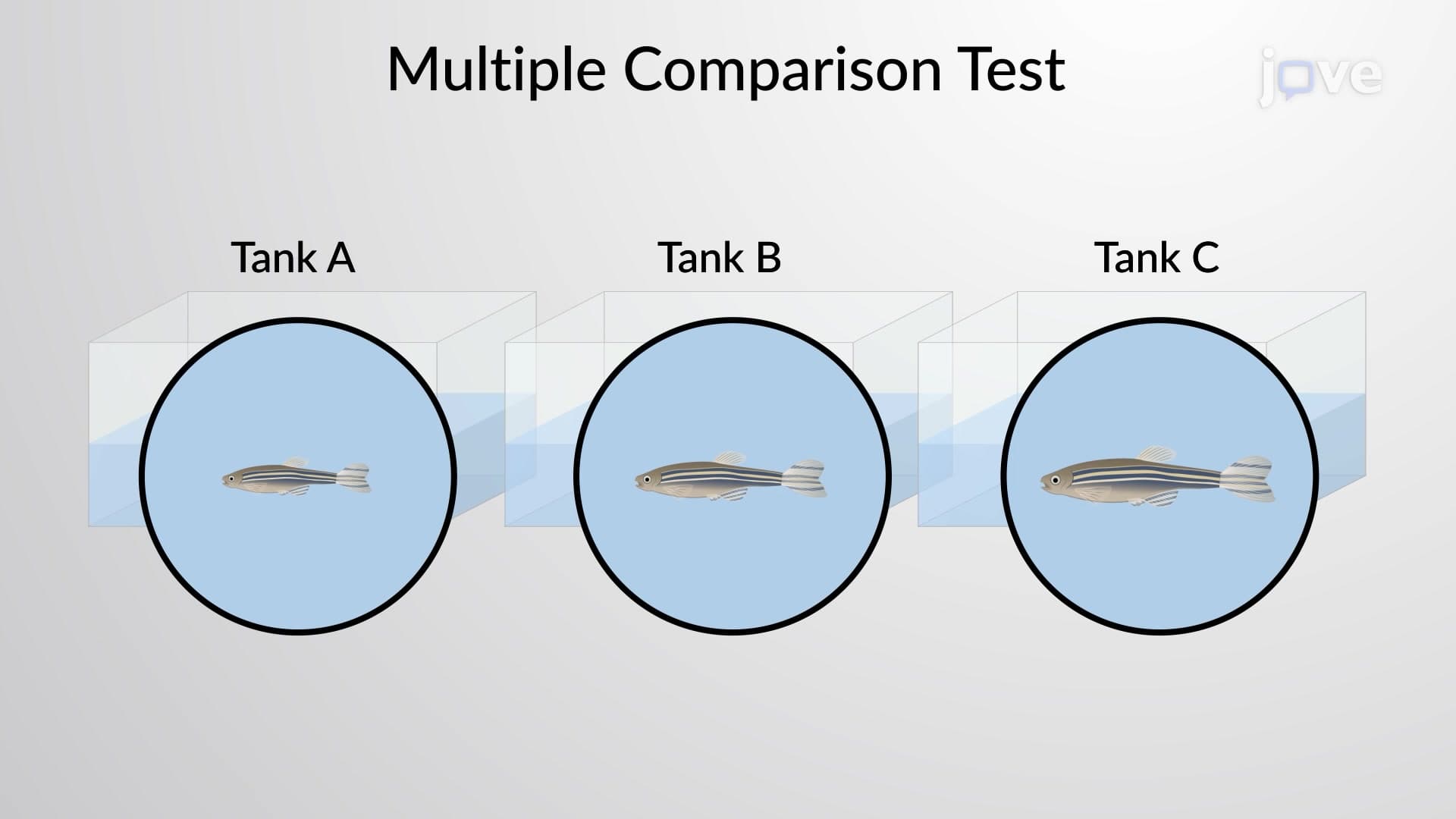
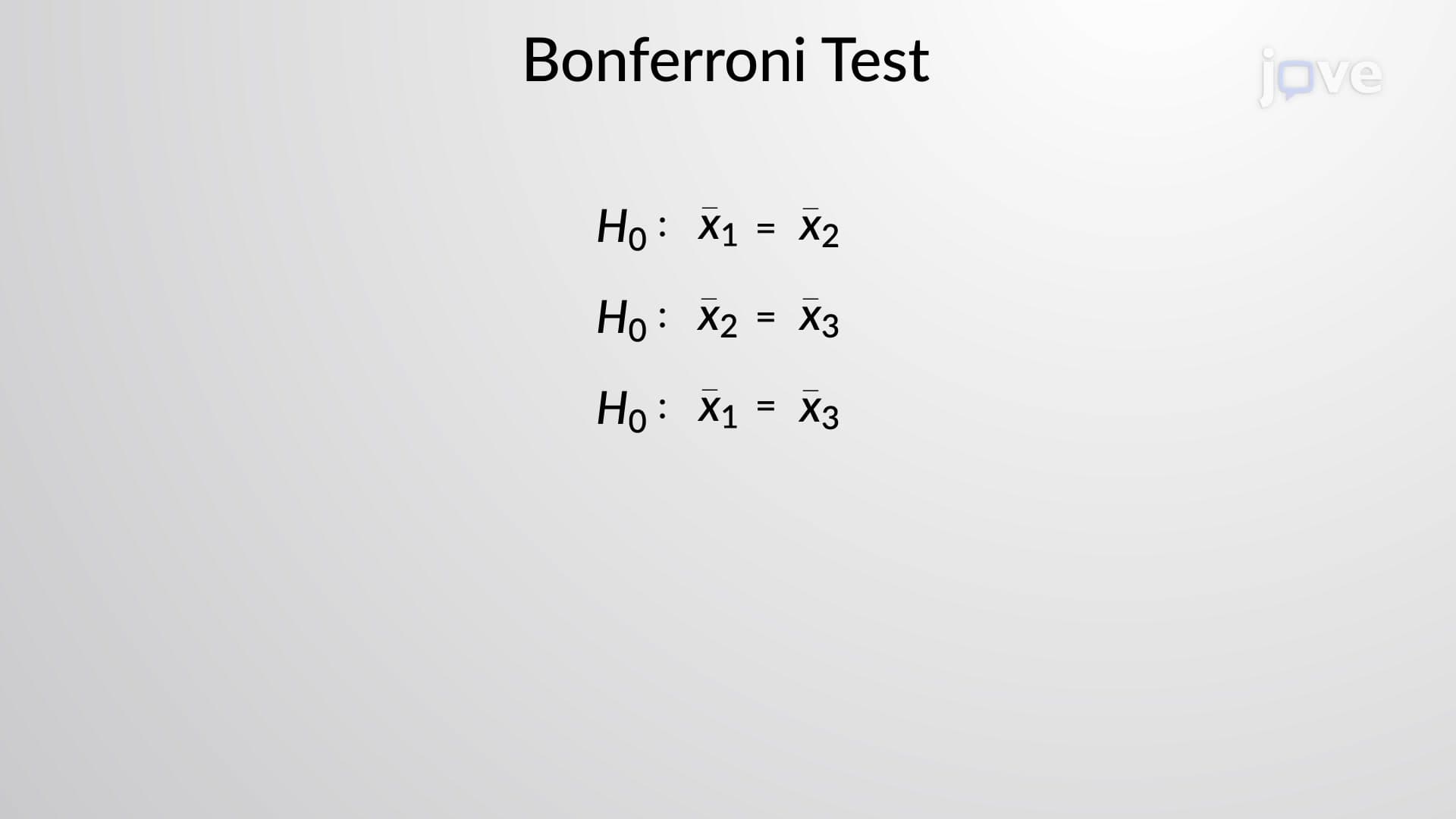
When significant differences emerge (typically p < 0.05), researchers must conduct post-hoc tests to identify specific group differences. Games-Howell tests work particularly well with unequal sample sizes and don't assume equal variances, making them ideal for follow-up analysis. Students should understand that while the overall ANOVA tells us differences exist somewhere among groups, post-hoc testing pinpoints exactly which groups differ significantly from others-essential for drawing meaningful conclusions in research projects and statistical analysis assignments.
Related Micro-courses