Loading subject page…


33,043 views

Video Summary: Redox Titrations Alternative Oxidizing and Reducing Agents
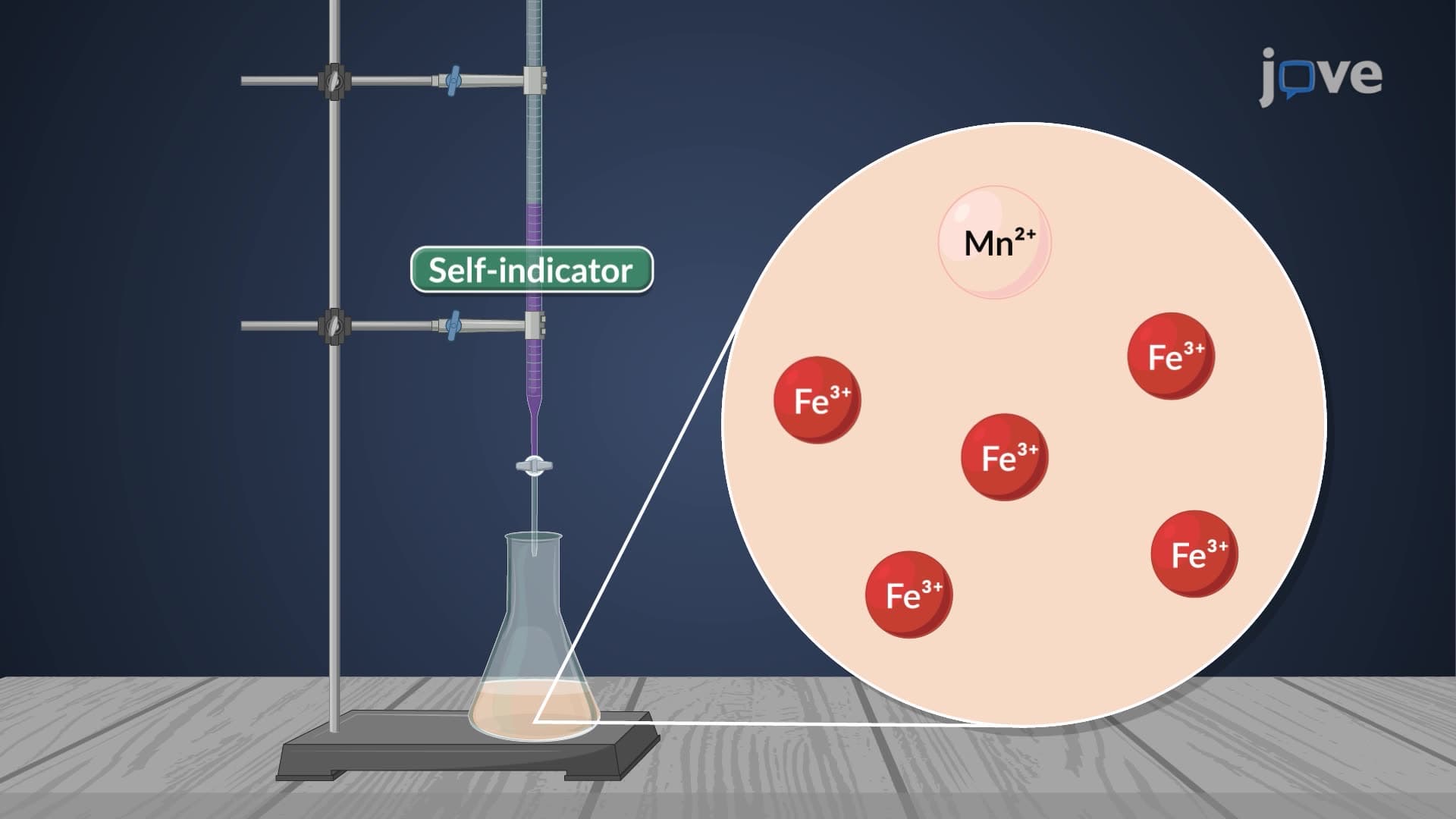
Did you know that the purple color of potassium permanganate can serve as its own endpoint indicator in titrations? Redox titration agents extend far beyond basic iodine solutions, offering chemists powerful alternatives for quantitative analysis. From the self-indicating properties of permanganate to the stability of cerium(IV) solutions used in pharmaceutical quality control labs across the United States, redox titrations: alternative oxidizing and reducing agents provide essential tools for accurate chemical measurements. Watch the full video on JoVE Coach to master this concept with expert-led visuals and step-by-step explanations.
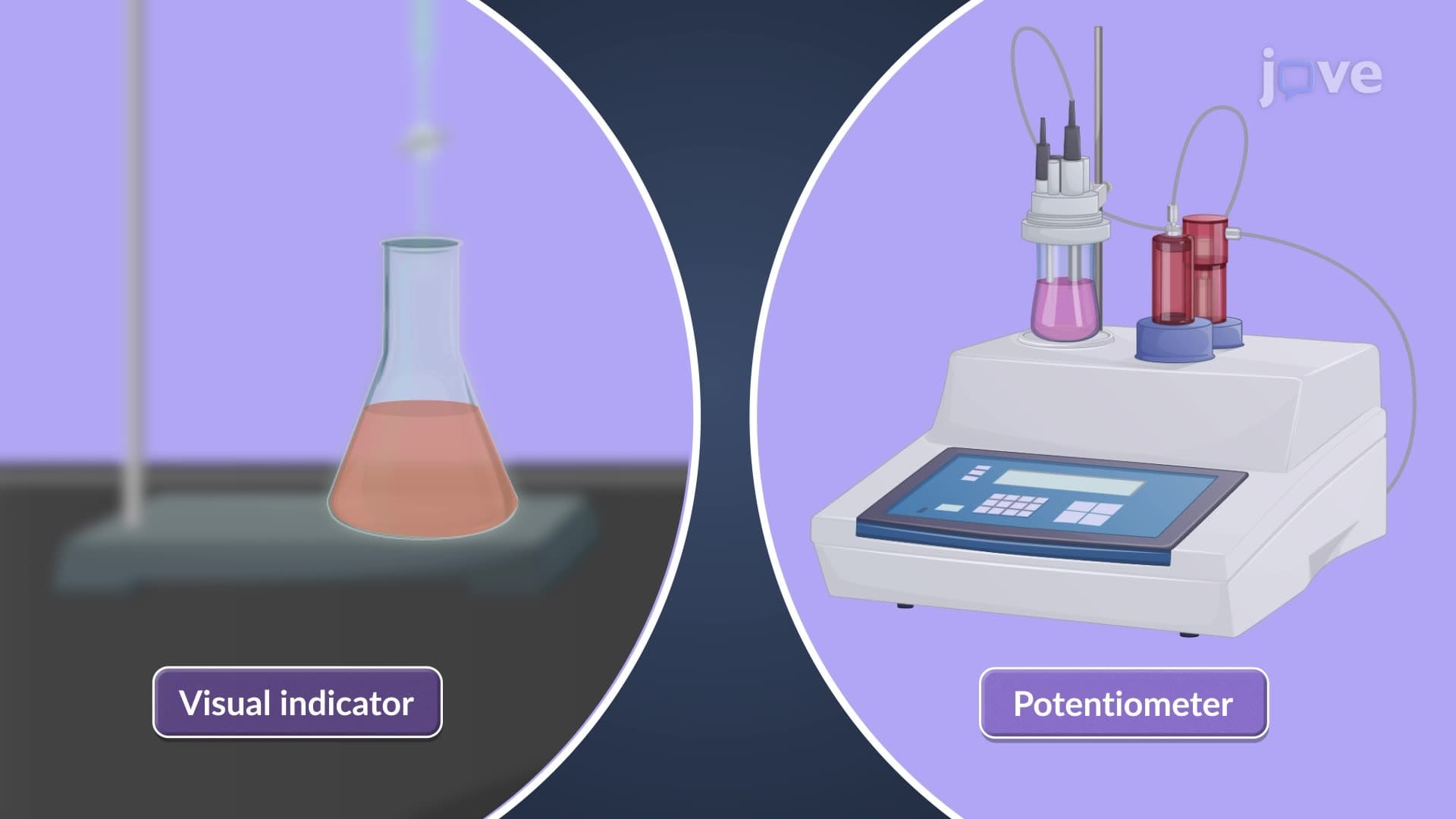
Beyond the commonly studied iodine-thiosulfate system, analytical chemists employ a diverse array of alternative redox titration reagents to meet specific analytical needs. These specialized titrants offer unique advantages in terms of selectivity, stability, and detection methods, making them indispensable tools in pharmaceutical, environmental, and industrial laboratories across the United States.
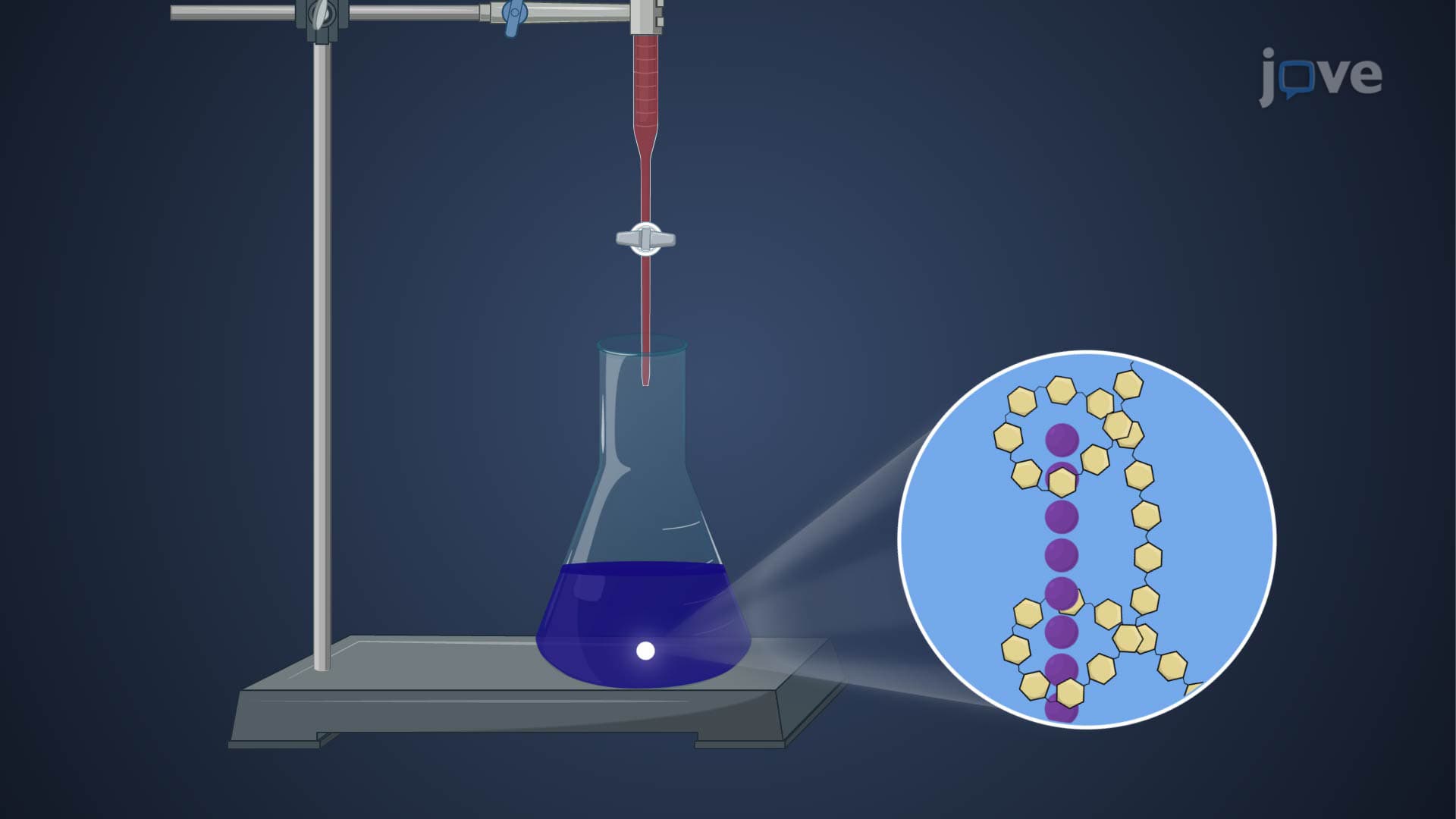
Potassium permanganate (KMnO4) stands out among redox titration agents due to its distinctive purple color and self-indicating properties. In strongly acidic solutions, permanganate reduces from manganese(VII) to colorless manganese(II), creating a dramatic visual endpoint. This reaction follows the half-reaction: MnO4(-) + 8H(+) + 5e(-) → Mn(2+) + 4H2O. The permanganate titration finds extensive use in determining iron content in ore samples and analyzing organic compounds in pharmaceutical formulations. Students preparing for AP Chemistry exams frequently encounter permanganate calculations, as they demonstrate both redox principles and stoichiometric relationships effectively.
Cerium IV titration represents another powerful analytical tool, particularly valuable when permanganate's strong oxidizing power proves excessive. Cerium(IV) solutions maintain excellent stability in acidic conditions and provide precise results in pharmaceutical analysis. The Ce(4+)/Ce(3+) couple offers a standard potential of +1.44 V, making it suitable for titrating moderately strong reducing agents. Unlike permanganate, cerium titrations require separate redox indicators for endpoint detection.
Dichromate titration method employs potassium dichromate (K2Cr2O7) as a moderately strong oxidizing agent. The orange dichromate reduces to green chromium(III) in acidic solutions, though this color change alone isn't sharp enough for precise endpoint determination. Redox indicators like diphenylamine sulfonic acid provide clear, distinct color changes at the equivalence point. Dichromate titrations prove especially useful in environmental analysis, such as determining chemical oxygen demand (COD) in wastewater treatment facilities.
Iron II reducing agent titration represents one of the few viable direct methods using reducing titrants. Most reducing agents, including the widely used thiosulfate, suffer from atmospheric oxidation, limiting their application to indirect methods. Iron(II) solutions, while also susceptible to air oxidation, can successfully titrate strong oxidizers like cerium(IV) and chromium(VI) when properly prepared and handled. Students studying for the MCAT often encounter these concepts when analyzing metabolic redox reactions and pharmaceutical mechanisms.
Related Micro-courses