Loading video…


 24 Concepts
 33.1K views

Video Summary: What Is Potentiometry
Ever wonder how your smartphone's pH meter app or a hospital's blood gas analyzer measures chemical concentrations without contaminating the sample? Potentiometry analytical chemistry techniques make this possible by measuring electrical potential differences between specialized electrodes. The FDA relies on potentiometric methods to validate pharmaceutical drug concentrations in quality control labs across the United States. What is potentiometry reveals a fundamental analytical technique that measures voltage without drawing current, preserving sample integrity while delivering precise chemical analysis. Watch the full video on JoVE Coach to master this concept with expert-led visuals and step-by-step explanations.
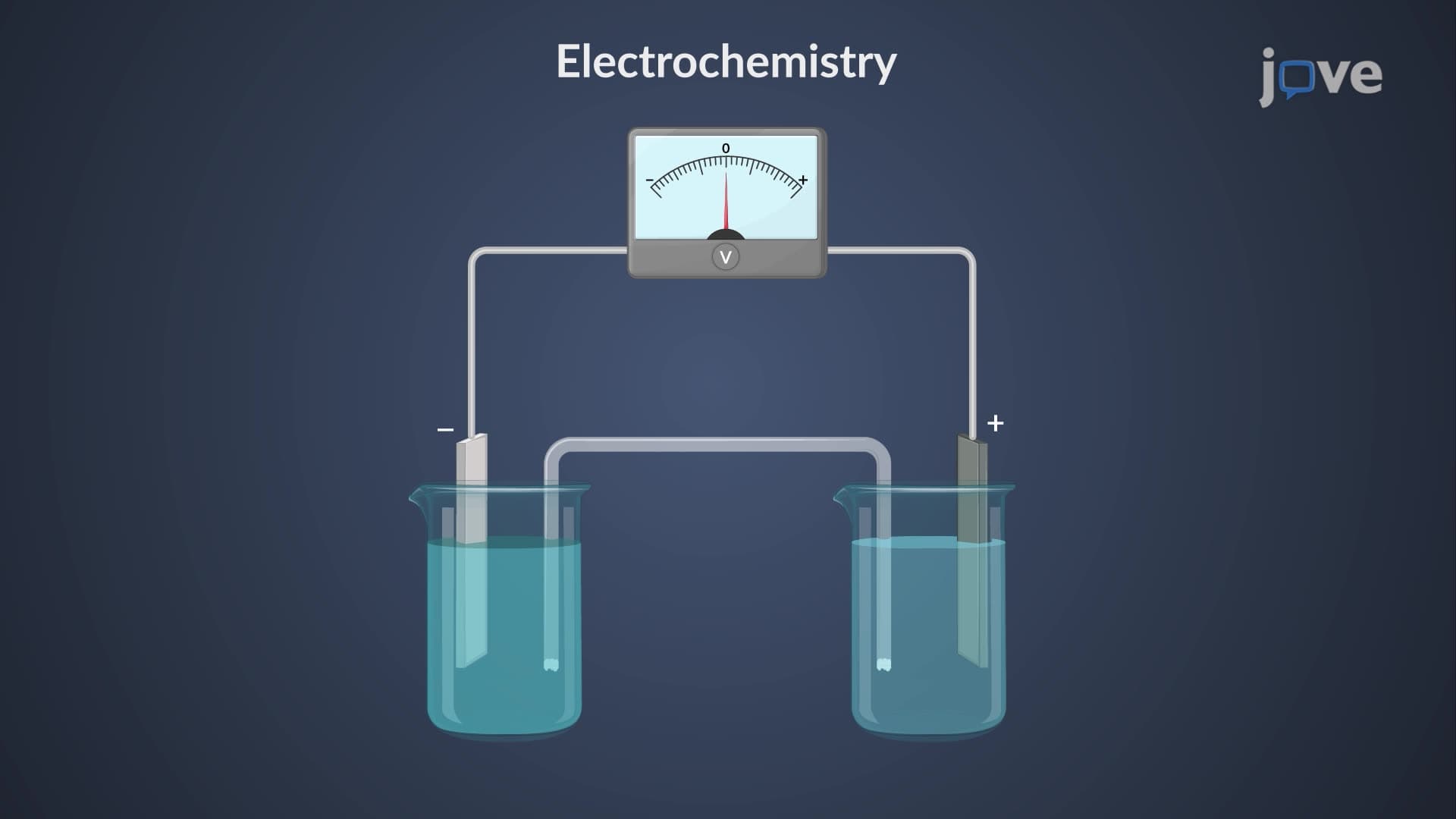
Potentiometry explained chemistry begins with a deceptively simple principle: measuring voltage tells us about chemical concentrations. Unlike other electrochemical methods that force current through solutions, potentiometry analytical chemistry techniques measure the natural electrical potential that develops when certain electrodes contact sample solutions. This non-invasive approach preserves sample composition, making it invaluable for analyzing everything from blood samples in Boston hospitals to groundwater contamination near industrial sites in Texas.
The technique relies on specialized electrodes that respond selectively to specific ions or molecules. When a silver chloride electrode contacts a chloride solution, for example, a predictable voltage develops based on the chloride concentration. This voltage measurement, combined with calibration curves, allows chemists to determine precise analyte concentrations without consuming or altering the sample.
Ion selective electrode potentiometry represents the most common potentiometric application. These electrodes contain membranes that selectively bind target ions, creating voltage changes proportional to ion activity. The classic example involves glass pH electrodes used in every chemistry lab from high school AP Chemistry courses to graduate research at MIT or Stanford.
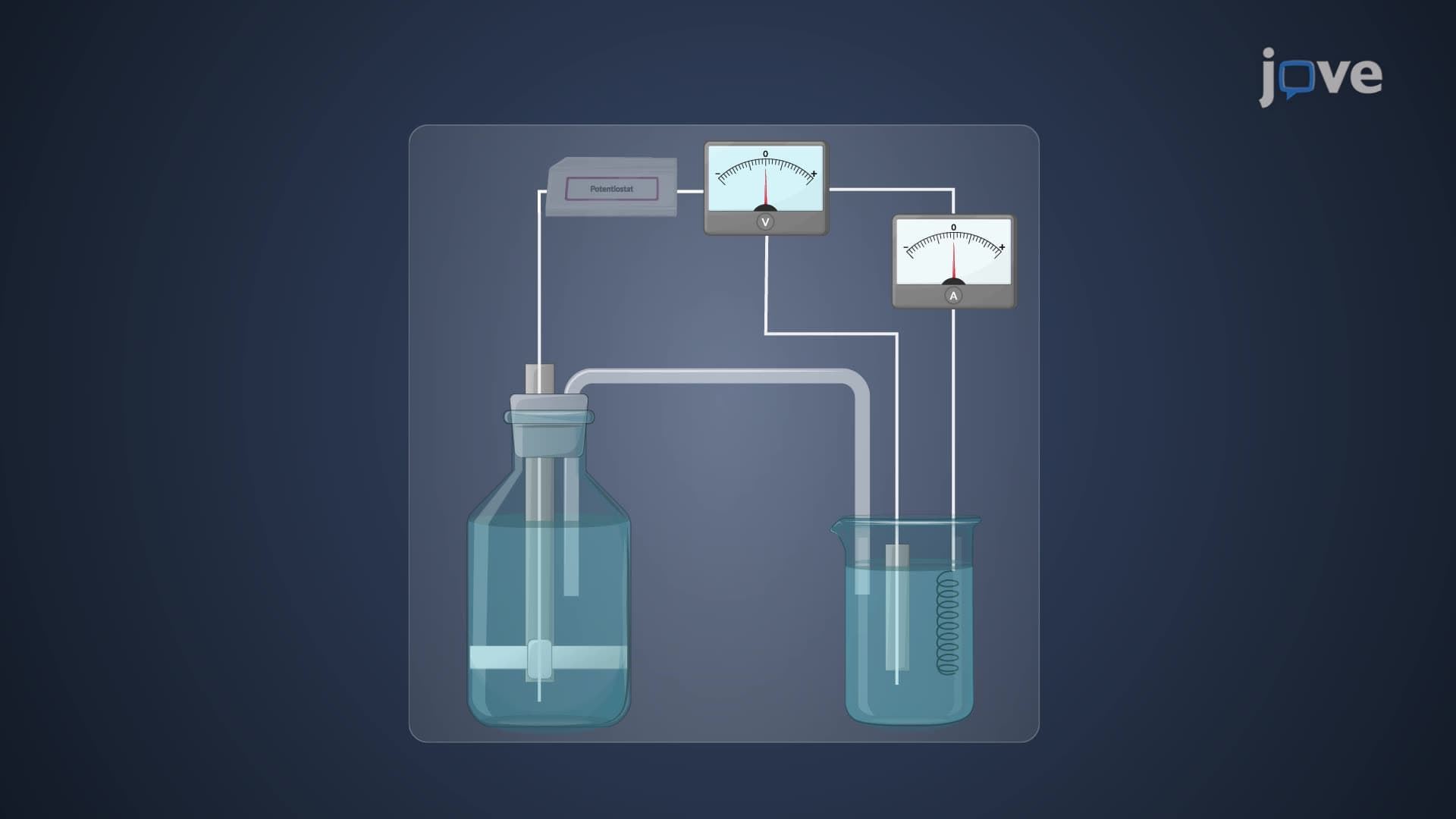
Potentiometric measurement accuracy depends on proper electrode pairing. The indicator electrode responds to analyte changes, while the reference electrode maintains constant potential. Standard calomel or silver/silver chloride reference electrodes provide this stability, ensuring that voltage changes reflect only analyte concentration variations, not reference electrode fluctuations.
Nernst equation potentiometry quantifies the relationship between ion concentration and measured voltage. The equation E = E° + (RT/nF) × ln(activity) shows how cell potential varies logarithmically with ion activity. At 25°C, this simplifies to approximately 59 mV per decade concentration change for single-charged ions.
This logarithmic relationship proves crucial for potentiometric pH measurement, where each pH unit represents a tenfold hydrogen ion concentration change. Students preparing for MCAT chemistry sections must understand how this relationship enables pH meters to convert voltage measurements into familiar pH values spanning the 0-14 scale.
Direct potentiometry method applications span clinical diagnostics, environmental analysis, and industrial quality control. Hospital blood gas analyzers use potentiometric sodium, potassium, and chloride electrodes to diagnose electrolyte imbalances. Environmental agencies employ fluoride-selective electrodes to monitor drinking water supplies across California and Florida municipal systems.
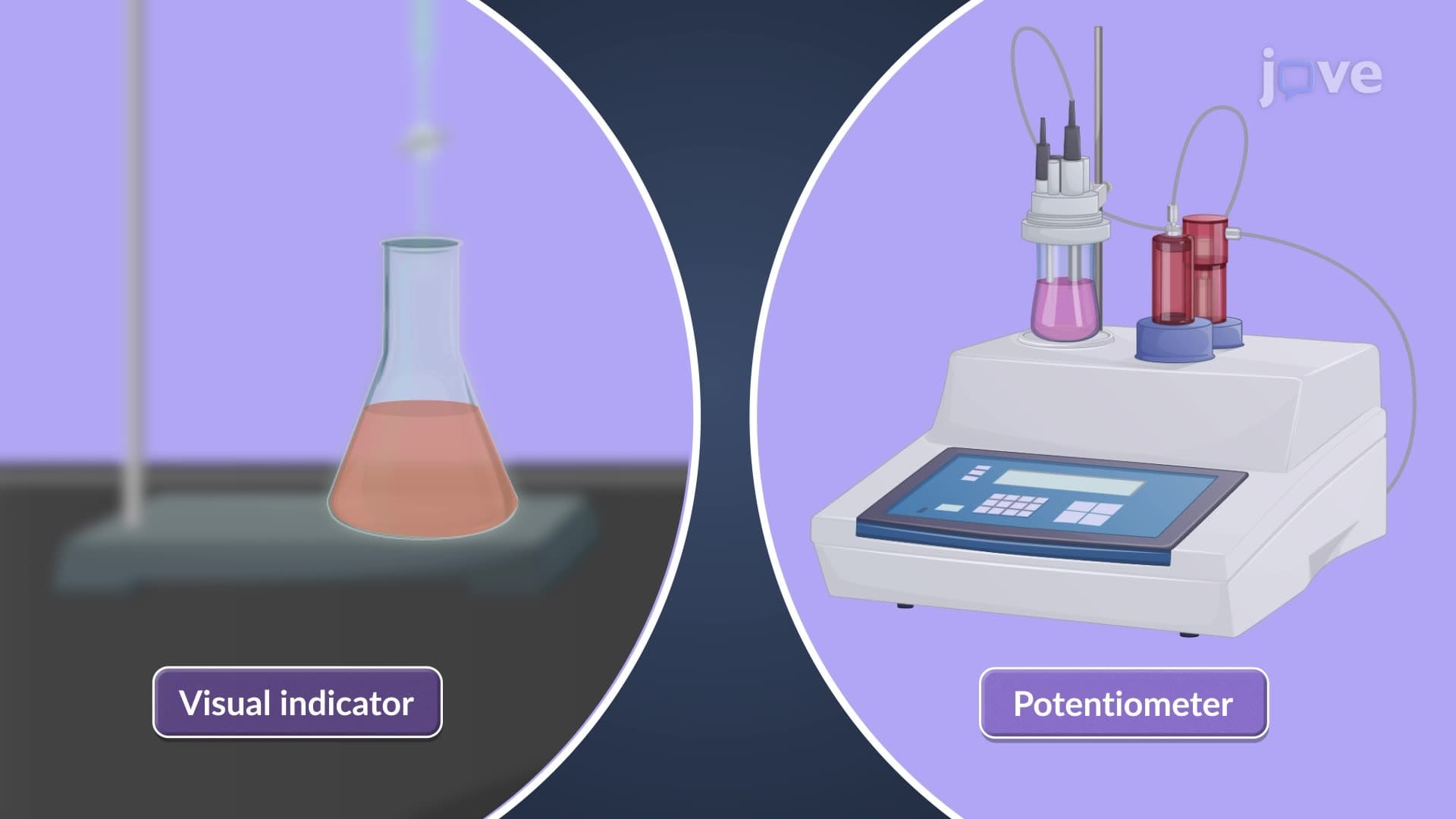
Pharmaceutical companies rely on potentiometric titrations to determine drug purity, while food manufacturers use potentiometric methods to monitor salt content in processed foods. These real-world applications demonstrate why potentiometry remains essential in analytical chemistry curricula from community colleges to research universities nationwide.
Related Micro-courses