Loading video…


 24 Concepts
 33.1K views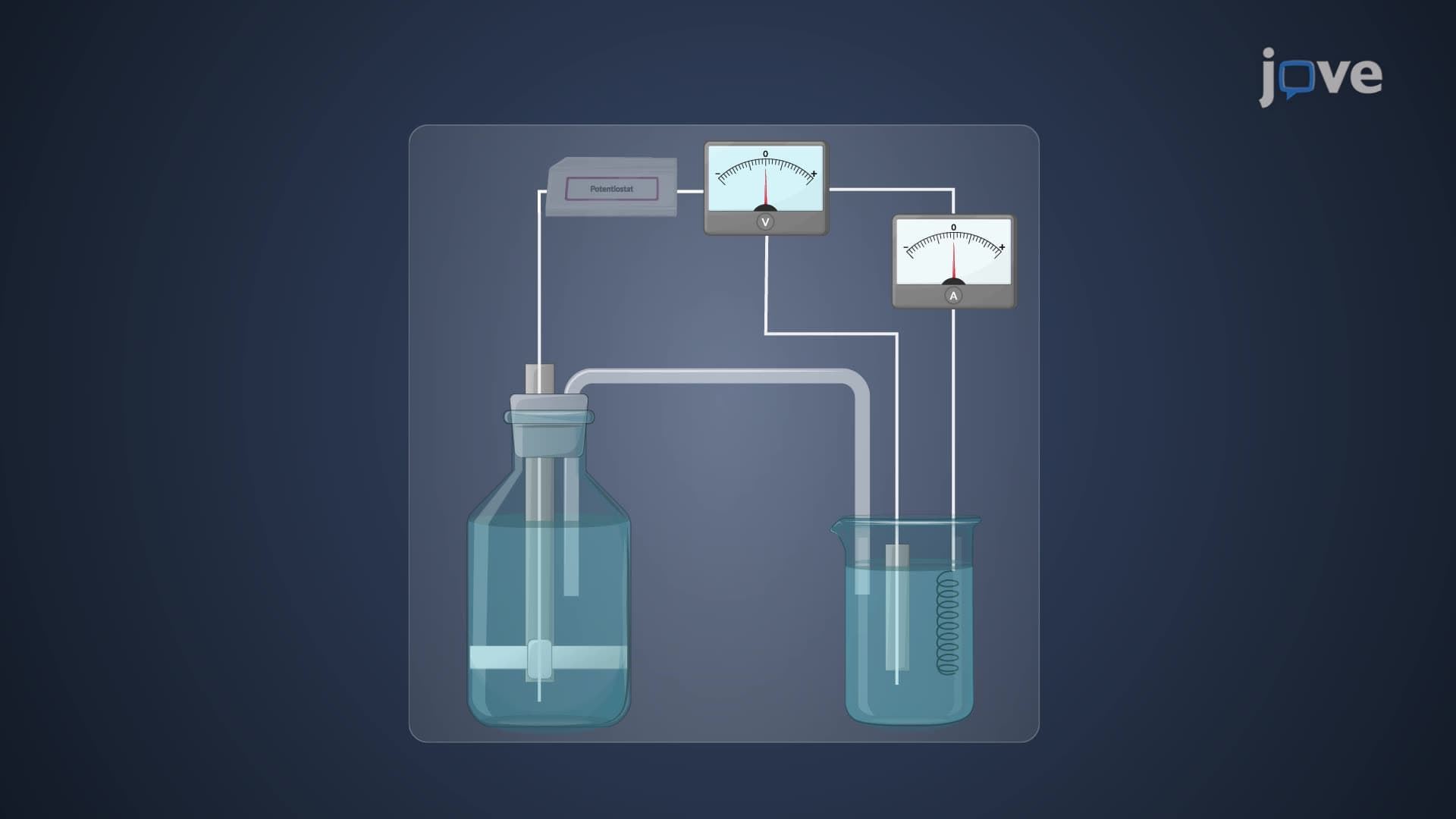

Video Summary: What Is Voltammetry
Did you know that the same electrochemical principles used to detect cocaine in forensic labs can also monitor glucose levels in diabetic patients? Voltammetry analytical chemistry is a powerful technique that measures current as voltage changes across electrodes, revealing the identity and concentration of chemical species. The FDA relies on voltammetric methods to ensure pharmaceutical purity in medications distributed across US hospitals. What is voltammetry becomes clear when you see how this analytical method transforms tiny electrical signals into precise chemical measurements. Watch the full video on JoVE Coach to master this concept with expert-led visuals and step-by-step explanations.
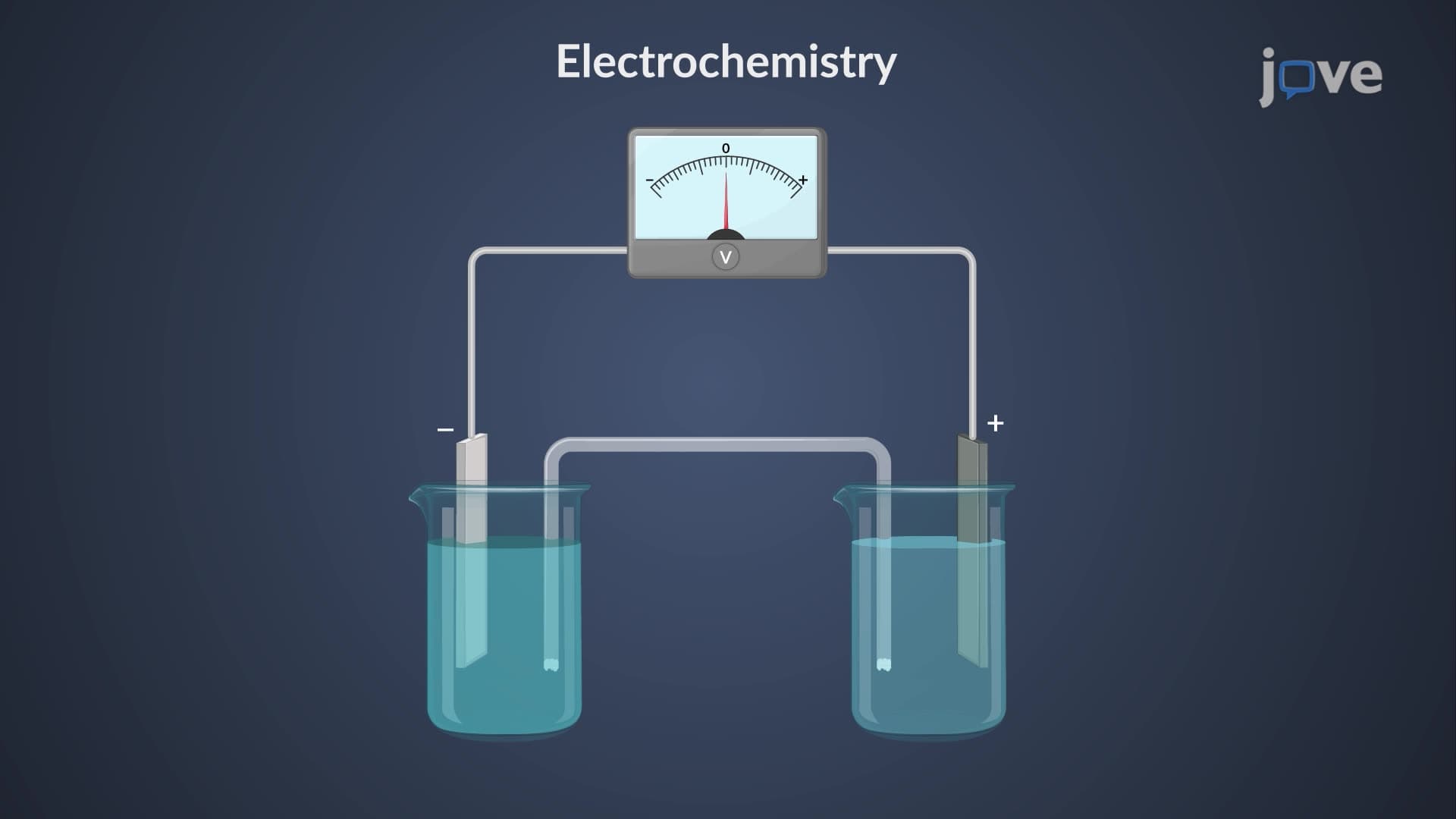
Voltammetry analytical chemistry represents one of the most versatile and sensitive analytical techniques available to modern chemists. This electroanalytical method measures the current flowing through an electrochemical cell as the applied voltage systematically varies, creating a characteristic fingerprint called a voltammogram. Unlike simple conductivity measurements, voltammetry provides both qualitative identification and quantitative determination of electroactive species.
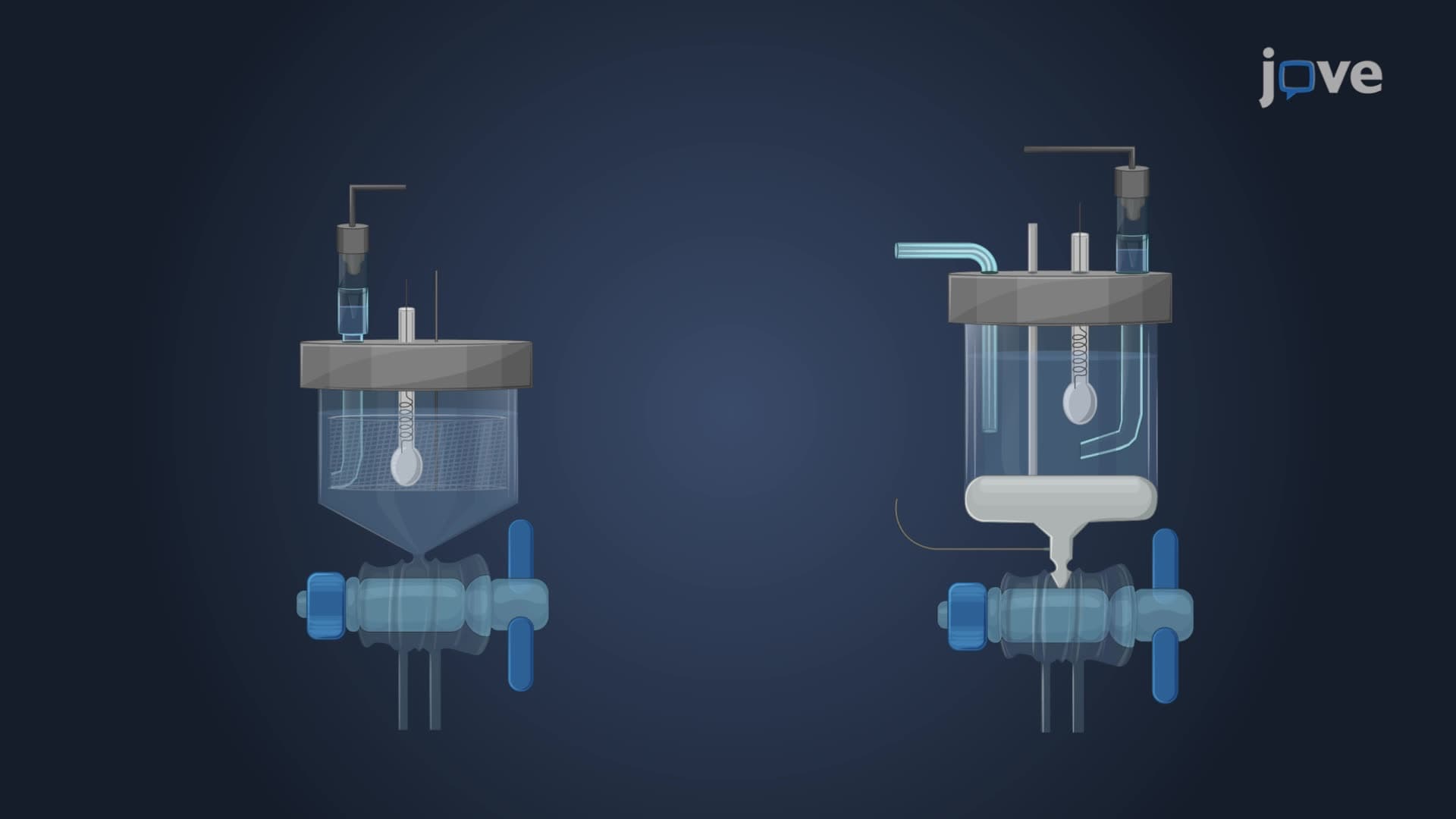
The voltammetric measurement technique relies on a sophisticated three-electrode configuration. The working electrode, typically with a minimal surface area to enhance concentration polarization, serves as the site where electron transfer reactions occur. Mercury electrodes dominate negative potential applications due to mercury's high hydrogen overvoltage, preventing interference from hydrogen evolution. The reference electrode maintains a constant, known potential (such as the standard calomel electrode used in EPA environmental testing), while the counter electrode completes the electrical circuit.
US pharmaceutical companies routinely employ this setup for drug purity analysis. For example, Johnson & Johnson facilities use voltammetric systems to verify acetaminophen concentrations, ensuring each Tylenol tablet contains precisely 325 mg of active ingredient.
Current potential voltammetry reveals fundamental electrochemical behavior through faradaic current voltammetry measurements. When an electroactive species undergoes reduction or oxidation at the working electrode surface, electrons transfer between the electrode and analyte, generating measurable current. This current initially increases with applied potential until reaching a limiting value directly proportional to analyte concentration-the foundation of quantitative voltammetric analysis.
Supporting electrolytes, typically present in 50-100 fold excess over the analyte, maintain constant ionic strength and minimize solution resistance. Common choices include potassium chloride or sodium sulfate, which don't interfere with the analyte's electrochemical behavior.
Students preparing for AP Chemistry exams encounter voltammetry in electrochemistry units, particularly when studying galvanic and electrolytic cells. MCAT test-takers must understand how voltammetric principles apply to biological systems, such as neuron action potentials. College analytical chemistry courses extensively cover this analytical voltammetry method as preparation for careers in forensic science, environmental monitoring, and pharmaceutical quality control.
The technique's sensitivity enables detection of trace metals in drinking water supplies, supporting EPA compliance monitoring across municipal water treatment facilities from Los Angeles to New York City.
Related Micro-courses