Loading subject page…

33,051 views

Video Summary: What Is Voltammetry Factors Affecting Measurements
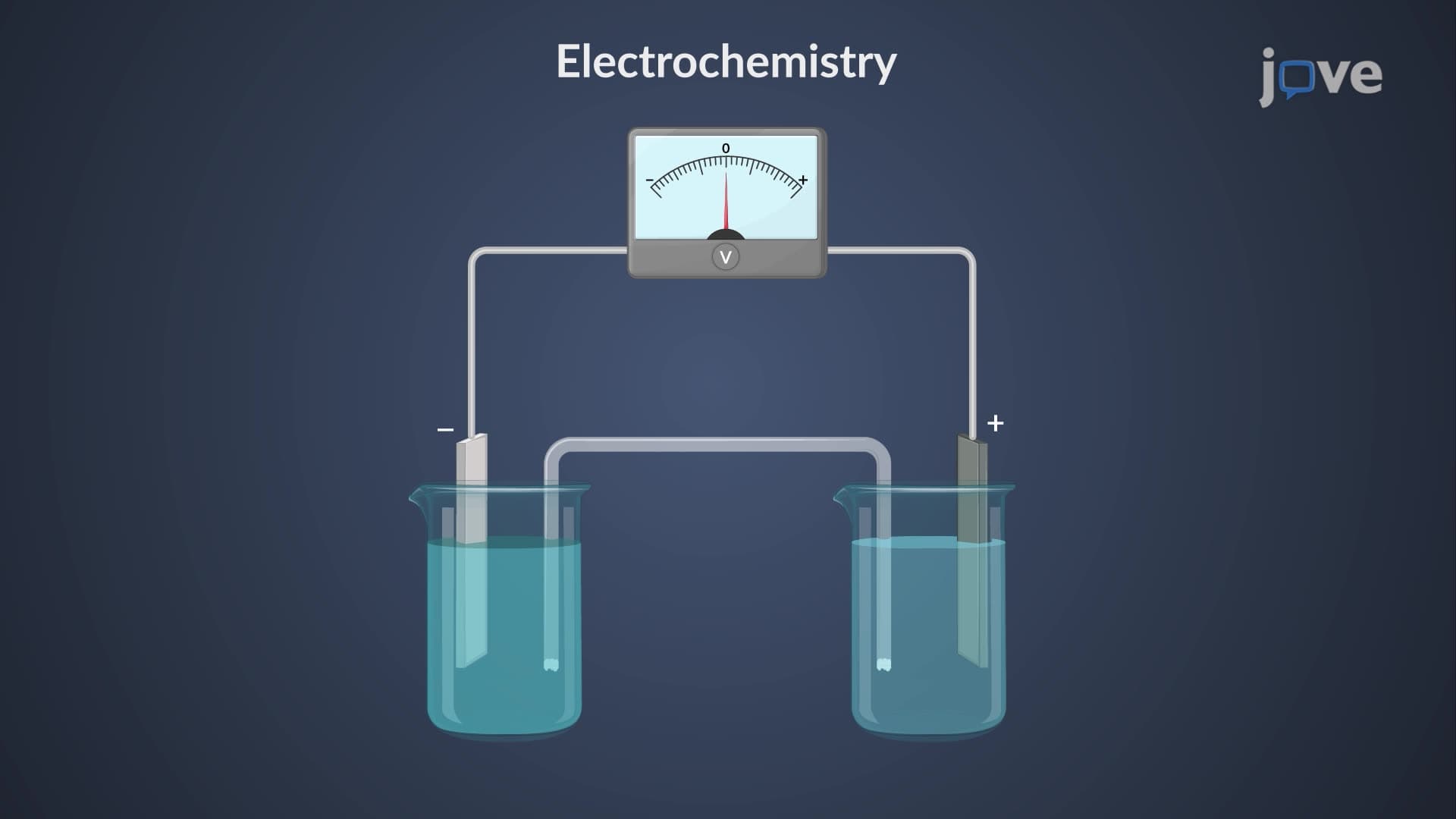
Did you know that the same electrochemical principles behind your smartphone's lithium-ion battery also power advanced medical diagnostic devices in US hospitals? Understanding voltammetry measurement factors is crucial for anyone studying electrochemistry, as these factors determine the accuracy and reliability of electroanalytical techniques used everywhere from FDA drug testing labs to environmental monitoring stations. The complex interplay between electrode surfaces, mass transport, and electron kinetics affects how we measure everything from glucose levels in diabetic patients to heavy metal contamination in drinking water supplies. Watch the full video on JoVE Coach to master this concept with expert-led visuals and step-by-step explanations.
What factors influence voltammetry measurements? This fundamental question drives much of modern electroanalytical chemistry, from routine pharmaceutical quality control at Pfizer's manufacturing facilities to cutting-edge research at MIT's electrochemistry laboratories. Voltammetry measurement factors encompass the complex interplay of physical, chemical, and instrumental parameters that determine the accuracy, precision, and reliability of electrochemical analyses.
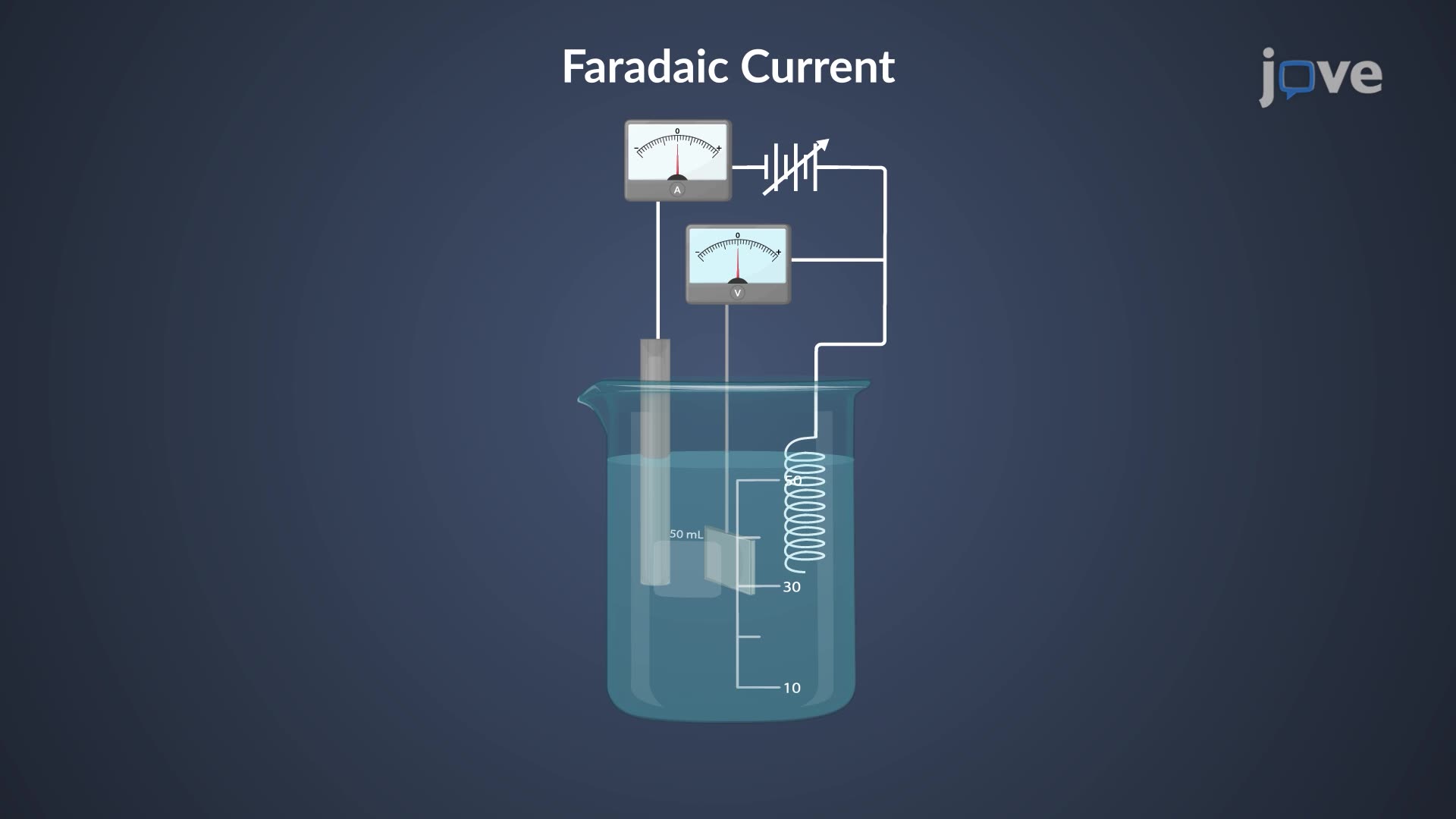
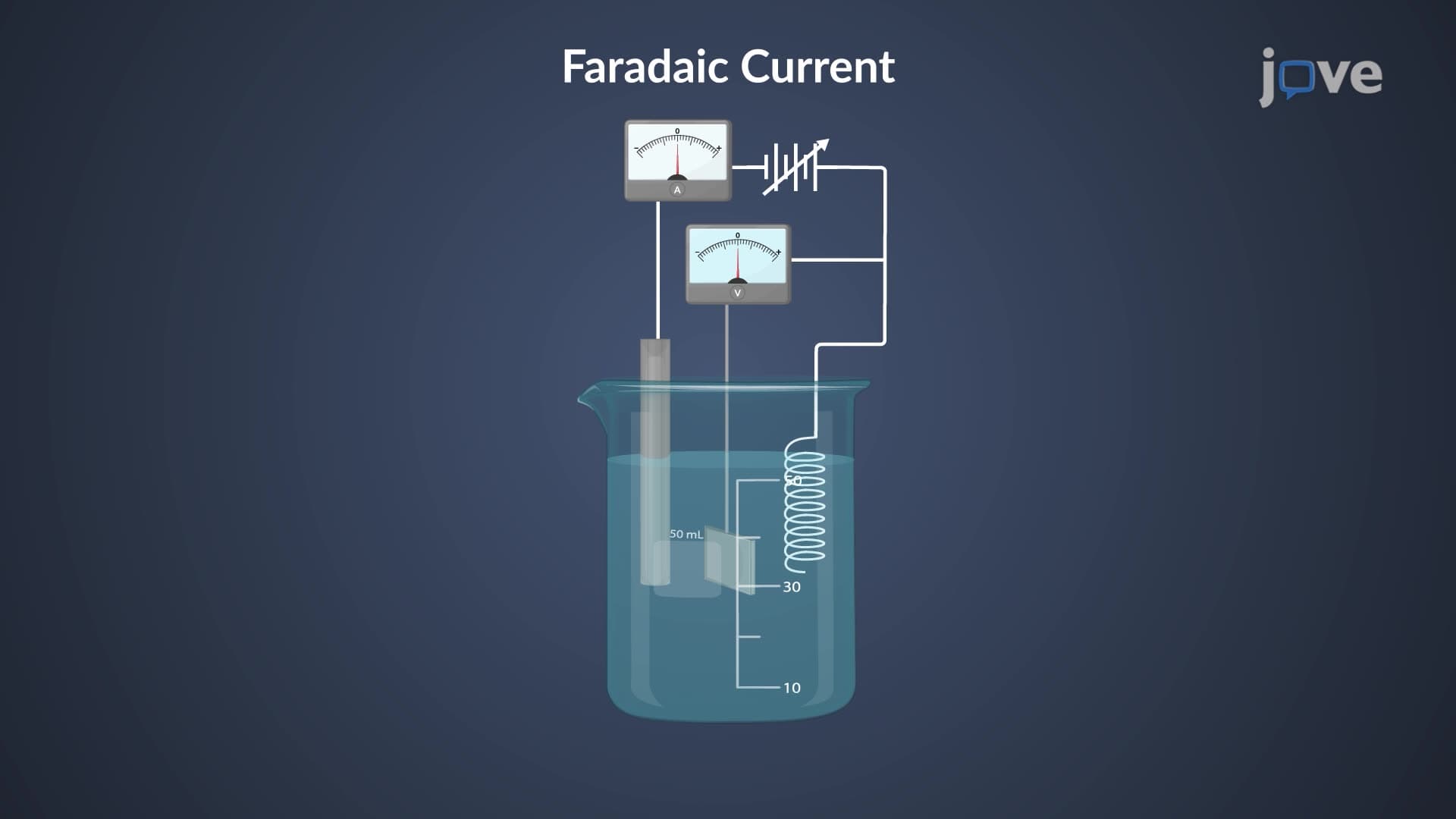
The foundation of factors affecting voltammetry measurements lies in understanding current flow mechanisms. Faradaic current results from actual electron transfer reactions-oxidation and reduction processes occurring at the electrode surface. When analyzing blood glucose using electrochemical biosensors in US hospitals, the Faradaic current directly correlates with glucose concentration through enzymatic redox reactions. This current exhibits distinct polarity characteristics: cathodic currents from reduction reactions carry positive values, while anodic currents from oxidation reactions appear negative.
Conversely, non-Faradaic current stems from capacitive effects as electrode potential changes, similar to charging a capacitor. This background current must be carefully subtracted from total current measurements to obtain accurate analytical results-a critical consideration for AP Chemistry students learning electrochemistry and college undergraduates preparing for MCAT electrochemistry sections.
Mass transport processes fundamentally control how analytes reach and leave the electrode surface. Diffusion drives spontaneous molecular movement from high to low concentration regions, while migration involves charged species movement under electric fields. Convection, whether natural (thermal gradients) or forced (stirring), provides bulk solution movement that can dramatically enhance analytical sensitivity.
The interplay between these transport mechanisms determines whether a voltammetric system operates under mass-transport control or kinetic control. Fast electron transfer kinetics produce electrochemically reversible systems, where the redox couple maintains equilibrium at the electrode surface. Slow kinetics create irreversible systems, commonly encountered when analyzing complex organic molecules or studying corrosion processes in materials science applications.
Several additional factors influence voltammetry measurements significantly. Scan rate affects peak shape and current magnitude-faster scans typically produce higher currents but may compromise resolution. Supporting electrolyte concentration influences migration effects and solution conductivity, while temperature changes affect both kinetics and thermodynamics of electrode reactions. These principles appear frequently on college chemistry exams and form the basis for advanced electroanalytical techniques used throughout the pharmaceutical, environmental, and materials industries.
Related Micro-courses