Loading video…


 8 Concepts
 2.7K views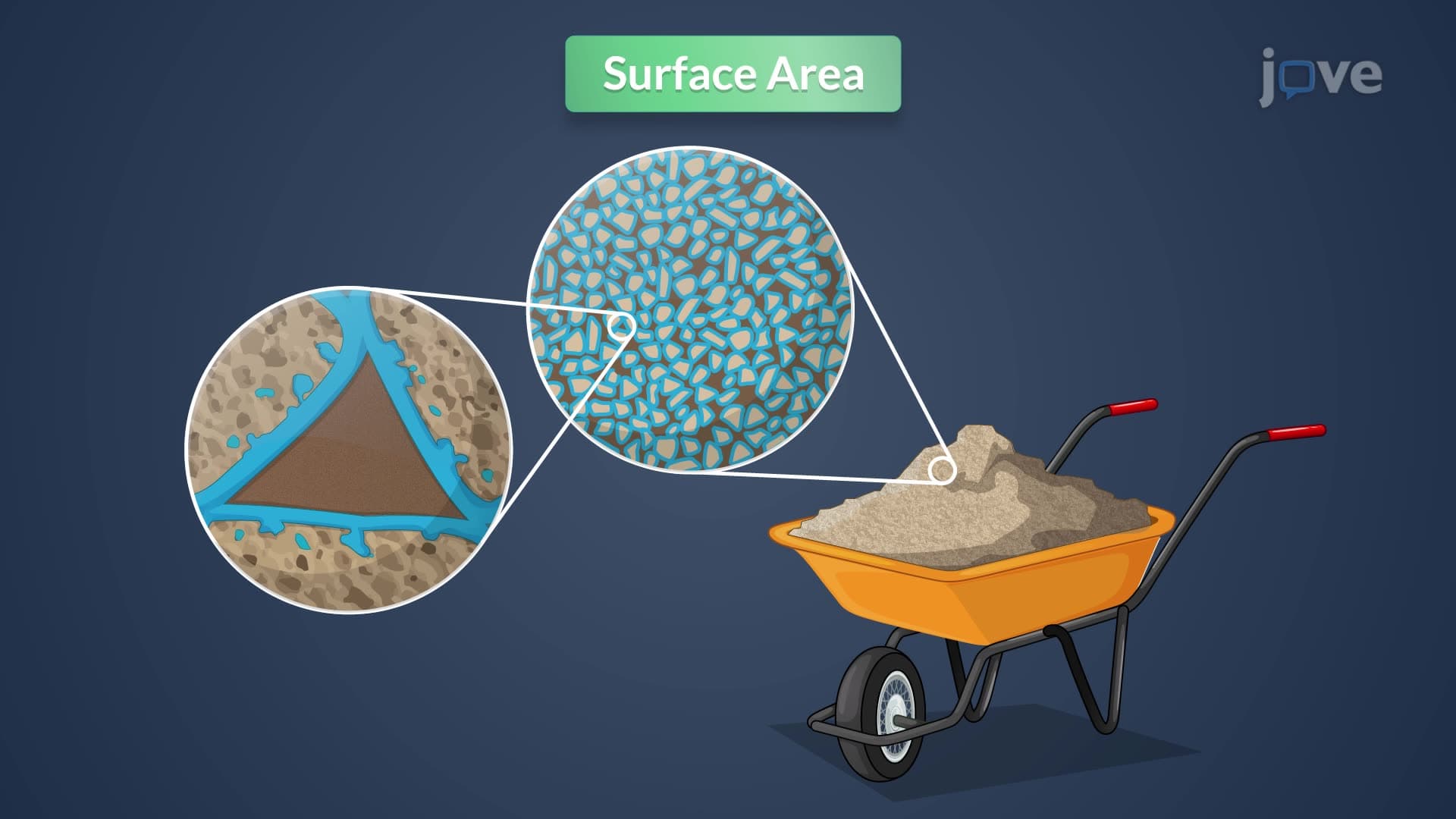

Video Summary: What are Factors Affecting Workability
Ever wonder why some concrete mixes flow like thick soup while others crumble like dry sand? The factors affecting workability determine whether concrete can be easily placed and shaped during construction projects like building Interstate highways or skyscrapers in New York City. Water content, aggregate properties, and particle distribution all play crucial roles in determining how manageable fresh concrete becomes during mixing and placement. Watch the full video on JoVE Coach to master this concept with expert-led visuals and step-by-step explanations.
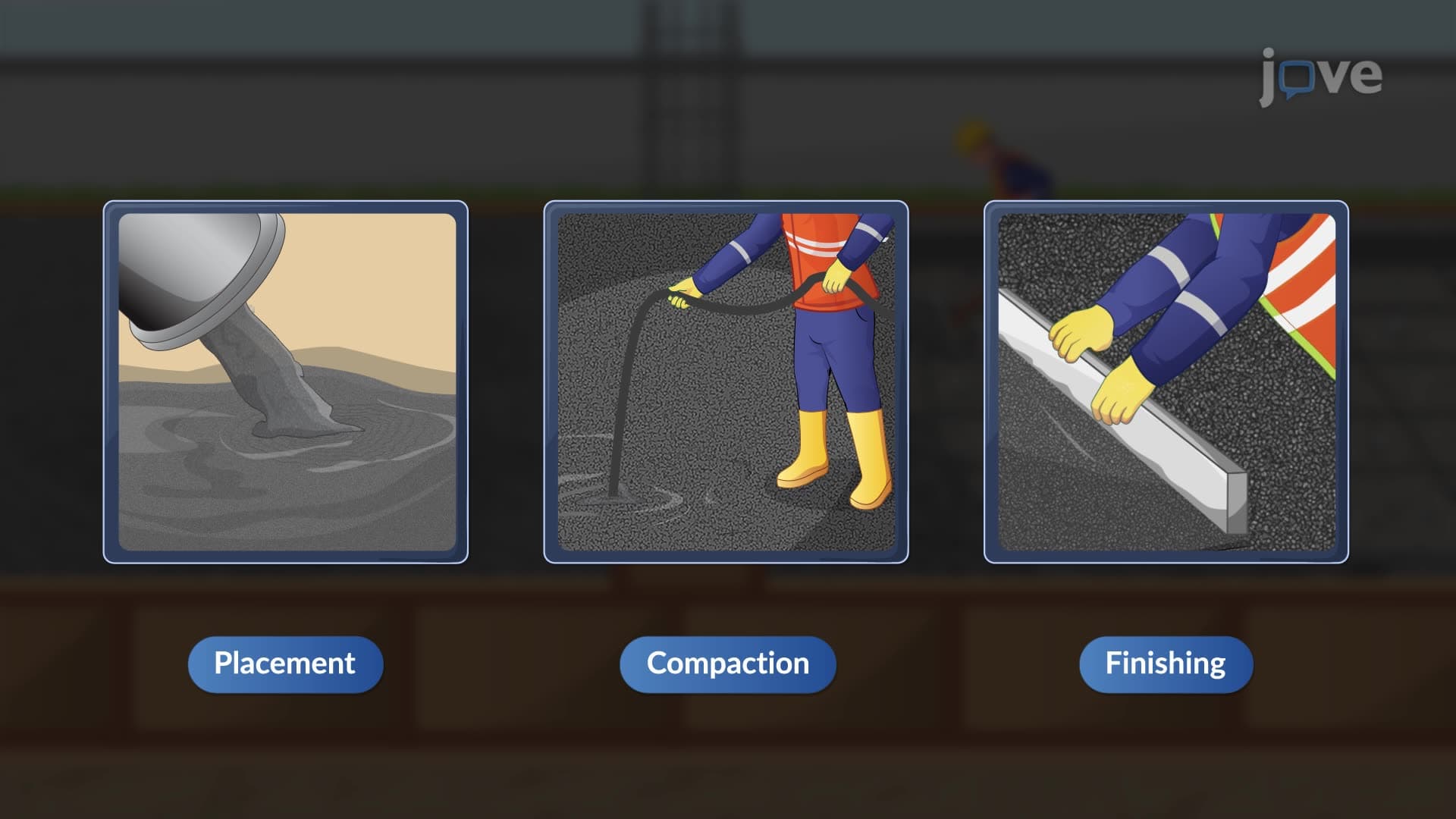
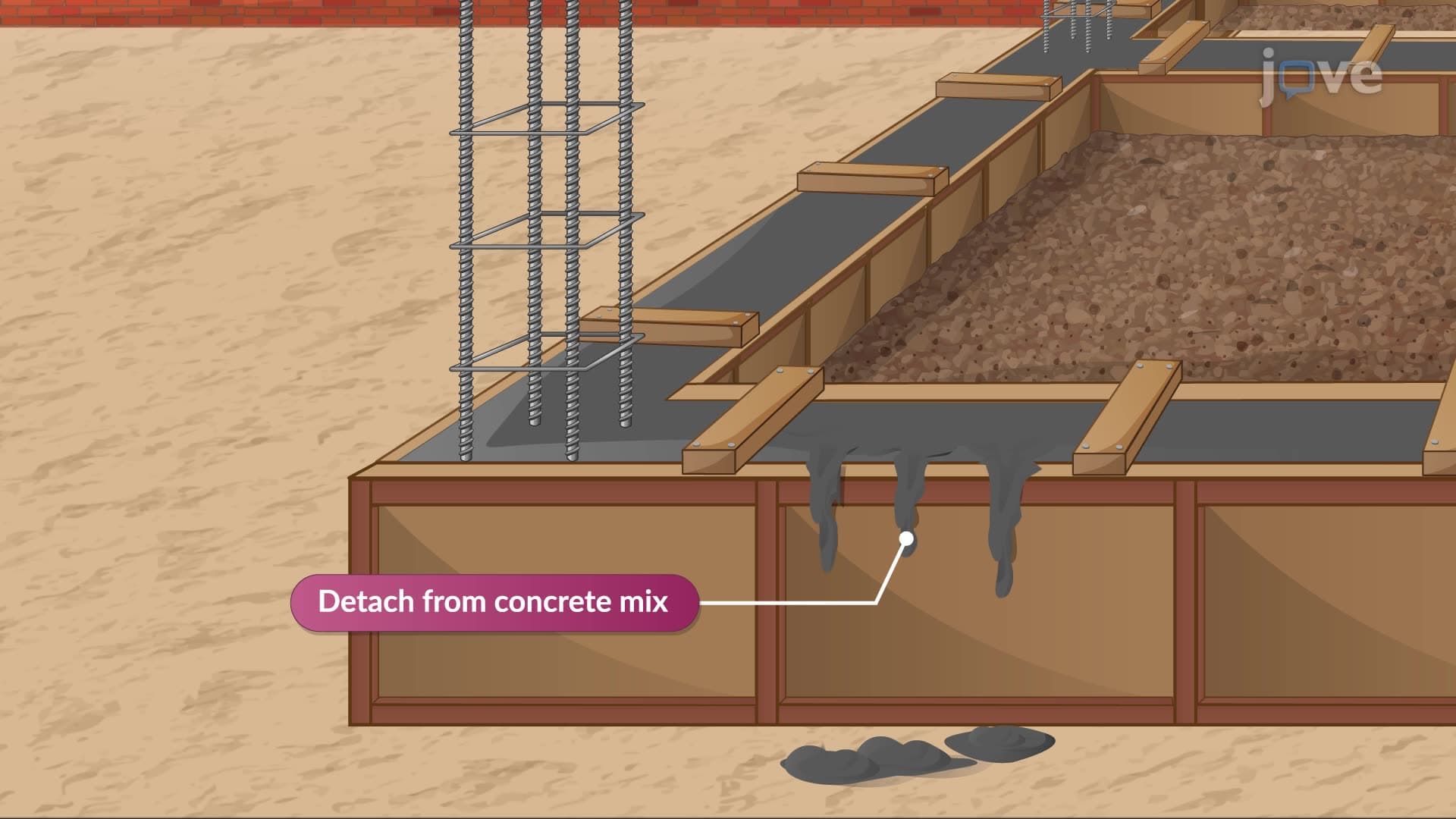
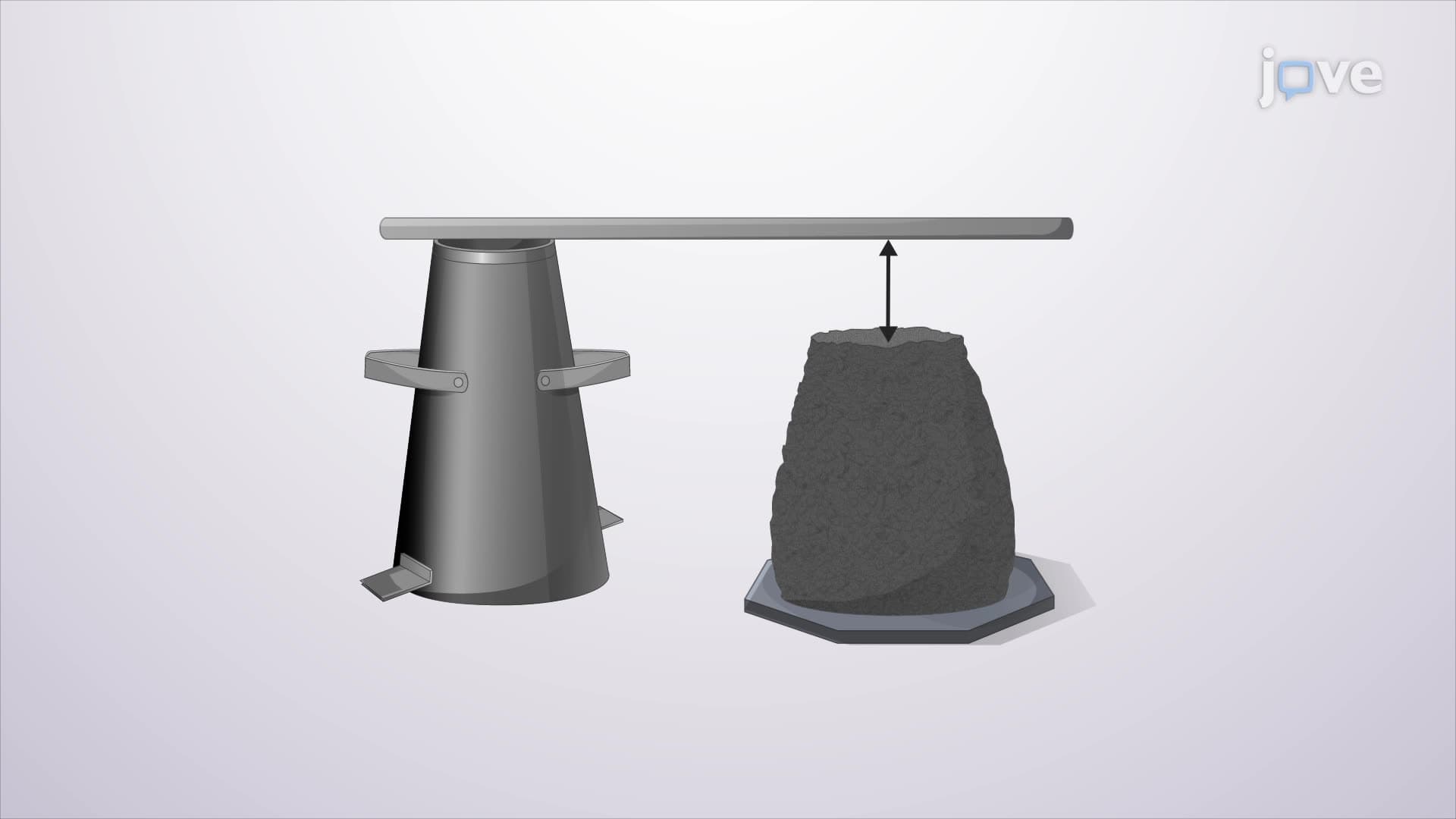
Workability represents concrete's ability to be mixed, transported, placed, and finished without segregation or excessive bleeding. This fundamental property determines construction success from residential driveways to major infrastructure projects like the Golden Gate Bridge renovation. Multiple interconnected factors influence workability, making it essential for civil engineering students and construction professionals to master these relationships.
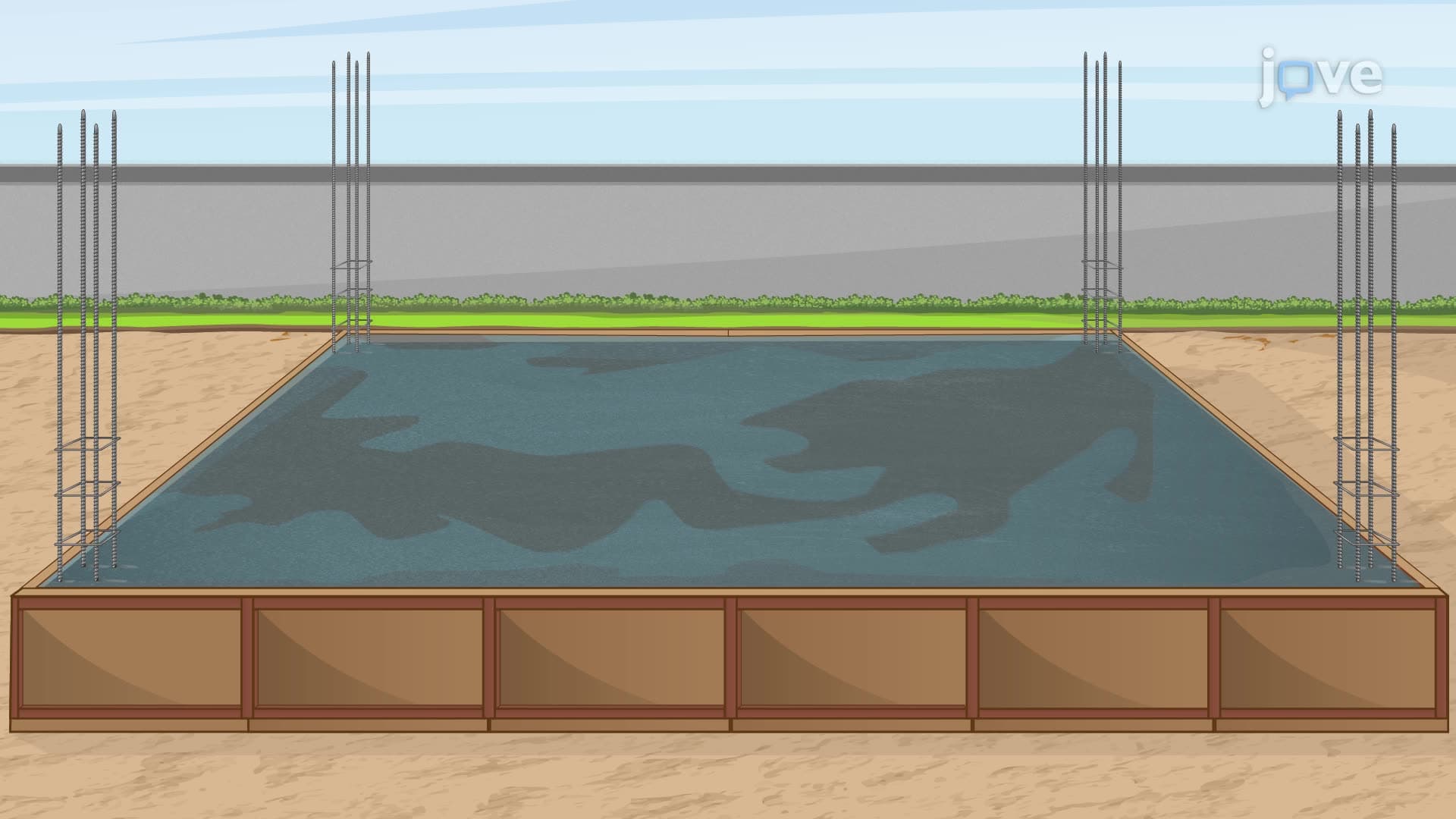
Water serves as the primary lubricant between concrete particles, directly impacting workability. Higher water content generally increases workability by reducing internal friction between cement particles and aggregates. However, excess water compromises strength and durability. The water-cement ratio becomes critical in balancing workability with performance requirements. During mixing, water facilitates particle movement, while some water gets consumed through cement hydration reactions and aggregate absorption, reducing available lubrication over time.
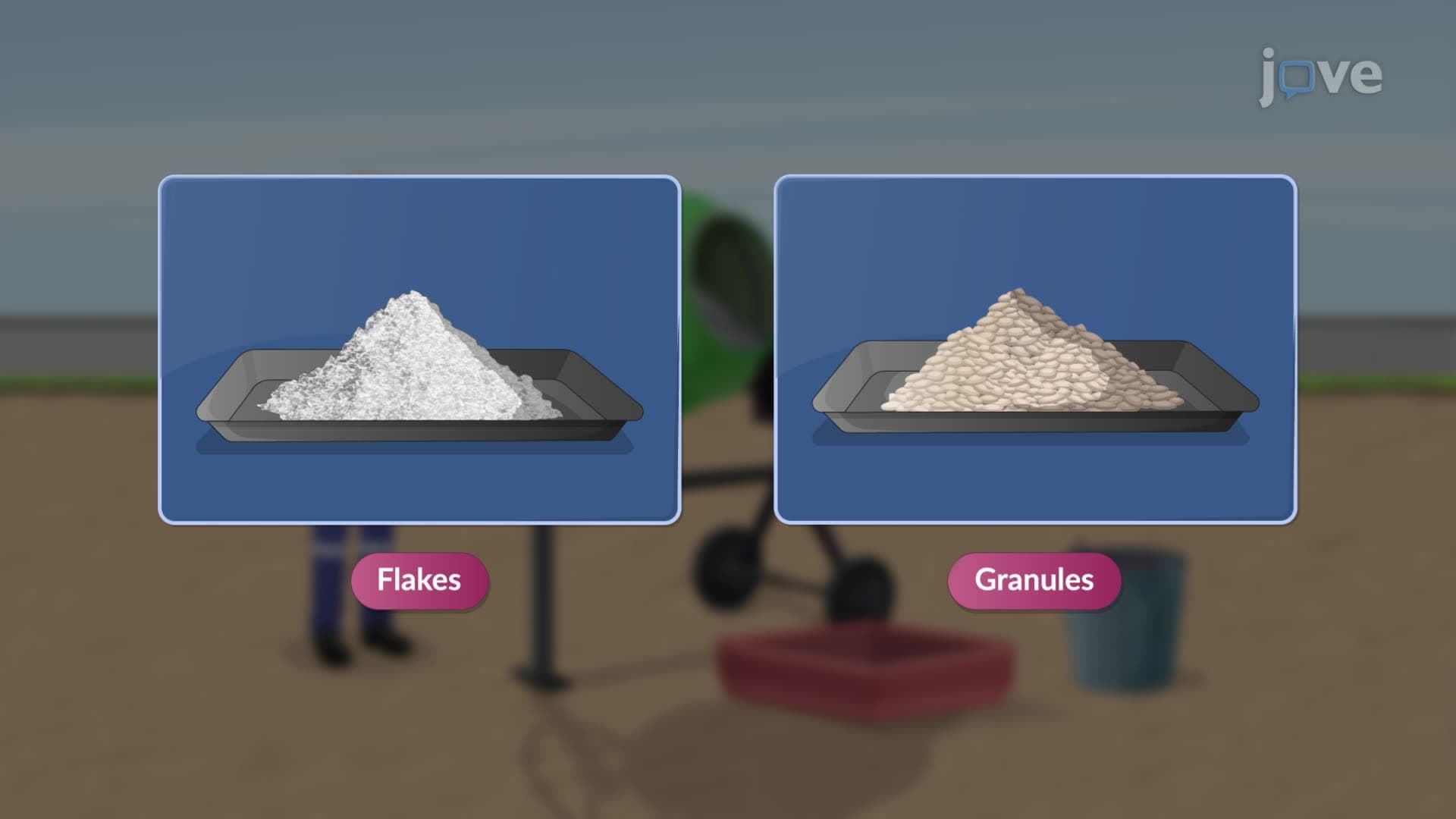
Aggregate properties significantly influence water demand and workability. Fine particles possess larger surface areas relative to their volume, requiring more water for adequate coating and lubrication. Angular aggregates with rough textures demand additional water compared to smooth, rounded particles due to increased friction between surfaces. For example, crushed limestone requires more water than river gravel for equivalent workability. Aggregate porosity affects workability as porous materials absorb mixing water, reducing available lubrication. Students preparing for AP Chemistry or college materials science courses should understand how surface chemistry principles apply to these construction materials.
The ratio of coarse to fine aggregates affects workability and segregation potential. Excessive coarse aggregate content can cause particle separation during handling, creating harsh, difficult-to-finish mixtures. Proper gradation ensures adequate fine material to fill voids between larger particles. When using lightweight aggregates with lower specific gravity, the same weight occupies greater volume, potentially reducing workability. Air entrainment introduces microscopic bubbles that act as lubricants, often reducing water requirements while maintaining desired workability levels.
Understanding these factors proves essential for MCAT physical sciences sections, engineering coursework, and professional practice in construction management and civil engineering careers.
Related Micro-courses