Loading video…


 8 Concepts
 2.7K views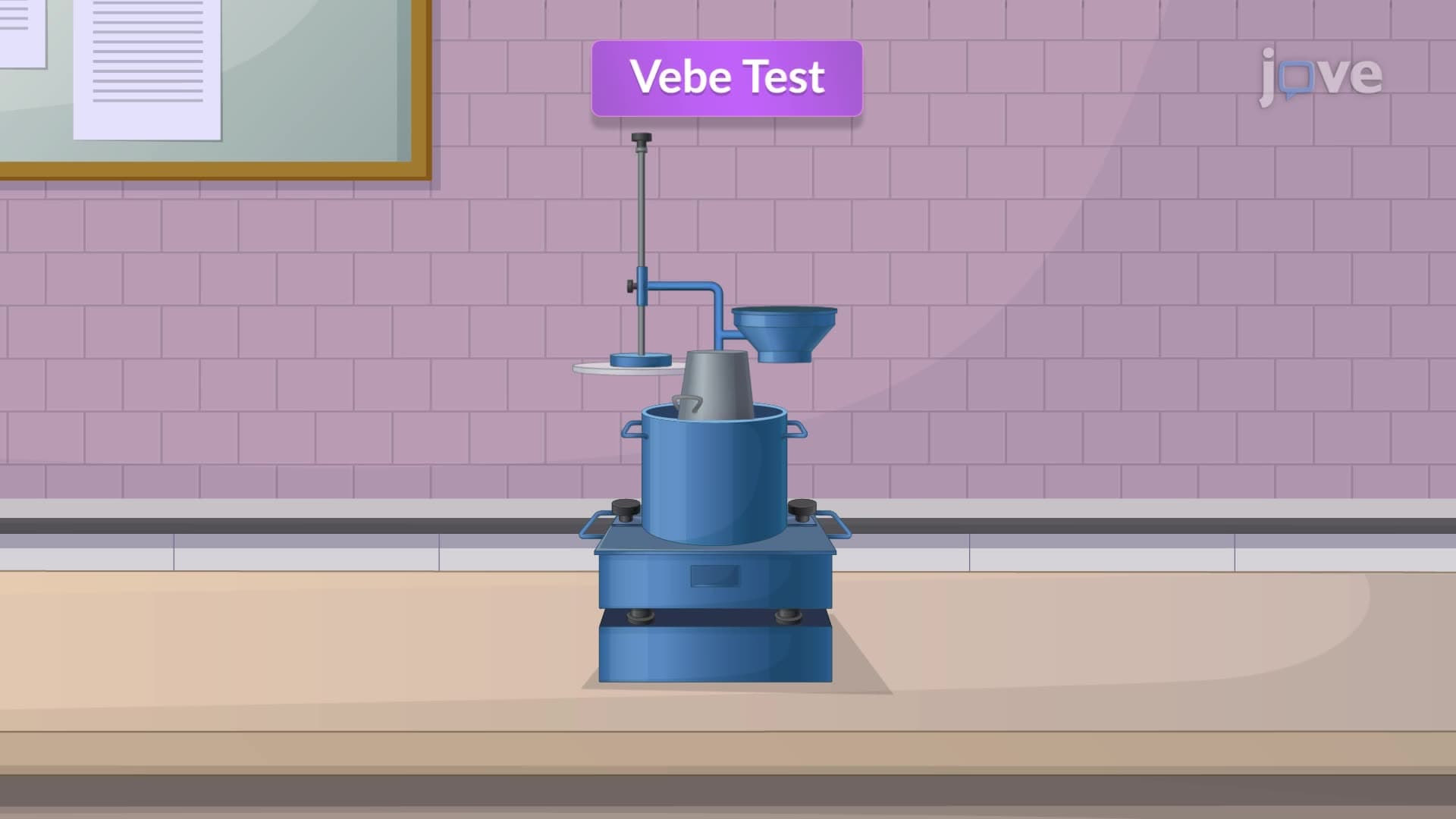

Video Summary: What Is Vebe Test
Ever wondered how engineers determine if concrete will properly flow into complex building forms? The vebe test is a specialized laboratory method that measures concrete workability, particularly for dry mixtures used in major US infrastructure projects like highway construction and bridge foundations. This vibration-based testing procedure uses a cylindrical chamber, slump cone, and transparent disc on a vibrating table to evaluate how easily concrete can be compacted and shaped. Watch the full video on JoVE Coach to master this concept with expert-led visuals and step-by-step explanations.
The vebe test represents a sophisticated approach to measuring concrete workability that goes beyond traditional assessment methods. Named after Swedish engineer V.B. Bahrner, this test specifically addresses the challenges of evaluating stiff, dry concrete mixtures commonly used in precast concrete manufacturing and heavy construction projects across the United States. Unlike the standard slump test, which relies on gravity alone, the vebe test incorporates controlled vibration to simulate real-world concrete placement conditions found in modern construction equipment.
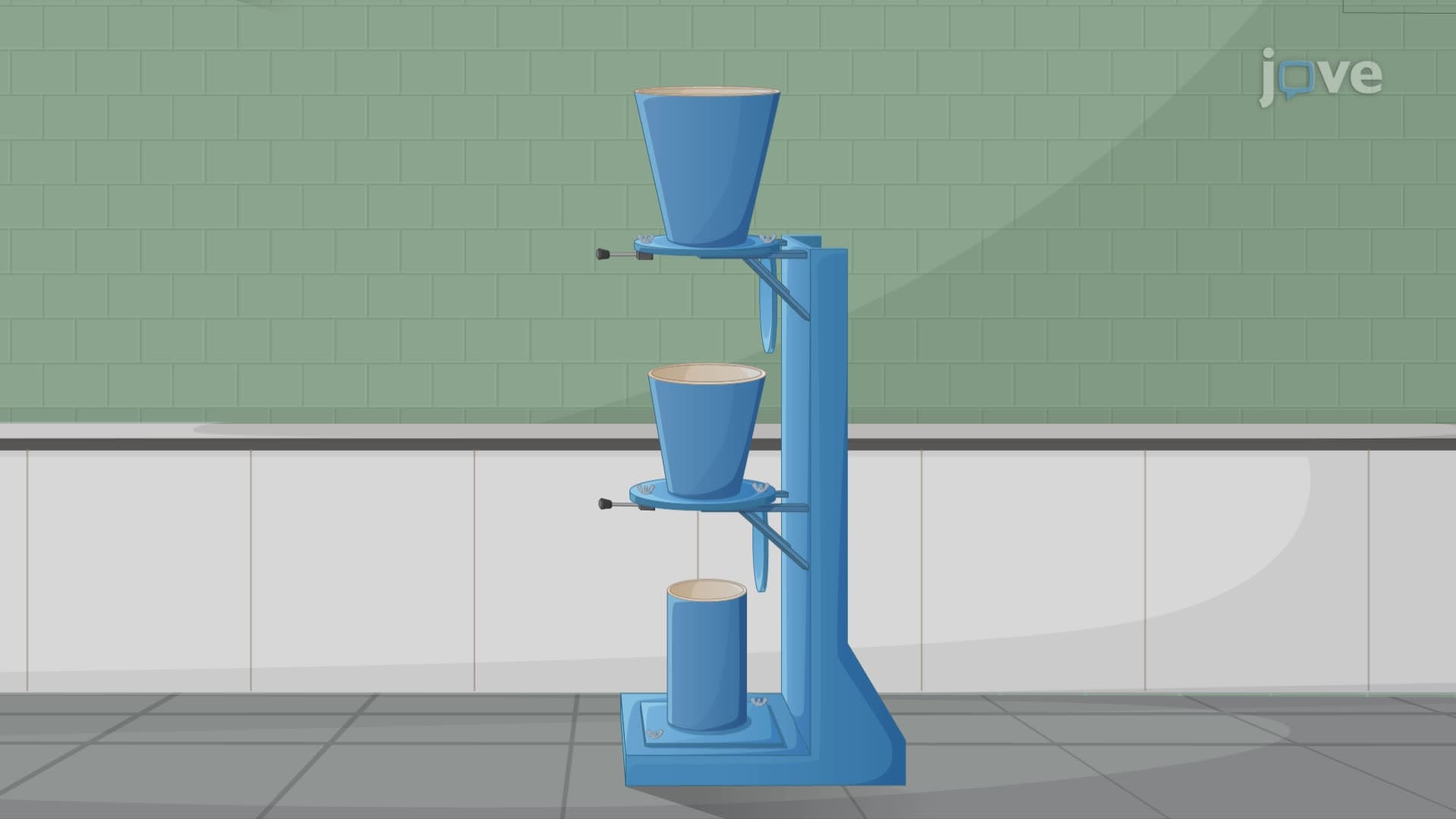
The precision-engineered vebe test equipment consists of several critical components working in harmony. The cylindrical chamber, measuring exactly 9.5 inches in diameter and 8 inches in height, provides the standardized container for concrete evaluation. The transparent disc-shaped rider, weighing precisely 6 pounds, serves as both a compaction tool and visual indicator of the compaction process. The vibrating table operates at a standardized frequency of 50 cycles per second, creating consistent vertical movement that mimics the vibration patterns used by concrete contractors in actual construction scenarios. This standardized setup ensures reproducible results across different testing laboratories and construction sites throughout the US.
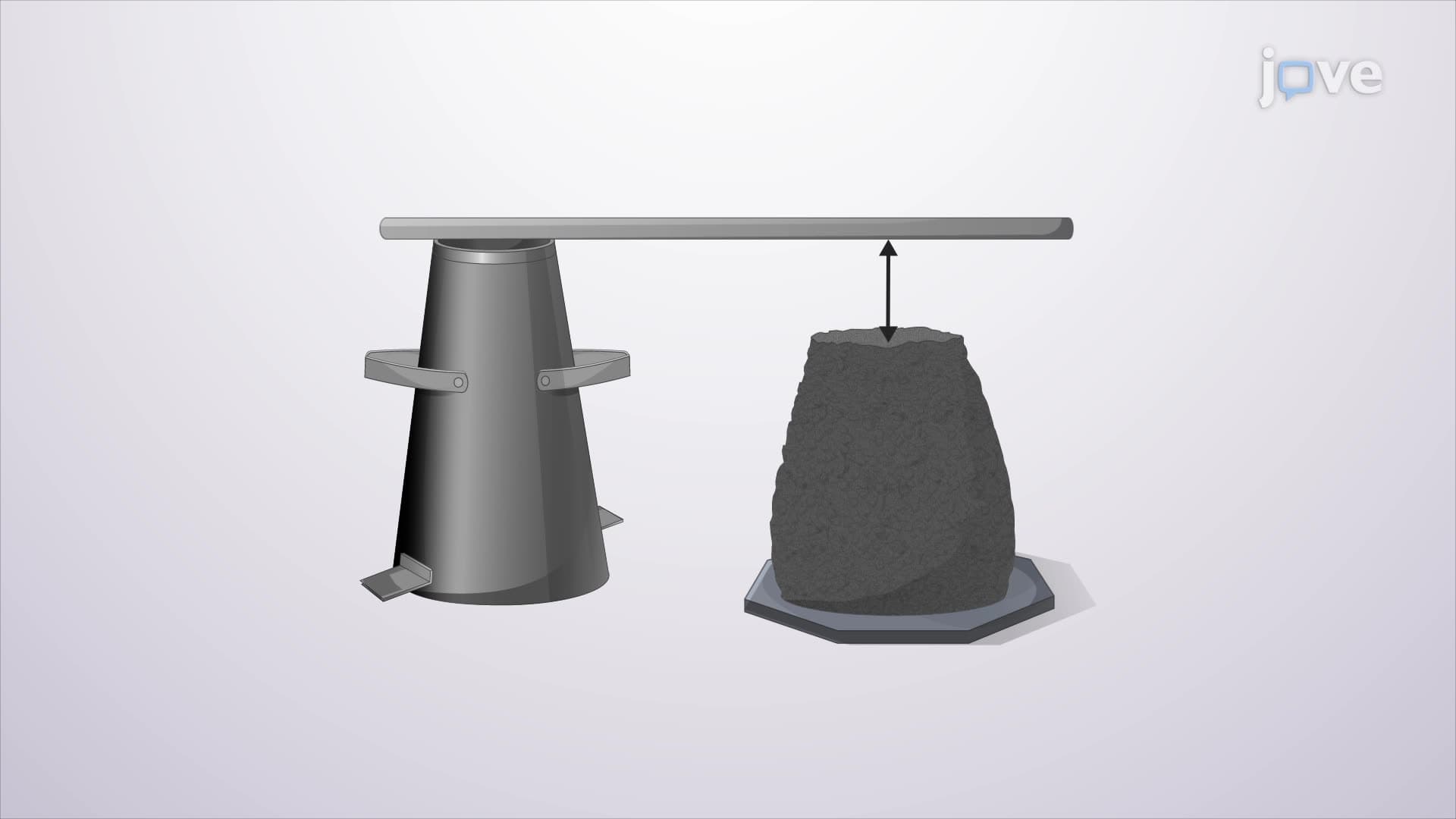
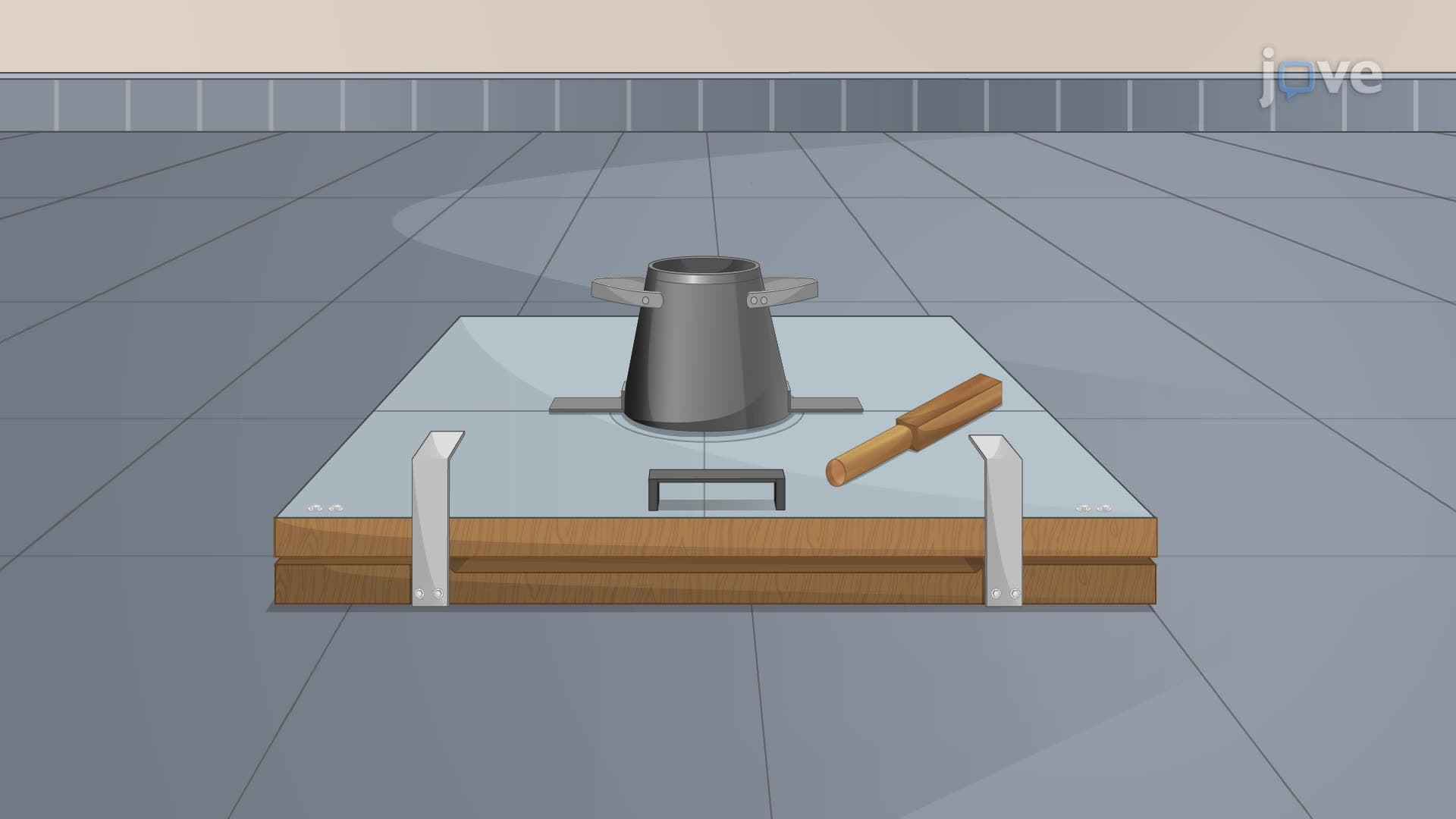
The vebe test procedure follows a methodical sequence that transforms fresh concrete from its initial slump cone shape into a fully compacted cylindrical form. After placing concrete in the standard slump cone and removing the cone form, the transparent rider is positioned on top of the truncated concrete shape. The vibrating table activation initiates the compaction process, with the concrete gradually conforming to the cylindrical chamber walls. The critical measurement occurs when the transparent rider becomes completely obscured by the concrete surface, indicating elimination of all visible air voids. This timing, measured in "vebe seconds," quantifies the energy required for complete compaction and directly correlates to concrete workability characteristics.
Civil engineering students preparing for the Fundamentals of Engineering (FE) exam frequently encounter vebe test concepts in concrete technology coursework. The test results help construction professionals select appropriate concrete mixes for specific applications, from highway pavement construction managed by state departments of transportation to precast concrete manufacturing facilities. Understanding vebe test principles becomes essential for students pursuing careers in structural engineering, construction management, and materials testing, particularly when working with the American Concrete Institute (ACI) standards that govern US construction practices.
Related Micro-courses