Loading video…


 8 Concepts
 2.7K views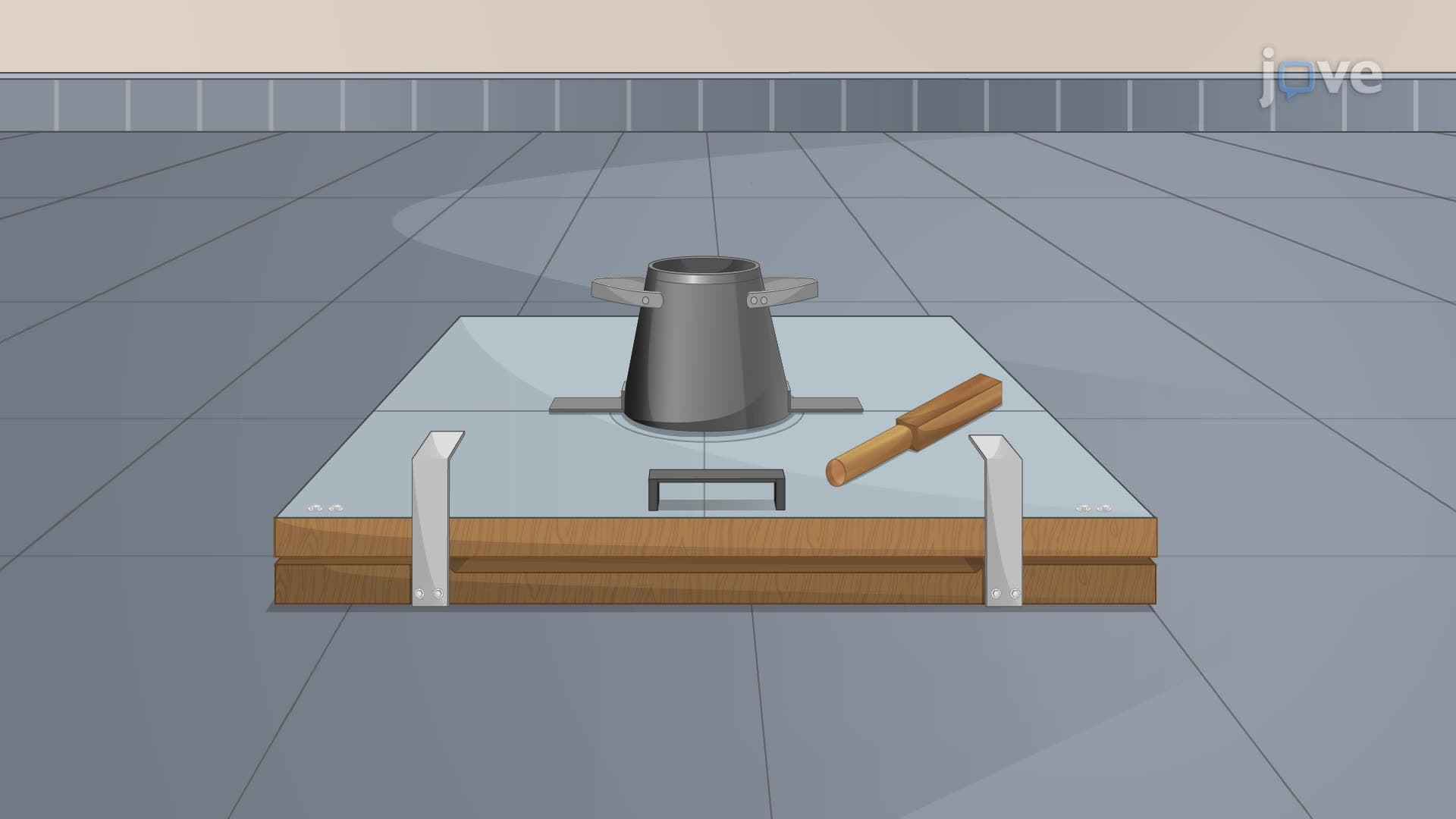

Video Summary: What Is Flow Table Test
Ever wondered how engineers ensure concrete will flow properly in massive construction projects like the new World Trade Center? The flow table test is a standardized laboratory procedure that measures concrete workability by observing how much fresh concrete spreads when subjected to controlled jolting motions. Using a specialized 35-pound apparatus with precise dimensions, this test helps construction teams at sites across America determine if their concrete mix will perform as expected. Watch the full video on JoVE Coach to master this concept with expert-led visuals and step-by-step explanations.
The flow table test represents a cornerstone methodology in concrete testing, specifically designed to quantify the workability of fresh concrete mixtures. This standardized procedure, governed by ASTM C1437, provides construction professionals with reliable data about how concrete will behave during placement and finishing operations. Unlike slump tests that measure consistency, the flow table test excels at evaluating highly flowable concrete mixtures commonly used in modern construction projects.
The flow table apparatus consists of precisely engineered components that ensure reproducible results. The 35-pound system features a wooden board topped with a steel plate, creating a stable testing platform. The board measures exactly 27.6 inches on each side and connects to a base via a hinge mechanism that allows controlled vertical movement. The apparatus lifts the upper board to a height of 1.6 inches before dropping it, creating the jolting action that spreads the concrete sample.
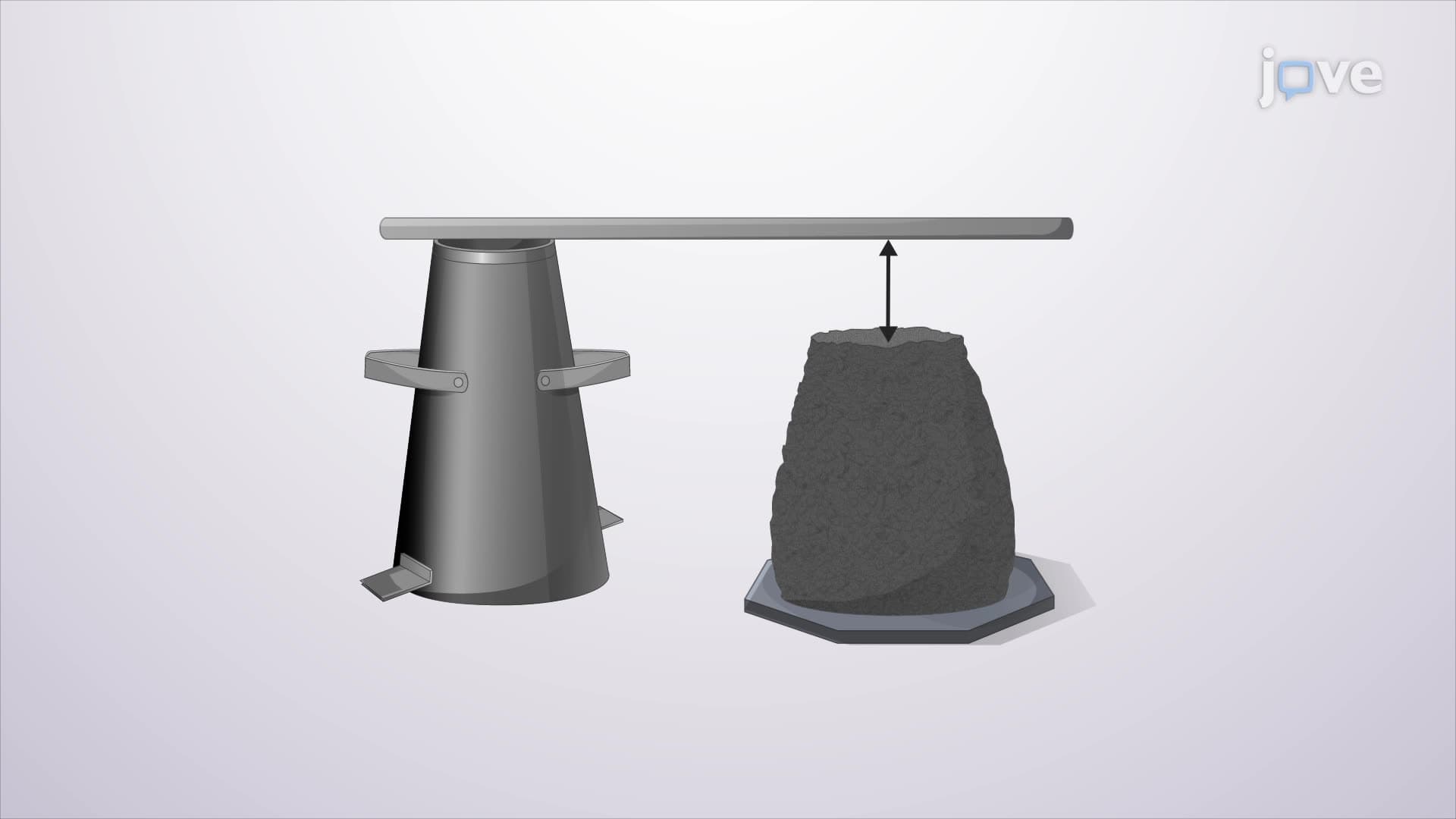
The testing procedure employs a truncated cone mold with specific dimensions: 8 inches in height, 8-inch base diameter, and 5-inch top diameter. These standardized measurements ensure consistency across different testing locations, from university laboratories to commercial testing facilities across the United States.
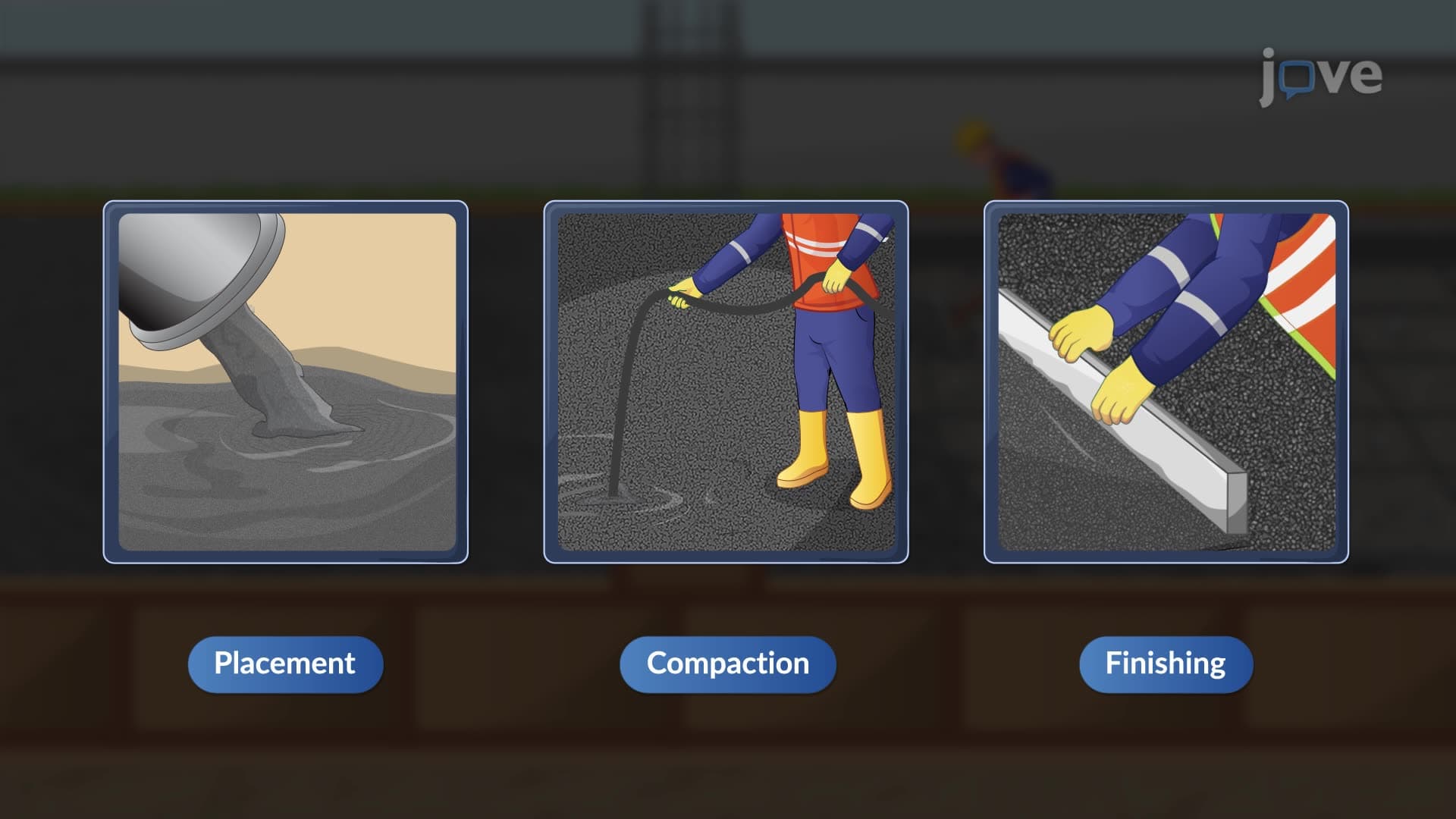
The flow table test procedure follows a carefully choreographed sequence that maximizes result reliability. Fresh concrete fills the truncated cone in specified layers, with gentle compaction applied to eliminate air voids without over-working the mixture. After a precise 30-second waiting period, technicians remove the cone mold and initiate the jolting sequence.
The jolting protocol consists of 15 individual drops, each separated by exactly 4 seconds. This timing allows the concrete to respond fully to each impact while preventing premature setting or segregation. The controlled jolting causes the concrete to spread outward from its original cone shape, creating a roughly circular pattern whose dimensions indicate workability characteristics.
Measurement involves determining the average spread parallel to two edges of the table, typically expressed in inches or millimeters. Higher spread values indicate greater workability, with specific ranges corresponding to different concrete applications. Medium workability concrete might spread 6-10 inches, while high workability mixtures could exceed 12 inches of spread.
These results directly impact construction decisions across America's infrastructure projects. For example, concrete used in the restoration of major bridges requires specific flow characteristics to ensure proper consolidation around reinforcing steel. Similarly, high-rise construction projects depend on flow table data to select concrete mixtures that will pump efficiently to upper floors while maintaining structural integrity.
Students preparing for materials science courses, civil engineering programs, or professional certification exams will encounter flow table test concepts in various contexts, making mastery of these fundamentals essential for academic and career success.
Related Micro-courses